Outdoor transformer enclosures with engineered wire mesh protection
Outdoor electrical transformers are essential to homes, shops, factories, construction sites and public infrastructure across Australia. They also present serious risks when installed in accessible areas. A well-designed wire mesh enclosure can create a controlled boundary around a transformer, helping prevent accidental contact, unauthorised access, impact damage and interference with ventilation.
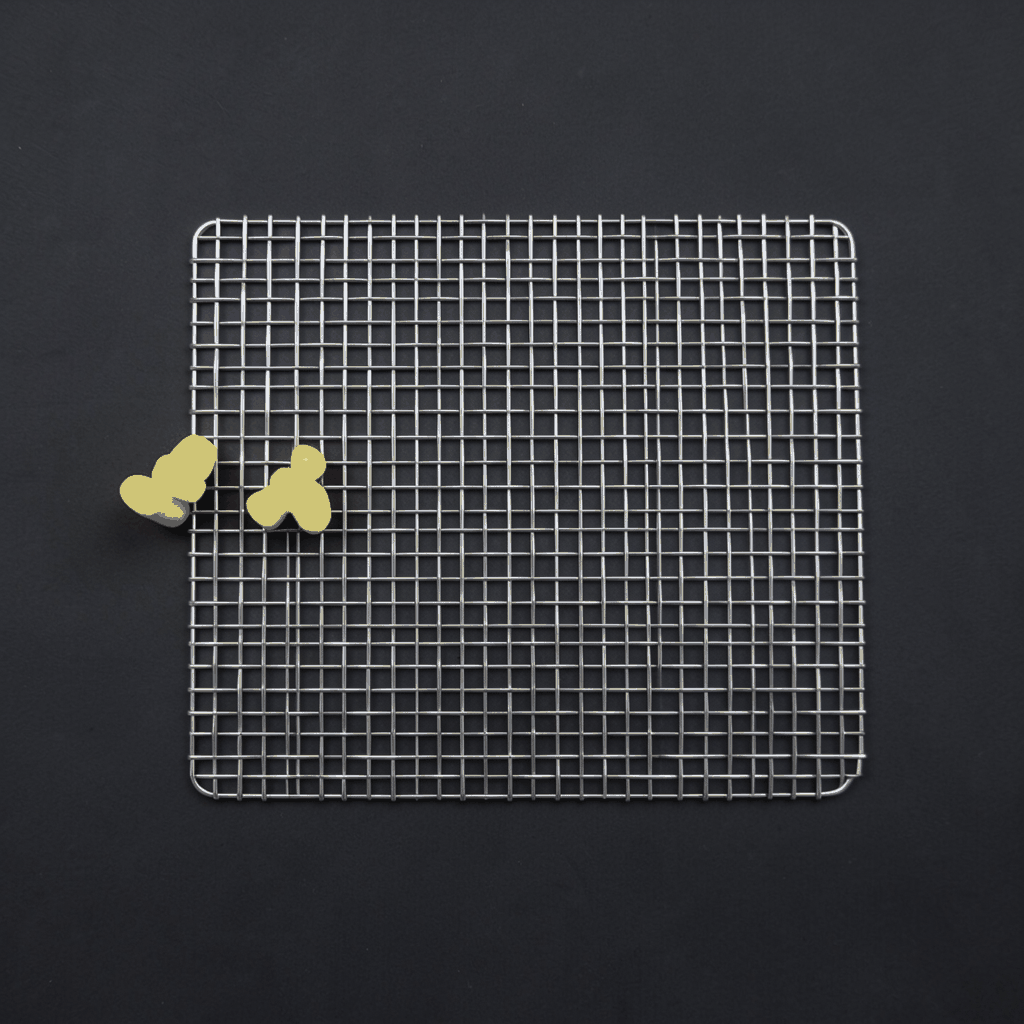
Metal mesh is especially useful because it combines physical security with airflow. Unlike a solid wall, a mesh barrier allows heat and sound to disperse while maintaining visibility for inspections. With suitable material, panel thickness, openings, posts, locks and protective finishes, the enclosure can be adapted to a compact urban transformer or a larger industrial substation.
Australian conditions require careful consideration of intense sunlight, coastal salt, dust, heavy rain, wind, bushfire exposure and changing temperatures. An enclosure specified for Brisbane may need different corrosion protection from one installed near Perth or Newcastle. Local electricity distributors may also impose requirements for access, clearances, warning signs and maintenance.
Shuo Ke Wire Mesh Product Technology Co., Ltd. manufactures and processes stainless steel, aluminium, iron, copper and other alloy mesh products for architectural and industrial applications. Its custom fabrication capability supports transformer cages, electrical equipment screens, secure gates and related metalwork where practical engineering must work alongside a clean appearance.
Why transformer protection needs more than a simple fence
A transformer enclosure has several functions that should be considered together. It must discourage climbing and forced entry, resist accidental knocks from vehicles or equipment, preserve safe working clearances, and allow authorised technicians to reach doors, cable routes and inspection points. A basic chain-link fence may provide a boundary, but it may not deliver the stiffness, appearance or security required for a prominent installation.
Mesh panels can be fabricated with rigid frames, reinforced corners and posts fixed to a concrete slab or suitable foundation. The panel geometry can be selected to reduce footholds and limit the passage of hands or tools. For higher-risk sites, a lockable access gate, anti-tamper fasteners and a secondary internal barrier may be appropriate.
Visibility is another practical advantage. Network operators and maintenance contractors can inspect the transformer, labels, vents and surrounding ground without dismantling the enclosure. This helps identify oil leaks, corrosion, damaged cables, rubbish accumulation or signs of overheating during routine site visits.
Choosing a suitable mesh material
Stainless steel is often selected for coastal locations, food-processing environments, transport facilities and high-visibility architectural projects. Grades such as 304 and 316 may be considered according to the level of salt, moisture and chemical exposure. Grade 316 stainless steel is commonly preferred for marine or heavily exposed conditions, although the final grade should be confirmed by the project engineer and fabricator.
Aluminium offers low weight and useful corrosion resistance, making it suitable where handling, installation speed or a lighter visual effect matters. It may be used for framed screens, louvred sections and decorative barriers, but the design must account for its strength, fixing method and potential contact with dissimilar metals.
Mild steel and galvanised steel can provide economical structural performance for larger transformer compounds, industrial sites and municipal infrastructure. Hot-dip galvanising gives the steel a zinc coating that helps protect against corrosion. In aggressive environments, a duplex system combining galvanising with a compatible powder coating or paint system can provide an additional protective layer.
Copper mesh is generally chosen for specialised architectural or electrical applications rather than standard security cages. It can develop a distinctive patina, but its cost, conductivity and compatibility with nearby metals require careful assessment. Material selection should consider the complete installation, including posts, hinges, bolts, base plates and drainage details.
Designing for airflow, heat and safe access
Transformers generate heat during operation, so a protective cage must not obstruct manufacturer-specified ventilation paths. Expanded metal, welded wire mesh and woven wire mesh can all provide open area, but their airflow characteristics differ. A frame should not be positioned too close to radiators, cable boxes or cooling equipment unless the approved layout allows it.
The enclosure should preserve the clearances required around high-voltage equipment, moving parts and maintenance zones. These dimensions are not determined by mesh alone. They depend on the transformer type, voltage, access arrangement, earthing design, fire controls and the rules of the relevant electricity distributor.
In Australia, designs may need to align with AS 2067 for substations and high-voltage installations, along with AS/NZS 3000 where low-voltage wiring and connected electrical work are involved. State and territory electrical safety legislation also applies. Ausgrid, Endeavour Energy, Essential Energy, CitiPower, Powercor, Energex, Ergon Energy and other network operators may publish additional technical requirements for equipment installed within their service areas.
A lockable gate should open in a way that supports safe evacuation and authorised maintenance. Hinges, latches and padlock housings need protection from weather and tampering, while removable panels can simplify major equipment replacement. Warning signs, danger notices and emergency access provisions should be included in the approved layout rather than added as an afterthought.
Managing Australian weather and site conditions
Australia’s climate places unusual demands on outdoor metalwork. Strong UV exposure can degrade some coatings, while intense heat can accelerate fading and material movement. In tropical areas such as Darwin and northern Queensland, humidity and salt-laden air increase corrosion pressure. Coastal locations around Sydney, Melbourne, Adelaide, Perth and Hobart may also require a more robust finish than inland sites.
Bushfire-prone areas need special attention to vegetation control, ember exposure, access for emergency services and the requirements of the relevant planning and fire authorities. A mesh cage does not make a transformer installation bushfire-proof. Its design should be coordinated with the transformer’s fire protection, separation distances, oil containment and the site’s emergency plan.
Flood-prone land, cyclone regions and exposed rural sites introduce further design considerations. Posts may require deeper foundations or engineered base connections, and gates must resist wind loading without distorting. Drainage should prevent standing water around posts and transformer plinths. Near beaches, industrial plants or roads treated with salt, coatings and fasteners should be selected for the actual exposure category.
A site survey should record the ground condition, existing slab, vehicle movements, drainage, nearby buildings, pedestrian routes and access for cranes or service trucks. These details affect panel dimensions and help avoid a cage that looks suitable on paper but blocks transformer replacement or routine maintenance.
Security features for public and industrial locations
Transformer compounds may be located beside footpaths, car parks, schools, apartment developments, shopping centres and construction zones. The required level of protection varies with the surrounding activity. A residential installation may need a compact, visually unobtrusive cage, while a transport depot or remote industrial site may require a taller, stronger perimeter with monitored access.
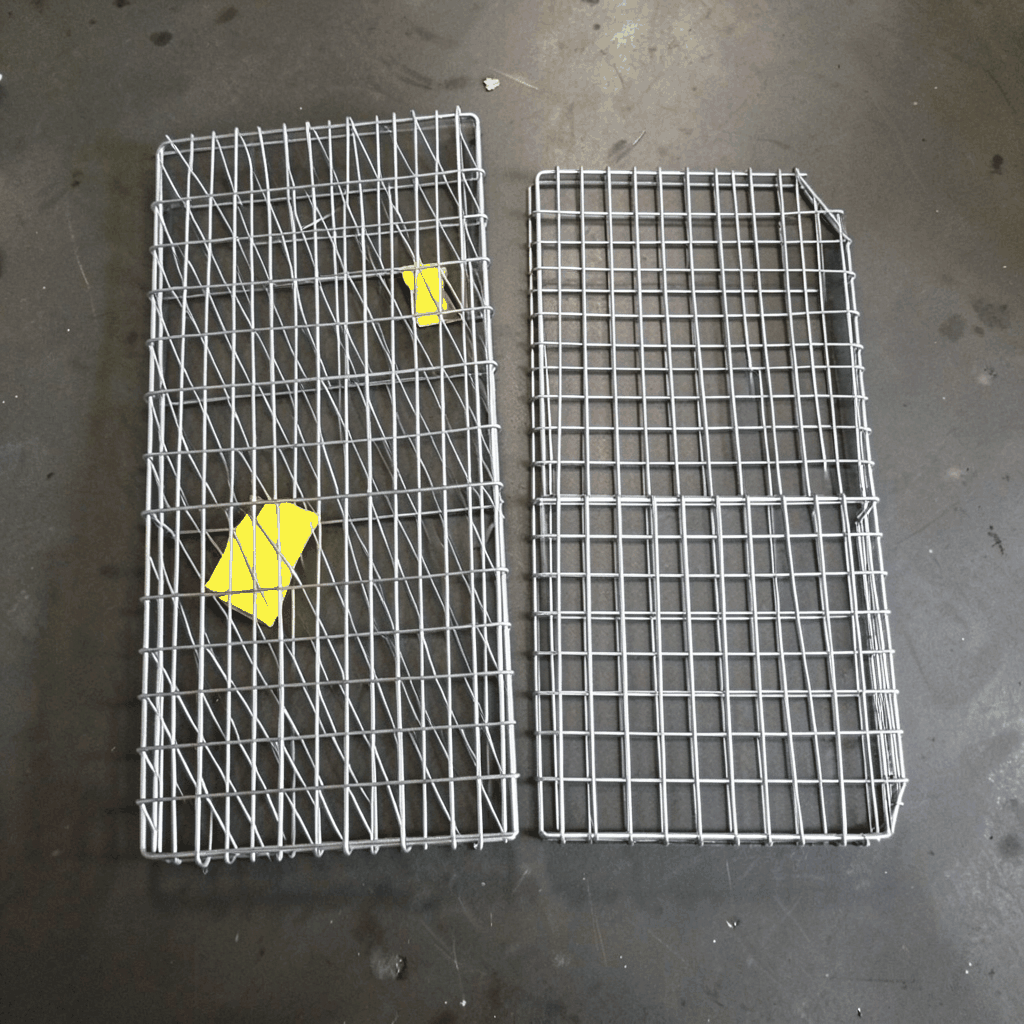
Welded mesh with a rigid perimeter frame is commonly used where impact resistance and dimensional stability are important. Smaller apertures can help prevent hand access, while anti-climb profiles may reduce the risk of people scaling the panels. The exact aperture must still allow adequate airflow and comply with equipment clearances.
Gates can incorporate heavy-duty hinges, concealed fixings, shrouded padlock points or proprietary access-control hardware. For managed facilities, an electric lock, intercom, keypad or monitored alarm may be coordinated with the enclosure. Any powered access system must be compatible with the site’s emergency release arrangements and electrical safety design.
Vehicle protection may require bollards, guardrails or a separate crash barrier outside the mesh. A fence panel should not be expected to absorb repeated impacts from forklifts, delivery vehicles or maintenance trucks unless it has been specifically engineered for that load. Separating security, pedestrian control and vehicle restraint functions usually produces a safer result.
Appearance and integration with the surrounding property
A transformer cage is often visible from streets, shared driveways or landscaped areas. Architectural mesh can make the installation appear deliberate rather than temporary. Panels may be powder coated in a colour that matches fencing, façade elements or street furniture, while decorative patterns can reduce the visual prominence of technical equipment.
Laser-cut metal screens are another option where a stronger architectural identity is required. They can include controlled perforations, geometric patterns or project-specific motifs. The open area, panel strength and maintenance requirements must be checked before using a decorative screen around operating electrical equipment.
In apartment developments and commercial properties, a combination of framed wire mesh, planting setbacks and coordinated gates can create a neat service zone without hiding inspection points. Landscaping should remain outside required access and ventilation clearances. Climbing plants, mulch and stored materials should not be allowed to contact the enclosure or transformer.
Shuo Ke can support custom dimensions, material selection and surface treatment for transformer screens, electrical equipment cages and related architectural metalwork. Accurate drawings, sample finishes and a clear installation brief help align the fabricated product with the engineer’s approved design.
Practical specification points for project teams
A useful specification should describe the operating environment, security objective and maintenance needs rather than simply stating “metal fence.” The following details help fabricators and contractors prepare an appropriate proposal:
- Transformer dimensions, voltage class and manufacturer clearance requirements
- Required mesh type, aperture, wire or sheet thickness and frame profile
- Gate size, swing direction, lock arrangement and emergency access needs
- Foundation, post spacing, corrosion category and coating or finish
The relevant network operator, electrical engineer and building or fire consultant should review the enclosure before manufacture. This is particularly important for substations on commercial developments, public land or sites with restricted access.
During procurement, teams should also confirm:
- Whether stainless steel, aluminium, galvanised steel or a duplex finish suits the site
- How the panels will be transported, lifted and fixed
- Whether earthing and bonding details are required for metallic components
- What inspection, cleaning and coating-maintenance records will be supplied
A clear approval process reduces rework. It also ensures that the mesh enclosure supports the transformer’s electrical, thermal and operational requirements instead of creating a new obstruction.
For Australian projects, the final arrangement should be checked against the applicable state or territory electrical safety rules, planning conditions, work health and safety obligations, fire controls, and the technical standards of the responsible network operator. Product dimensions alone cannot establish compliance.
Contact Shuo Ke Wire Mesh Product Technology Co., Ltd. with transformer dimensions, site conditions, material preferences, access requirements and drawings. Its engineering and fabrication team can develop a durable custom mesh enclosure, secure gate or architectural screen suited to outdoor electrical equipment and the demands of Australian installations.