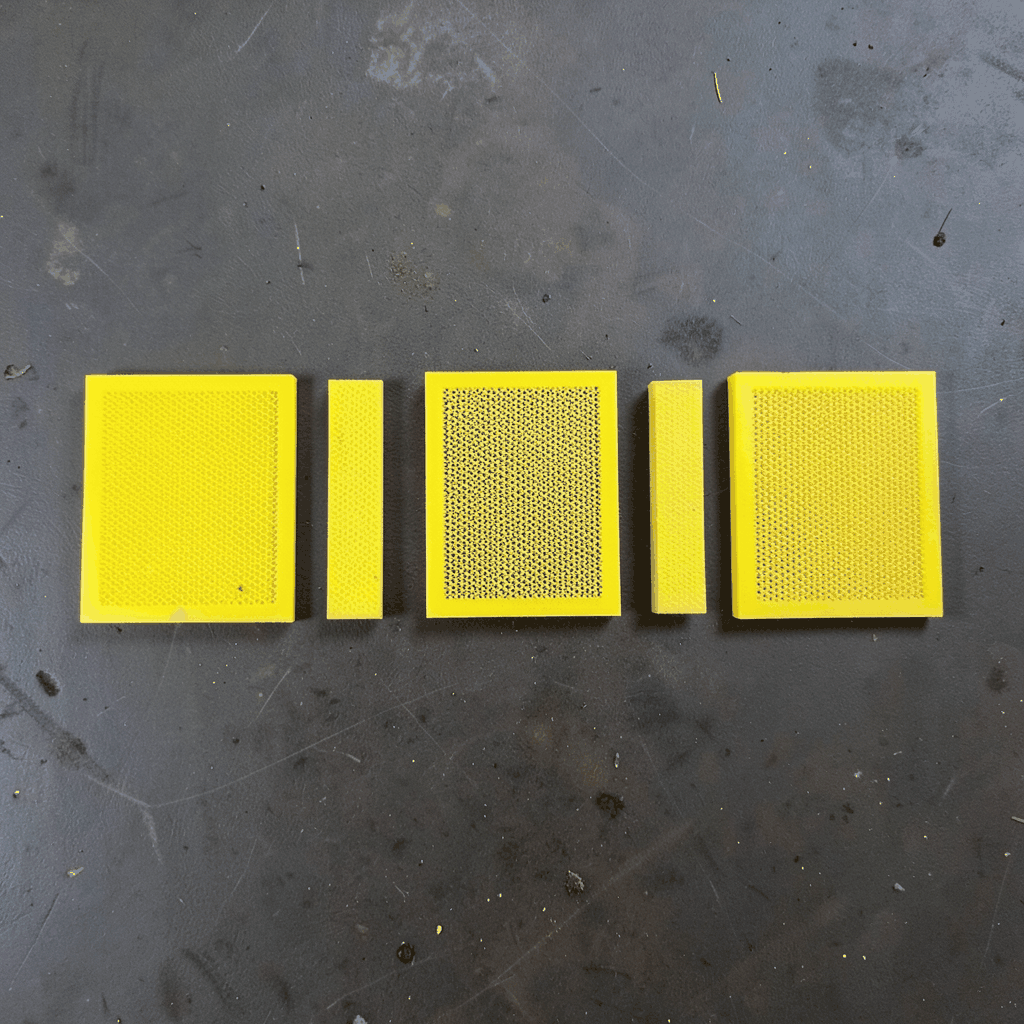
Selecting wire mesh for animal cage flooring and dropping trays
Australia's small-scale livestock keepers, aviary hobbyists, and registered wildlife carers all share a practical problem: their animals need a floor that holds weight, drains waste, and survives the local climate. From suburban Melbourne backyards holding a few laying hens to commercial operations across the Murray-Darling plains, the choice of mesh underneath the birds or rodents directly influences hygiene, animal welfare, and the amount of time spent each week on cleaning. A well-chosen wire mesh floor paired with a properly designed dropping tray is one of the simplest ways to keep coops, hutches, and aviaries sanitary in a country where summer temperatures regularly push past forty degrees and coastal humidity accelerates corrosion.
Choosing the right product is rarely a matter of simply picking the cheapest roll off the shelf. Aperture size determines whether a chick's foot gets trapped or a python's belly stays uninjured. Material grade decides whether the mesh lasts one wet winter in Brisbane or fades after a single cyclone-season wash-down. The sections below outline what matters when specifying wire mesh for cage flooring and how dropping trays are engineered to work with that flooring, drawing on the conditions and standards relevant to Australian users.
Material options suited to Australian conditions
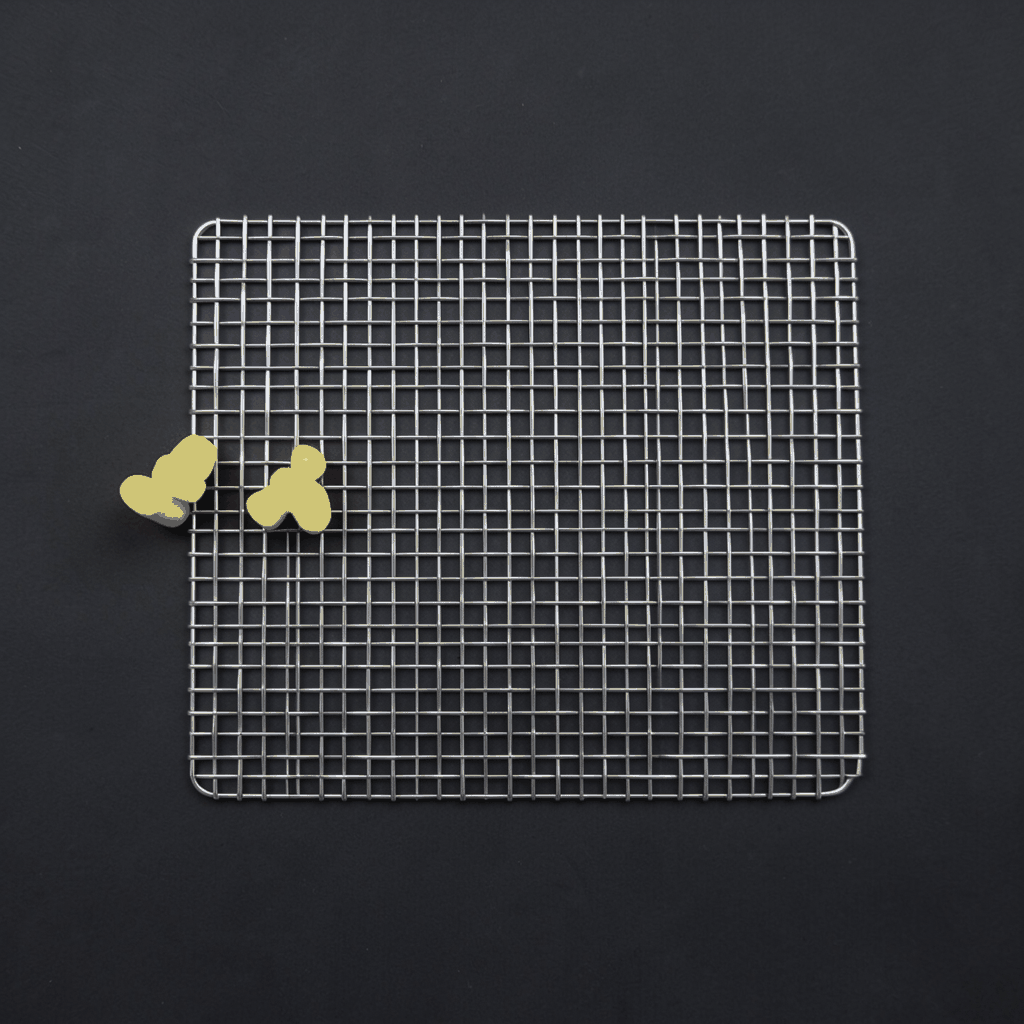
The three metals most commonly supplied for cage flooring are galvanised mild steel, stainless steel, and aluminium, each with a clear use profile. Galvanised welded mesh remains the workhorse of the Australian poultry and rabbit industries because it combines acceptable corrosion performance with a low price per square metre. For backyard coops in Adelaide or hobby quail pens in Perth's outer suburbs, hot-dip galvanising to AS/NZS 4680 typically delivers a decade of service before red rust appears.
Stainless steel is the upgrade path. Grade 304 suits most inland and southern applications, including aviaries in Hobart or guinea pig cages in Canberra's dry climate, while grade 316 contains molybdenum, which resists the chloride-rich air found along the Sydney–Newcastle corridor, Perth's coastal suburbs, and the Gold Coast. For saltwater crocodile enclosures or coastal wildlife parks, 316 mesh is standard.
Aluminium and aluminium alloys are noticeably lighter, which helps when fabricating large aviary panels that need to be lifted by one person. They do, however, deform more easily under point loads, so they are usually reserved for smaller birds, finches, and budgerigars rather than heavier livestock. Woven aluminium is also widely used as a light partition inside transport crates.
Aperture size, wire gauge and weave pattern
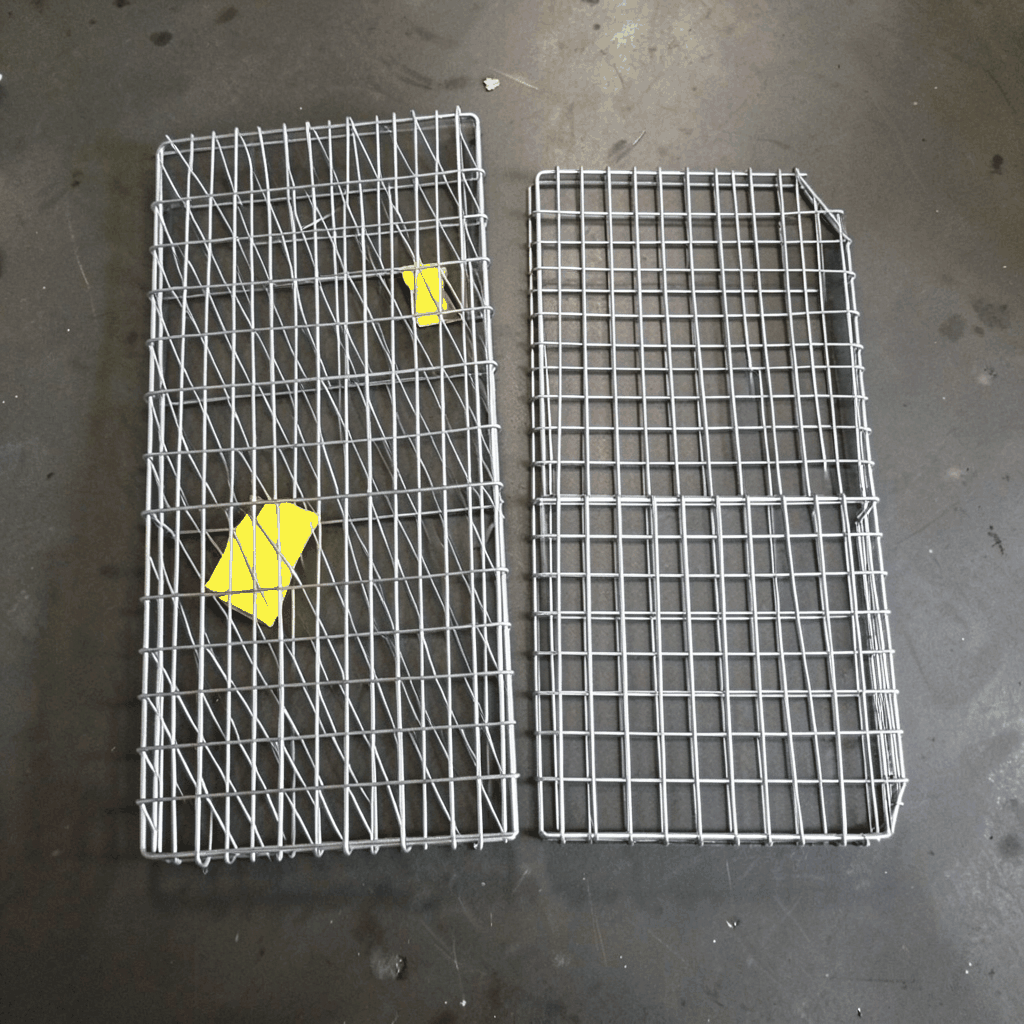
Aperture selection is dictated almost entirely by the animal. RSPCA Australia husbandry guidance, widely circulated among hobby keepers and commercial growers alike, calls for flooring that prevents foot entrapment while still allowing waste to fall through. A typical laying hen copes well with welded mesh of 25 mm aperture and 3 mm wire, which is the industry default for the egg sector in Victoria and New South Wales. Quail need smaller openings, often 13 mm, to prevent chicks from slipping out and to keep toes from splaying on wide spans.
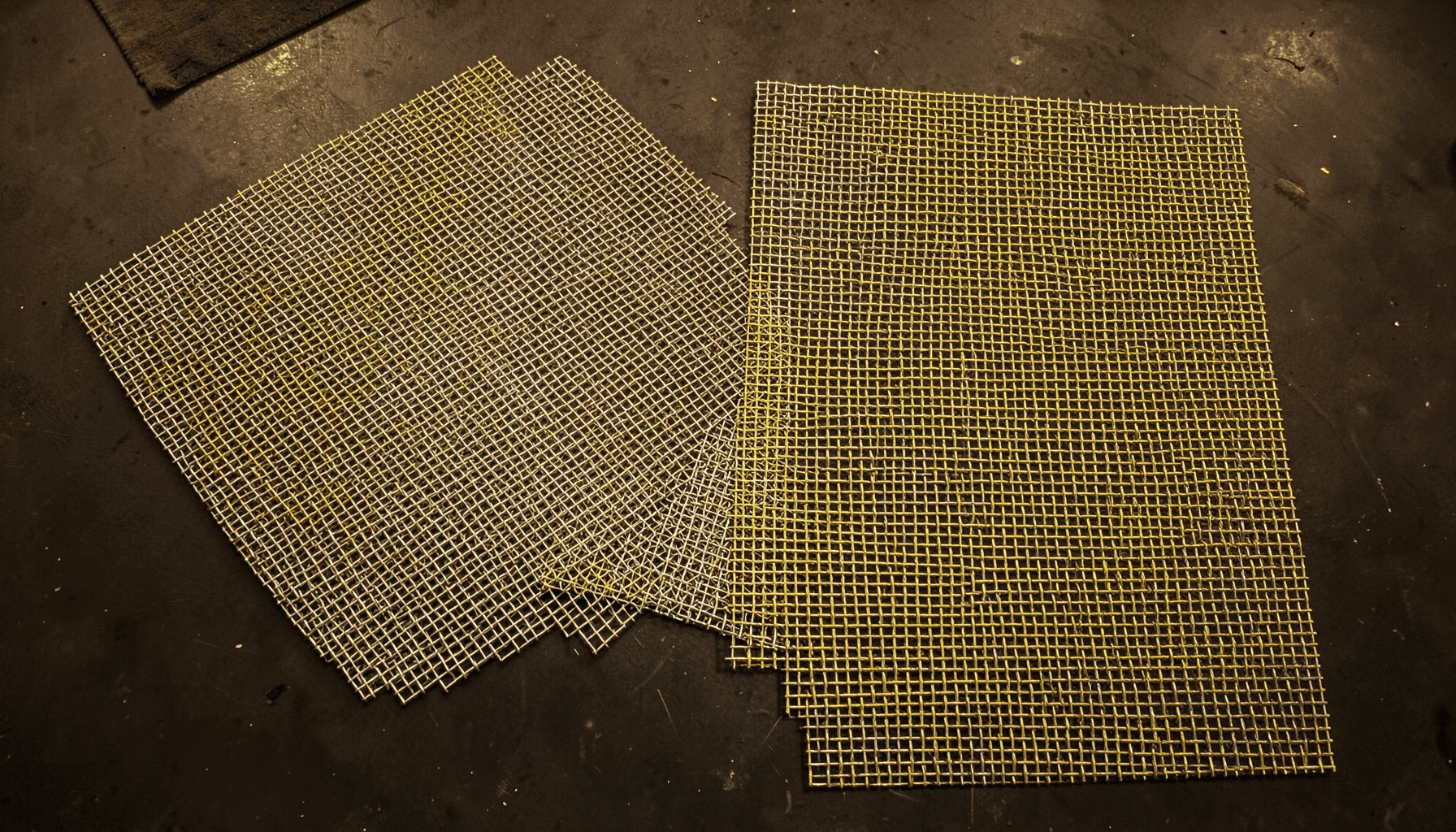
Welded mesh is preferred where flatness matters: under rabbits, beneath heavy roosters, or as the upper surface of a two-tier hutch. Woven hexagonal netting (commonly called hex mesh or chicken wire) is more flexible and cheaper, but it has memory and can sag under load, which leads to uneven waste collection. For reptiles, including the bluetongue lizards and bearded dragons kept indoors in Australian homes, fine woven mesh with apertures under 6 mm prevents toe injuries. Reptile keepers in Brisbane's tropical suburbs often opt for stainless woven mesh because it tolerates regular misting without pitting.
Wire gauge is the second lever. Heavier wire resists impact damage from larger animals and stops a determined dog or fox from chewing through, while lighter gauges reduce cost on wall partitions that bear no load. For heavy roosters and breeding bucks, 4 mm wire is common; for partition walls, 2 mm to 2.5 mm is usually adequate.
Dropping tray engineering beneath the floor
The dropping tray, sometimes called a manure tray or waste pan, sits below the mesh floor and is what keeps a coop habitable between cleans. The most common Australian design is a removable galvanised steel pan with raised edges, fitted to slide out from the side or front of a hutch so the keeper can scrape it without entering the enclosure. For chicken tractors used in rotational pasture systems outside Ballarat, slide-out trays make weekly pasture moves cleaner and faster.
Tray depth is set by bird size and cleaning frequency. A 30 mm-deep pan works for canaries and finches, while 60 mm to 80 mm pans are used under quail and small bantams so the waste does not overflow before the next cleaning. Some manufacturers add a slight forward slope so liquid drains to one end, where a small outlet can be fitted to a hose for flushing directly into compost. This is common in larger duck and geese operations around the Murray-Darling irrigation districts, where waste is reused as fertiliser on adjacent lucerne stands.
The tray material matters. Galvanised mild steel suits most situations but will pit where bird urine and moisture sit for prolonged periods, especially in humid coastal climates. Stainless steel trays cost more but are almost maintenance-free. A growing number of Australian makers line standard galvanised trays with heavy-duty food-grade plastic, which combines the strength of steel with a surface that rinses clean in seconds. For outdoor rabbitries that experience heavy summer downpours, a sealed tray prevents effluent from contaminating the soil beneath the hutch, a concern for keepers near environmentally sensitive waterways.
Climate, corrosion and cleaning cycles
Australia is a continent of extremes, and the same mesh grade performs very differently in Hobart's cool marine air than in Townsville's tropical humidity. Coastal salt spray attacks unprotected ferrous metals within months, which is why many Perth and Sunshine Coast installers now specify stainless grade 316 or heavy hot-dip galvanising with a minimum coating mass of 600 g/m². Inland, ultraviolet exposure is the greater threat; UV breaks down any exposed plastic coating on welded mesh and fades aluminium over time, though this is mostly cosmetic.
Cleaning cycles also influence material selection. Acid-based sanitisers used to control coccidiosis in poultry will quickly strip galvanising if used at full strength, so keepers using such products regularly often prefer stainless or aluminium mesh from the start. Steam cleaning, popular in commercial aviaries around Brisbane's western suburbs, places similar demands on the coating and rewards a thicker galvanising layer or a fully stainless installation.
Where mesh meets the tray, the joint is the weak point. Welded mesh should be folded or hemmed at the edge so the cut wire does not sit in pooled moisture on the tray floor. A continuous weld or a folded lip extends the service life of both components and protects the keeper from sharp cut ends during cleaning.
Compliance, welfare and sizing standards
Australian keepers operate within a layered set of guidelines. The Model Code of Practice for the Welfare of Animals — Domestic Poultry lays out minimum space and floor requirements for commercial layers and broilers. RSPCA Australia's Approved Farming Scheme standards apply to certified producers and influence what retail buyers expect from caged-egg alternatives. For the hobbyist, state-level prevention-of-cruelty legislation in New South Wales, Victoria, Queensland, Western Australia, South Australia, Tasmania, the Northern Territory and the ACT sets the floor beneath welfare considerations.
Sizing is calculated from the animal, not the cage. A standard laying hen requires at least 0.4 m² of floor space inside the coop and continuous access to a run, which drives the mesh panel size and the tray beneath it. Rabbits need solid resting zones as well as mesh, and keepers following RSPCA rabbit husbandry guidance often use a partial solid mat over the wire to prevent sore hocks, particularly for heavier breeds kept through a Mildura summer.
For native wildlife rehabilitators working with possums, kangaroo joeys, or orphaned parrots, mesh aperture must prevent both escape and injury, while trays are often replaced by fleece liners for joeys. Custom mesh solutions are routine in this sector because standardised commercial sizes rarely match the smaller, more delicate requirements of native species.
Specifications worth confirming with your mesh supplier
- Steel grade and finish: request mill certificates showing 304 versus 316 stainless, or the galvanising coating mass in grams per square metre, so you can match material to your local climate.
- Aperture tolerance: confirm the actual aperture range, because welded mesh from some factories varies by 1–2 mm, which can matter for quail or reptile use.
- Wire diameter and tensile strength: heavier wire resists denting but adds weight; specify a load class suited to the animals being housed.
- Tray fit dimensions: supply drawings of the cage so the supplier can pre-form the mesh with folded edges or welded flanges that match the tray.
- Edge treatment: ask for hemmed, welded, or powder-coated edges where the mesh meets the tray, to prevent cut-wire corrosion and injuries during cleaning.
- Sample panels: a small offcut tested in your own cleaning cycle, including your usual sanitiser, will reveal coating failures far earlier than a written warranty.
- Documentation for import compliance: ensure the supplier can provide customs paperwork, country-of-origin declarations, and any certificates required for entry through Australian biosecurity at the port of arrival.
A reliable mesh floor and a well-engineered dropping tray do more than keep an enclosure tidy; they reduce labour, protect animal health, and extend the working life of the equipment itself. For Australian keepers balancing coastal humidity, summer heat, and a wide range of species, custom-specifying both the mesh and the tray from a manufacturer that understands these conditions is the simplest path to a cleaner coop and healthier animals. Shuo Ke Wire Mesh Product Technology Co., Ltd. supports buyers across Melbourne, Sydney, Brisbane, Perth and regional centres with custom-cut mesh panels and matched galvanised or stainless dropping trays, with documentation prepared for Australian import and biosecurity requirements.