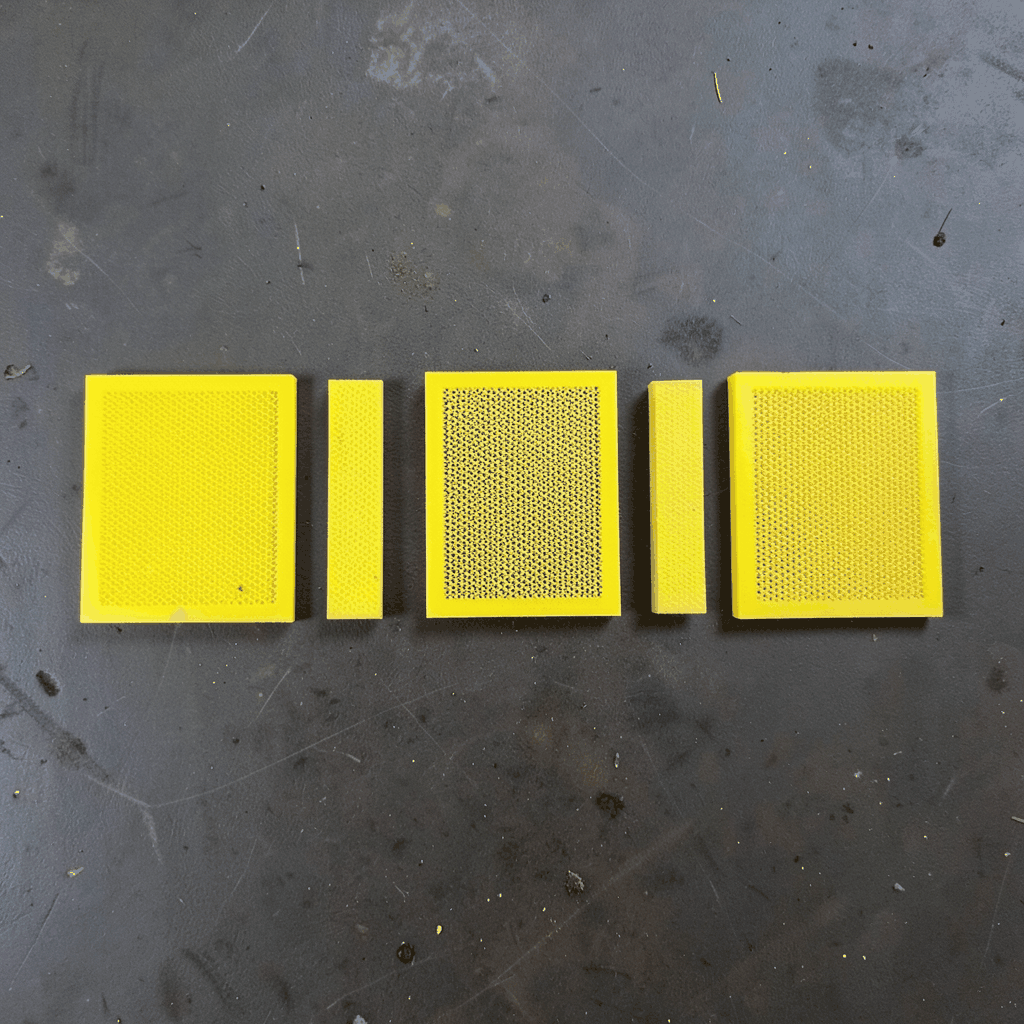
Wire Mesh Solutions for Anti-Vibration Pads and Machinery Mounts
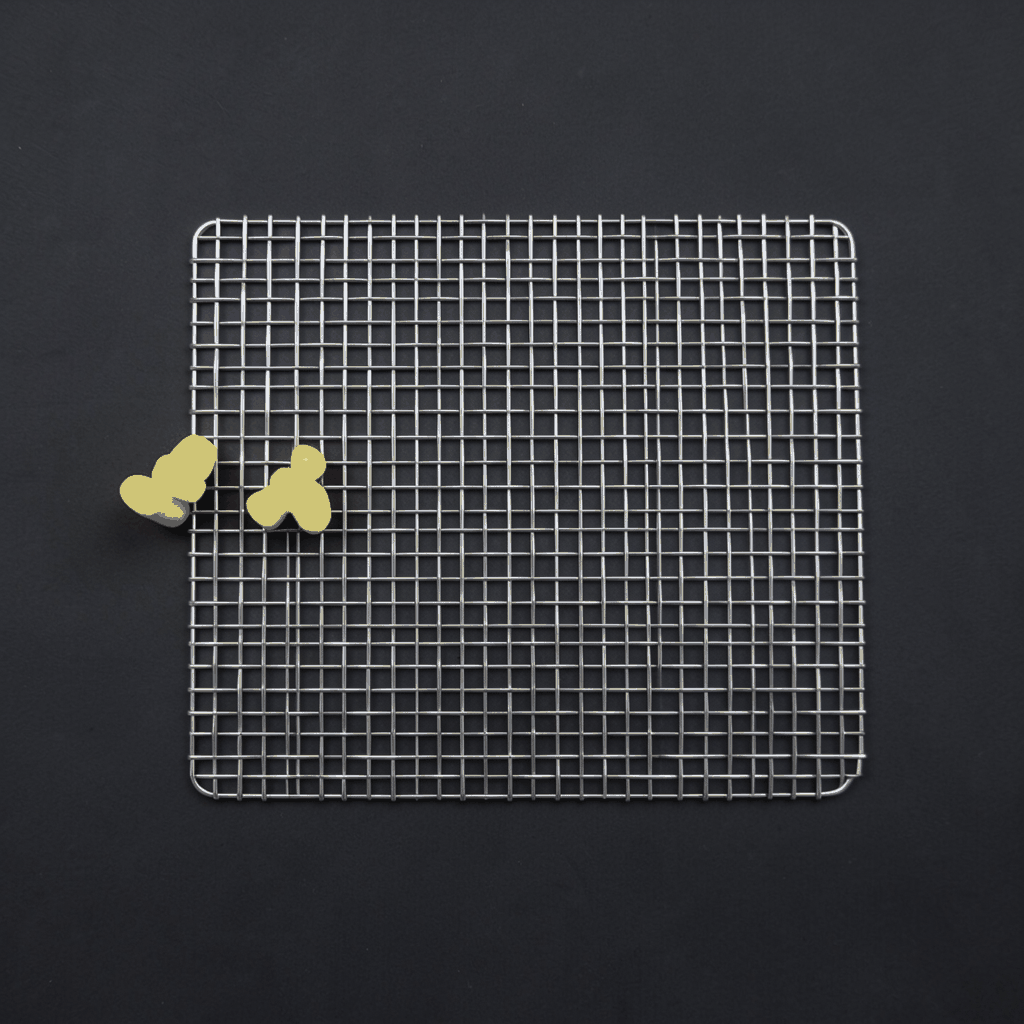
Wire mesh plays a quiet but essential role beneath the machines that drive Australian factories, quarries, processing plants, and high-rise buildings. When heavy equipment such as motors, pumps, compressors, and vibrating screens must be isolated from the structure beneath them, engineered mesh components provide a resilient, load-bearing interface between steel frames and concrete slabs. The open geometry of woven or welded mesh lets it compress progressively, absorb cyclic energy, and recover its shape over thousands of duty cycles.
In Australia, where mining operations stretch from the Pilbara to the Hunter Valley, and where coastal humidity and salt-laden air attack unprotected metal, the choice of mesh grade and weave pattern directly influences how long a mount will last. Producers like Shuo Ke Wire Mesh Product Technology Co., Ltd. cut, form, and press mesh into vibration-dampening pads tailored to specific load ratings and operating environments across residential, commercial, and heavy-industrial settings.
Material Selection for Australian Conditions
The first decision when specifying a mesh-based isolator is the alloy. Stainless steel 304 is the most common choice for general industrial mounts because it offers a good balance of cost, strength, and corrosion resistance. For sites near the surf at Coogee, along Melbourne's Port Phillip Bay, or in the cyclone-prone industrial suburbs of Darwin, stainless steel 316 is the safer option thanks to its molybdenum content and superior resistance to chloride pitting. Where weight savings matter, such as under portable generator sets used by FIFO crews in remote Western Australian camps, aluminium mesh provides decent damping at a lower mass.
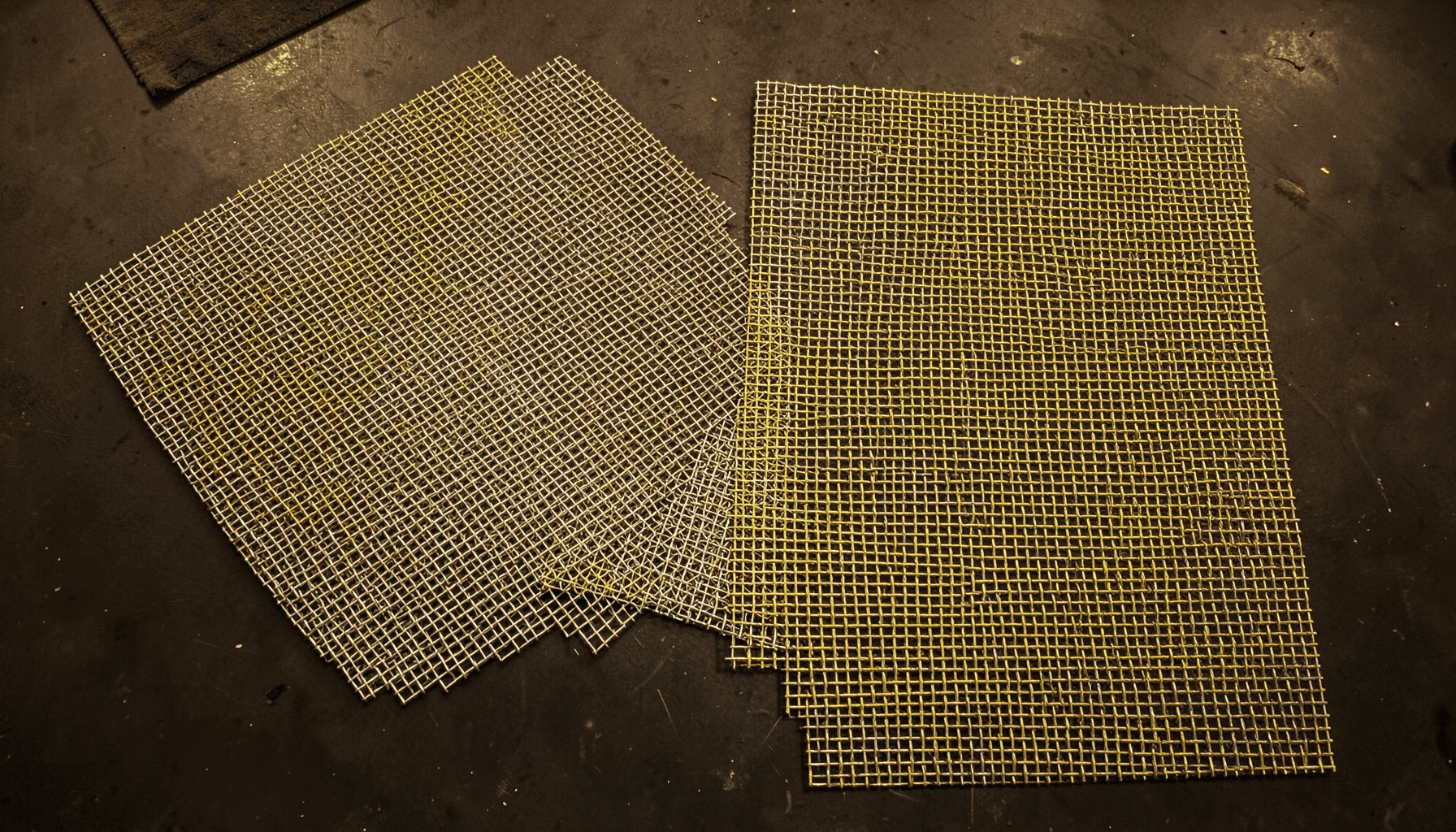
Galvanised steel mesh remains relevant for dry, inland applications such as grain handling sheds in the Wimmera or crusher houses in central Queensland. Copper and brass mesh occasionally appear in sensitive electrical installations where stray currents might accelerate galvanic corrosion, though these alloys are softer and tend to be reserved for lighter loads. Whatever the alloy, the wire diameter and the spacing between adjacent wires determine how the pad behaves under sustained compression, and Shuo Ke supplies a wide catalogue of mesh densities so engineers can fine-tune the spring rate of each mount to its machine footprint.
How Wire Mesh Provides Damping
Anti-vibration mounts work by converting kinetic energy into a small amount of heat as the pad compresses and rebounds. Woven wire mesh performs this task particularly well because each crossover point acts as a micro-spring, and the lattice as a whole deforms smoothly rather than yielding all at once. When a vibrating motor or a hammer-mill screen transmits its rhythm through the base frame, the mesh pad deflects slightly, dissipates the impulse, and returns to its original geometry within the next cycle.
The open pores also matter. Closed-cell rubber pads can trap heat and harden over time, while a mesh pad allows airflow and moisture to escape, reducing the risk of rot or mildew in damp conditions. The combined mechanical and thermal behaviour is what makes metal mesh a dependable choice in environments such as the boiler rooms of Sydney hospitals, the pump skids of Brisbane wastewater plants, and the air-handling units sitting on the rooftops of Perth shopping centres. The mesh essentially behaves as a stack of micro-springs, and its effective spring constant can be calculated from wire diameter, aperture size, and pad thickness.
Applications in Mining and Heavy Industry
Australia's resources sector relies on machinery that vibrates intensely for long shifts. Vibrating feeders, grizzly screens, cone crushers, and conveyor drive heads run almost continuously at processing plants such as those dotted around Mount Isa, Kalgoorlie, and the Bowen Basin. Each of these machines benefits from a resilient mount beneath its frame, and wire mesh pads are often used in series with rubber isolators to combine load capacity with damping.
Because these sites run under regulations enforced by Resources Safety & Health Queensland and the Department of Mines, Industry Regulation and Safety in Western Australia, mounts must be predictable and traceable. Wire mesh pads supplied by Shuo Ke can be batch-coded and tested for compression set, which helps site engineers document replacement intervals and comply with the strict workplace safety expectations that apply to heavy plant maintenance. The same approach applies to mobile crushing equipment and train-loadout conveyors that support fly-in fly-out workforces living in camp accommodation hundreds of kilometres from the nearest service centre.
Commercial Building and HVAC Applications
Outside the resources sector, mesh mounts appear in the plant rooms of high-rise office towers in Sydney and Melbourne, in the basement levels of Canberra's institutional buildings, and in the back-of-house zones of large retail centres. Chillers, cooling towers, and air-handling units generate constant low-frequency vibration that, if transmitted into the building frame, can annoy occupants and damage suspended ceilings. Specifiers working under the National Construction Code often call for vibration isolation on every piece of plant above a certain weight, and a precisely engineered mesh pad lets consultants achieve the required isolation efficiency without resorting to expensive spring isolators.
In acoustic-sensitive environments such as recording studios, hospital imaging suites, or the inner sanctums of performing arts venues, layered mesh pads can also be combined with mass-loaded vinyl to lift the natural frequency of the mount above the disturbance frequency. The result is a quiet, stable platform for sensitive electronics and instruments, with the bonus that stainless mesh will not outgas, rust, or shed fibres into the surrounding airspace.
Design Considerations and Mesh Specifications
Selecting the right mesh pad involves more than choosing a stock sheet. Engineers usually begin with the static load on each mount and the operating frequency of the machine, then work backwards to determine the required deflection and natural frequency of the isolator. From there, mesh parameters such as wire diameter, weave pattern, aperture size, and overall pad thickness are refined until the spring rate matches the target.
Common design parameters to weigh when specifying a mesh-based isolator:
- Wire diameter ranging from 0.5 mm for light HVAC fans up to 3.0 mm or more for crusher bases
- Aperture size selected to balance airflow with the desired spring constant
- Pad thickness usually between 10 mm and 50 mm, often built from multiple layers
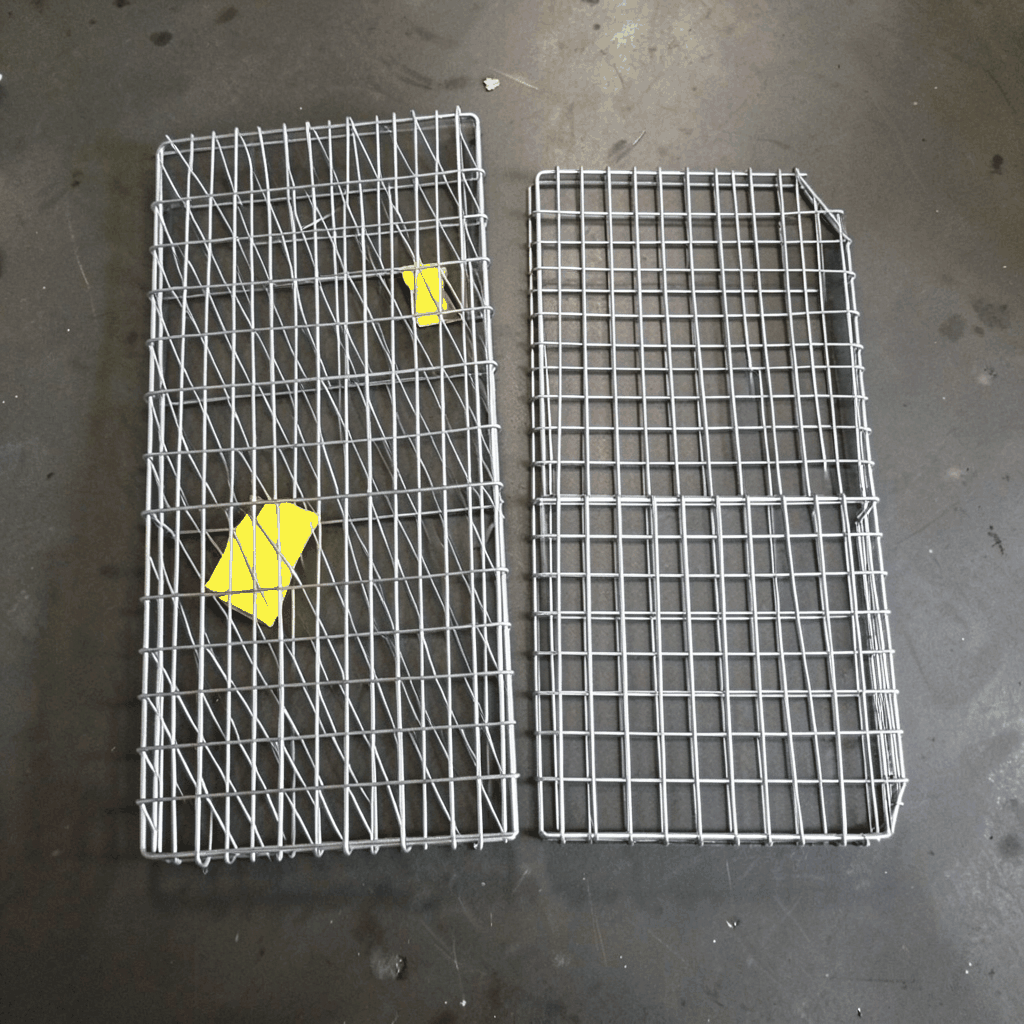
- Edge treatment such as pressed frames or welded rings to stop fraying in service
Local fabricators can also supply pads with drilled fixing holes, anti-slip textured faces, or bonded rubber facings for installations where the mount must resist shear forces as well as vertical load. Shuo Ke routinely works from customer drawings to produce these customised configurations in small or production runs.
Compliance with Australian Standards and Safety Frameworks
Anti-vibration mounts fall under a number of overlapping Australian frameworks, and specifying the right wire mesh pad helps engineers demonstrate compliance. The Work Health and Safety Act and the associated state regulations require that machinery be suitably guarded and that risks from vibration, noise, and structural fatigue be reduced so far as is reasonably practicable. Safe Work Australia's guidance on managing risks of plant in the workplace points employers toward engineered controls such as resilient mounts, and keeping those mounts in serviceable condition is part of the documented maintenance schedule.
Relevant standards and guidance commonly referenced in Australian projects:
- AS/NZS 3678 for structural steel used in surrounding frames and bases
- AS/NZS 4024 for safety of machinery, including guarding of moving parts
- AS 2676 for installation and maintenance of air-conditioning systems, which references vibration isolation
- State-specific mining codes such as Queensland's Coal Mining Safety and Health Regulation and Western Australia's Mines Safety and Inspection Regulations
Choosing a mesh pad from a manufacturer that can document material certificates, batch testing, and country-of-origin labelling simplifies audits under these frameworks and gives procurement teams in Adelaide, Hobart, or any other state a clear paper trail.
Wire mesh-based anti-vibration pads and machinery mounts offer a robust answer to vibration control across the breadth of Australian industry, from the ore-handling plants of the Pilbara to the rooftop chillers of Brisbane's inner city. For tailored mesh solutions, custom fabrication, and technical data sheets, contact Shuo Ke Wire Mesh Product Technology Co., Ltd. with your load ratings, operating environment, and dimensional requirements, and request a quotation for prototype samples before committing to full production.