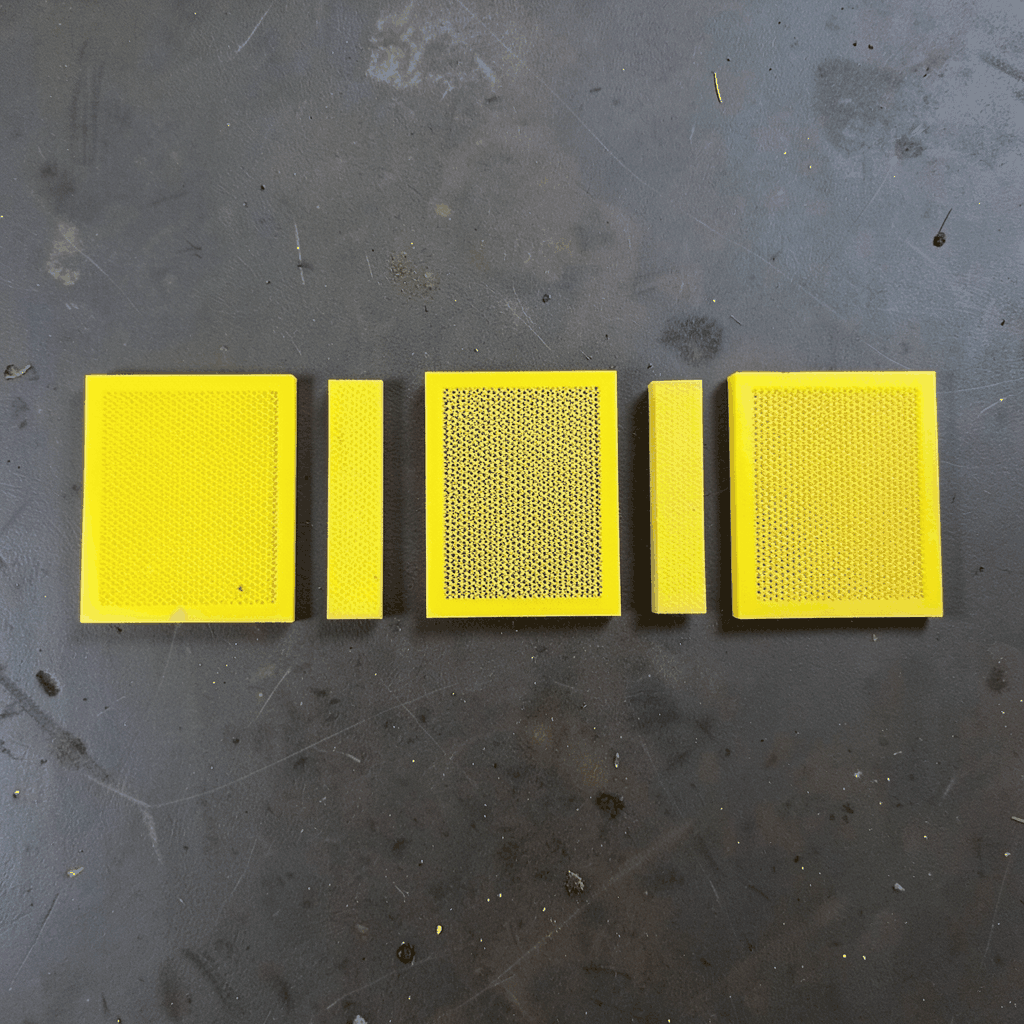
Wire Mesh for Aquaculture Fish Cage and Net Pens
Aquaculture operators need enclosure systems that protect stock, withstand constant water movement, and remain practical to clean and maintain. Wire mesh for aquaculture fish cage and net pens can provide a strong alternative to flexible netting where a project requires defined openings, impact resistance, and a long service life. The right specification depends on fish species, water chemistry, cage dimensions, predator pressure, and the handling equipment used on site.
For Australian farms, the operating environment varies widely. A lease in Tasmania may face cold, highly oxygenated seawater and heavy swell, while a Queensland site must account for intense ultraviolet exposure, warm water, storms, and seasonal cyclone conditions. Freshwater farms near regional centres also need an enclosure that works with harvest routines, algae control, biosecurity procedures, and local access conditions.
Choosing Metal Mesh For Aquaculture Enclosures
Stainless steel is often selected for marine fish cages and net pen components because it combines tensile strength with good resistance to corrosion. Grade selection still matters. In sheltered freshwater conditions, a suitable stainless alloy may provide reliable performance, while saline, warm, or polluted water can require a higher corrosion-resistant grade. Crevice corrosion, galvanic contact, and deposits around fasteners should be considered during design rather than after installation.
Aluminium offers lower weight and can be useful for floating frames, access panels, walkways, and removable covers. It is easier to handle during maintenance, which can be valuable for smaller operators or sites where workers move equipment by hand. Copper and copper alloys may be considered for specialist anti-fouling applications, but their use must be reviewed carefully because dissolved copper can affect aquatic organisms and may be restricted by environmental conditions or farm approvals.
Iron and carbon steel can provide economical strength for land-based tanks, protected freshwater applications, or components that receive a suitable protective finish. They are less suitable for unprotected seawater exposure because coating damage can quickly lead to corrosion. For any material, the specification should state wire diameter, opening size, weld quality, surface finish, edge treatment, and the expected service environment. A mesh supplier with fabrication capability can produce panels, rolls, baskets, screens, and custom frames to match the cage structure.
Material verification is useful when a project involves demanding loads or a long replacement cycle. Operators and engineers can use suitable testing equipment to assess material properties, coating performance, or production samples before large quantities are installed. This creates a clearer record for procurement and quality control.
Designing Mesh Openings And Cage Structure
Mesh aperture must be matched to the fish size, growth stage, stocking density, and surrounding water conditions. An opening that is too large can allow juveniles to escape or permit predators to enter. An opening that is too small can restrict water exchange, trap organic matter, and increase fouling. A farm may therefore use different panels or liners during hatchery, nursery, grow-out, and harvest stages.
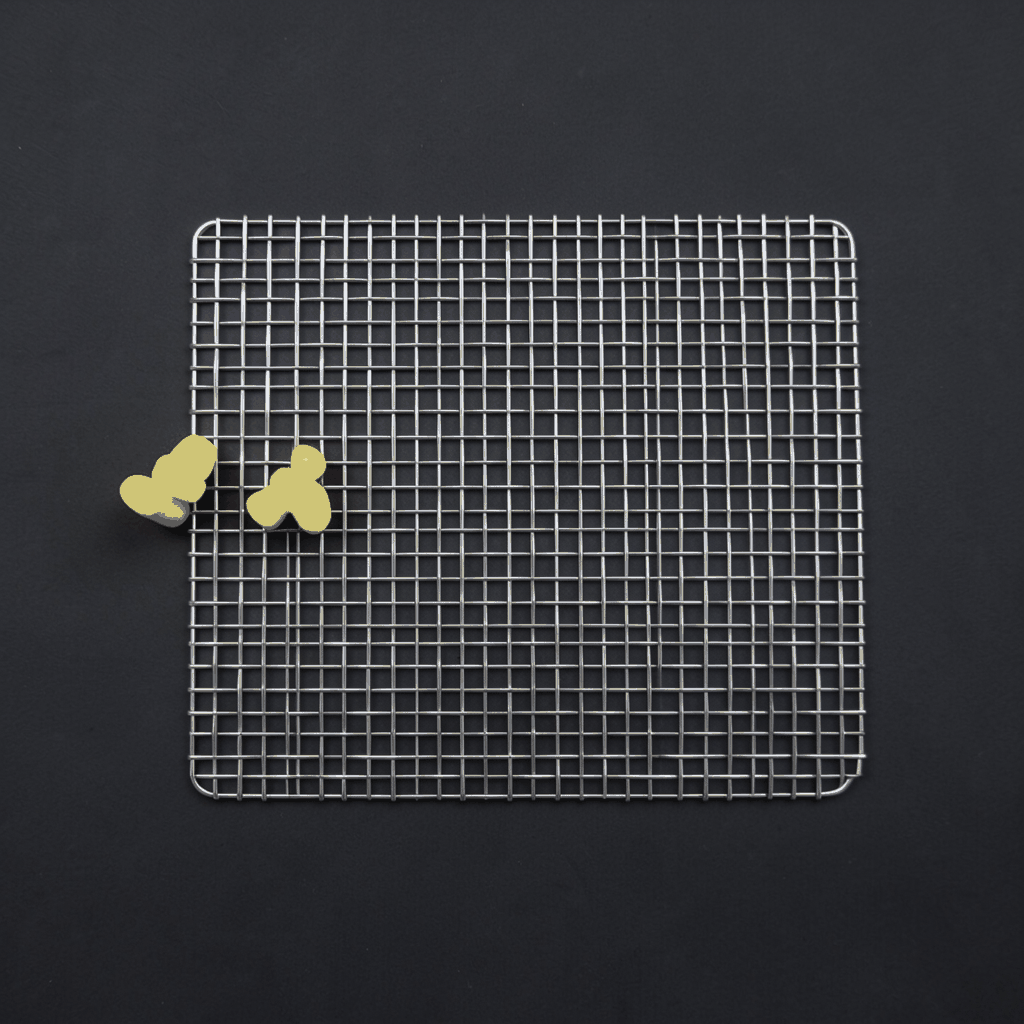
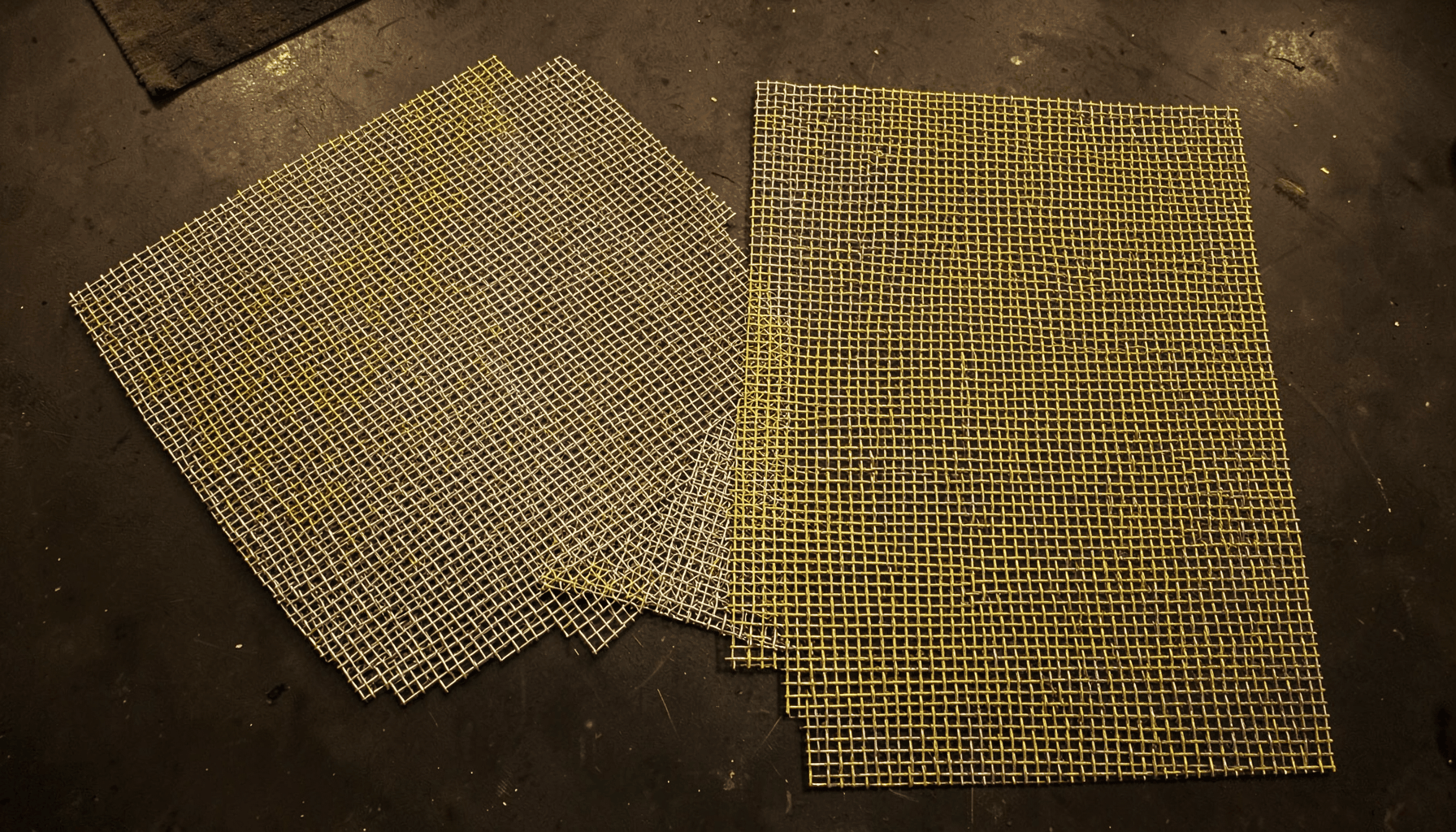
Welded wire mesh provides consistent square or rectangular openings and a stable surface for framed panels. Woven mesh can offer flexibility and may suit certain curved or removable components, although it needs careful attention to edge retention and deformation. Expanded metal is generally more appropriate for walkways, guards, or structural screens than for every fish-contact surface, since its shape and edges must be assessed for stock safety.
The cage frame should distribute hydrodynamic loads through braces, corner joints, flotation supports, and anchoring points. In open-water pens, waves and currents apply repeated forces rather than a single static load. A panel that appears strong in a workshop may deform when fouled with marine growth or struck by floating debris. Engineers should account for water depth, current speed, wave exposure, mooring geometry, storm conditions, and the weight of attached equipment.
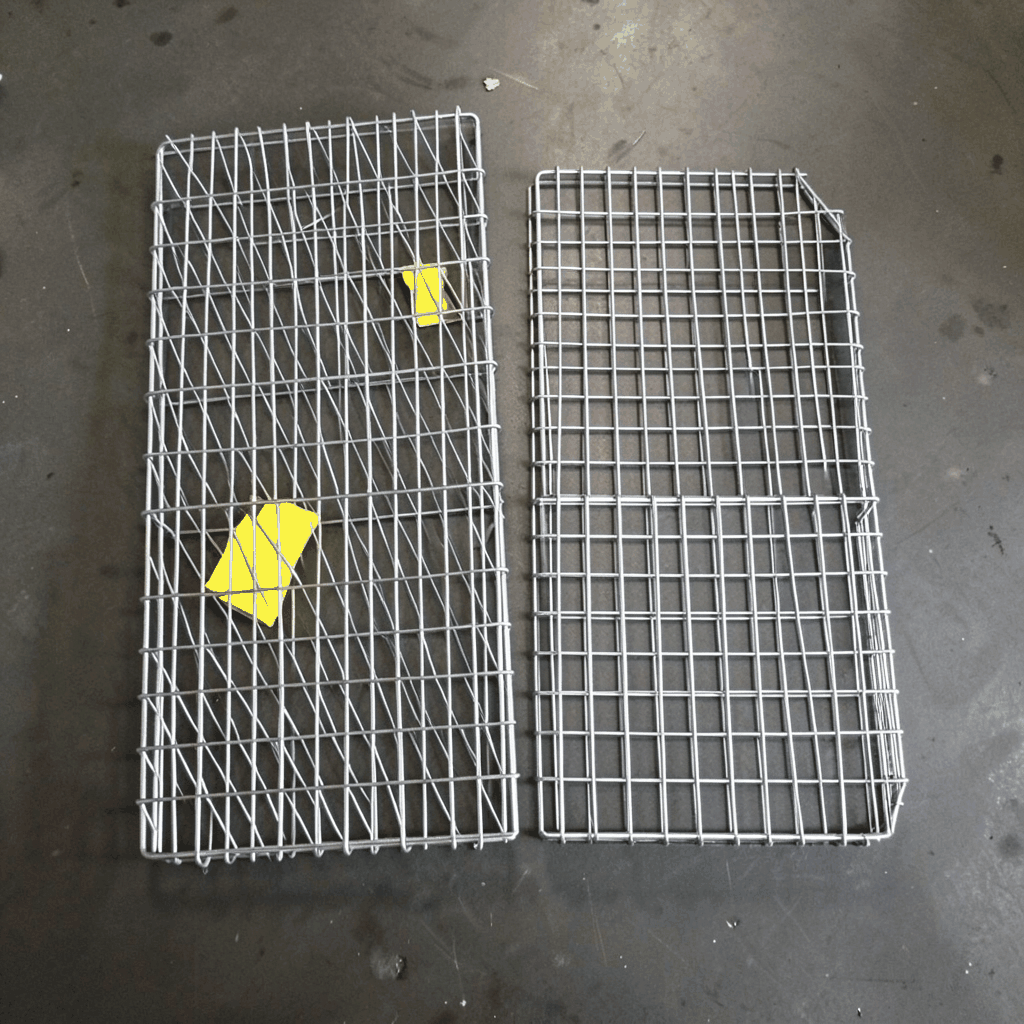
Removable mesh sections can simplify grading, harvesting, inspection, and emergency repairs. Hinged access gates, lifting lugs, reinforced corners, and smooth perimeter bars help workers handle panels without damaging gloves or clothing. For sites around Port Lincoln, Hobart, or the Great Barrier Reef region, cage design should be adapted to local weather windows and transport routes rather than copied directly from a sheltered inland installation.
Managing Corrosion, Fouling And Predators
Saltwater corrosion is one of the main service-life concerns for metal fish cages. Stainless mesh can still deteriorate when salt, silt, organic matter, and low-oxygen deposits remain trapped in joints. The design should avoid unnecessary crevices, provide drainage where appropriate, and separate dissimilar metals with compatible isolators. Fasteners, hinges, clamps, and weld zones deserve the same attention as the main mesh sheet.
Biofouling reduces effective mesh area and can restrict oxygen-rich water from reaching the stock. Mussels, barnacles, algae, and other organisms may also add substantial weight to a pen. Cleaning methods should be selected with regard to the material finish, fish welfare, water quality, and site permit. Smooth surfaces, accessible panel geometry, and replaceable sections can reduce downtime during cleaning cycles.
Predator protection must reflect the species found at the farm. Seals, birds, sharks, large fish, and rodents can create different risks in different parts of Australia. A rigid stainless barrier may resist biting and tearing better than lightweight netting, but it still needs secure connections and carefully finished edges. A hybrid system can combine rigid mesh near vulnerable lower or upper zones with flexible netting in sections that require greater movement or easier deployment.
Visual inspection should form part of routine farm work. Staff can look for bent wires, broken welds, enlarged openings, loose clamps, coating damage, and marine growth around high-load points. In regional operations, practical repairability matters: replacement panels should be available in manageable sizes, and common fasteners should be compatible with tools carried on the workboat or service vehicle.
Fabrication For Handling And Farm Operations
Custom fabrication allows a manufacturer to adapt mesh products to circular cages, rectangular net pens, raceways, intake screens, predator barriers, and hatchery tanks. Panels can be cut, welded, rolled, framed, perforated, or fitted with brackets according to the installation. This flexibility is particularly useful when an existing farm is upgraded in stages and new equipment must fit older pontoons, walkways, or anchor arrangements.
Edges should be finished so they do not cut fish, damage flexible liners, or create hazards for workers. Bent borders, rolled wire ends, welded perimeter frames, and capped sections can protect exposed edges. Fish-contact surfaces should be checked for sharp projections and rough welds. Where panels are frequently removed, lifting points and handholds can reduce strain during vessel-based maintenance.
Australian farms often work around tides, weather forecasts, transport limits, and labour availability. A mesh section that requires a crane may be unsuitable for a small lease serviced by a workboat, while a very light panel may need excessive bracing once installed. Fabrication drawings should identify panel weight, dimensions, opening size, material grade, weld details, finish, and connection points so that the farm can plan storage, lifting, and replacement.
Quality control should cover dimensional accuracy, weld consistency, surface condition, and traceability of materials. A production sample can be inspected before the full order is made, especially when the mesh is intended for a new species or an unusual water environment. The same discipline applies to baskets, filters, feed guards, and harvest screens used around land-based aquaculture systems.
Australian Compliance And Project Planning
Aquaculture approvals in Australia are managed through a combination of Commonwealth, state or territory, and local requirements. A farm may need to consider a state fisheries or aquaculture licence, lease conditions, environmental assessment, navigation rules, and local planning controls. Projects with potential impacts on protected matters may also fall under the Environment Protection and Biodiversity Conservation Act 1999. Requirements vary by location, species, production method, and proximity to sensitive habitat.
Biosecurity deserves early attention. The Biosecurity Act 2015 operates at the Commonwealth level, while states and territories apply their own controls and movement rules. Equipment transferred between farms, estuaries, rivers, or marine leases may need cleaning, drying, disinfection, or inspection to reduce the spread of pests and diseases. Mesh panels with trapped shellfish, algae, sediment, or organic waste can create a biosecurity problem if they are moved without proper treatment.
Work health and safety obligations also influence the enclosure design. Workers may be handling wet, heavy panels on a moving deck, in strong wind, or around slippery surfaces. Lifting points, access gates, guardrails, non-slip platforms, and safe maintenance clearances should be included from the beginning. For farms near Brisbane, Sydney, Melbourne, or Perth, local port and council requirements may affect vehicle access, fabrication storage, noise, and installation activities.
The domestic aquaculture market values dependable supply, documented specifications, and responsive replacement support. Lead times can be significant when products are made to order and shipped to Tasmania, Western Australia, or northern Queensland. A clear purchase specification should cover the intended water type, fish species, opening size, corrosion exposure, panel dimensions, connection method, finish, quantity, and delivery conditions. Shuo Ke Wire Mesh Product Technology Co., Ltd. can support customised metal mesh solutions for aquaculture infrastructure alongside its wider range of industrial and architectural fabricated products.
A suitable mesh enclosure balances biological protection, structural performance, worker safety, maintenance effort, and regulatory expectations. Share the cage drawings, operating environment, target species, and required panel dimensions with Shuo Ke to develop a practical specification for fish cages, net pens, filters, predator barriers, or related aquaculture equipment.