Durable Mesh Barriers for Australian Farm Buildings
Wire mesh for bird and pest exclusion in agricultural buildings is most effective when it is designed as part of the building envelope rather than as a late addition. The right barrier controls entry while preserving ventilation, drainage and access. A panel that looks suitable on a sample can still fail when stretched around a curved Colorbond shed, exposed to manure washdown or fixed too close to a hot roof.
Australian farms and market gardens use everything from poultry houses and dairies to grain stores and vegetable sheds. Their exclusion needs reflect local birds, rodents, insects, weather and production routines. Specify the target pest and exposure conditions early, then have panels, fixings and access points detailed on a drawing before fabrication starts.
Exclusion Starts at the Building Envelope
Protection starts with identifying how animals move, not simply where a hole appears. Inspect slab edges, roof eaves, ventilation openings, service penetrations and junctions around grain equipment. Birds also follow ledges, shelter and spilled feed, so the mesh may need a different layout at each elevation.
Common bypasses include loose clips, door gaps, torn corners and mesh buried below the reach of digging animals. Mesh fixed only to thin cladding can detach under wind or livestock pressure, leaving the frame fully open. Overlap or folded edges help close direct routes without creating finger traps or wildlife snares.
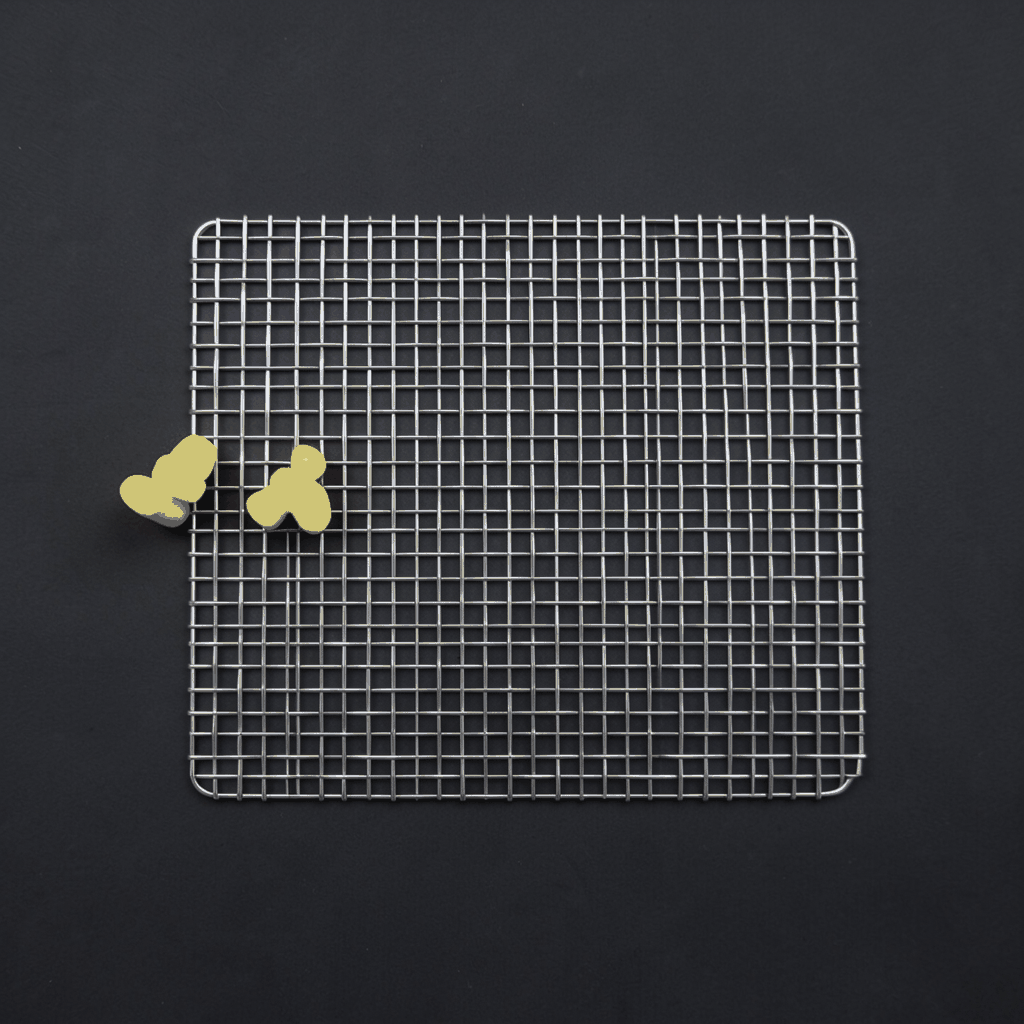
Physical exclusion is passive, visible and cleanable, making it useful where poisoned bait cannot safely be placed. It also provides a repeatable barrier that can be inspected after storms. Properly selected welded wire mesh resists persistent chewing and pressure better than lightweight garden netting, although no material prevents every attack.
Specifications That Control Performance
Specify clear aperture, wire diameter, mesh count and total open area rather than relying on one product name. Clear aperture is the actual gap; mesh count describes density but says nothing by itself about strength, flatness or airflow. For square mesh, the open-area percentage indicates how much of the panel remains unobstructed.
Barrier dimensions must follow the target animal’s body size and behaviour. A 6 millimetre opening may matter for adult mice, while a rodent barrier must also resist bending, chewing and enlargement. Bird exclusions vary for pigeons, small parrots and other local species. Specialist advice or monitored trial panels are preferable to choosing a figure without checking the actual access routes.
Strength includes more than metal grade. Ask about wire diameter, tensile strength, weld quality, panel flatness and the maximum unsupported span. Too much tension can buckle a light panel, while an unsupported edge can deform when stock leans against it. In poultry and crop buildings, maintain enough free area for thermal ventilation; a technically secure screen that overheats the animals is not a successful exclusion system.
Materials for Australian Conditions
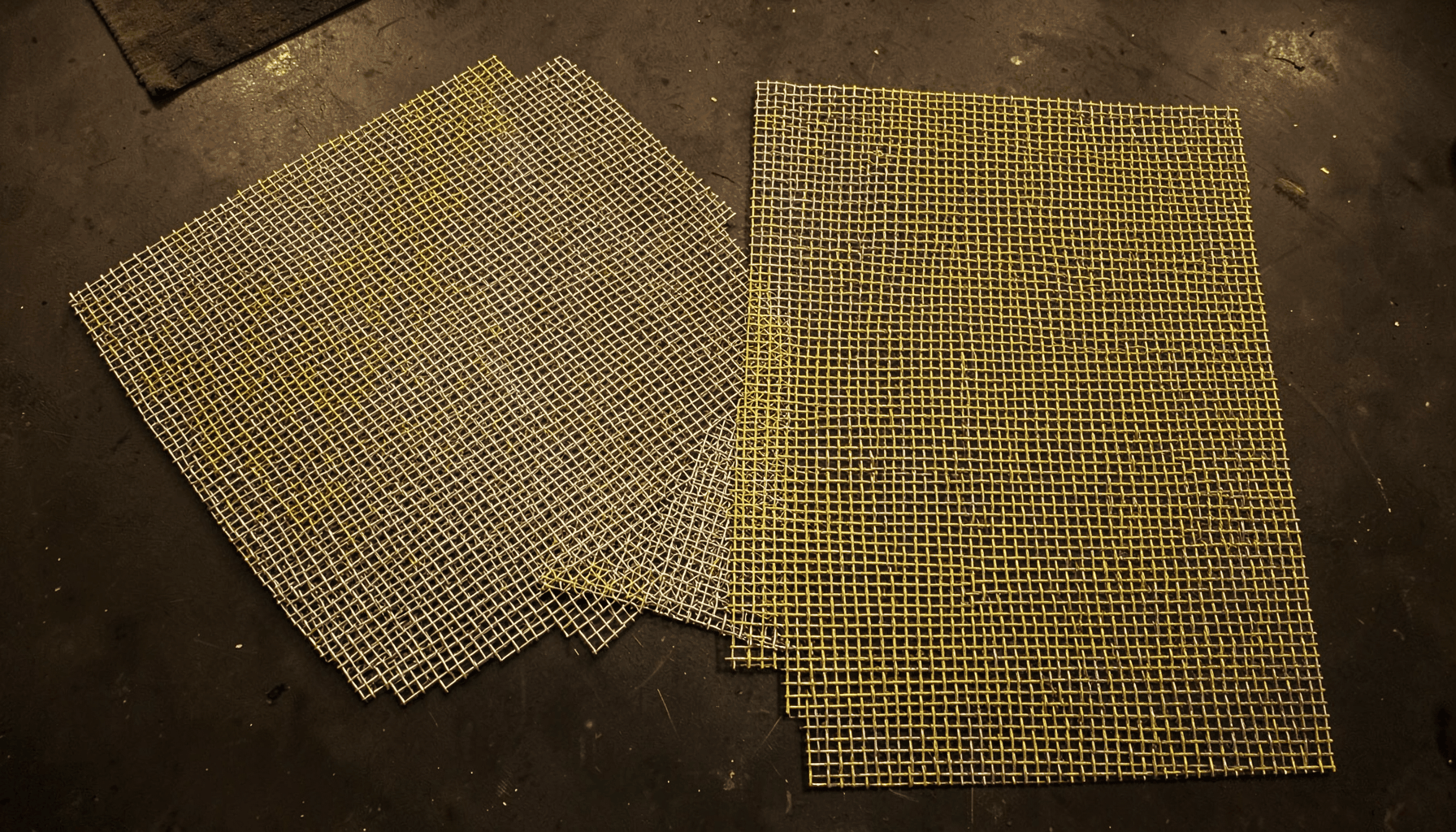
Stainless steel is a common choice because it combines strength, corrosion resistance and cleanability. Grade 304 suits many dry or sheltered premises, while 316 offers added resistance in coastal, humid or chemically aggressive settings. Aluminium is light and easy to fabricate, but it requires compatible isolators and fasteners to prevent galvanic corrosion at contact points. Iron and copper have defined uses, but they are not interchangeable substitutes for structural steel mesh.
Coatings and finishes need as much attention as the alloy. Hot-dip galvanising, powder coating and other systems offer different protection against ultraviolet exposure, salt, manure and fertiliser. Cut edges, welds and drilled holes can become the first weak points, so fabrication and coating sequence should be specified. A written coating warranty is more useful than a vague promise of corrosion resistance.
Australian conditions vary sharply. Melbourne’s peri-urban market gardens and poultry farms need UV-stable finishes, while Brisbane and coastal Queensland bring humidity and salt spray. In regional New South Wales, close-fitting non-combustible barriers may be considered near bushfire exposure, but ordinary mesh must not be sold as a certified ember or fire system. Cyclone-prone northern Queensland also calls for engineering, secure framing and corrosion selection suited to severe wind loads.
Installation Details That Prevent Bypass
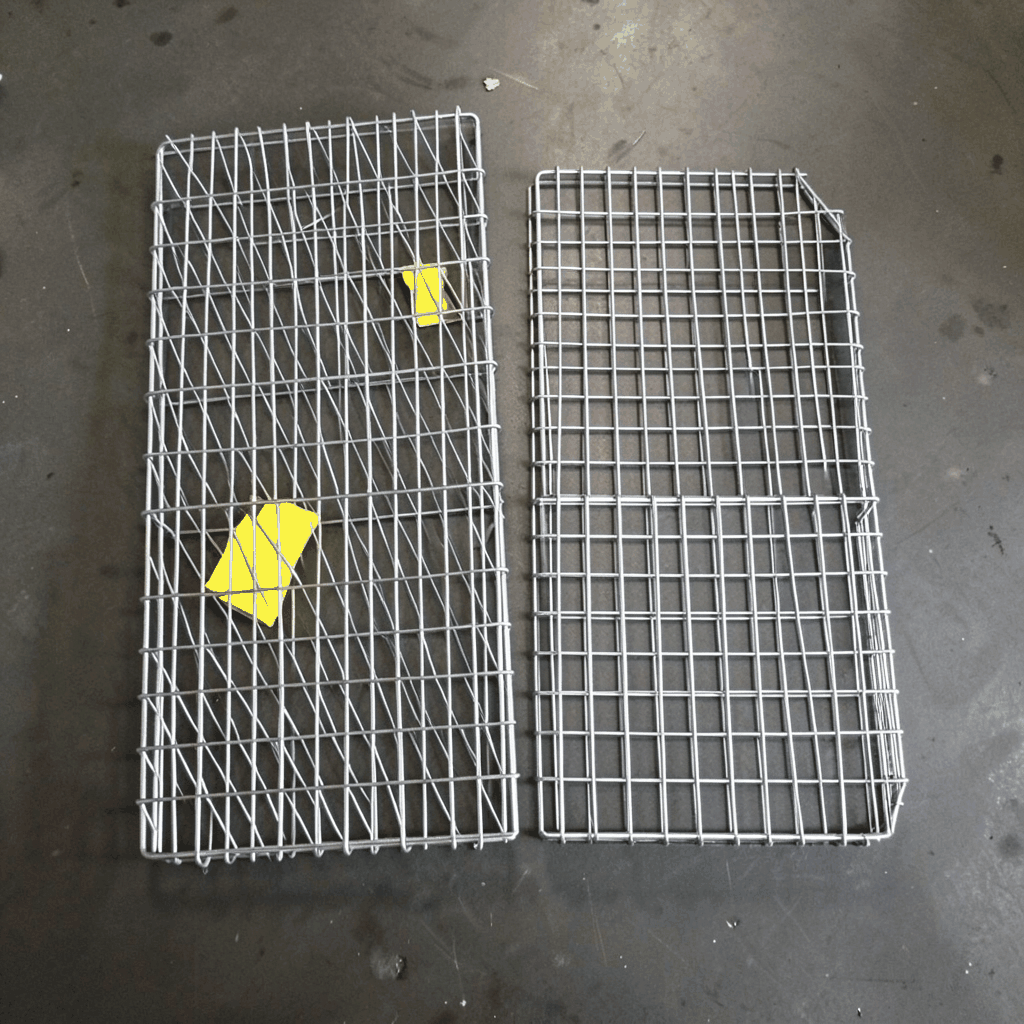
Fix panels to structural posts, purlins or bracing designed to carry wind and livestock loads, not merely to the lightest part of cladding. Bolted tension bars, clips and intermediate supports keep mesh flat without crushing it. Leave room for thermal movement; rigid welded panels should never be tensioned until they buckle.
At ground level, a top barrier can be undermined by rodents, while an unburied apron may be pulled back by animals. Specify a concrete kerb, trench, apron or other detail that suits the site and is compatible with local ground conditions. Gates need equally robust hinges, latches and self-closing action where biosecurity requires it, while remaining safe for people and livestock.
Every service penetration should receive a fitted panel, rigid sleeve or properly seated screen. Leave ventilation intact, but do not assume one vulnerable opening can be compensated for by strong walls. Check roof ridge points, eaves, fan shrouds, feed augers, drain covers and the lower edge of roller doors, as these are recurring weaknesses on Australian sheds.
Different Animals, Different Exclusion Methods
Bird control starts with removing attraction and sealing habitual entry points. Clean grain spills, drain standing water and remove branches or stored equipment that create perches near vents. Rigid welded mesh is often preferable where birds may become caught in loose knots or sagging strands, yet the aperture and open area still need species-specific design.
Rodents require a barrier that remains stable under pressure and repair without creating new gaps. Inspect door thresholds, pipe penetrations and damaged wall edges, then use compatible mesh or purpose-made panels sized for the intended exclusion. Insect exclusion is separate: a panel effective against pigeons can be almost irrelevant to flies, lice or mites, which may require finer screens, sanitation and veterinary management.
Physical barriers should support, not replace, farm biosecurity. Keep entrances clean, control spills, maintain records and follow state or territory biosecurity directions where they apply. A mesh system helps contain pests and make treatment measurable, but poor hygiene or an unclosed loading bay can still undermine the entire building.
Selection and Maintenance Checks
Australian buyers should compare availability, technical support and total installed cost, not just the panel price. Where mesh also forms a fence or gate, a qualified local fabricator can check the applicable requirements, including AS 1722.1 where relevant. Direct-import quotations should also pass through an Australian customs broker so duty, GST, freight, any applicable certification and local handling are visible before comparison.
- Target species, body size, behaviour, chewing pressure and likely entry points
- Clear aperture, wire diameter, mesh count, construction method and open area
- Base alloy, coating, fastener compatibility and cleaning chemicals
- Panel sizes, gate details, fixings, quantities, tolerances and delivery requirements
Before installation, mark every termination, corner, opening and support on the final drawing. The fabricator should state whether cut edges are treated and which fixings are included, avoiding assumptions at handover.
- Inspect after wind or storms for loose bolts, torn mesh, sagging and corrosion
- Wash manure and fertiliser deposits from accessible surfaces using methods approved for the finish
- Repair small damage promptly so openings do not enlarge or encourage chewing
- Keep batch records, maintenance dates and spare panels for future replacement
Standard products available through rural fencing suppliers can suit straightforward enclosures, while custom fabrication is valuable around unusual profiles, specialised access points and high-risk coastal sites. The specification should remain the same from initial sample through delivery, with signed product data and finish records retained for maintenance.
Specify the System Before Ordering Panels
Shuo Ke Wire Mesh Product Technology Co., Ltd. manufactures and processes architectural and industrial metal mesh in stainless steel, aluminium, copper, iron and other alloys. That production range supports custom agricultural barriers, partitions, guards and access screens, provided the final specification is driven by target pests, local exposure and building geometry rather than appearance alone.
Provide the site drawings, target species, aperture constraints, preferred alloy, finish, panel layout, gate requirements, quantity and Australian delivery destination to Shuo Ke for a practical review. Request material data, fabrication details and a quotation that can be checked against Australian site requirements before production. Start the specification before panels are ordered, so every panel, fixing and junction is designed as one working exclusion system.