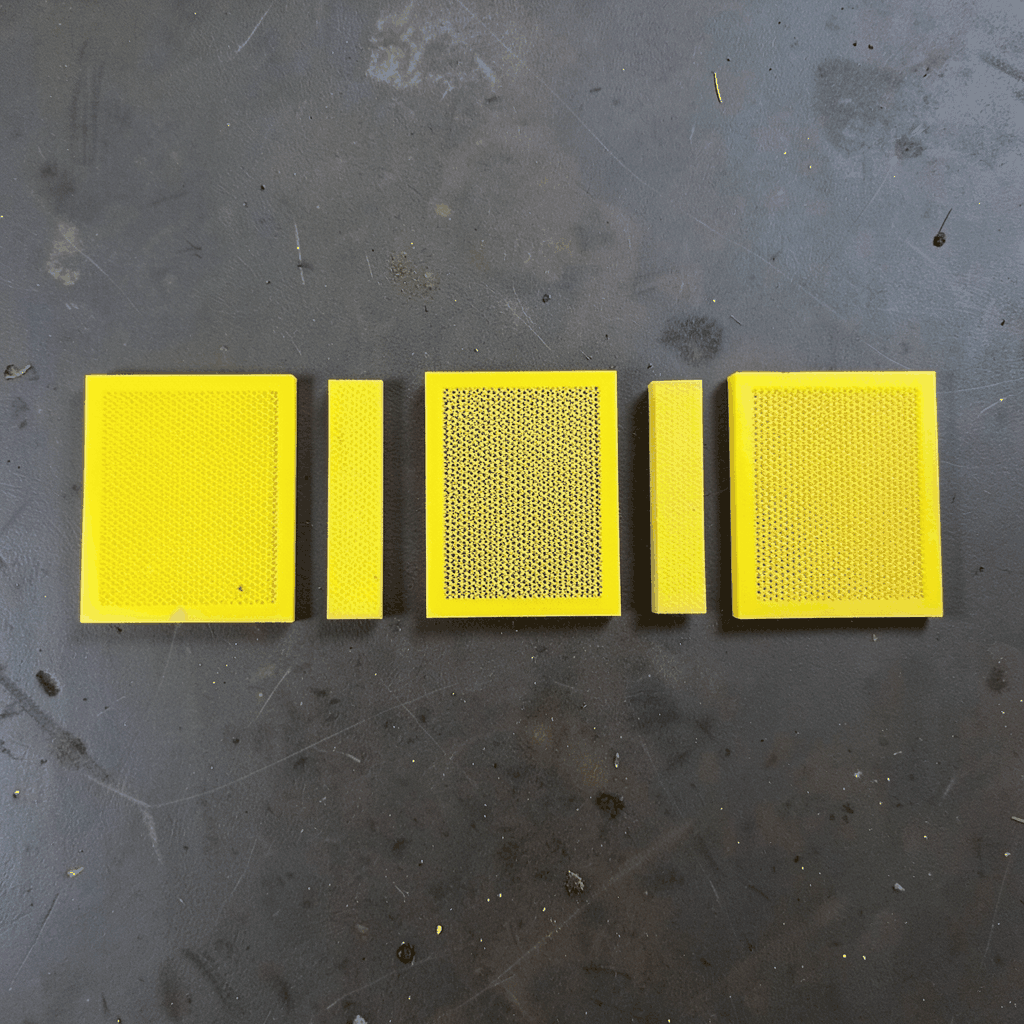
Wire mesh for chimney spark arrestors and caps
A chimney spark arrestor is a small but vital barrier between a solid-fuel fire and the roofline. Its job is to retain glowing embers while allowing smoke and combustion gases to leave normally. The mesh must be fine enough to catch hot particles, yet open enough to avoid soot build-up. A secure, purpose-made cap also sheds rain and keeps larger debris out without undesirably changing the appliance’s draught.
Performance in Australia depends heavily on the installation environment. Melbourne and other Victorian households rely heavily on wood heaters, while Sydney’s salt-laden coastal air can punish ordinary steel. Canberra and the Blue Mountains face ember attacks during bushfire seasons, and Perth’s dry summers increase the chance of loose debris gathering around roofs and chimneys. Each setting places a different demand on mesh material, aperture and retention.
A weather cap and a spark arrestor serve related but separate functions. The cap controls rain, birds, leaves and wind-driven litter; the arrestor holds back embers. Combining them is practical, provided the design preserves flue clearance and airflow. Covering a chimney with decorative screen that has oversized openings may look suitable while failing to control sparks, especially if wind can push fragments around the edges.
The right installation starts with the appliance instructions, the existing flue and the exposure of the roof. It also requires a mesh specification based on clear aperture, wire size, metal grade and fixing method. Those details determine whether the installation performs safely through repeated heating, cooling, corrosion, wind and cleaning cycles.
Why aperture and airflow matter
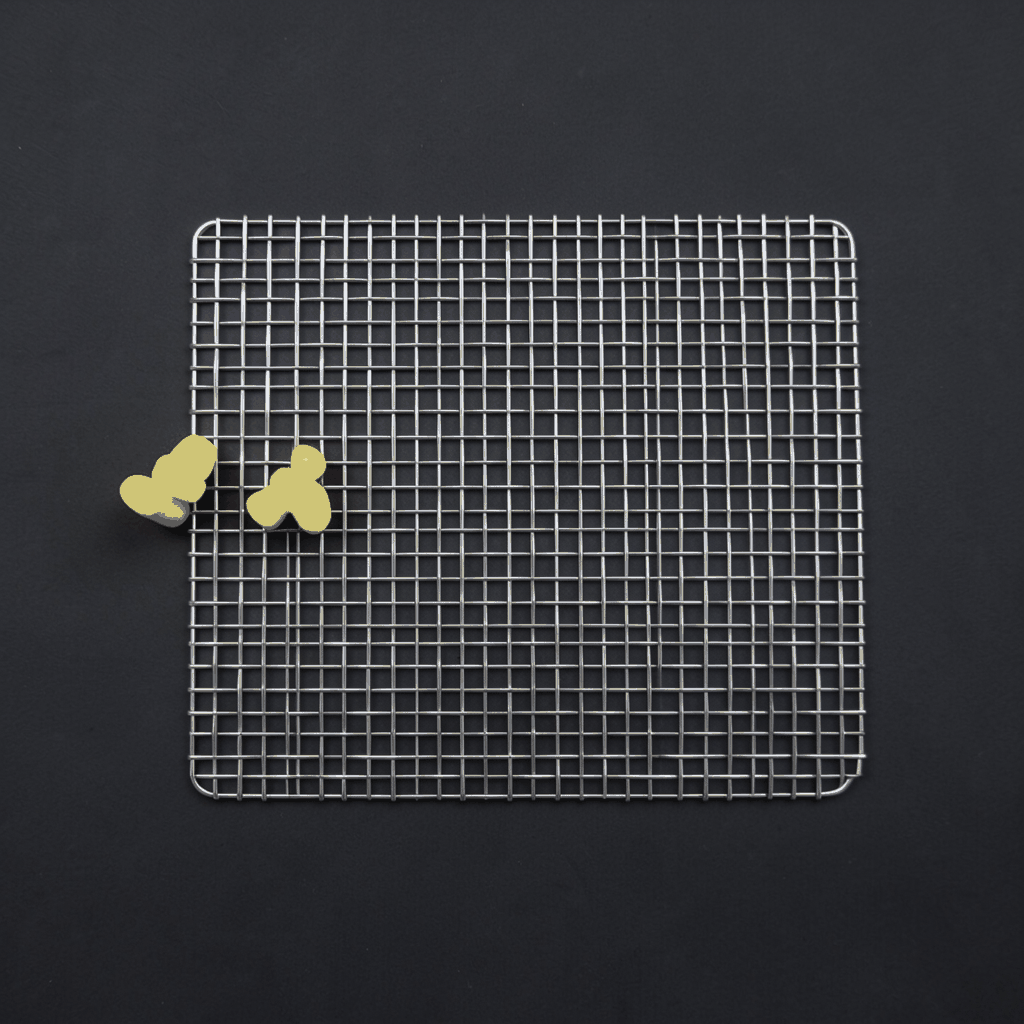
Clear aperture is the largest unobstructed gap between wires, not the overall sheet dimension. For Australian solid-fuel appliances, many governing instructions and local requirements use 12 mm as the maximum opening for a chimney spark-arrestor screen, but the applicable appliance manual and authority must be checked. A smaller mesh can improve ember capture, although an excessively fine screen may collect soot, bird nesting material and wet debris more quickly.
Airflow cannot be treated as a secondary consideration. Smoke needs a continuous path, and a blocked or crushed screen can alter combustion conditions. The screen should sit within the cap without sealing the flue, while the cap structure should hold the mesh away from the wall and resist wind uplift. Wire diameter and weave structure also affect span, wind loading and resistance to deformation. A frame that retains every edge is more dependable than loose mesh clipped only at the crown, where vibration and thermal movement can open a gap.
Selecting metal for Australian conditions
Stainless steel is a common choice because it combines strength, heat resistance and corrosion resistance. Grade 304 is generally suitable for many inland and urban installations, including most Melbourne suburbs, while grade 316 offers better resistance to chloride attack in exposed Sydney and other coastal locations. The extra cost can be justified for coastal roofs, but stainless steel still needs compatible fixings and regular removal of salt and soot.
Other metals have valid uses. Copper resists rust and develops an attractive patina, but it can corrode faster when electrically connected to incompatible metals. Aluminium is light and easy to form, although it has lower high-temperature tolerance and can suffer galvanic corrosion against steel fixings. Galvanised steel can provide economical protection in a dry, sheltered setting, yet coatings gradually decline and scratches accelerate rust. The best grade is the one that suits the roof environment, fuel, service exposure and local rules rather than habit or price alone.
Matching mesh to the flue and cap
Measure the flue opening, not merely the nominal pipe diameter. Brick chimneys, insulated flue pipes and factory-built flue systems each present different edges, joints and clearances. The fuel and appliance type matter because a wood heater, open fireplace and furnace can produce different ember sizes and discharge conditions. The mesh panel should overlap any service gap without touching moving parts or entering the flue liner.
Cap geometry changes the retention requirements. A flat hood, conical rain cap, cowl and decorative enclosure can all work, but their aerodynamics differ. A cowl may turn with the wind to support draught; a fixed hood must maintain the specified discharge path. Decorative laser-cut screens provide visual appeal but need a proven aperture and secure backing mesh if the pattern contains openings large enough to pass embers. The finished assembly should combine the approved cap with a replaceable arrestor rather than depend on fragile cut sheet alone.
Sizing, fastening and upkeep
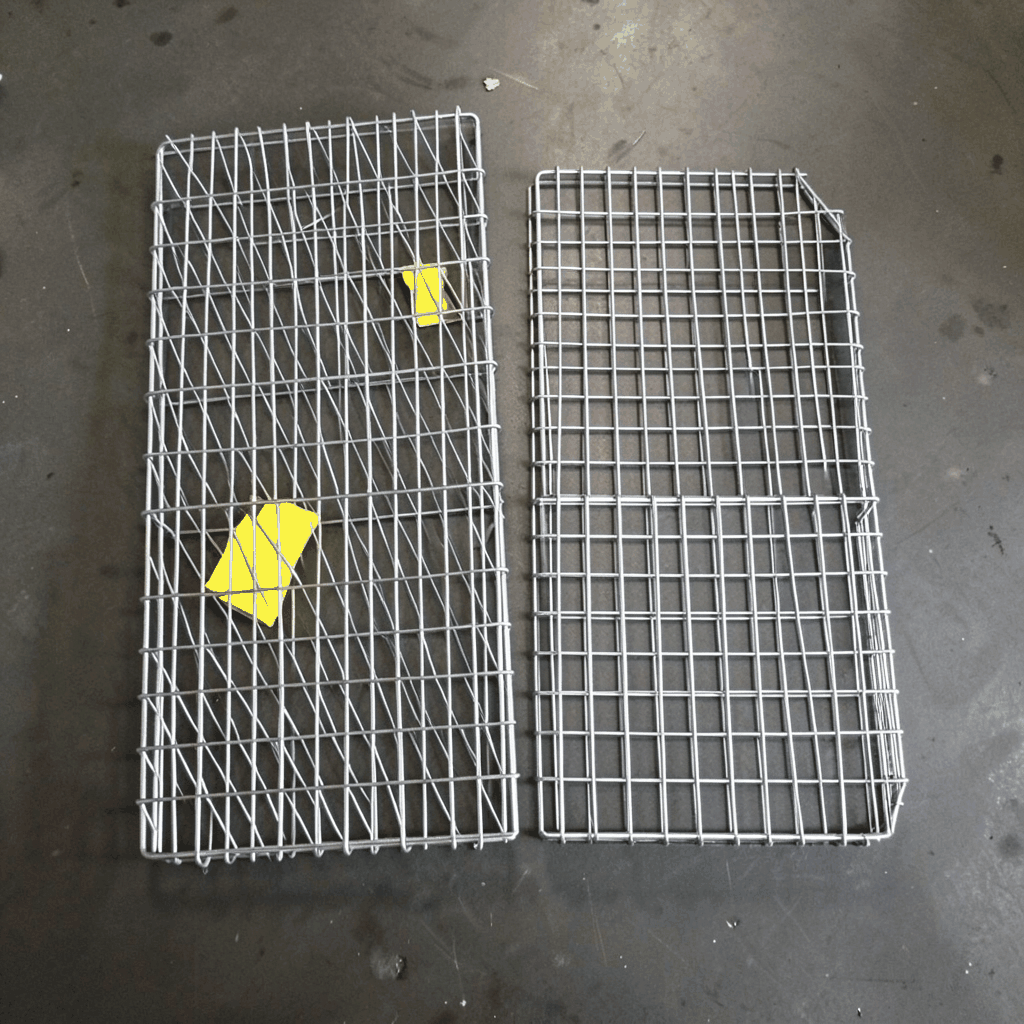
Panels should be sized with a small overlap at fixing points and installed so they can be removed for inspection. Stainless or compatible non-ferrous fixings are generally preferable to rust-prone fasteners. Expansion, contraction and vibration can loosen a screen over a heating season, so check clamps or screws during servicing. Avoid exposed sharp ends that could cut a technician or tear the mesh during removal.
Safe access matters as much as the hardware. A local chimney sweep or qualified installer should assess roof conditions, flashing, cap height and any council permit requirement. Working at roof level around a live flue also carries heat and fall risks. Once installed, inspect the screen before the heating season, after severe winds and whenever bird nests or leaf debris appear. Cleaning with a brush and vacuum on a cool surface is usually preferable to aggressive methods that can distort fine woven wire.
Bushfire, standards and imported products
A conventional chimney spark arrestor is not automatically a bushfire ember-protection system. Spark-arrestor openings around 10–12 mm may satisfy appliance requirements, while tested roof and cavity ember barriers often need much finer apertures and specific mounting details. Homes in Canberra, the Blue Mountains and other declared bushfire-prone areas should follow the relevant state guidance and current editions of AS/NZS 2918 where applicable. A generic cap should not be presented as a certified substitute for a tested ember screen.
For products bought overseas, the Australian importer remains responsible for customs valuation, tariff classification, GST treatment where applicable and supporting purchase records. A customs broker can verify the landed cost and documentary requirements before shipment. It is also sensible to request material grade, clear-aperture dimensions, mesh type, test information and a sample before approving a bulk order. Compliance with the appliance manual, local building authority and current Australian standards should be confirmed independently rather than inferred from a product description.
Build a fit-for-purpose specification
A useful supplier brief identifies the appliance or fuel type, flue diameter, chimney construction, cap style, roof exposure, corrosion level and required clear opening. Include drawings or accurate site measurements, then establish whether the cap and mesh will be supplied together or as separate components. Replacement panels are often overlooked, but a documented size and material make future servicing much easier.
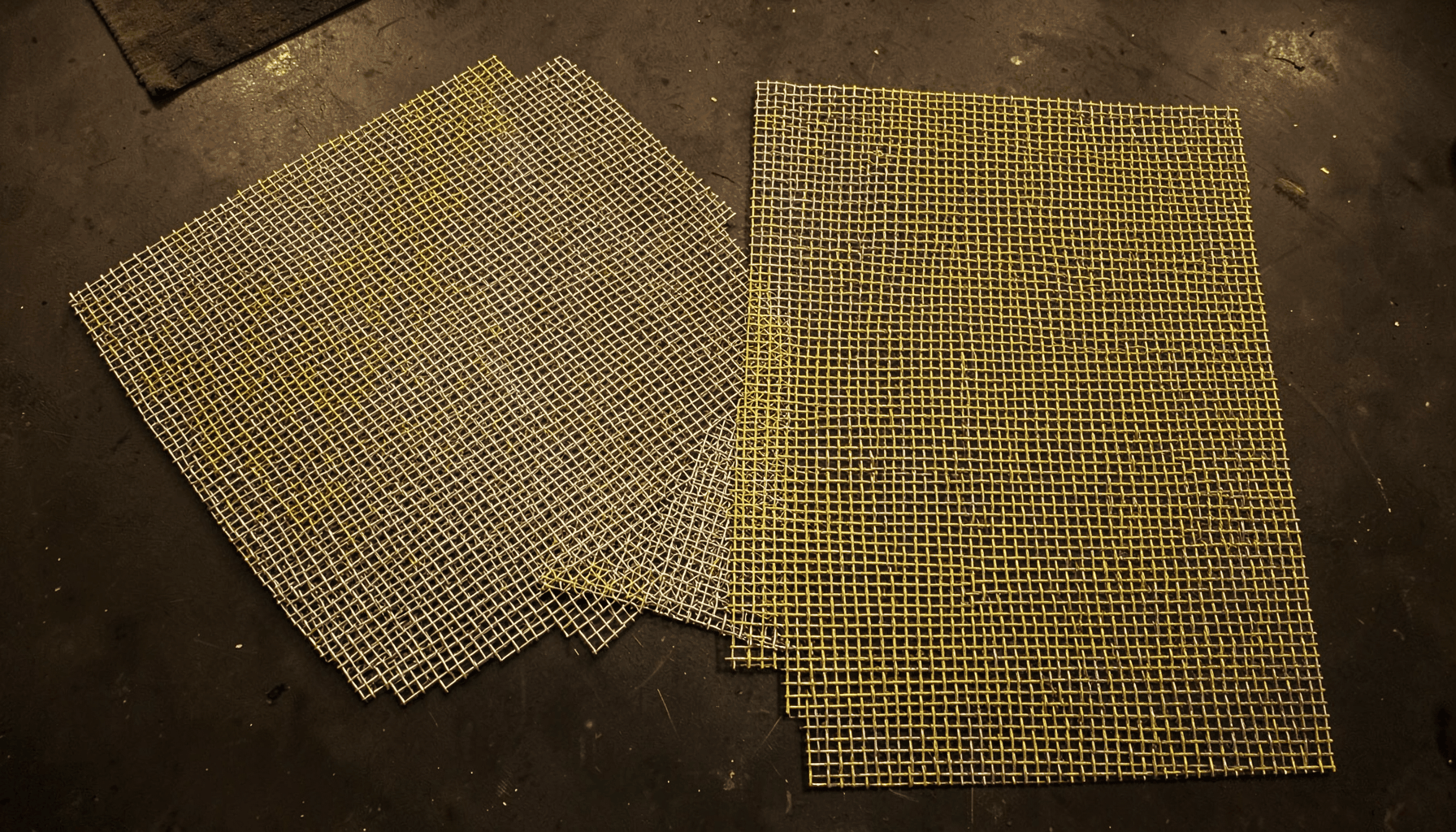
Shuo Ke Wire Mesh Product Technology Co., Ltd. can assess architectural and industrial mesh requirements for custom dimensions, different alloys and fabrication methods. Its custom wire mesh options can be specified around the required aperture and retention system, with samples used to confirm fit before production. This approach supports practical engineering and decorative finishes without compromising the performance expected of the cap.
Send Shuo Ke your flue measurements, cap details and Australian compliance requirements, and request a material specification and sample for approval before ordering a project.