Wire Mesh for Compost Bins and Garden Soil Screens
A well-designed compost bin needs airflow, containment and reliable access. Garden soil screens need similar practical qualities: enough open area to let fine soil pass, enough strength to hold stones and roots, and a surface that will survive repeated outdoor use. Wire mesh provides a simple way to achieve all three without making a garden system heavy or difficult to maintain.
Australian gardens place particular demands on outdoor metal products. Strong ultraviolet exposure, coastal salt air, periods of drought, sudden heavy rain and frequent watering can all accelerate wear. In cities such as Sydney, Brisbane, Melbourne and Perth, the right mesh specification will depend on the local climate, the material being screened and how often the compost or soil equipment is handled.
Mesh can be supplied as welded panels, woven wire, perforated sheet or formed components. Each option suits a different application. A manufacturer experienced in stainless steel, aluminium, galvanised steel and custom fabrication can adjust aperture size, wire diameter, panel dimensions, edges and fixing points to suit a backyard compost bin, community garden or commercial landscaping project.
Choosing The Right Mesh For Composting
Compost requires oxygen to support aerobic decomposition. A container made from solid sheet may retain too much moisture and encourage unpleasant odours, while excessively open mesh can allow material to spill out or dry too quickly. Ventilated wire panels create a useful balance, especially when the bin is filled with kitchen scraps, lawn clippings, fallen leaves and shredded branches.
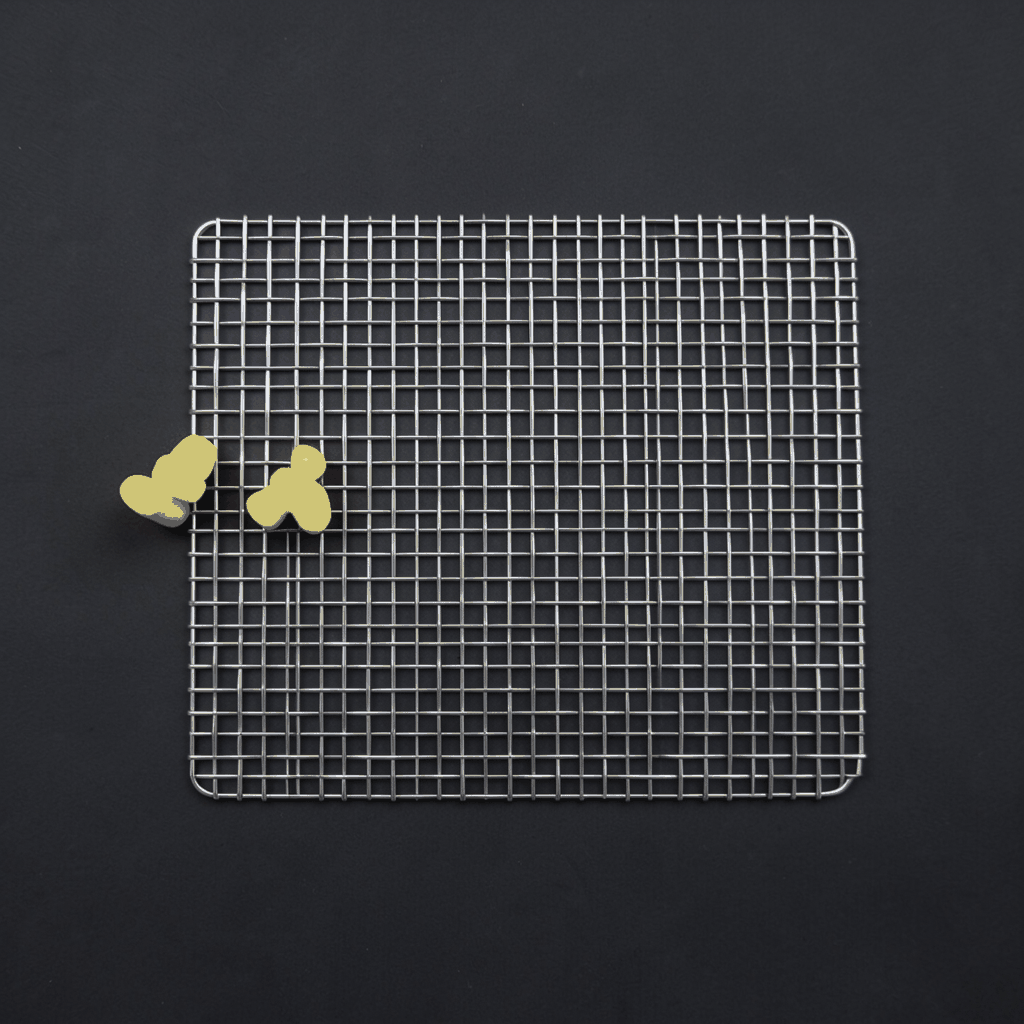
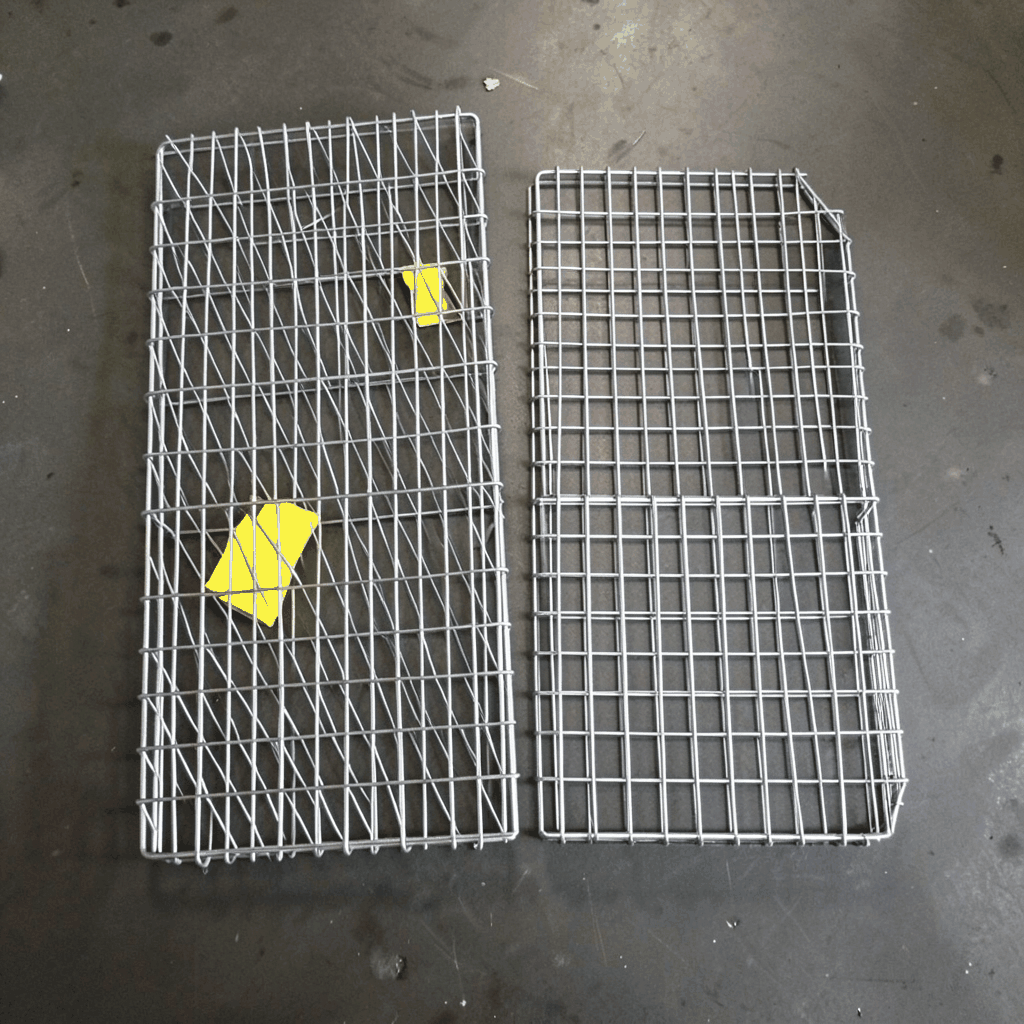
Welded wire mesh is often the most practical choice for a rigid compost enclosure. Its rectangular grid holds its shape, resists sagging and can be attached to a timber, steel or recycled-plastic frame. Woven mesh is more flexible and can be formed into a cylindrical bin, although it may need a stronger rim or supporting posts. For small compost tumblers or removable screens, lighter mesh may be easier to handle.
Aperture size should reflect the material being contained. Openings around 10 to 20 millimetres can provide useful ventilation while retaining most organic matter. Smaller openings improve containment but reduce airflow and can become blocked by wet material. The best result comes from considering the compost recipe, the bin dimensions and the frequency of turning rather than selecting mesh by appearance alone.
Material Choices For Australian Gardens
Stainless steel is a strong option for long-term outdoor use, particularly around humid coastal areas. Grade 304 is suitable for many general garden applications, while 316 stainless steel offers greater resistance to chloride exposure near the Australian coastline. Stainless mesh also presents a clean appearance for residential courtyards, apartment gardens and landscaped public spaces.
Galvanised steel is economical and widely used for compost frames, soil sieves and garden fencing. It offers useful corrosion resistance, although its protective coating can eventually wear where the mesh is cut, bent or repeatedly scraped. Aluminium is lightweight and easy to move, making it suitable for hand-held soil screens, but it is softer than steel and may deform under heavy loads.
Material selection should take account of soil chemistry, compost moisture and contact with fertilisers. Coastal properties in Adelaide, Newcastle, Geelong or regional seaside locations may need a higher corrosion-resistance level than an inland garden. These options provide a practical starting point:
- Stainless steel for humid, coastal or long-service applications
- Galvanised steel for economical compost structures and heavy-duty frames
- Aluminium for lightweight screens and portable garden equipment
- Powder-coated metal for colour matching and additional surface protection
Surface finish matters as much as the base metal. A smooth, well-finished surface is easier to wash and less likely to trap decomposing material. If a mesh panel will be handled frequently, folded edges, a perimeter frame or a protective trim can reduce the chance of cuts from exposed wire ends.
Designing A Soil Screen That Works
A garden soil screen, often called a soil sieve or compost sifter, separates stones, roots, clumps and undecomposed material from usable soil. The ideal mesh opening depends on the intended result. Fine potting mixes may benefit from a 6-millimetre aperture, while general garden soil may pass effectively through 10 to 12 millimetres. A 15 to 20-millimetre grid is useful when the aim is simply to remove larger rocks and sticks.
The screen should be large enough to process soil efficiently without becoming too heavy to lift. A shallow framed panel can rest over a wheelbarrow, tub or garden bed, allowing the user to shake or rake material across the surface. For larger landscaping work, a sloped screen or vibrating unit can improve throughput. The mesh must be tensioned or supported so it does not bow under damp soil.
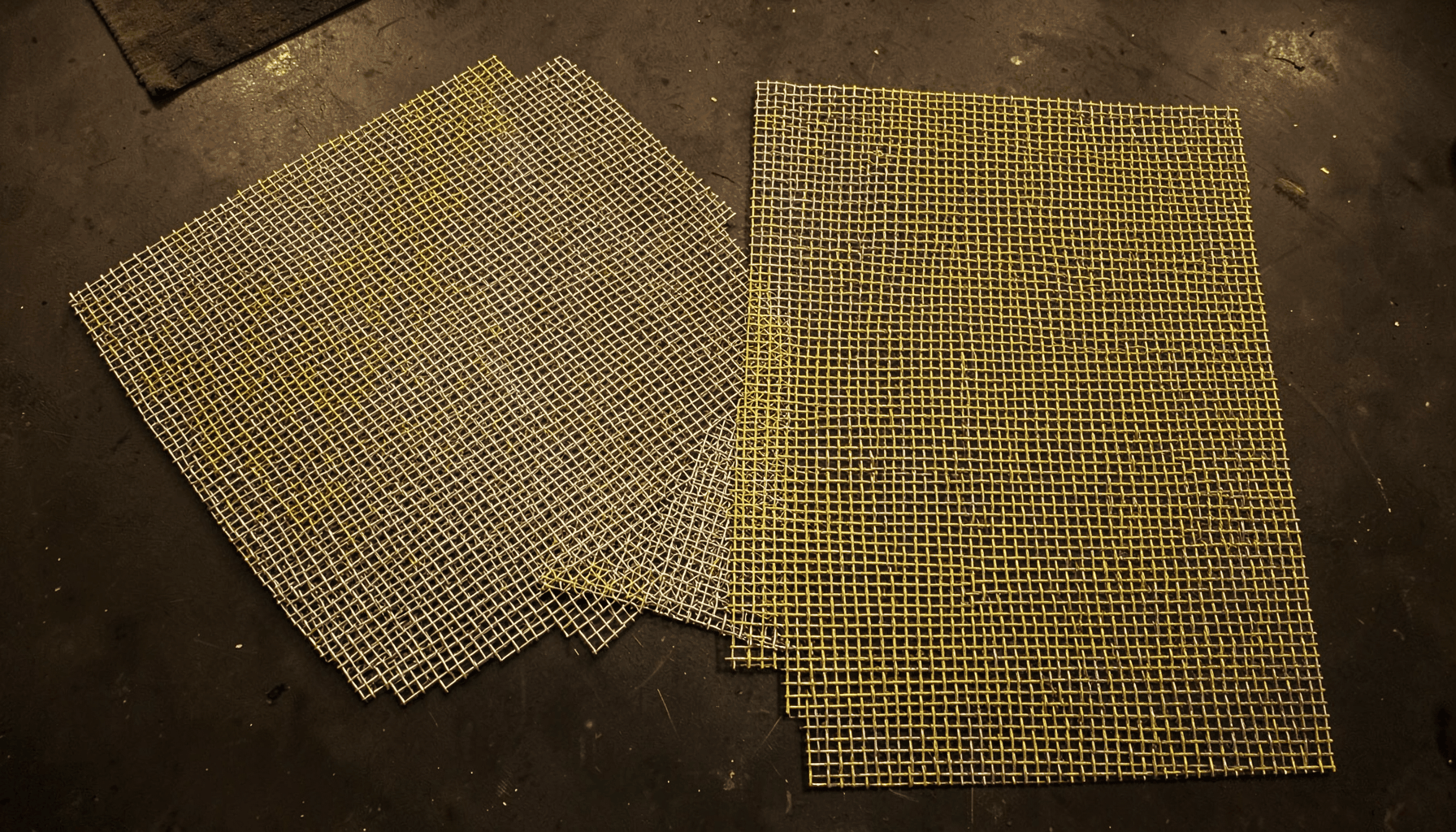
Welded mesh gives a consistent aperture and a firm working surface. Woven wire can absorb some impact and may be easier to replace, but its openings can distort under pressure. Expanded metal is another possibility for coarse screening, particularly where a rigid, slip-resistant surface is preferred. The choice should be based on the particle size, loading method and expected cleaning routine.
Building Safer And More Durable Garden Equipment
Safety is easy to overlook when mesh is cut into custom shapes. Sharp projecting wires can damage gloves, scratch skin or catch clothing. For compost bins and soil screens used by families, schools or community gardens, the exposed perimeter should be folded, hemmed, ground smooth or enclosed inside a frame. Corners should be rounded where practical, and handles should be fixed away from pinch points.
Outdoor durability also depends on the way panels are joined. Stainless steel fasteners are useful for stainless mesh and humid environments, while incompatible metals should be isolated where galvanic corrosion could become a concern. Bolted panels make a compost bin easier to dismantle for cleaning, while welded frames provide greater rigidity for permanent installations.
A removable lid can help keep excess rain out of compost while still allowing controlled ventilation. In areas of Australia with intense summer heat, partial shade can prevent the contents from drying rapidly. In wetter districts, a raised base and open sides can improve drainage. Mesh should support the composting process, but it cannot replace correct ratios of green and brown organic material, regular turning and appropriate moisture.
Australian Garden And Council Considerations
Composting practices vary across Australia. Many councils promote household composting, worm farms or FOGO services, but accepted materials and collection arrangements differ between local government areas. A council in Melbourne may provide a different organics service from one in regional Queensland or Western Australia. Residents should check local guidance before designing a bin intended for food scraps, particularly where meat, dairy, weeds or treated plant material may be restricted.
The Australian Standard AS 4454 covers composts, soil conditioners and mulches, rather than prescribing one universal mesh design for household bins. It can still be a useful reference when compost output is being produced for sale, landscaping or larger-scale horticultural use. Commercial operators should also consider workplace safety, waste handling requirements and any site-specific environmental obligations.
Water availability is another local factor. During dry periods or water restrictions, a compost bin may need a lid and a less open configuration to retain moisture. In tropical and subtropical areas, increased ventilation and a corrosion-resistant finish can be more important. Near the sea, salt deposits should be rinsed from exposed metal when possible, particularly around welded joints and cut edges.
For community gardens, strata properties and schools, the design should also consider noise, access and appearance. A neatly framed mesh enclosure is easier to place in a shared landscape than loose wire panels. Matching a screen or compost bin to existing fencing, gates or architectural metalwork can create a more cohesive result.
Custom Mesh Solutions For Practical Projects
Standard mesh sheets are convenient, but custom processing can solve problems that an off-the-shelf product cannot. Panels can be cut to precise dimensions, folded into trays, rolled into cylinders or fitted with mounting holes. A manufacturer can also combine mesh with angle frames, flat bar, hinges, latches and handles to create a complete garden component.
For a compost bin, useful custom features may include a hinged access door, a removable base, a reinforced top rim and separate panels for expansion. For a soil screen, the design may include a timber-compatible frame, a comfortable carrying handle or interchangeable mesh inserts. Different apertures can be supplied for coarse debris removal and fine soil preparation.
A project brief should state the mesh material, wire diameter, aperture, overall dimensions, edge treatment, finish and intended environment. It should also identify whether the product will be used indoors, in a sheltered courtyard, beside the ocean or in an exposed community garden. These details help ensure that the finished component is strong enough without becoming unnecessarily expensive or difficult to move.
A specialist metal mesh manufacturer can support both small garden orders and larger landscaping, municipal or agricultural requirements. Custom fabrication is particularly valuable when the same mesh style needs to coordinate with fences, screens, gates, planter surrounds or other outdoor structures.
Maintenance And Selection Checklist
Regular care extends the service life of compost and soil-screen mesh. Remove damp organic matter from corners, rinse away fertiliser residue and inspect joints after periods of heavy use. Galvanised surfaces should be checked for deep scratches or exposed steel, while coated finishes should be monitored for bubbling, peeling or impact damage.
A compost bin should be emptied or turned often enough to prevent compacted, oxygen-poor pockets. A soil sieve should be brushed clean after wet screening so fine particles do not harden inside the apertures. Storing portable screens under cover during long periods of non-use can reduce unnecessary exposure to rain and coastal air.
Before ordering, confirm these practical details:
- The particle size or organic material the mesh must retain
- The required corrosion resistance for the local climate
- The panel size, frame style and method of installation
- The need for smooth edges, doors, lids, handles or removable parts
For a small residential project, a simple framed panel may be sufficient. Larger gardens, nurseries, councils and landscape contractors may benefit from replaceable screen sections, reinforced supports and a finish selected for years of outdoor handling. Careful specification at the beginning usually costs less than replacing unsuitable mesh later.
Select the aperture, metal and finish around the conditions of the garden rather than relying on a generic product. Shuo Ke Wire Mesh Product Technology Co., Ltd. can process stainless steel, aluminium, iron and other metal mesh materials into made-to-measure screens, panels and garden components. Share the required dimensions, application and Australian site conditions to develop a durable solution for composting, soil preparation or broader outdoor landscaping needs.