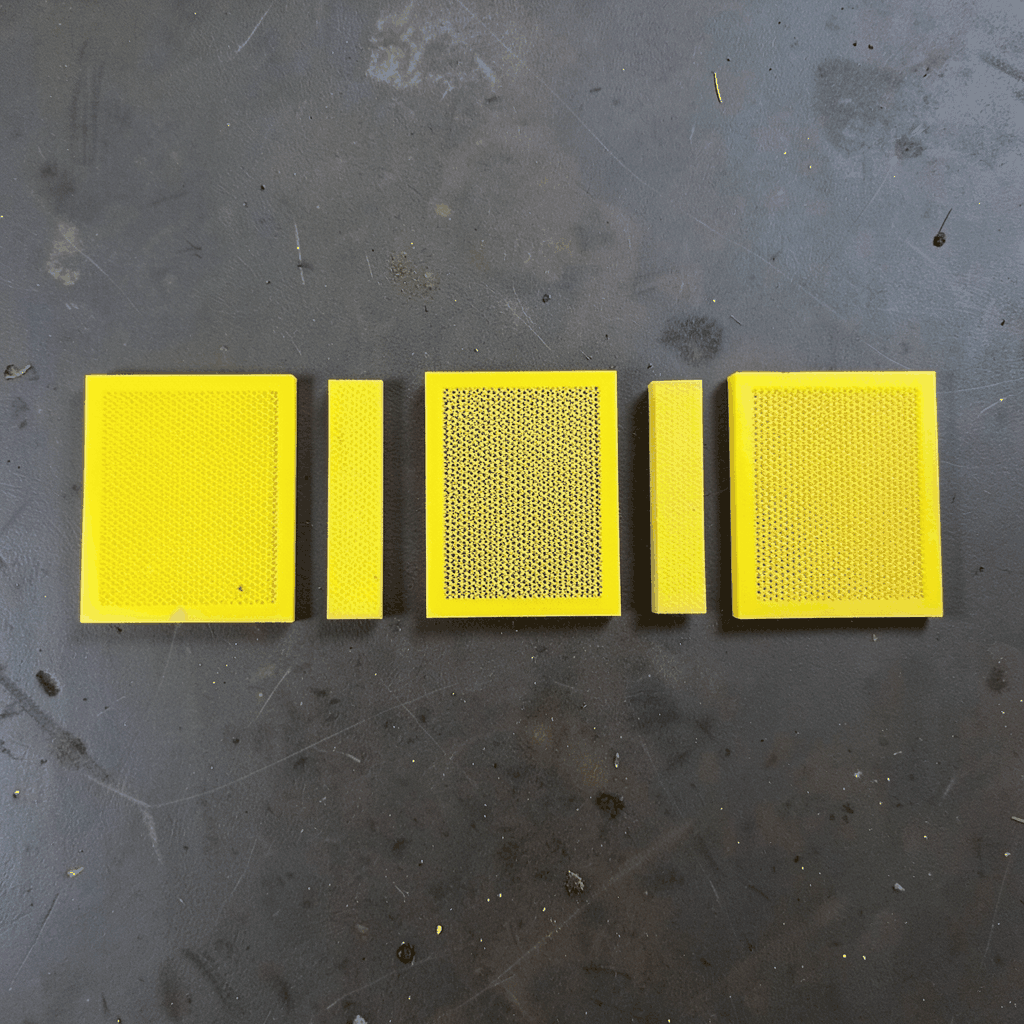
Wire mesh for composting bins and garden sifter screens
Composting bins and garden sifters look simple, but their mesh must manage two competing requirements: retaining organic material while allowing air, moisture and heat to move through it. A panel that is too fine can trap wet food scraps, suppress aeration and encourage odours. One that is too open may allow compost to spill or become too dry during an Australian summer.
Garden sifter screens present a different challenge. They need to separate compost, potting mix, sand and mulch while remaining rigid enough for repeated shaking or rotating use. Aperture size, wire diameter, panel construction and the supporting frame all affect how consistently a screen performs.
Shuo Ke Wire Mesh Product Technology Co., Ltd. is a China-based manufacturer and processor of architectural and industrial metal mesh products. Its wider range includes decorative partitions, cladding, laser-cut screens, fences, gates, guardrails, filters, baskets and barbecue mesh. This broader manufacturing experience supports custom work involving stainless steel, aluminium, copper, iron and other alloys, allowing compost and screening requirements to be considered alongside practical fabrication needs.
Choose a mesh that suits the job
Stainless steel is a practical choice for compost enclosures because it resists rust in damp, acidic and biologically active conditions. Grade 304 performs well in many residential settings, while grade 316 offers greater resistance to chloride exposure and is worth considering for coastal properties around Sydney, Perth or Melbourne. The extra cost may be justified where sea spray or irrigation water repeatedly reaches the frame.
Aluminium provides a lighter alternative for modular bins and portable sifters. It is easy to form, cut and join, but its suitability depends on the alloy, surface finish and exposure to salty or chemically aggressive conditions. Galvanised steel can provide a useful balance of strength and cost for inland projects, provided the coating remains intact and dissimilar metals are isolated to limit galvanic corrosion.
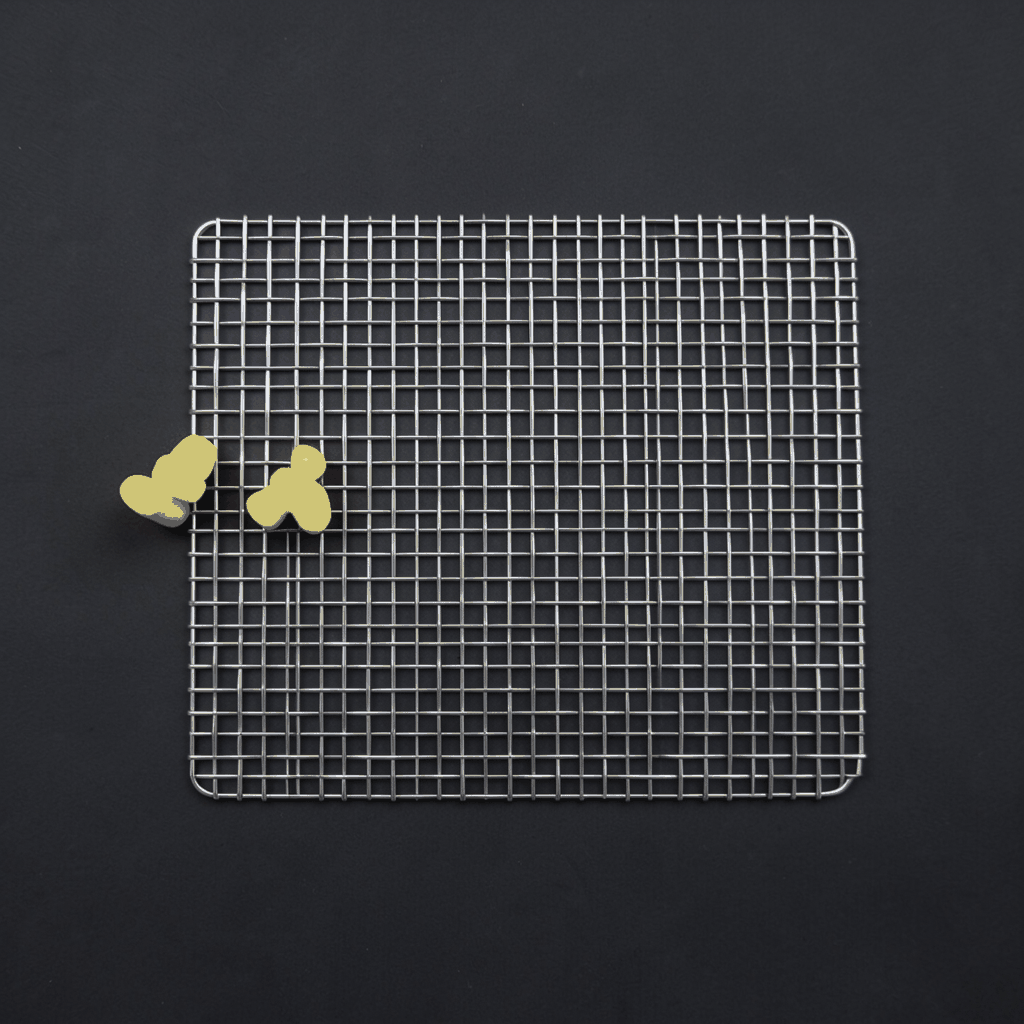
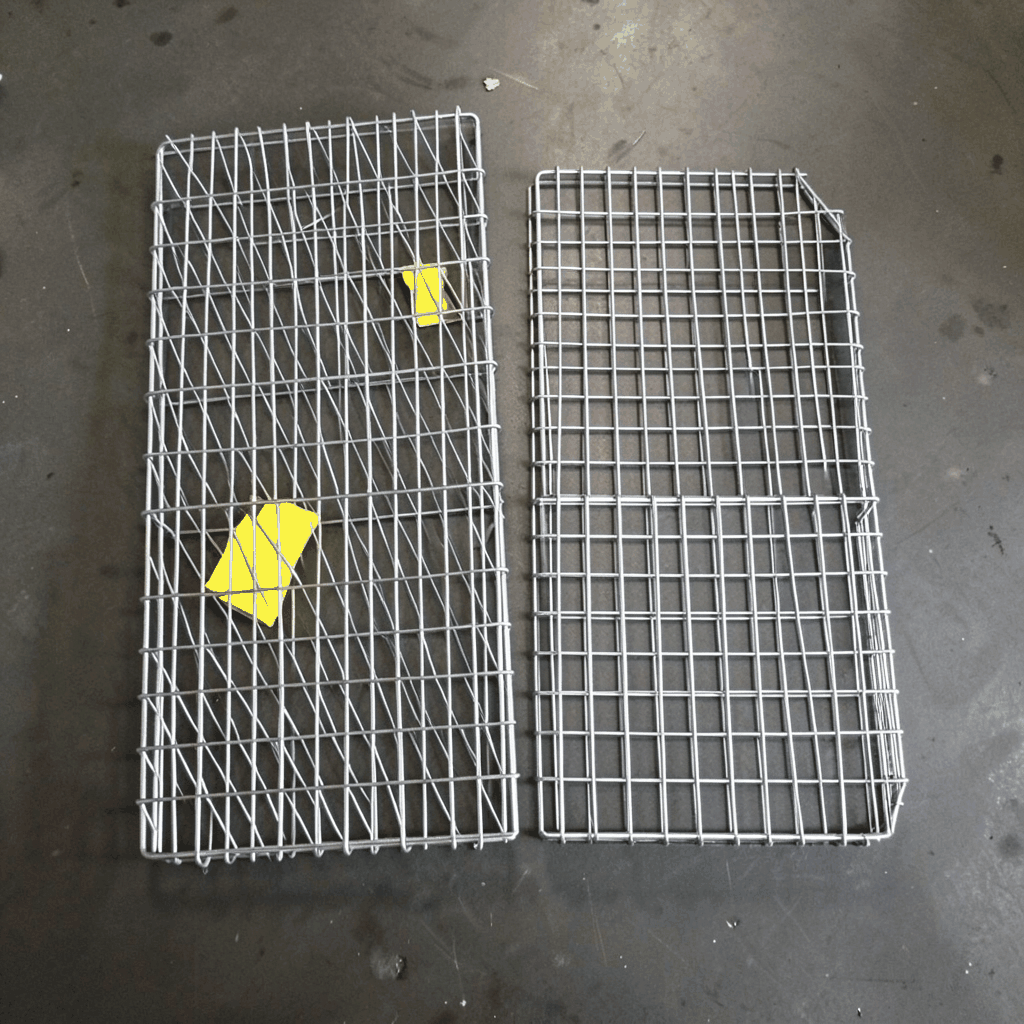
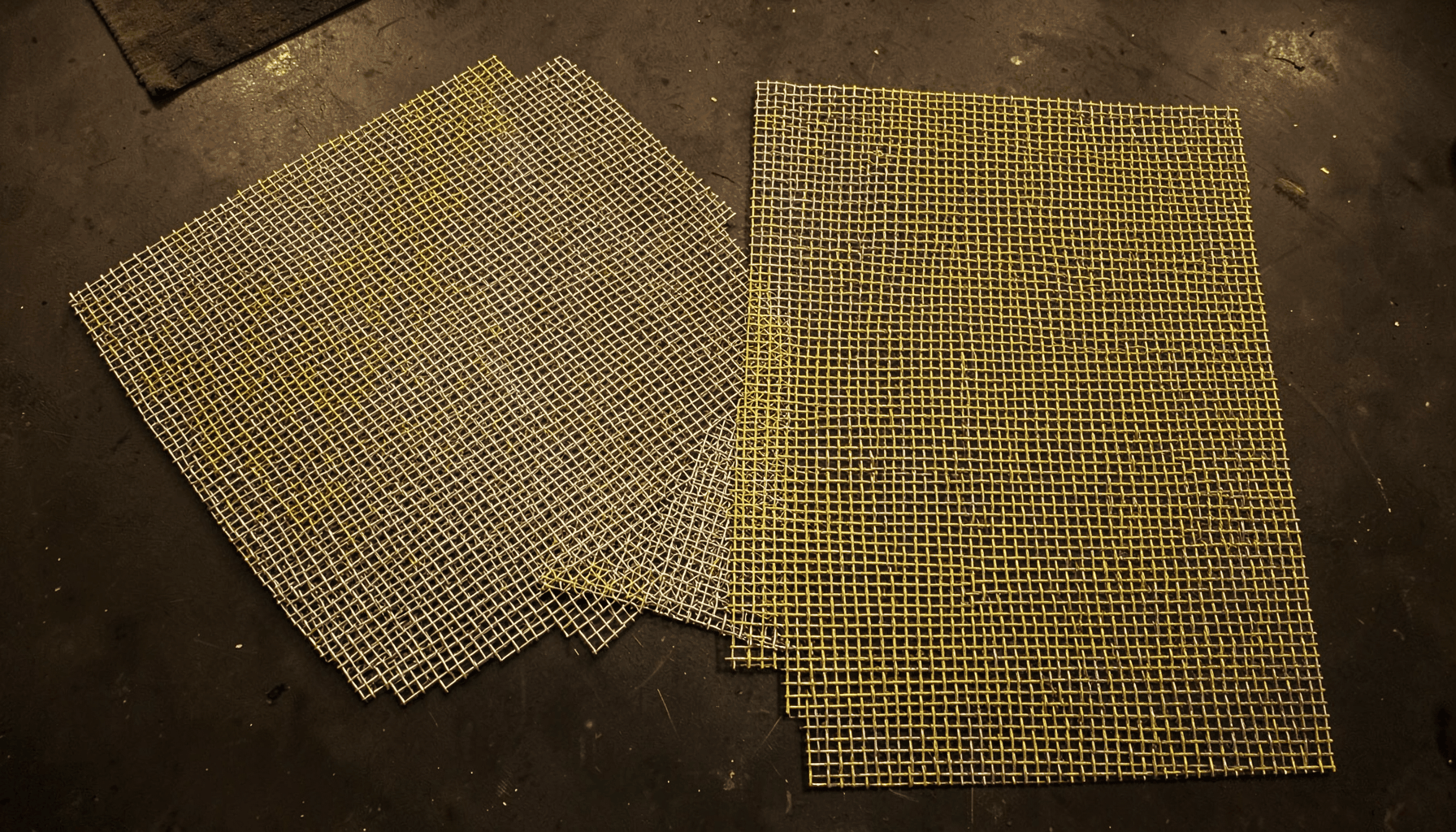
Woven wire mesh offers flexibility and can conform around irregular compost piles, whereas welded wire mesh provides greater rigidity and predictable panel dimensions. Welded construction is often easier to frame into rectangular compost bays or square sifter bodies. However, poor surface treatment around welds can create a corrosion starting point, so fabrication quality matters as much as the grade of wire.
A compost bin should also account for what will touch the mesh. Fine food scraps and acidic liquor can be more demanding than a dry garden screen. For commercial food production or council projects, request material documentation and consider removable liners or internal coatings where frequent washing and sanitation are expected.
Size openings for material and airflow
Compost mesh openings should retain the materials being composted without preventing the pile from breathing. Larger openings improve airflow and drainage, while finer panels conserve moisture and limit the loss of small ingredients. In warm conditions, a relatively open enclosure can prevent the contents from becoming sodden; in cooler weather, a closer weave may help maintain a stable working environment.
Reliable aeration around the pile is central to effective decomposition. The controlled feeding and watering greens used in hydroponic production illustrates how carefully managed inputs produce consistent results. Composting follows a similar principle, although moisture, oxygen and temperature must be balanced rather than delivered at a fixed rate.
For garden sifting, aperture should match the intended particle size. A screen with approximately 3–6 mm openings may separate fine potting mix from small compost fragments, while wider openings can handle coarse bark, leaf litter or gravel. These dimensions are starting points rather than universal specifications because the wire diameter and manufacturing method influence the effective opening and the feel of the finished screen.
Specify both the clear aperture and overall panel dimensions. Clear aperture is the space between wires, while the panel measurement determines how many joins or support bars the frame requires. Giving suppliers this information reduces ambiguity and helps prevent a screen from arriving with openings that are too small or panels that are unnecessarily difficult to assemble.
Plan for Australian weather and site conditions
Australian conditions place a strong emphasis on corrosion management. Coastal humidity around Sydney and Perth can be more demanding than dry continental air, while Brisbane’s warm, humid summers accelerate staining and biological growth. Melbourne’s variable temperatures and Melbourne’s coastal exposure both require ventilation and regular cleaning. Inland areas may experience intense heat that warps lightweight frames or causes compost to dry rapidly.
Allow air to pass through the enclosure and provide drainage at the base. A sealed or ground-hugging panel can trap leachate, particularly after heavy rain, whereas a raised floor with access for a hose makes management easier. Screens should be positioned in shade where possible, and removable sections help with turning, harvesting and cleaning. The mesh should not be so close to the ground that it holds moisture against soil or paving.
The Australian market includes compact suburban backyards, apartment gardens, community plots, market gardens and council composting systems. Manufacturers and garden suppliers commonly work with metric dimensions, powder-coated finishes and modular panels that can be replaced independently. This preference for compact, adaptable products suits custom mesh made to fit a site rather than forcing a standard panel into an awkward space.
For projects involving customers, councils or hospitality businesses, check relevant local waste, food hygiene and public-access requirements. Commercial kitchens and food-producing gardens may need documented cleaning procedures and equipment that can withstand frequent washdowns. Decorative laser-cut patterns can make an enclosure more attractive, but openings near the base should still support drainage and vermin control.
Recommendations for a longer-lasting installation
A useful specification balances material, geometry, drainage and assembly rather than concentrating on one property. Before ordering a full batch, ask for a representative sample and test it with the materials it will actually handle.
-
Select grade 304 stainless steel for general use and grade 316 for exposed coastal or marine environments where chloride contamination is likely.
-
Match the clear aperture to the smallest material that must be retained, while checking that airflow and drainage remain adequate.
-
Use welded panels for rigid sifter frames and woven panels where flexibility around irregular piles is more useful.
-
Choose stainless or compatible fasteners to avoid rust stains and galvanic reactions between connected metals.
-
Add intermediate braces to wide compost panels so wind and wet organic material cannot distort the mesh.
-
Keep finished panels off damp soil and provide a washable route for removing compost residue, algae and insects.
-
Request dimensional inspection, surface-finish checks and protective packaging suitable for the destination before shipment.
Stainless fixings are particularly valuable around compost bays, where repeated watering and acidic runoff can affect cheaper steel connectors. Timber frames should be structurally sound and isolated from the mesh where necessary. Treated timber must be compatible with nearby plants, food crops and the intended compost use, while stainless mesh should not be assumed to correct the shortcomings of an unsuitable frame.
Sifter screens need positive attachment at every edge so the material cannot work loose during repeated use. A frame that holds the mesh under even tension reduces bowing and improves the screening action. Hinged sections or a removable side can make loading and cleaning faster, and smooth wire surfaces are easier to rinse after damp compost has begun to adhere.
Turn your requirements into a workable product
A clear brief should include panel sizes, clear aperture, wire diameter, material grade, finish, frame details, expected quantities and the Australian delivery address. Photographs or sketches can clarify how the screen will sit in relation to the compost bin, raised bed or storage area. For a new design, a small prototype is often more valuable than a long written description because it reveals stiffness, drainage and handling issues immediately.
Australian importers should confirm tariff classification, freight arrangements, GST treatment and delivery terms with their customs broker. Metal mesh may be straightforward to clear, but timber crates and pallets can attract biosecurity requirements, so certified packaging and accurate commercial documents should be agreed before production. Shuo Ke can tailor mesh dimensions, fabrication methods and finishes around the intended application rather than limiting the project to standard stock panels.
Send Shuo Ke Wire Mesh Product Technology Co., Ltd. your drawings, aperture requirements and destination details, and request a sample or production quotation for a compost enclosure or garden sifter built for Australian conditions and dependable daily use.