Heavy Duty Wire Mesh for Australian Animal Pens and Kennel Runs
Wire mesh has quietly shaped the way Australians house animals for generations, from the chook sheds of suburban Adelaide to the working dog runs on cattle stations west of Rockhampton. Few materials offer the same balance of strength, ventilation, and visibility, which is why mesh enclosures remain the default for backyard poultry, boarding kennels, equestrian yards, and even wildlife sanctuaries. As housing density rises across Sydney, Melbourne, and Brisbane, and as hobby farms expand on the urban fringe, the demand for enclosures that combine animal welfare, public safety, and long service life keeps growing.
Australia's climate tests building materials harder than most. Intense UV along the Murray corridor, salt-laden air on the Mornington Peninsula, sudden storms sweeping in from the Tasman, and searing heat in places like Dubbo and Longreach all degrade inferior products quickly. A kennel run that looks fine in a Bunnings catalogue can fail within a season if the mesh is the wrong grade, the aperture is mismatched to the animal, or the coating cannot cope with coastal drift. Material specification is therefore the single most consequential decision a buyer makes, well before considering framing, gates, or footings.
Applications now span far beyond the traditional chain-link dog run. Horse owners on small holdings near Geelong are using welded mesh panels for stall partitions and hay storage. Poultry keepers from Hobart to Cairns are specifying finer aperture mesh to exclude snakes and rats. Boarding kennels in the outer suburbs of Perth are upgrading to architectural-grade stainless panels that match the clean lines of modern facilities. The shift toward premium mesh reflects an awareness that animals housed in well-lit, well-ventilated enclosures show fewer behavioural problems and recover faster from stress.
Choosing a mesh supplier with proven fabrication capability is increasingly important as projects become more tailored. Buyers should look for manufacturers offering cut-to-size panels, custom apertures, and multiple finish options, rather than relying solely on off-the-shelf rolls. A producer experienced in both architectural cladding and industrial filtration typically brings stronger welding discipline, better quality control, and a deeper understanding of how mesh behaves under load. That expertise translates directly into animal enclosures that last decades rather than years.
Material Choices Suited to Australian Conditions
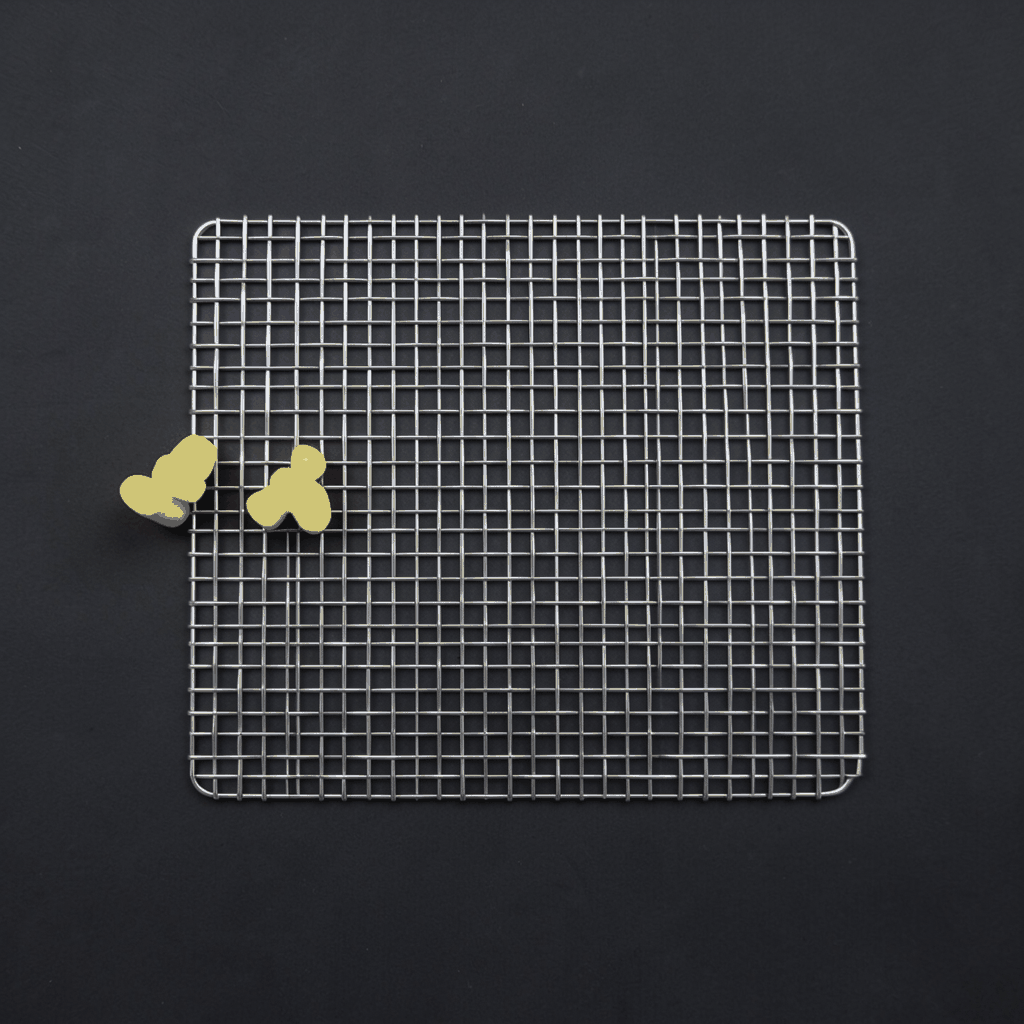
Stainless steel is the premium choice for animal enclosures, particularly where hygiene, corrosion resistance, and visual appeal matter. The same architectural-grade stainless mesh specified for elevator interiors across Sydney's commercial towers is now appearing in high-end residential kennel runs, equine complexes, and veterinary clinics. Grade 304 performs well in most inland and suburban settings, while Grade 316 is recommended within roughly one kilometre of breaking surf, such as at Coffs Harbour, Warrnambool, or Geraldton, where salt spray accelerates corrosion.
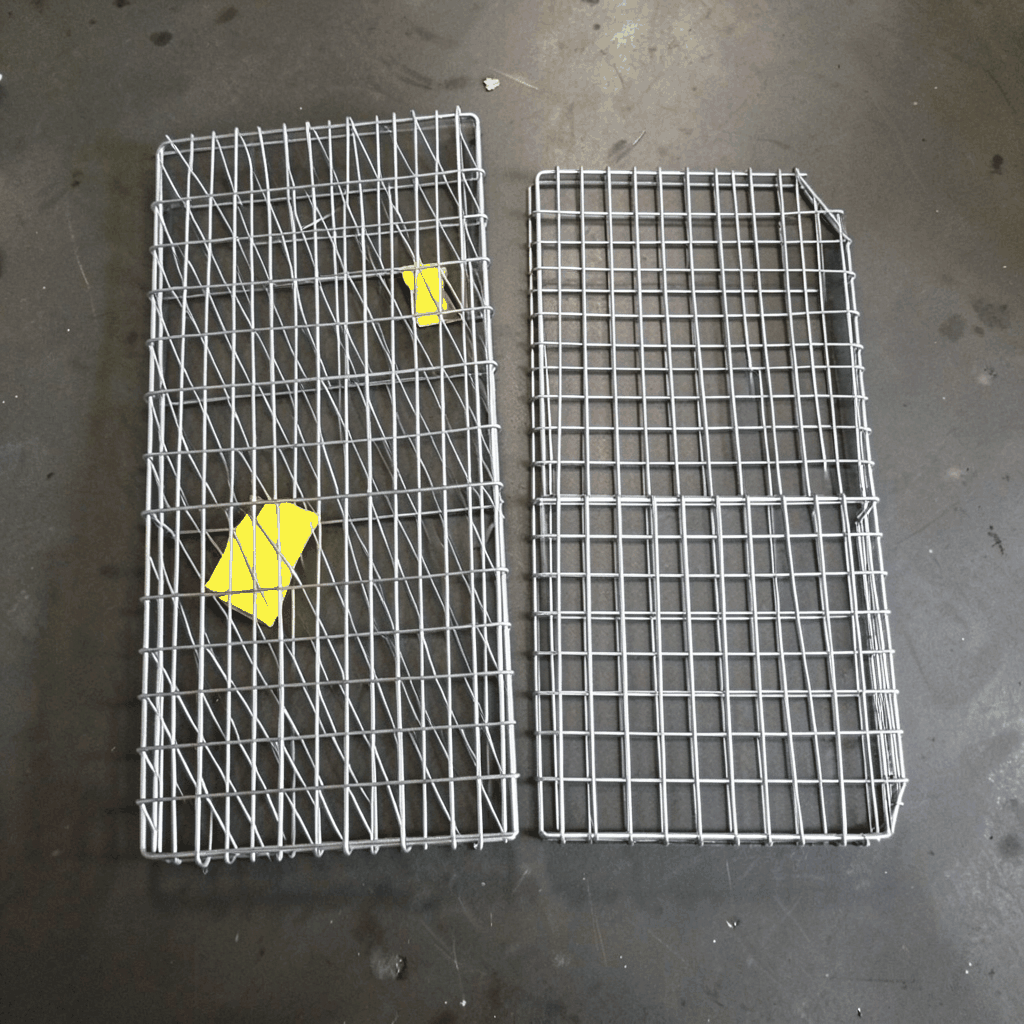
Galvanised welded mesh remains the workhorse for rural Australia. A hot-dip galvanised finish over a robust wire gauge offers excellent value for cattle dog runs, chicken yards, and boundary fences on properties beyond the suburban fringe. The zinc coating sacrifices itself over time, so buyers planning a thirty-year service life near the coast should consider stainless or a PVC over-galvanised product. Aluminium mesh suits lightweight applications such as aviaries or decorative partitions but lacks the impact strength needed for large working dogs.
PVC coated mesh over a galvanised core is popular for domestic settings because the coloured finish blends with landscaping and is gentle on coats. However, the polymer coating can chalk and fade under prolonged UV exposure, particularly on north-facing runs in Queensland. Where aesthetics and durability both matter, powder-coated stainless or a marine-grade stainless mesh delivers a better long-term outcome.
Mesh Aperture and Wire Gauge Specifications
Matching aperture to the animal is a matter of welfare and safety as much as containment. For poultry, a 25 mm aperture prevents young chickens from pushing through and deters rats, while still allowing sunlight and airflow. Snake exclusion in rural New South Wales and Queensland often requires a finer 10 mm or 12 mm mesh, particularly around the base of runs and aviaries, since even small pythons and brown snakes can squeeze through surprisingly narrow gaps.
Dogs vary enormously in size and strength. A kennel run for a kelpie or border collie in a suburban backyard in Canberra can be built from 50 mm by 50 mm welded mesh with a 4 mm wire diameter, while a run housing a mastiff or a German shepherd in an outer Melbourne suburb benefits from a heavier 5 mm or 6 mm wire. For boarding kennels housing powerful breeds such as rottweilers or cane corsos, 6 mm welded panels with 50 mm apertures offer a good balance between strength and visibility.
Wire gauge and panel rigidity go hand in hand. Light 2.5 mm mesh will sag over time and can be bent by an agitated animal, creating sharp edges and escape points. Heavier gauges hold their shape under impact and remain taut across wider spans, reducing the amount of framing needed. For horse enclosures, where a kick can deform thin mesh in an instant, welded panels of 6 mm or 8 mm wire are the minimum sensible specification.
Design Considerations for Backyard and Rural Setups
Australian councils have varied requirements for animal enclosures, and overlooking them can mean costly rebuilds. In Brisbane, for example, backyard chicken coops must be set back from boundaries and screened from neighbouring properties, while several Melbourne councils specify minimum enclosure sizes for dogs based on breed and height. Larger rural shires in Western Australia and South Australia focus on preventing stock escape and predator entry, particularly where wild dogs or dingoes range. Confirming local regulations before fabrication saves both money and time.
Ventilation and shade deserve close attention because Australian summers can turn a sun-exposed run into a heat trap within minutes. Mesh walls allow free airflow, but orientation matters; a run facing the western sun in Adelaide or Perth will need supplementary shade cloth, a solid roof section, or vegetation on the western boundary. Many professional kennel operators in northern New South Wales install roofed runs with mesh walls on three sides and a solid fourth wall, providing cross ventilation without direct sun.
Drainage is another often-overlooked factor. A kennel run set on compacted clay will turn to mud in a single downpour, harbouring bacteria and creating an unhealthy footing. Levelling the run slightly, adding a gravel base, or installing a concrete perimeter strip with mesh panels above keeps the interior dry and easy to clean. Working dogs, in particular, suffer from skin conditions and joint issues when housed on wet, uneven surfaces.
Coastal and Inland Environmental Factors
Coastal properties from Broome to Batemans Bay face a constant corrosion challenge that inland owners rarely consider. Salt-laden air travels considerable distances inland during strong sea breezes, accelerating the breakdown of unprotected steel. Within a few hundred metres of the surf, even hot-dip galvanised mesh can show surface oxidation within five to seven years, whereas stainless steel mesh of the appropriate grade will remain largely unmarked over the same period.
Inland Australia presents the opposite challenge: extreme heat and UV. The sun in places like Alice Springs or Mildura can drive surface temperatures of welded mesh panels above sixty degrees Celsius, stressing coatings and welds over time. Stainless and aluminium handle this well, but cheap galvanised mesh can experience zinc migration at welded joints, eventually creating weak points. UV-resistant PVC coatings help but should be specified by a manufacturer accustomed to Australian conditions rather than generic imported product.
Bushfire exposure is another consideration in peri-urban areas around the Adelaide Hills, the Blue Mountains, and parts of regional Victoria. Non-combustible metal mesh forms part of many ember-resistant designs, particularly around stables, aviaries, and outdoor pet areas. Stainless and galvanised mesh will not contribute to flame spread, and when integrated into a well-designed enclosure they offer meaningful protection during ember attack.
Fabrication Standards and Compliance
Quality fabrication is what separates a reliable enclosure from a recurring liability. Welds should be consistent, with full penetration at every intersection rather than spot tacks that can fail under impact. Edges must be dressed so that no wire ends protrude, since animals frequently press against and groom along mesh walls, and any sharp projection can cause injury. Reputable suppliers cut panels to size and pre-drill frame fixings, simplifying on-site installation and reducing the risk of misalignment.
Buyers should ask about wire sourcing and traceability. Mesh manufactured from certified mill wire with documented carbon content and tensile strength performs predictably, whereas mesh made from recycled or unverified wire may show variable weld quality. For commercial operations such as boarding kennels, catteries, or veterinary clinics, requesting mill certificates and a written specification before purchase is standard practice.
Frame integration matters as much as the mesh itself. A heavy mesh panel mounted to a flimsy timber post will fail long before the mesh does. Steel or heavy galvanised posts set in concrete footings, with mesh panels bolted rather than wired in place, give the longest service life. Where modularity matters, prefabricated panels with integrated frames can be assembled quickly on site, a system popular among professional kennel builders expanding facilities.
Installation and Long Term Value
Installation decisions made on day one shape maintenance demands for decades. Posts set at proper depths, panels kept clear of soil contact where possible, and gates hung on robust hinges all contribute to an enclosure that simply works year after year. Conversely, mesh stapled to timber framing with no allowance for movement will loosen within a season as the timber swells and contracts through Australian summers and winters.
Routine maintenance is straightforward but worth scheduling. A yearly inspection to check for loose fixings, corrosion at weld points, and any damage from digging or chewing extends service life considerably. Hosing down coastal enclosures every few months removes salt deposits, while inland enclosures benefit from clearing organic debris that traps moisture against the mesh.
The long-term value of well-specified mesh is significant. A premium stainless or heavily galvanised enclosure may cost more initially, but when amortised over twenty or thirty years the annual cost is modest. Cheap mesh replaced twice in the same period not only costs more overall but creates waste and disruption. For anyone planning a permanent animal enclosure, the maths strongly favours quality materials and considered installation from the start.
Practical Recommendations for Selecting Mesh
- Choose Grade 316 stainless for any enclosure within a kilometre of the coast, and Grade 304 for most inland suburban settings.
- Match aperture to the smallest animal or predator you need to exclude, accounting for snakes, rats, and young stock.
- Specify at least 4 mm wire diameter for small to medium dogs, and 6 mm or heavier for large or powerful breeds.
- Confirm local council regulations on enclosure setbacks, sizes, and screening before ordering fabricated panels.
- Ask suppliers about mill certification, weld testing, and sample panels before committing to large orders.
- Design for drainage, shade, and cross ventilation as core elements rather than optional extras.
A well-built animal enclosure is one of the most rewarding investments a property owner can make, paying dividends in animal welfare, property value, and daily convenience. Whether you are fencing a backyard chicken run in suburban Brisbane, building a professional kennel facility near Geelong, or upgrading a working dog yard on a station outside Charters Towers, the right mesh specification makes the difference. Reach out to a fabricator with proven experience in both architectural and industrial mesh products to discuss your specific needs and request a tailored quotation.