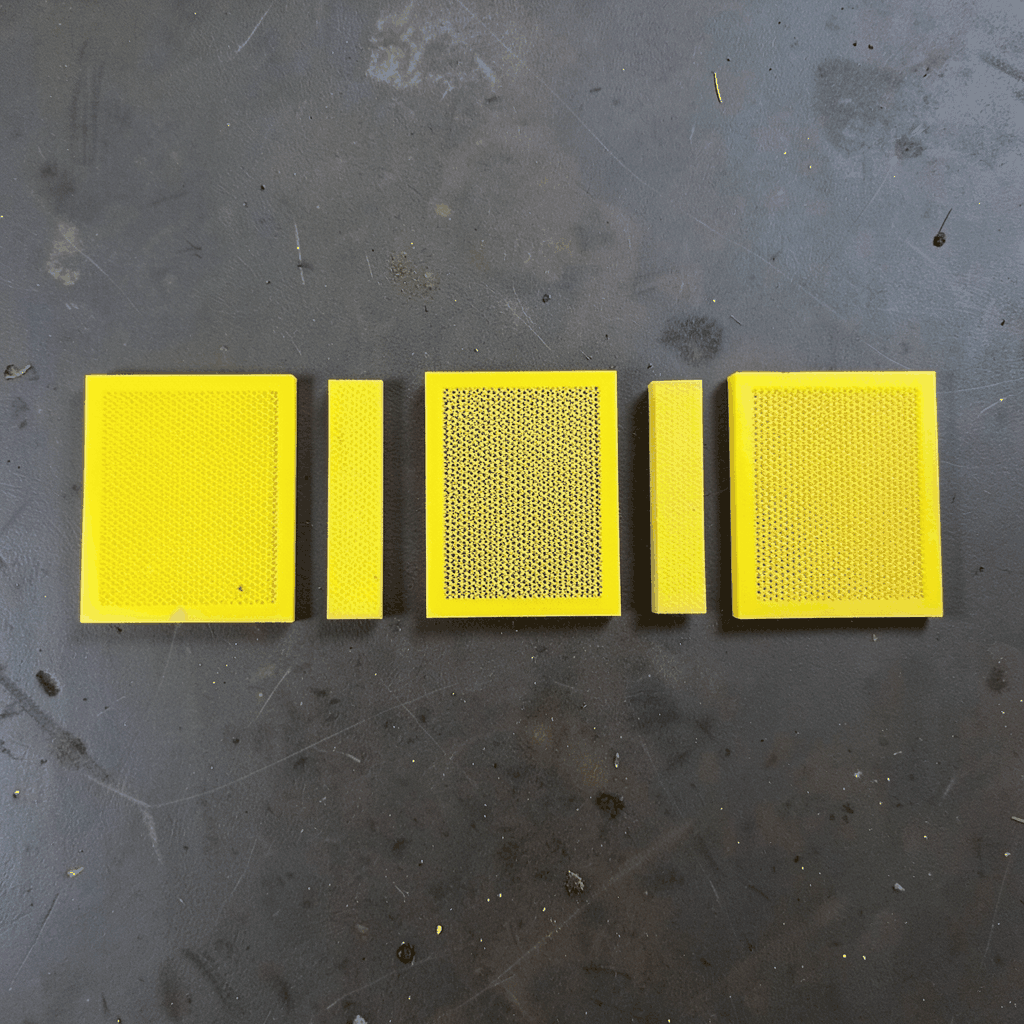
Wire Mesh for Gutter Guards and Leaf Prevention Systems
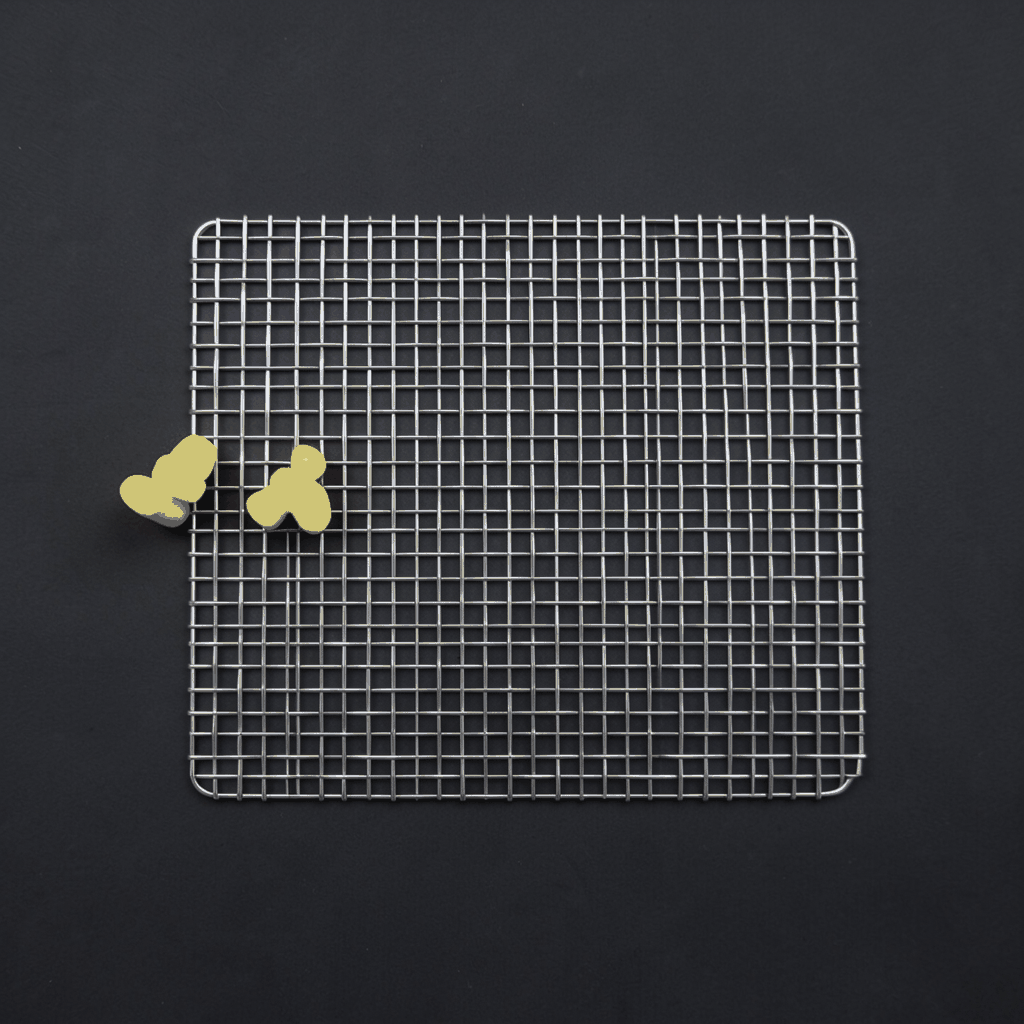
Australian homes and commercial buildings face a wide range of roof drainage conditions. Gum leaves, bark, seed pods, insects, dust and wind-blown debris can quickly collect in open gutters, restricting water flow and increasing the risk of overflow. A well-designed wire mesh gutter guard helps keep organic material out while allowing rainwater to enter the drainage system.
Metal mesh is a practical choice for leaf prevention because it can be manufactured in different apertures, thicknesses, profiles and finishes. Stainless steel, aluminium, copper and coated steel each provide different levels of corrosion resistance, strength and visual appeal. The correct specification depends on the roof, gutter shape, surrounding vegetation, climate and maintenance expectations.
For Australian projects, gutter protection must be treated as part of the complete roof drainage system rather than as a simple cover. Product selection should account for intense summer storms, coastal salt exposure, ultraviolet radiation, bushfire considerations and local building requirements. Shuo Ke Wire Mesh Product Technology Co., Ltd. provides custom metal mesh processing for residential, commercial, architectural and municipal applications.
Why Gutter Protection Matters
Leaves and debris can block gutter outlets, valleys and downpipes, causing rainwater to spill over the edge of the roof. Persistent overflow may stain façades, damage soffits, erode landscaping and contribute to damp conditions around foundations. In commercial buildings, blocked drainage can also affect entrances, loading areas and pedestrian routes during heavy rain.
A gutter guard made from formed or flat wire mesh creates a barrier over the channel while retaining open space for water flow. Compared with solid covers, mesh allows rain to pass through a large surface area and can reduce the speed at which leaves enter the gutter. The system still requires appropriate sizing and installation, because fine dust and small organic particles may accumulate on any protective surface.
The local environment strongly affects the need for protection. In Melbourne suburbs with mature deciduous trees, autumn leaf fall can create a concentrated seasonal load. In Brisbane and Sydney, subtropical vegetation, intense rainfall and humid conditions may combine leaves with moss and organic residue. In Perth, dry leaves and dust can be driven beneath poorly fitted covers by strong winds.
Selecting A Suitable Metal
Stainless steel mesh is widely used where long service life and resistance to corrosion are important. Grade 304 stainless steel is suitable for many inland and urban environments, while grade 316 stainless steel offers improved resistance in coastal areas exposed to salt spray. Properties near the New South Wales coast, around Melbourne bayside suburbs or in northern Queensland may benefit from the higher corrosion resistance of 316.
Aluminium mesh is lightweight and easier to handle on long roof runs. It can be a useful choice for residential projects where the supporting roof structure and gutter edges should carry minimal additional weight. Aluminium may be supplied in mill finish, anodised finish or a suitable coating, although the coating system should be selected for the local exposure conditions.
Copper provides a distinctive architectural appearance and develops a natural patina over time. It can suit heritage-inspired homes, premium residential developments and decorative roof details, but contact with dissimilar metals must be considered. Galvanic corrosion can occur when incompatible metals remain in direct contact in a wet environment, so fasteners, brackets and adjoining roof materials should be checked as part of the specification.
Aperture, Wire Size And Profile
Mesh aperture controls the type of debris that can pass through the guard. A larger opening may provide excellent water entry and resist surface clogging from leaves, while a smaller opening offers better control of pine needles, seed pods and insects. Extremely fine mesh can restrict airflow and require more frequent cleaning when exposed to dust, pollen or ash.
Wire diameter affects rigidity, impact resistance and expected service life. Thin wire can be suitable for light residential applications, but exposed commercial roofs, large spans and areas with frequent maintenance access may require a heavier gauge. The correct balance prevents unnecessary weight while providing enough strength to resist wind, handling and accumulated debris.
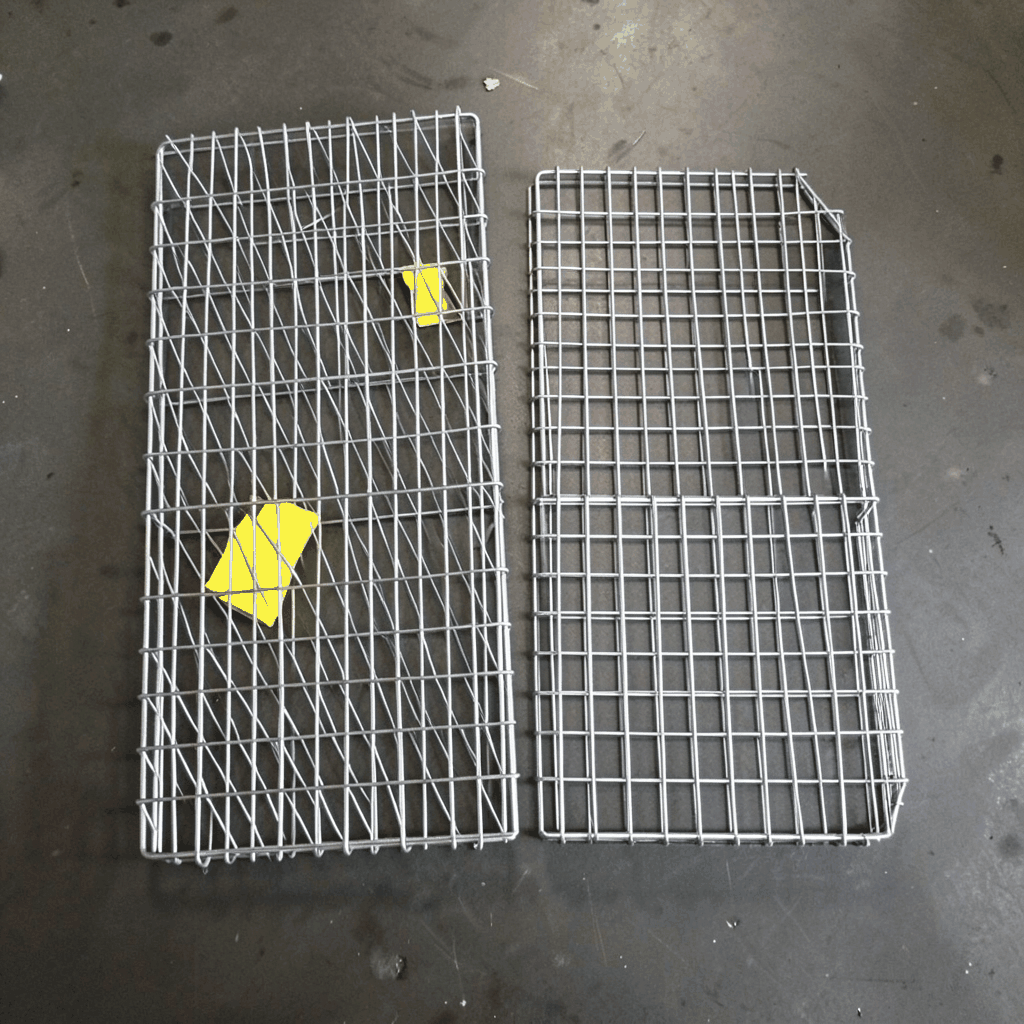
The profile is equally important. Flat mesh is easy to cut and adapt, while expanded or corrugated forms can provide additional stiffness and create a small gap above the gutter. Folded edges, raised ribs and shaped panels can improve alignment with box gutters, half-round gutters, quad gutters and custom drainage channels. A manufacturer can develop the panel dimensions around the actual gutter geometry instead of relying on a one-size-fits-all roll.
Australian Weather And Compliance
Australian roof drainage must cope with short periods of intense rainfall as well as long dry intervals. Stormwater drainage design is commonly considered alongside AS/NZS 3500.3, the relevant part of the plumbing and drainage standards, while the National Construction Code and local authority requirements may also apply. A mesh guard should never reduce the effective capacity of a gutter or downpipe system.
Bushfire-prone locations require special care. A standard leaf guard is not automatically an ember guard, and ordinary mesh may not meet the performance requirements for a particular Bushfire Attack Level. Homes in areas such as the Blue Mountains, Adelaide Hills, outer Melbourne or parts of regional New South Wales may require assessment against planning conditions and bushfire construction provisions. Designers should confirm the required system with the building surveyor, certifier or relevant authority.
Cyclonic regions in northern Queensland, the Northern Territory and northern Western Australia also demand secure fixing and careful attention to wind loads. A lightweight panel with inadequate clips can lift, deform or detach during severe weather. Coastal sites need a corrosion-resistant material and compatible fasteners, while urban properties near busy roads may face additional airborne dust and pollution.
Installation And Gutter Integration
A durable leaf protection system begins with an accurate site assessment. Installers should inspect the gutter width, fascia condition, roof pitch, outlet position, downpipe capacity and existing brackets before ordering mesh panels. Damaged or poorly pitched gutters should be repaired first; a cover cannot correct standing water, inadequate fall or undersized drainage.
Mesh can be fixed beneath the first course of roof tiles, attached to the fascia, clipped to the gutter lip or supported by brackets across the channel. The method depends on the roof covering and whether access is available without disturbing tiles or flashings. Fasteners should resist corrosion and should not create new water entry points or damage protective roof coatings.
The leading edge should be positioned to prevent leaves from sliding beneath the guard, while the mesh should not sit so low that it obstructs the gutter. Joints need sufficient overlap or a secure connection to prevent gaps from opening through thermal movement or wind vibration. On long buildings, expansion and movement should be considered when selecting panel lengths and fixing intervals.
Practical Specification Checklist
The right specification varies according to the surrounding trees, roof material and exposure level. The following details are useful when discussing a gutter mesh project with a manufacturer or installer:
- Gutter type, width, depth and overall roof perimeter
- Roof covering, pitch, fascia condition and access limitations
- Typical debris, including gum leaves, pine needles, bark or seed pods
- Exposure to salt air, cyclonic wind, dust, pollution or bushfire risk
Material and finish should then be matched to the expected service environment. A stainless steel guard may be preferable for a coastal apartment, while coated aluminium can be appropriate for a lightweight residential installation. For a heritage or visually prominent building, the finish and edge treatment may be just as important as the mesh opening.
The project should also define cleaning access and replacement expectations. Even an effective gutter guard needs occasional inspection, particularly after storms, nearby tree work or prolonged dry weather. The following maintenance provisions can be included in the design:
- Removable sections above outlets and corners
- Safe access for inspection and seasonal cleaning
- Stronger mesh or supports near ladders and service areas
- Clear identification of joints, clips and drainage outlets
Custom fabrication can reduce cutting and patching on site. Panels can be supplied with folded edges, pre-punched fixing holes, corner sections or different mesh specifications for separate roof zones. This is especially useful on schools, warehouses, apartment complexes and municipal buildings with long or irregular gutter runs.
Maintenance And Long-Term Performance
Gutter guards reduce the amount of debris entering the channel, but they do not eliminate maintenance. Leaves may collect on top of the mesh, especially where branches overhang the roof. Fine material can also wash through the openings and settle near outlets. Inspection should be scheduled before the wet season and after major storms, with additional checks where large trees are close to the building.
Cleaning methods should suit the mesh material and finish. A soft brush, low-pressure water spray or controlled air cleaning may remove loose debris without deforming the panels. Harsh chemicals, aggressive pressure washing and incompatible metal tools can damage coatings or accelerate corrosion. Stainless steel should still be checked for contamination from carbon steel particles, cement dust and construction residue.
Performance depends on the complete system, including the roof edge, clips, fasteners, gutter fall, outlets and downpipes. Rust marks, loose edges, blocked sections, bird nesting or water overflowing during rain indicate that an inspection is needed. If a guard repeatedly clogs, the aperture, profile or support arrangement may need to be reassessed rather than simply cleaned more often.
For larger properties, maintenance records can identify recurring problem areas. A facility manager may find that shaded southern roof sections collect moss while exposed western sections receive more dust and wind-blown leaves. Dividing the roof into service zones allows mesh selection and cleaning schedules to reflect actual site conditions.
Custom Mesh Solutions For Australian Projects
A manufacturer experienced in metal mesh processing can produce solutions for different roof forms and project scales. Shuo Ke Wire Mesh Product Technology Co., Ltd. works with stainless steel, aluminium, copper, iron and other alloys, supporting custom dimensions, finishes and fabrication requirements. Its broader capabilities in architectural and industrial mesh can also assist when gutter protection forms part of a larger façade, fence or screening package.
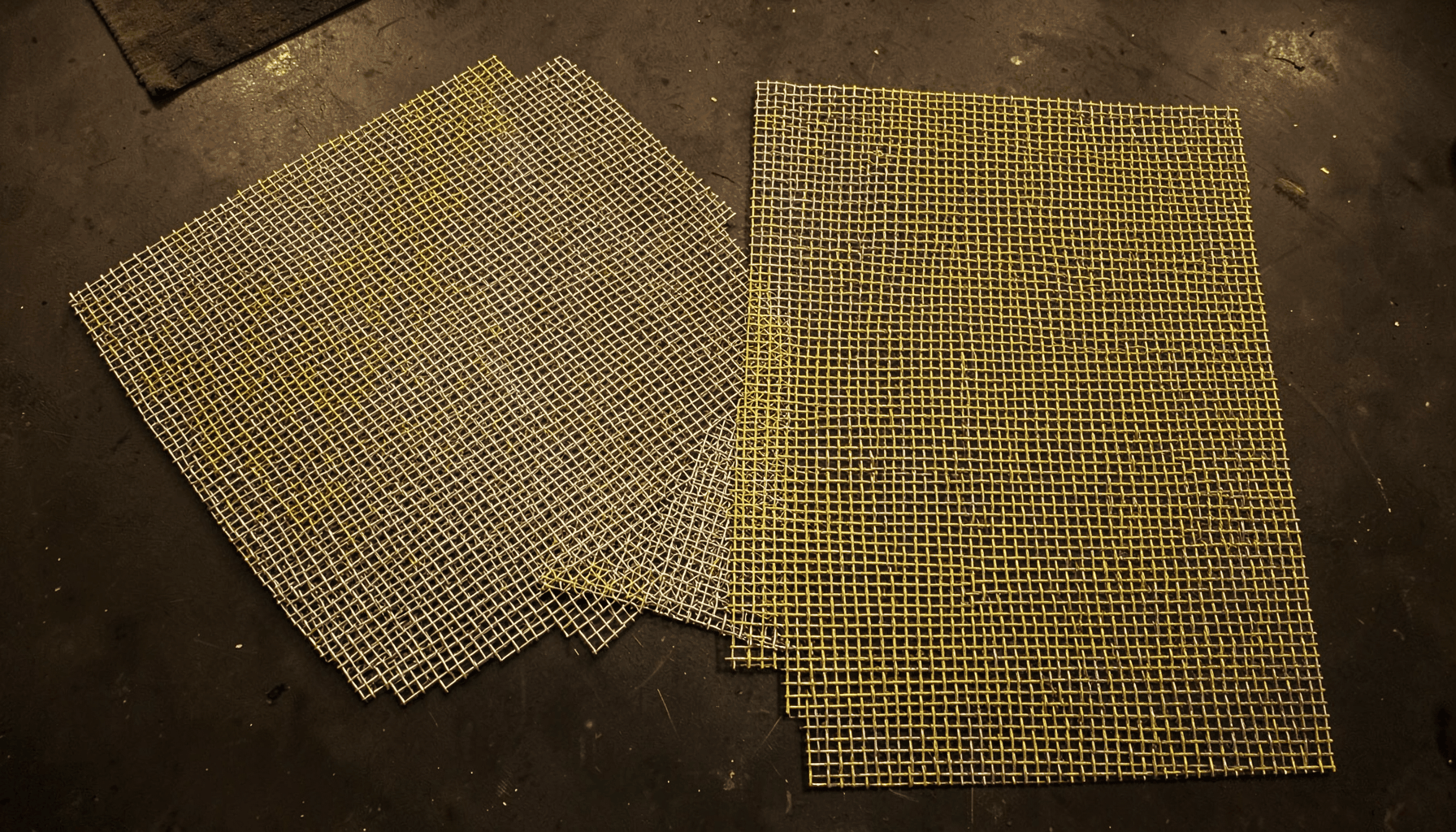
Custom gutter mesh may be manufactured as flat sheets, rolled strips, folded panels or shaped components. Perforation and woven wire options can be evaluated according to the required balance between water flow, debris exclusion and structural strength. Edges may be trimmed, folded or reinforced to simplify installation and improve visual consistency along the roofline.
For Australian buyers, clear technical information is important. Quotations should identify the material grade, wire diameter, aperture, panel size, finish, fixing approach and expected exposure conditions. Sample panels can help confirm colour, rigidity and compatibility with existing gutter components before a large order is placed.
Whether the project is a suburban home in Melbourne, a coastal commercial property in Sydney, a tropical building in Brisbane or a large facility in Western Australia, the guard should be designed around the site. Properly specified metal mesh supports cleaner gutters, more reliable stormwater flow and a neater roof edge without turning routine maintenance into a constant repair task.
Shuo Ke Wire Mesh Product Technology Co., Ltd. can develop architectural and industrial mesh components to suit project drawings, material requirements and application conditions. Share the gutter dimensions, roof details, local exposure and preferred finish to begin a practical specification for a durable Australian leaf prevention system.