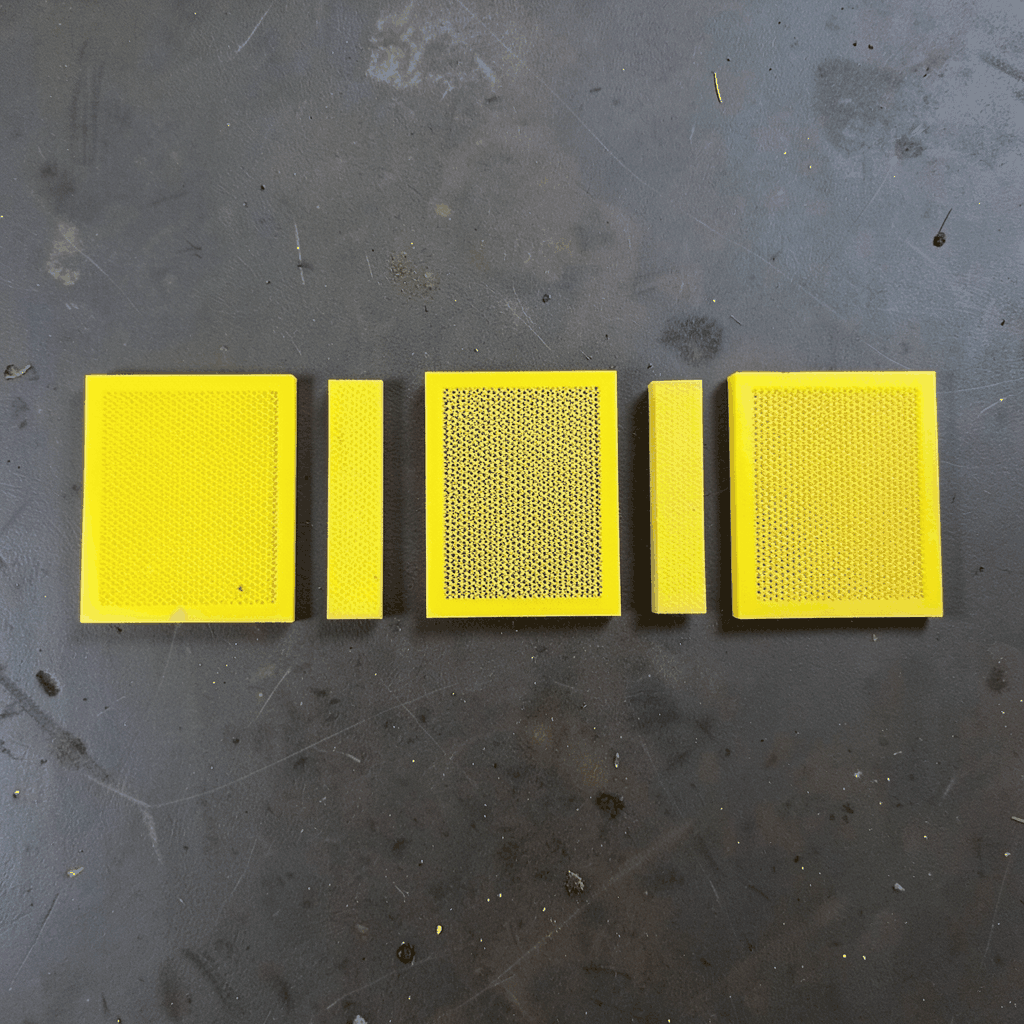
Wire mesh for plaster and stucco lath reinforcement
Metal mesh used for plaster and stucco lath reinforcement gives a thin render coat a continuous carrier, a mechanical key and a means of distributing minor cracking. The mesh is fixed to a suitable substrate, covered with a base coat and finished with the render system’s top coats. Correct selection affects how the finish grips, whether the face remains plane, and how the wall responds to movement across its life.
Australian builders and renderers usually say “render” for a cement-based external finish, while “stucco” is understood but less common. “Plaster” can also mean gypsum plasterboard, which is a separate lining system and may not need metal lath. On a Melbourne townhouse, a Sydney apartment or a Brisbane renovation, the conversation often begins with the existing wall, the render manufacturer’s requirements and the exposure of the elevation—not with a generic mesh size.
Good performance starts with treating the lath as part of a tested wall assembly. Aperture, metal thickness, corrosion resistance, support spacing and coating compatibility all matter. A heavier product is not automatically better: excessive rigidity can transmit movement, while undersized or poorly supported mesh may buckle, tear or allow the base coat to fall away.
What the reinforcement does in a rendered wall
The first function is mechanical keying. Expanded openings or the intersections of welded wire allow the wet base coat to flow through and form an anchor on the back of the lath. This gives a plaster or render finish more holding area than a smooth, unreinforced substrate.
Mesh also reinforces the base layer. When a masonry or AAC wall contracts, warms or receives minor impact, the bonded grid can bridge small cracks and restrain raveling at vulnerable edges. It cannot repair major structural movement, and it does not remove the need for properly located movement and control joints.
The finish system still determines the outcome. Base-coat thickness, aggregate grading, curing, reinforcement placement and the manufacturer’s tested details control cracking and bond strength. Lath should never be treated as a way to conceal an unstable substrate, failed flashing or recurring movement. Where several finishes meet, transition areas require their own reinforcement and trim; carrying one field mesh across an incompatible material change often creates a weak interface.
Choosing a suitable metal lath profile
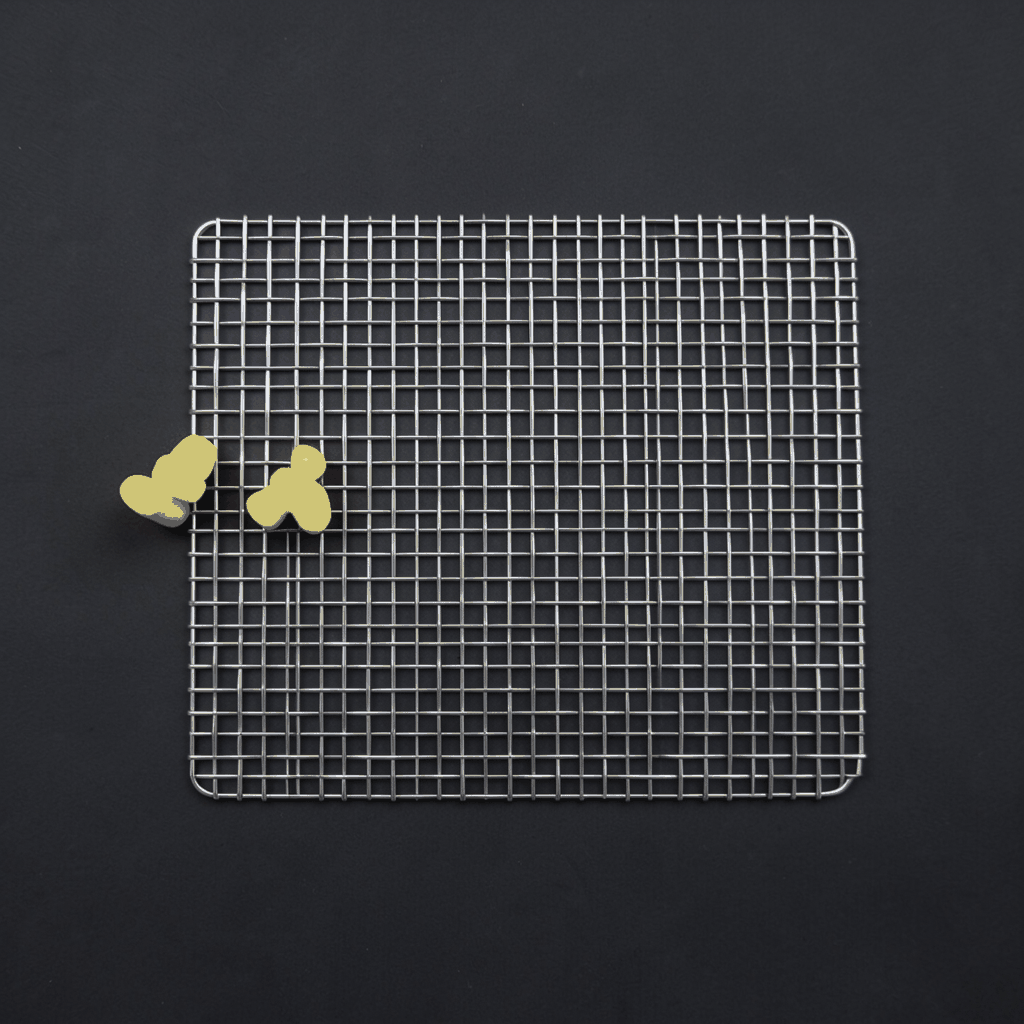
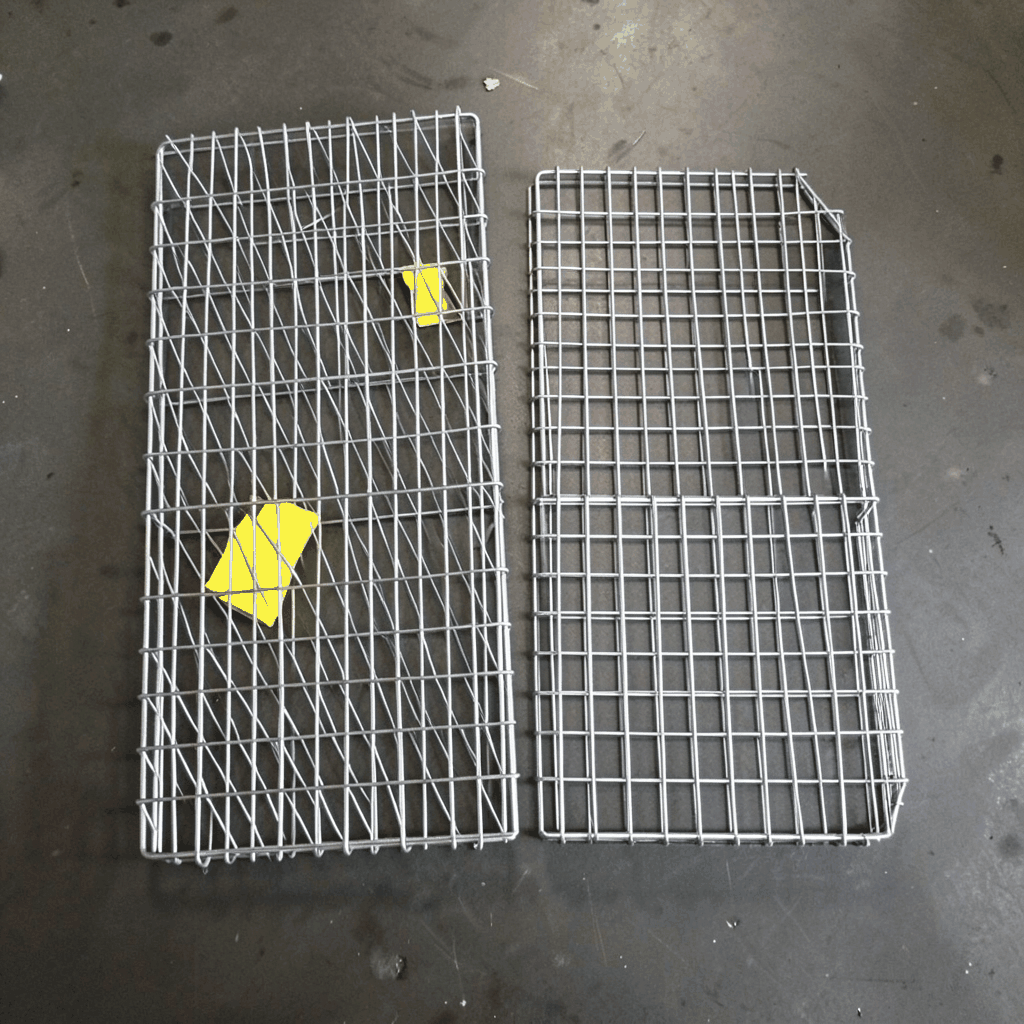
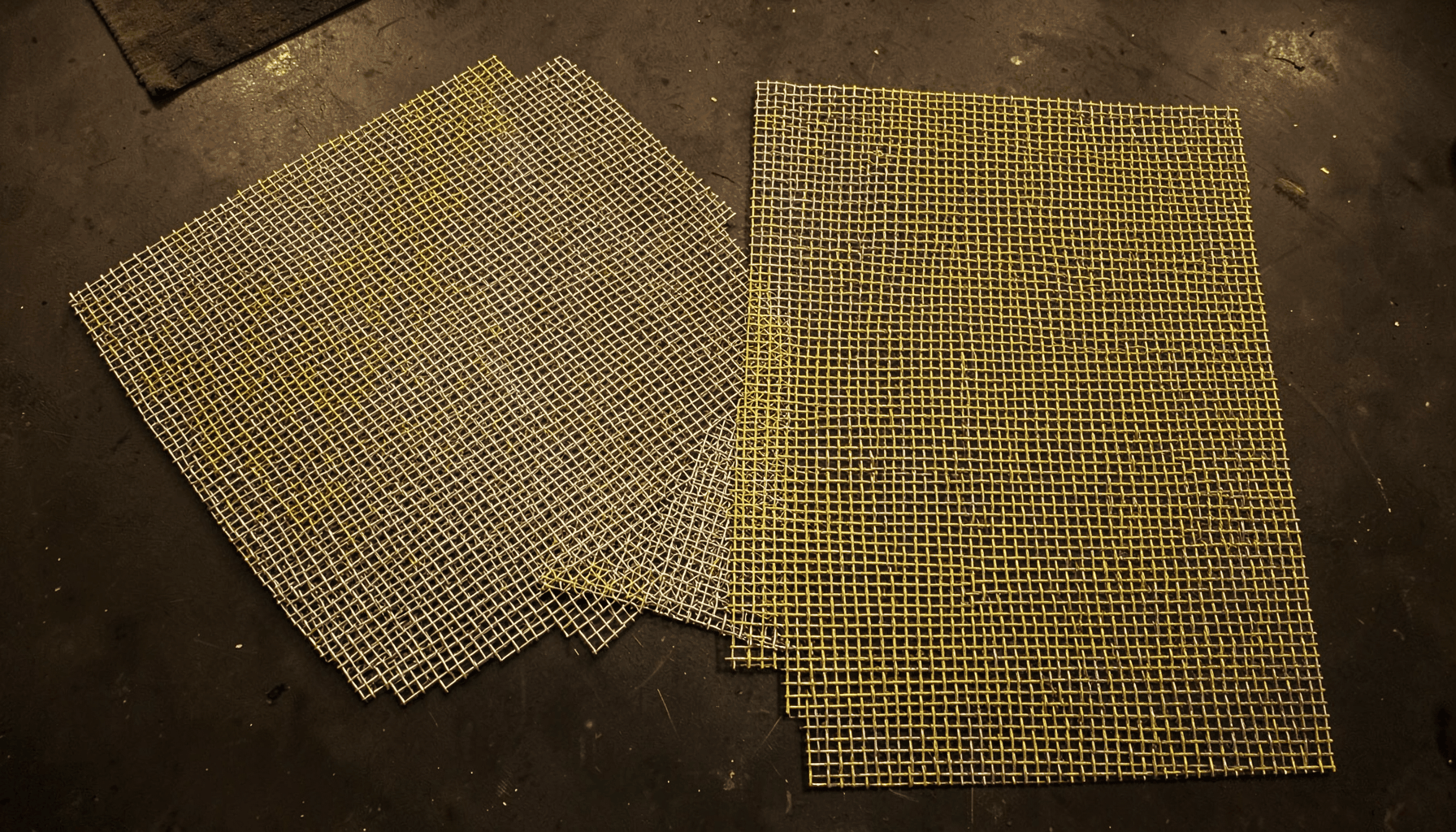
Expanded metal lath is commonly associated with render because its formed edges provide a strong key. Welded wire mesh offers a regular grid and predictable dimensions, while woven or welded lath can suit plaster applications where the system specifies a flatter carrier. The right choice comes from the render or plaster system’s tested details rather than a rule that one profile works on every wall.
Material selection is equally important. Aluminium is light and naturally corrosion resistant, but its strength, coating and compatibility with render chemistry must be confirmed. Stainless steel provides a robust option; 316 grade is often considered for exposed coastal locations, while 304 may suit milder conditions. Galvanised wire can be appropriate in some systems only where its coating and embedment have been assessed. Copper offers decorative possibilities but requires a different design approach.
Ask the supplier for declared sheet dimensions, aperture size, wire or sheet thickness, edge treatment, coating, tensile properties and relevant test information. Any generic online summary—such as this wire mesh overview—can help organise terminology, but it must not replace current manufacturer data, a sample panel or the project-specific specification. Dimensional consistency also matters on large elevations because misaligned panels can telegraph through a smooth finish.
Australian conditions and compliance
Specify against the National Construction Code and the current editions of the standards named in the render system’s documentation. AS 2700 covers render and finish-coat work, while AS/NZS 2589 is relevant to gypsum plaster and monolithic wall linings. Lining, wet-area and fire provisions can vary under NCC Volumes One and Two, so the certifier and render manufacturer should confirm the applicable edition and test evidence. Contract documents should identify who is responsible for demonstrating compatibility between the lath, render, insulation and fixing system.
Exposure changes the practical specification. Salt-laden air around Sydney, the Gold Coast and other coastal suburbs can attack susceptible metal fixings and coatings. Brisbane’s humid summers and heavy rain make drainage and corrosion control important, while Melbourne’s sharp temperature changes can reveal weak substrate preparation and inadequate movement detailing. In cyclone-affected northern Queensland, lath fixing and the complete render assembly must meet the relevant wind and uplift requirements; the mesh alone is not a cyclone-rated wall.
Bushfire-prone areas add another check: metal lath is non-combustible, yet the complete wall must still achieve the required fire performance. Likewise, metal lath is not a termite-management system. Local merchants commonly stock standard sheets and rolls for trade customers, but unusual apertures, cut-to-size pieces or coastal-grade materials may need to be ordered specifically, with samples approved before a full façade or internal feature wall is ordered.
Installation essentials for render applicators
Prepare the substrate before the lath arrives. It should be clean, dimensionally stable, adequately bonded and free from laitance, oil or loose material. Check the render manufacturer’s requirements for damp-proofing, wet-area membranes and insulation interfaces. Place the lath on a continuous support where specified, with fixings at documented centres and enough tension to remain flat without stretching the mesh.
Overlap adjacent sheets by the amount required by the tested system and fix the overlap securely. Butt joints alone can open and produce a straight crack line. Keep laps away from engineered movement joints and corners where possible, because concentration of movement at a rigid lap often creates the visible defect the reinforcement was intended to prevent. Use stainless or corrosion-compatible clouts, staples and tie wire in aggressive environments, and avoid forcing mesh tightly into corners where the detail needs room to move within its joint.
Control detailing is as important as the field area. Angle trim, stop beads, window heads, reveals, flashings and movement joints need to suit the lath, base coat and finish coat as one assembly. Inspect for flatness, damaged coating, sharp edges, corrosion, overlapping, fixing failures and exposed fabric before the base coat hides them. A small sample on the actual substrate should also demonstrate coverage, adhesion and the intended finish texture.
Specification checklist and next steps
A clear tender or purchase description should capture the performance and installation requirements rather than merely naming a mesh type. Use this checklist when preparing a package for an Australian render or plaster project:
- Define the substrate, wall system, finish coat and internal or external exposure, then identify the render manufacturer’s approved lath profile and fixing pattern.
- State aperture, sheet or wire size, thickness, panel dimensions, material, grade, coating and tolerance requirements in millimetres rather than relying on a photograph.
- Separate galvanised, aluminium, 304 stainless and 316 stainless options clearly, and request evidence suited to coastal, cyclone, fire or wet-area conditions.
- Specify laps, support spacing, fixing type, edge treatment, movement joints and corner detailing together so the installation remains a tested assembly.
- Require a representative sample, current product data and a hold point for substrate and fixing inspection before the base coat is applied.
For a custom quote, send the wall drawings, substrate details, preferred finish system, required sheet size, exposure location and approximate quantity to Shuo Ke Wire Mesh Product Technology Co., Ltd. Its production range includes stainless steel, aluminium, copper, iron and other alloys, with options for cut panels, rolls, coated mesh and project-specific mesh forms. Contact the company with those details and request a sample and material comparison before releasing the order.