
Wire Mesh in Plastering for Corner Beads and Reinforcing Lath
Across Australian construction sites, from brick-veneer homes in Brisbane's western suburbs to coastal renovations along Sydney's Northern Beaches, plastering relies on a quiet framework of metal components that rarely draws attention but does the heavy lifting. Corner beads define crisp edges where two walls meet, while reinforcing lath sits behind the render, distributing stress and preventing the hairline cracking that plagues surfaces exposed to movement and heat. Together they form the hidden skeleton of a durable plaster finish. Choosing the right wire mesh products for these roles affects not only the immediate appearance of a wall but also its long-term performance under Australian climatic extremes.
Modern plastering demands more than traditional practice. The National Construction Code sets strict requirements for fire resistance, structural stability, and weatherproofing, while Australian Standards such as AS/NZS 2589 govern the application of plasterboard and associated finishes. In regions affected by bushfire attack levels or marine salt spray, the specification of metal accessories becomes a technical decision rather than a simple procurement task. Understanding the differences between corner beads and reinforcing lath, and knowing how each behaves under local conditions, helps builders, renderers, and homeowners avoid costly callbacks and premature repairs.
This article explores the practical engineering behind these plastering essentials, looks at material choices suited to Australian environments, and outlines how custom wire mesh solutions from Chinese manufacturers like Shuo Ke support both everyday construction and specialised restoration work across the country.
Corner Beads and Their Functional Role in Plastered Walls
Corner beads are thin metal strips, typically formed from galvanized steel, stainless steel, or PVC-coated versions of the same, that reinforce external corners of plastered walls. They create a true 90-degree or bullnose profile, protecting the vulnerable edge from impact damage and providing a screed guide for the renderer. Without a bead, the corner is left as raw plaster, prone to chipping and unevenness that worsens with seasonal movement.
In Australian homes, corner beads appear in three common locations: at the junction of masonry and stud walls, around window reveals, and along ceiling-to-wall transitions. Their profile may be square for crisp architectural lines common in contemporary Melbourne apartments, or rounded for the softer aesthetic often preferred in Queenslander renovations around Brisbane. The choice of profile influences both the visual outcome and the way light catches the corner, an understated but important detail in interior design.
Material specification matters more than many builders realise. A bead manufactured from standard galvanized steel performs well in temperate zones such as Adelaide or Canberra, but in coastal suburbs like Coogee or Scarborough the salt-laden air will eventually compromise the zinc coating, leading to rust bleeding through the plaster. Stainless steel corner beads, although more expensive upfront, eliminate this risk and are frequently specified for beachfront properties, pool enclosures, and any structure within several hundred metres of breaking surf.
Reinforcing Lath and the Mechanics Behind Crack-Resistant Render
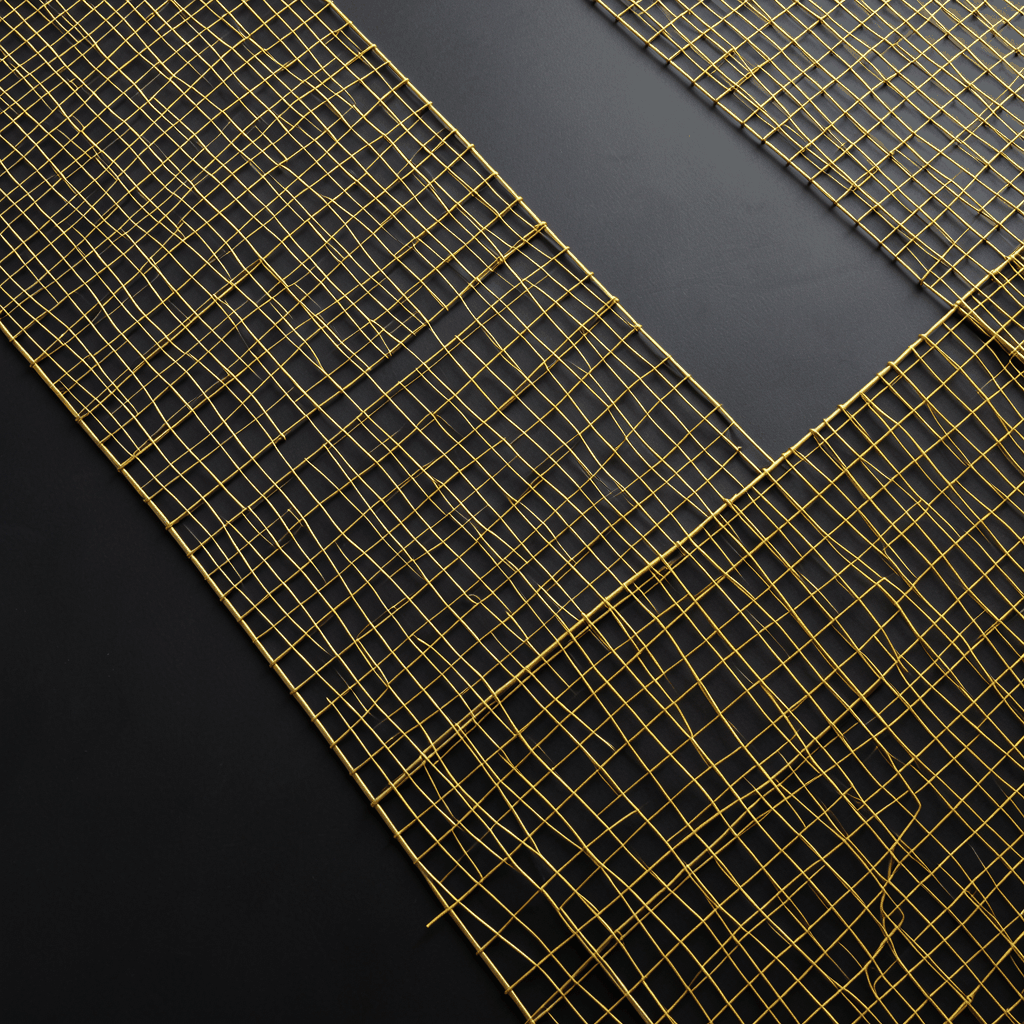
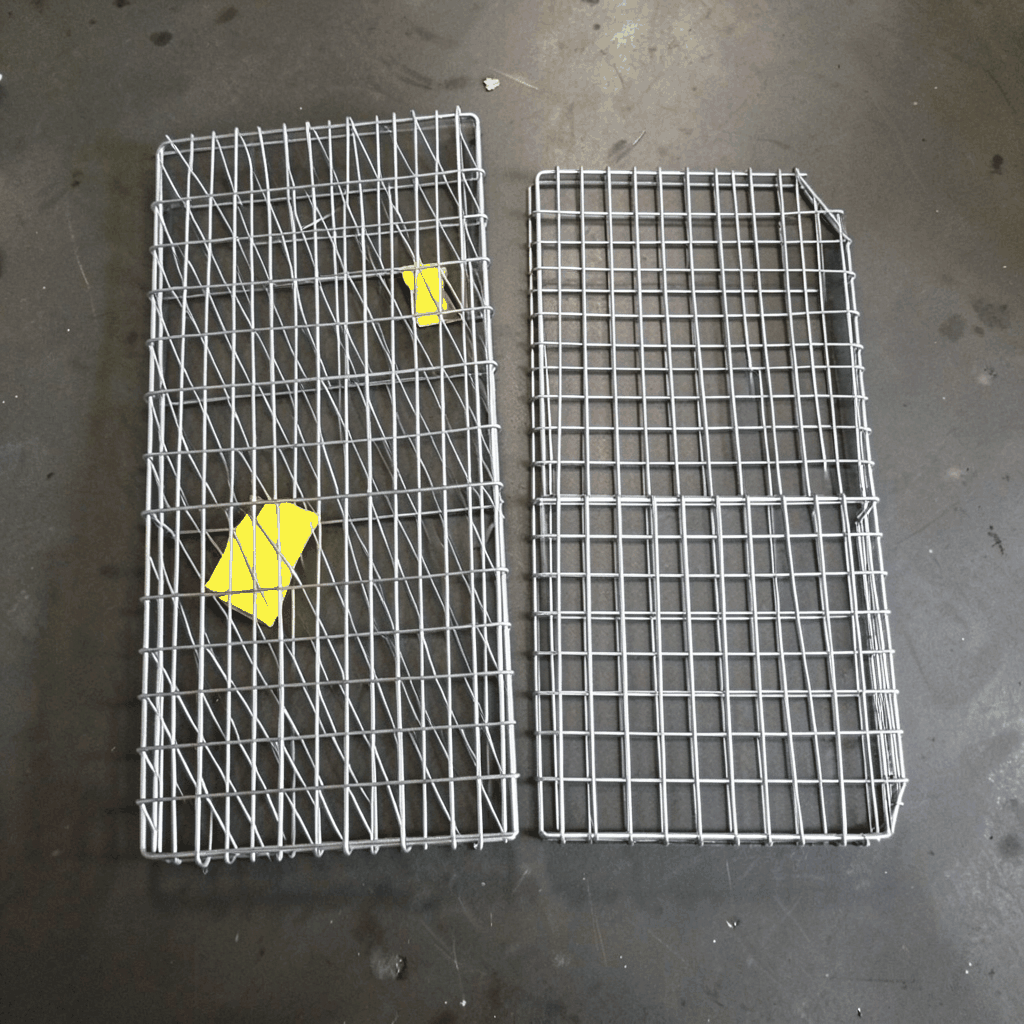
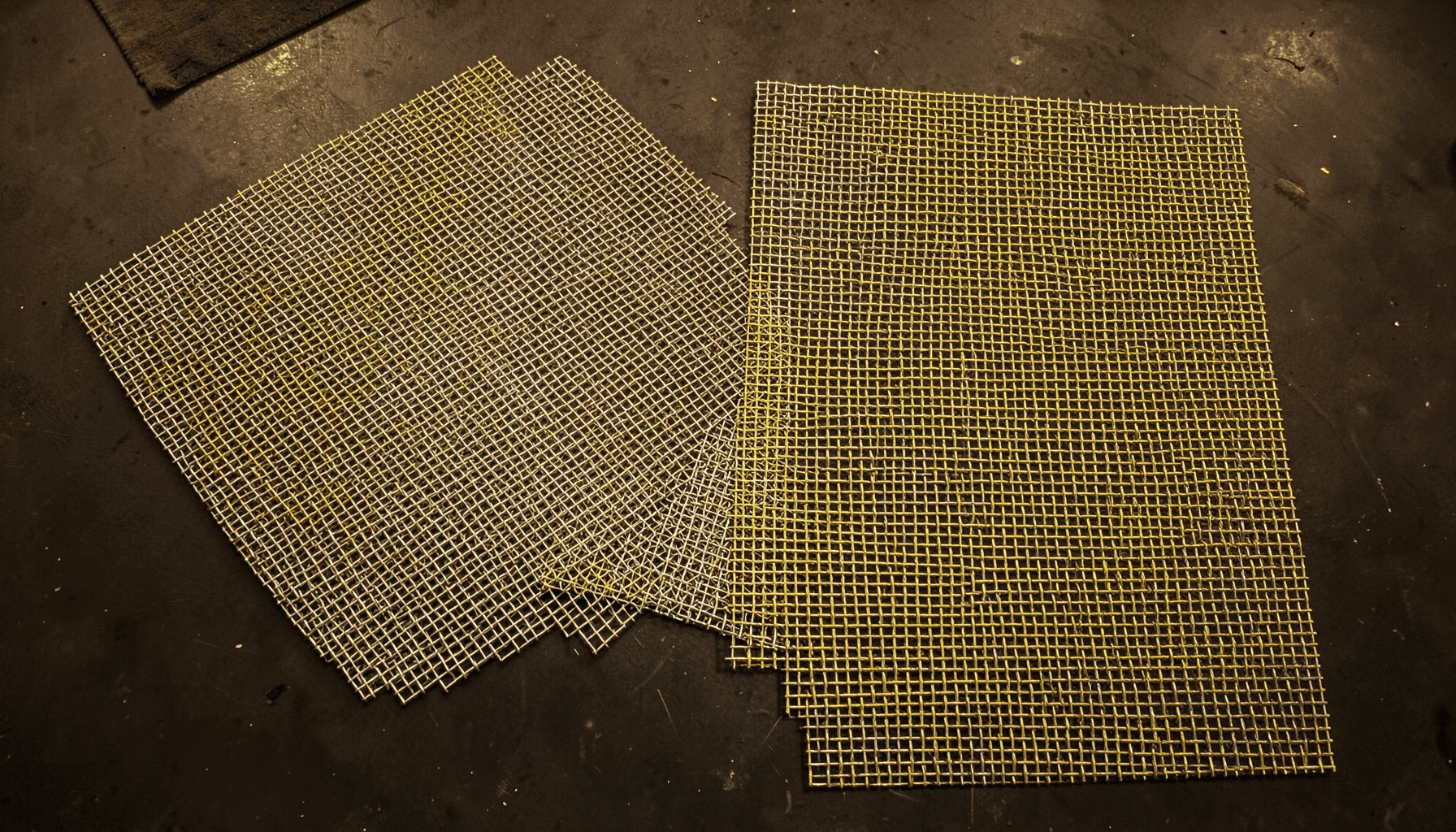
Reinforcing lath functions as the substrate to which plaster or cement render keys. Expanded metal lath, welded wire mesh, and rib lath are the three principal formats, each cut or formed from sheet steel that is then slit and stretched to create a diamond or hexagonal pattern. The openings allow render to squeeze through and lock mechanically against the back of the sheet, forming an integral composite once cured.
For external rendering on Australian brick homes, expanded metal lath remains the most widely used option. It accommodates the slight thermal expansion that occurs between cool mornings and hot afternoons, particularly on west-facing walls in Perth where afternoon temperatures frequently push past forty degrees. The lath absorbs differential movement between masonry and render, dramatically reducing the straight-line cracks that would otherwise telegraph across the finished surface.
Lath specification is dictated by the substrate and the render thickness. Light diamond mesh suits plaster applications of six to ten millimetres, while heavier rib lath is reserved for cement-based renders exceeding twenty millimetres, such as those applied to boundary walls, retaining features, or commercial facades. In multi-storey construction across Sydney's CBD, rib lath is often specified where acoustic and fire-rating requirements demand thicker, denser plaster assemblies. The correct pairing of lath type, fixing method, and render thickness ensures compliance with AS/NZS 2589 and the structural provisions of the National Construction Code.
Material Choices for Coastal, Bushfire, and Heritage Contexts
Australia's geographical variety demands nuanced material selection. Marine environments within roughly one kilometre of the coast accelerate corrosion of standard coatings, making stainless steel grades such as 304 or 316 the safer option for both beads and lath. Stainless reinforcement is standard practice in high-end Sydney harbourside apartments and in resort construction along the Gold Coast, where salt exposure is constant and aesthetic longevity is paramount.
Bushfire-prone regions introduce a separate set of considerations. Building in BAL-29 or BAL-40 zones, common across the hills surrounding Adelaide or the peri-urban fringes of Melbourne's Dandenong Ranges, requires non-combustible components throughout the wall assembly. Wire mesh lath and steel corner beads contribute positively to fire resistance ratings, but the fixing method and any polymer components in coated products must also be evaluated against AS 1530 standards. Specifiers in these areas often require documentary evidence of material composition and batch traceability.
Heritage restoration adds a third dimension. Re-plastering Victorian-era terraces in inner-Melbourne suburbs like Carlton or Fitzroy, or working on Federation-era homes in Sydney's Paddington, calls for techniques sympathetic to the original construction. Lath used in such projects must replicate the behaviour of historic timber or metal substrates without introducing modern stresses. Stainless steel reinforcement, paired with lime-based renders rather than modern cement, preserves the breathability that protects older masonry from trapped moisture. Custom profiles can be pressed to match period-appropriate bullnose or chamfered corners, ensuring the finished work reads as authentic.
Installation Methods That Satisfy Australian Standards
Correct installation turns a good product into a reliable system. Corner beads are typically fixed with galvanised nails, screws, or staples at intervals no greater than 150 millimetres along each flange, ensuring the bead remains rigid as render is applied. In timber-framed construction, this spacing prevents flexing that would telegraph through to the finished surface. In steel stud applications, self-tapping screws with corrosion-resistant coatings provide similar security.
Reinforcing lath installation begins with checking that the substrate is sound, clean, and free of contaminants that might impair bond. Sheets are lapped a minimum of fifty millimetres at joints, with laps staggered across the wall area so no continuous seam runs from floor to ceiling. Fixings are driven into the studs or masonry at a pattern that delivers at least twenty fixings per square metre, increasing to thirty or more on ceilings where gravity works against adhesion. The lath must be taut against the substrate, with any sagging pulled tight before render is applied.
Australian Standards also require that render and plaster systems be allowed to cure under suitable conditions. On a Brisbane building site in summer, fresh render can dry too rapidly, leading to shrinkage cracking, while a winter job in Hobart may need extended protection from frost. Builders familiar with the regional rhythm of their work schedule these critical early stages accordingly, sometimes tenting or misting the surface to maintain consistent hydration. These field decisions affect how well the underlying mesh performs over the long term.
Common Pitfalls and How the Right Mesh Avoids Them
Failures in plastered walls often trace back to underspecified mesh. A frequent oversight on residential sites is using interior-grade corner beads on external applications, where exposure to weather cycles quickly degrades the protective coating. Another is substituting light diamond lath where rib lath was specified for thicker renders, resulting in sagging and detachment under the added weight.
Specifying mesh that does not suit the render chemistry creates its own problems. Gypsum-based plasters behave differently from cement renders, and mesh coatings must be compatible with the alkalinity of cement products. Hot-dip galvanised lath is generally acceptable for cement render, while electro-galvanised coatings may degrade prematurely in highly alkaline mixes. Stainless steel remains the universal option for projects where uncertainty exists or where chemical exposure is anticipated.
Cutting corners on fixings and laps is another recurring issue. Insufficient laps produce visible cracking along joints as the building settles, and inadequate fixings allow the lath to drum or pull away, producing hollow patches that sound wrong when tapped. Addressing these details at specification stage eliminates most of the call-back work that plagues renderers across Australian capital cities and keeps projects moving on schedule.
Sourcing Wire Mesh Components From Chinese Manufacturers
Shuo Ke Wire Mesh Product Technology Co., Ltd. produces a comprehensive range of corner beads, expanded metal lath, rib lath, and welded wire mesh panels tailored to international construction markets. Australian importers and builders benefit from the company's customisation capability, including non-standard profiles for heritage replication, specific stainless grades for marine applications, and bulk packaging suited to containerised freight through the major ports of Sydney, Melbourne, and Fremantle.
Working with a manufacturer experienced in architectural mesh production allows Australian distributors to coordinate material certification, batch testing, and documentation required under local standards. This includes mill certificates for stainless grades, coating thickness verification for galvanised products, and dimensionally accurate profiles that meet the tolerances expected by renderers using modern mechanical tools. The result is a smoother supply chain and predictable on-site performance across everything from a single home extension to a multi-tower development.
For projects ranging from a Brisbane renovation to a commercial facade in Perth's CBD, sourcing the right combination of corner beads and reinforcing lath underpins plaster quality. Engaging with a specialist mesh producer early in the specification process ensures that the components selected align with render chemistry, environmental exposure, and Australian regulatory requirements.
For tailored advice on specifying wire mesh products suited to your next Australian project, contact Shuo Ke Wire Mesh Product Technology Co., Ltd. to discuss profiles, materials, finishes, and shipping options. Whether you need stainless steel corner beads for a Sydney coastal renovation, rib lath for a Perth commercial facade, or custom decorative mesh integrated with traditional plaster detailing, the company can produce samples and small-batch runs before committing to full container orders. Reach out today to begin a technical conversation about the right mesh solution for your application.