Wire Mesh Inserts for Durable Concrete Pavements in Australia
Concrete pavement performs best when reinforcement, joint layout, drainage and curing are treated as one system. Wire mesh inserts can help control crack width, maintain slab integrity and improve the service life of paths, yards, loading areas and other hardstand surfaces. Their value depends on correct placement and on matching the mesh to the concrete thickness, joint movement and site exposure.
For Australian projects, the right solution must also account for intense ultraviolet exposure, temperature changes, reactive ground, coastal salt and heavy vehicle loading. A stainless steel, galvanised or coated mesh component may be suitable for different conditions, while a fabricated insert can be shaped to suit a joint, edge, opening or unusual pavement detail.
How mesh supports concrete pavement performance
Concrete naturally shrinks as it dries and changes length as temperatures rise and fall. If this movement is restrained, tensile stress can form cracks. Welded wire reinforcement or purpose-made mesh inserts distribute that stress through a broader area, helping to limit crack width and preserve the connection between adjacent sections of concrete.
This reinforcement does not prevent every crack. Instead, it encourages smaller, more controlled cracking and helps hold the concrete together after a crack forms. That distinction is important for designers and contractors because mesh is part of a crack-control strategy rather than a substitute for correctly spaced contraction joints, adequate slab thickness or a stable subgrade.
Mesh can also improve the durability of lightly to moderately loaded pavements by reducing local damage around openings, corners and transitions. In industrial yards or service areas, it may be used with thicker slabs, dowel systems and additional reinforcement where forklifts, delivery vehicles or heavy trucks create repeated impact and wheel loads.
The reinforcement must remain at the designed elevation. Mesh lying on the subgrade contributes little to crack control near the upper portion of a slab, while mesh placed too close to the surface may cause inadequate concrete cover and increase corrosion or finishing problems.
Joint types and appropriate reinforcement details
Contraction joints create a planned line of weakness so that shrinkage cracking occurs in a controlled location. A mesh strip or reinforcement arrangement may need to stop, continue or be detailed around the joint depending on whether the joint is intended to open. Reinforcement that unintentionally bridges a movement joint can restrict movement and transfer stress into random cracks.
Construction joints are formed when a pour stops and resumes later. Across a construction joint, dowels may provide load transfer while allowing horizontal movement. Tie bars can hold adjoining slabs together where separation is not desired. Wire mesh is not an automatic replacement for either component, and the joint detail should be selected by the pavement designer.
Isolation joints separate the concrete from a building, kerb, column, drain, manhole or other fixed structure. These joints normally require compressible filler and should permit independent movement. Mesh inserts generally need to be terminated or specially detailed so the isolation gap remains effective.
Crack-control reinforcement is often positioned in the upper half of a slab, subject to the engineer’s design and required cover. In a reinforced slab, overlapping sheets, laps, support chairs and edge clearances must be specified before concrete placement. For narrow paths, slabs around service pits or irregular hardstands, custom-cut mesh panels may be more practical than forcing standard sheets into position.
Choosing steel for Australian conditions
Black steel mesh can suit internal or low-corrosion applications where the concrete cover, mix design and environment provide adequate protection. It is commonly considered for sheltered pavements, warehouse floors and temporary or lower-risk works, but the selection should follow the project specification and exposure classification.
Galvanised steel offers a zinc coating that provides additional protection during handling and in many outdoor applications. It can be useful for exposed walkways, commercial forecourts, landscaping structures and pavement details where occasional moisture is expected. The coating type, coating mass, fabrication method and cut-edge treatment should be confirmed rather than assumed.
Stainless steel is often preferred for severe exposure, including coastal locations around Sydney, Brisbane, Perth and other salt-affected areas. It may also be suitable near swimming pools, food-processing facilities, wastewater infrastructure and sites where long maintenance intervals justify a higher initial material cost. Grades such as 304 and 316 have different resistance profiles, so the correct grade should be selected with regard to chlorides, chemicals and moisture.
Aluminium and copper mesh can serve architectural or specialist purposes, but they are not interchangeable with structural steel reinforcement. Galvanic compatibility, concrete alkalinity, strength and design approvals must be reviewed before using an alternative alloy. For a pavement crack-control application, the material should have documented mechanical and corrosion properties appropriate to concrete embedment.
Fabrication details that affect reliability
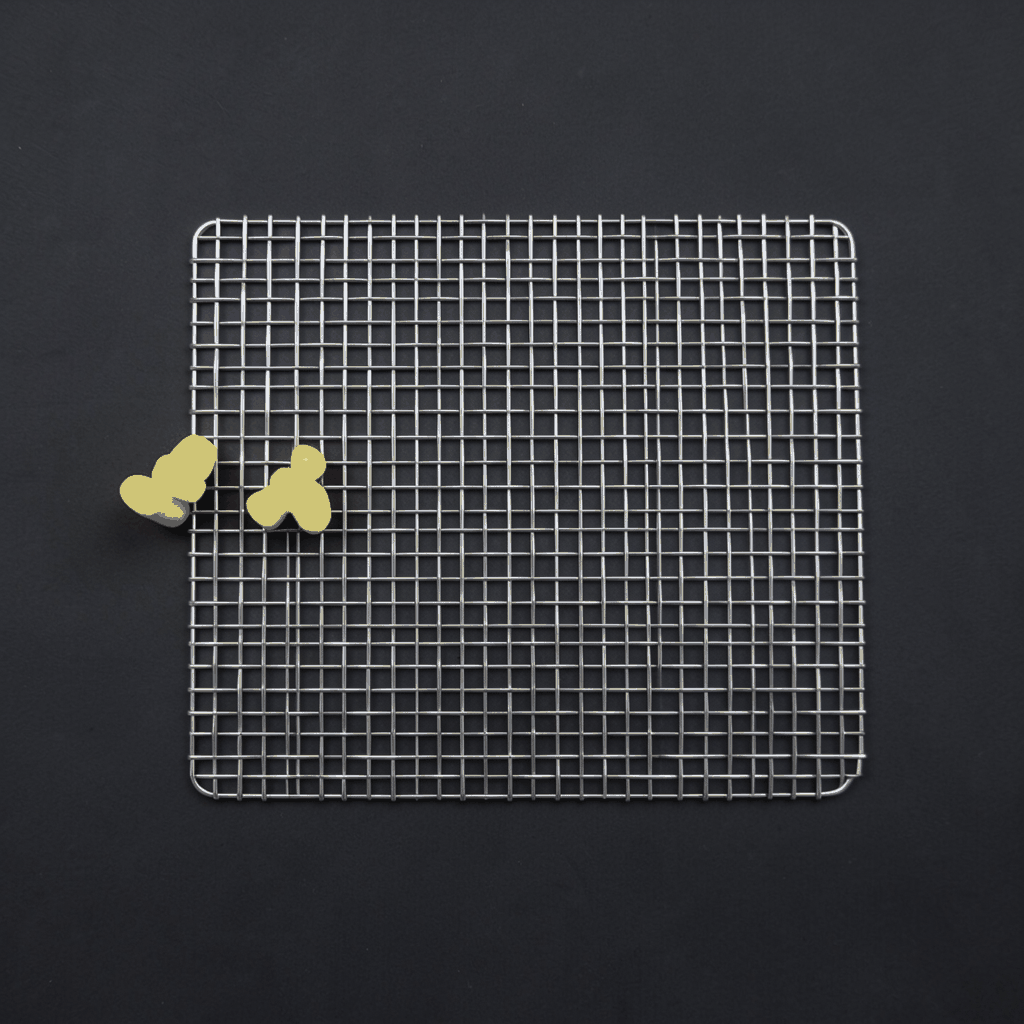
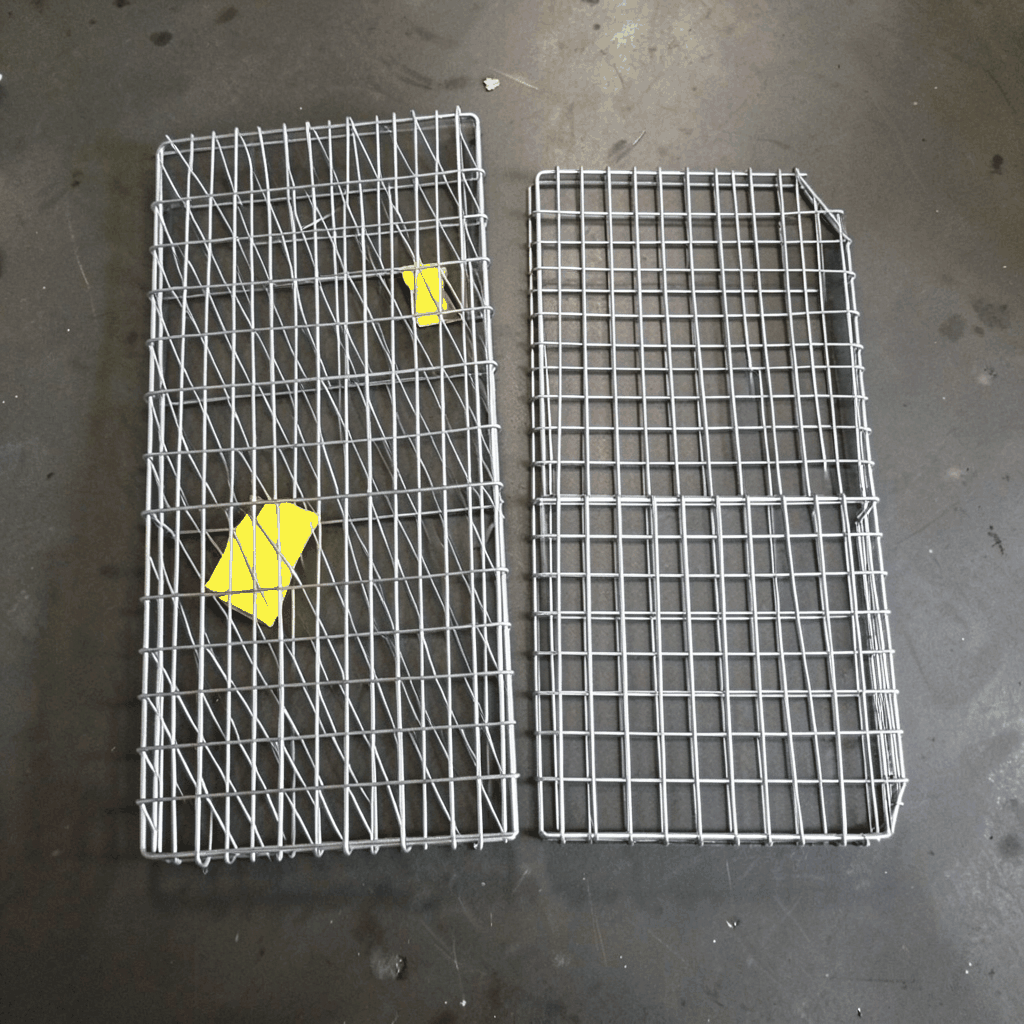
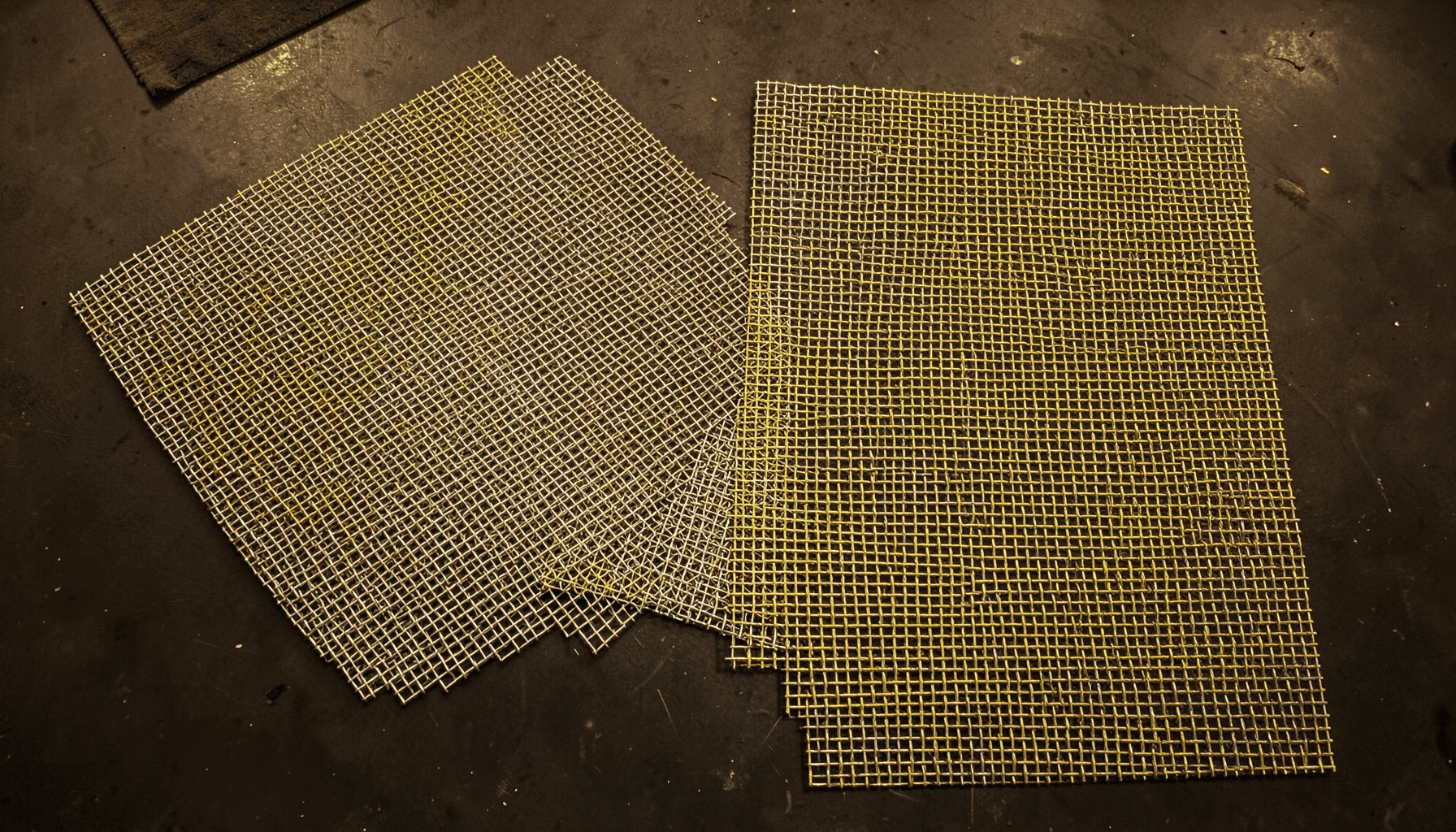
A manufacturer can produce welded mesh sheets, narrow strips, formed sections and custom inserts using stainless steel, galvanised steel, iron or other specified alloys. Accurate cutting helps the reinforcement fit around drains, pits, kerbs and penetrations without excessive site bending. Consistent wire diameter and weld quality also support predictable handling and placement.
The fabrication drawing should identify overall dimensions, wire spacing, wire diameter, bends, laps, holes, edge clearances and any required surface finish. It should also show whether the mesh crosses a joint, stops short of a joint, or forms a local reinforcement zone. These details prevent a decorative or general-purpose mesh product from being mistaken for an engineered pavement reinforcement component.
Welded intersections should be secure enough to withstand lifting, transport and concrete placement. Sharp protrusions can damage vapour barriers, joint fillers or workers’ gloves, so edge treatment matters. For stainless or coated products, cutting and welding processes should be managed to avoid unnecessary contamination or damage to the protective surface.
The insert must be compatible with the concrete cover and bar support system. Chairs, spacers or other supports should be strong enough to keep the mesh in position while workers place and compact concrete. Simply pulling mesh upward with a hooked tool during the pour is unreliable and can leave sections at inconsistent depths.
Installation and quality control on site
Before placing concrete, the contractor should check the prepared subgrade, subbase levels, moisture condition, formwork and joint layout. The mesh should be clean, correctly identified and free from heavy rust, oil, mud or coating damage. Sheets and strips should be secured so that foot traffic and concrete hoses cannot move them.
Laps should follow the engineering drawings or applicable project requirements. Unsupported laps can lift, sag or create local congestion. Reinforcement around penetrations needs enough clearance for concrete to flow and consolidate fully, especially where a drain or service box creates a narrow section.
Concrete placement should avoid dragging mesh across the base. A pump hose or chute can displace reinforcement if it is rested directly on the mesh, while excessive vibration can disturb supports in thin slabs. The finishing crew should work to the specified level without pushing reinforcement toward the surface.
Curing is equally important. Early drying, hot winds and low humidity can increase shrinkage before the concrete gains strength. This is relevant in inland areas such as Adelaide and western New South Wales, as well as during hot summer placements in Queensland. Curing compounds, wet coverings, polyethylene sheeting or other approved methods should be selected in line with the concrete and finish requirements.
Inspection records should cover mesh type, batch or heat identification, dimensions, joint locations, support spacing, cover and any site changes. For larger Australian projects, the design and inspection process may reference relevant provisions of AS 3600, AS 3727, AS 1379 and project-specific Austroads or authority requirements. The responsible engineer should determine which standards apply.
Where custom mesh inserts provide value
Residential driveways and paths may use reinforcement around gateways, inspection openings, abrupt changes in width and areas where a slab meets a rigid structure. In these settings, a small, accurately shaped insert can be easier to install than a full reinforcement sheet. It can also reduce waste when the pavement includes many corners or service penetrations.
Commercial pavements benefit from careful detailing at loading dock aprons, car park entries, bin storage areas and pedestrian thresholds. These zones often experience turning forces, concentrated loads and repeated wetting. Mesh can support crack-control objectives, while dowels, joint fillers and slab design address movement and load transfer.
Industrial and municipal work requires a more comprehensive approach. Concrete hardstands, bus bays, depot floors, drainage channels and public footpaths may need different mesh sizes, corrosion protection and joint arrangements. In northern Australia, rainfall and wet-season drainage can be decisive; in coastal councils, salt exposure and maintenance access may influence the choice of stainless or galvanised components.
A specialist metal mesh processor can manufacture prototypes, repeat batches or project-specific panels based on drawings and schedules. The supply package should include material certificates, dimensions, finish information and packing that prevents distortion during transport. Clear labelling is especially useful when a project contains several insert types.
Practical selection checklists
A project team can use the following design checks before requesting a quotation:
- Confirm slab thickness, concrete strength, joint spacing and expected traffic
- Identify contraction, construction and isolation joints separately
- Specify wire diameter, aperture, panel size, laps and required concrete cover
- Assess coastal salt, chemicals, wet ground and other corrosion exposures
The fabrication and delivery review should cover these practical points:
- Check drawings for bends, penetrations, edge clearances and support locations
- Request suitable certificates for steel grade, coating or stainless specification
- Protect mesh from distortion, contamination and coating damage during transport
- Coordinate delivery with formwork and concrete placement dates
Mesh inserts should be ordered from drawings that distinguish structural reinforcement from architectural mesh. Decorative curtain mesh, screening mesh and barbecue mesh have useful applications in the wider building industry, but their appearance or open area does not establish suitability for concrete pavement reinforcement. A supplier should receive the engineer’s performance requirements rather than being asked to select a structural solution from appearance alone.
For Australian buyers, communication about metric dimensions, delivery to states and territories, coastal exposure, local fabrication tolerances and project documentation can prevent delays. A manufacturer experienced in stainless steel, aluminium, copper, iron and coated steel processing can help translate a pavement detail into repeatable fabricated components, while the engineer retains responsibility for structural design and approval.
Wire mesh inserts for concrete pavement joints and crack control are most effective when they are designed as part of the complete pavement system. Correct joint behaviour, reliable support, suitable material and disciplined curing all contribute to long-term performance. With those fundamentals in place, custom mesh can provide a practical way to reinforce difficult details and manage cracking across residential, commercial, industrial and municipal surfaces.
Share the pavement drawings, joint plan, dimensions, material preference and site exposure with Shuo Ke Wire Mesh Product Technology Co., Ltd. The company can review fabrication requirements and develop mesh panels, strips or formed inserts suited to the project’s engineering specification and Australian delivery needs.