Wire mesh tubes for industrial dust collection systems
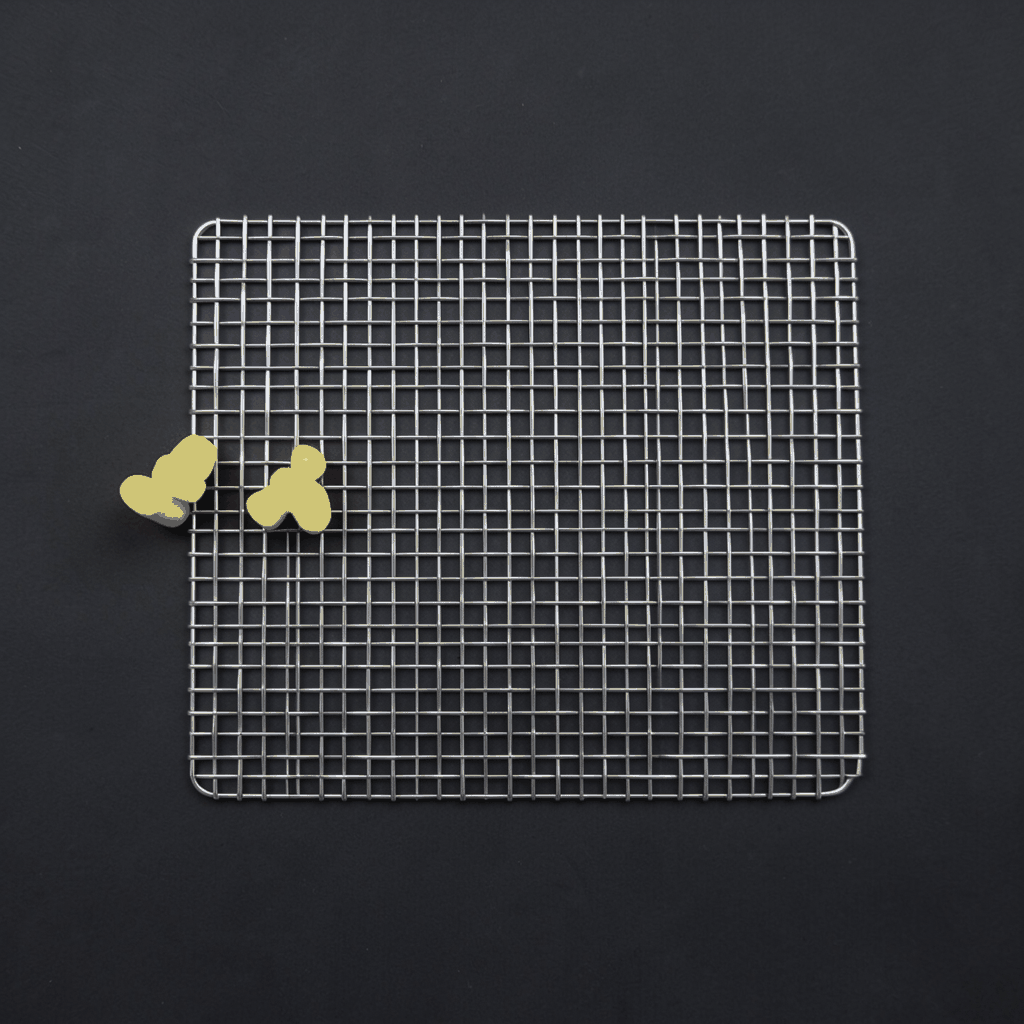
Industrial dust collection systems depend on controlled airflow, dependable filtration and components that can handle abrasive particles. Wire mesh tubes are used in several parts of these systems, including cylindrical filter elements, protective sleeves, pre-filter baskets, spark arrestors and support structures for flexible filter media. Their open structure allows air to pass while helping separate larger particles from the airstream.
The right mesh tube can improve dust capture, protect downstream filters and simplify cleaning. Stainless steel, aluminium, galvanised steel and other alloys are available for different operating conditions. The selection depends on particle size, temperature, moisture, chemical exposure, airflow velocity and the construction of the dust collector itself.
For Australian facilities, a practical design also needs to suit local operating conditions. An iron ore site in the Pilbara, a food-processing plant in Victoria and a coastal workshop near Brisbane may all require different mesh specifications. A component designed around the application will generally deliver better service than a standard tube chosen only by diameter or price.
How tubular mesh collectors work
A wire mesh tube is formed into a cylindrical or oval section using woven wire, welded mesh or perforated metal. It may function as a complete filtration surface for coarse dust, or it may support a fabric sock, cartridge or bag filter. In either case, the tube helps maintain shape and provides a defined path for air and dust movement.
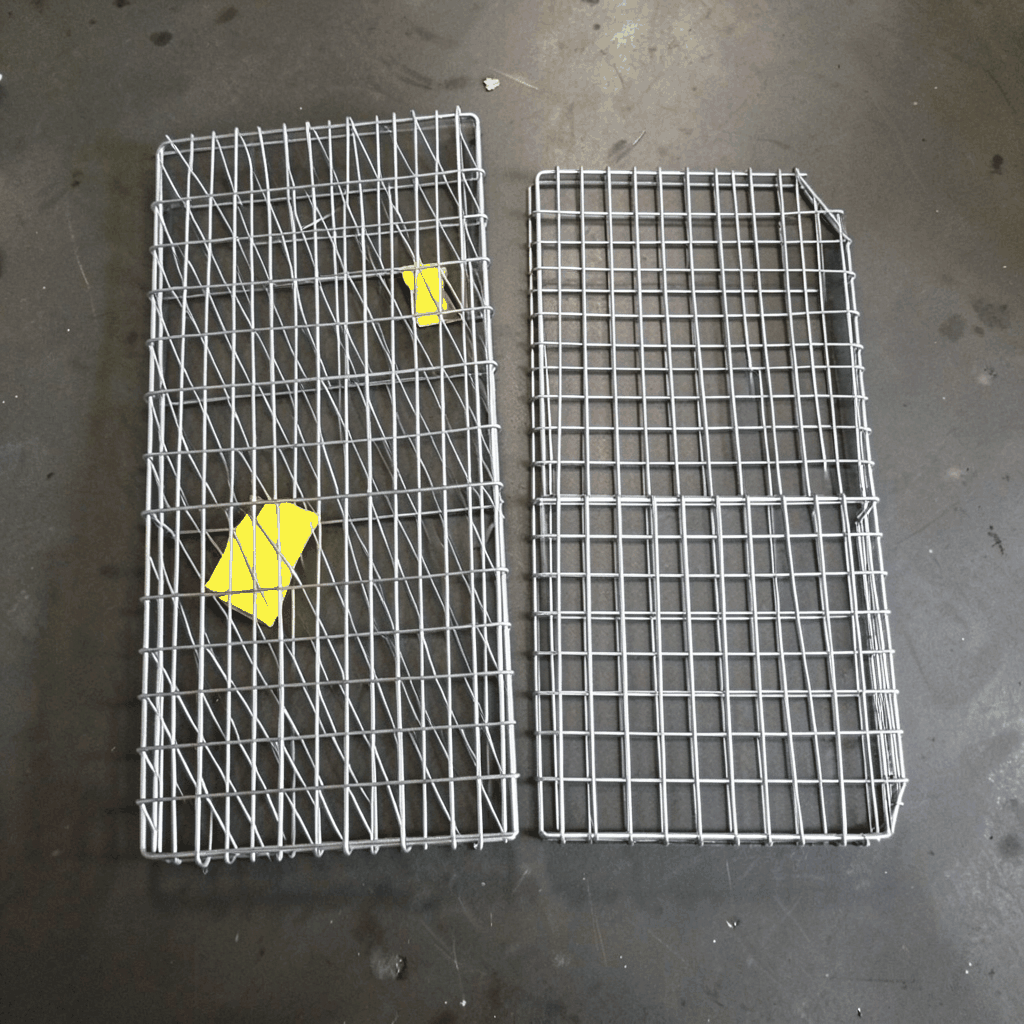
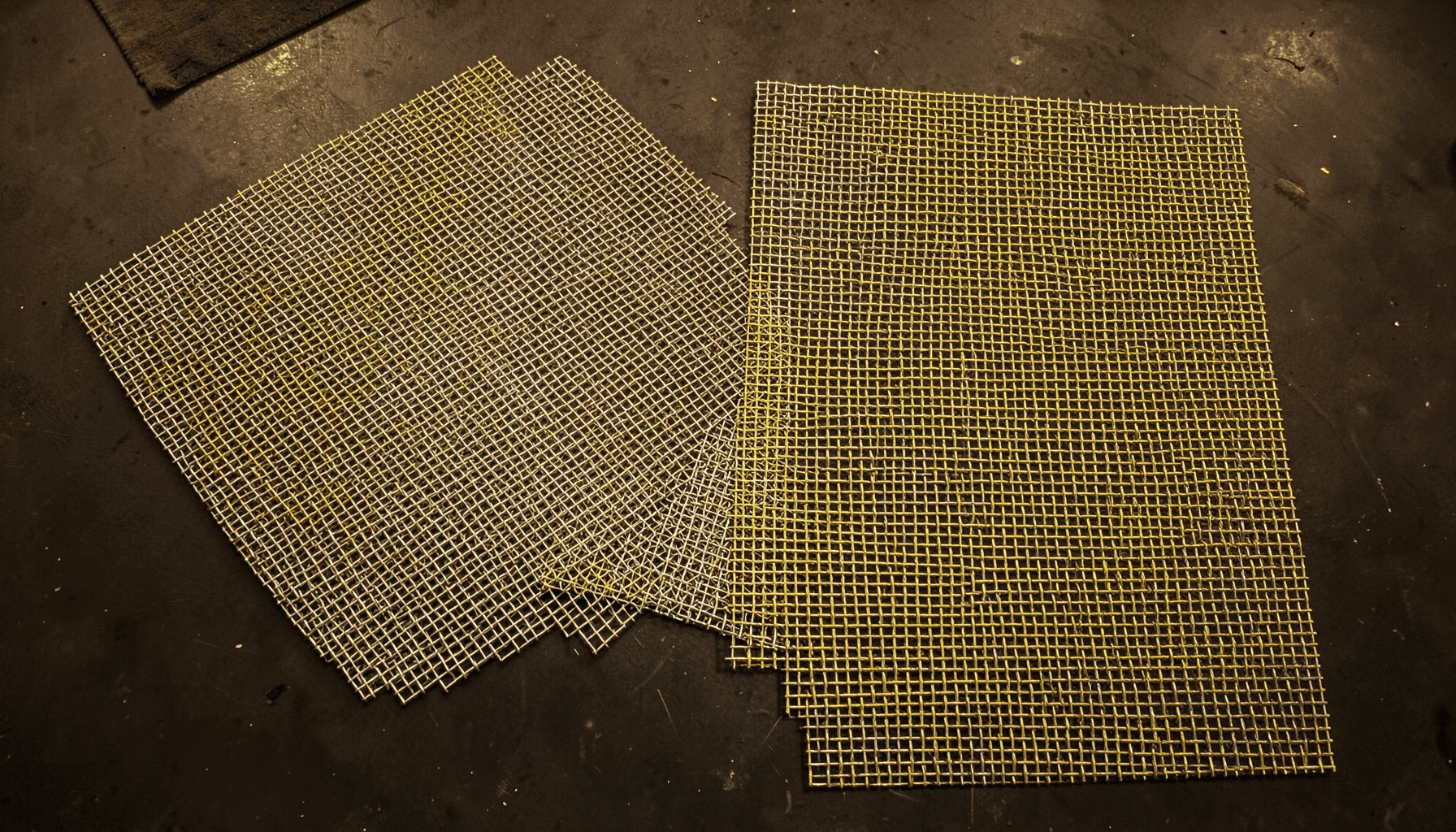
Woven mesh offers a broad range of aperture sizes and open-area percentages. Fine wire can create a relatively precise screening surface, while heavier wire provides improved strength and resistance to impact. Welded mesh is often selected where dimensional stability, rigidity and easy cleaning are more important than very fine filtration.
In dust extraction equipment, mesh tubes are commonly fitted inside filter bags or used around collection openings. They can prevent flexible media from collapsing under negative pressure, support pulse-cleaning cycles and reduce the risk of loose material entering fans or ductwork. Some designs also act as a first-stage separator, removing coarse chips, metal fragments or sparks before they reach sensitive filter media.
Their performance depends on the entire system. A suitable tube cannot compensate for undersized ducting, excessive airflow, poor sealing or an unsuitable filter medium. Tube geometry, mesh opening, length, end rings and connection points should therefore be considered together with the fan, hopper, valves and cleaning arrangement.
Selecting the right metal and mesh pattern
Stainless steel is a popular choice for industrial dust collection because it provides strong corrosion resistance and maintains its mechanical properties across a wide operating range. Stainless mesh tubes are suitable for food processing, pharmaceutical production, chemical handling and humid environments where contamination or rust could affect production.
304 stainless steel is commonly used for general industrial service, while 316 stainless steel offers better resistance to chlorides and some aggressive chemicals. This distinction matters in coastal areas such as Newcastle, Wollongong, Cairns and Perth, where salt-laden air can accelerate corrosion. It is also relevant where washdown chemicals are used regularly.
Galvanised steel may be a cost-effective option for dry indoor workshops, warehouses and general-purpose dust extraction. Aluminium provides low weight and useful corrosion resistance, which can be helpful for removable screens or components that need frequent handling. Copper and specialised alloys may be specified for electrical, thermal or anti-sparking requirements, although the choice must be checked against the dust hazard.
The mesh pattern also affects service life. Plain woven wire mesh is versatile and easy to source. Dutch weave can provide fine filtration with a strong support structure, while welded mesh generally tolerates impact and vibration well. Expanded metal and perforated sheet can be used where a larger opening and high rigidity are required.
Matching tubes to dust and airflow
Dust characteristics should be assessed before selecting a wire mesh filter tube. Wood flour, grain dust, cement powder, coal dust, metal swarf and plastic particles behave differently in an extraction line. Some materials are light and fibrous, while others are dense, sharp or highly abrasive. Moisture can cause sticky deposits that block fine openings and increase pressure drop.
For coarse particulate, a larger aperture may provide effective pre-separation without restricting airflow. Fine dust requires tighter filtration, but very small openings can clog quickly if the system lacks an effective cleaning cycle. The goal is to balance capture performance, open area and pressure loss rather than simply choosing the finest available mesh.
Air velocity is another important factor. High velocity can cause abrasive wear, especially where dust changes direction near elbows, hoppers or tube ends. It can also pull particles through a weak or poorly supported filter surface. Reinforced rims, heavier wire and internal support rings help maintain tube geometry under suction.
A pulse-jet collector may require tubes that tolerate repeated pressure shocks. Reverse-air and shaker systems place different demands on the filter assembly. The tube length, wall thickness, end finish and attachment method should all be checked against the cleaning method and expected cycle frequency.
For a mine or quarry in Western Australia, the design may need to handle long operating hours, abrasive mineral dust and limited access for maintenance. In a Queensland sugar mill, humidity and fibrous material can be more significant. These conditions call for application-specific mesh rather than a one-size-fits-all element.
Designing for Australian industrial conditions
Australia’s climate can place heavy demands on dust collection hardware. High temperatures in the Pilbara and the Northern Territory can affect seals, lubricants and filter media, while strong seasonal humidity in northern Queensland can encourage corrosion and material build-up. Mesh tubes should be specified with enough thermal and mechanical margin for the actual plant environment.
Bushfire-prone regions also require careful attention to sparks, hot particles and combustible dust. A mesh screen may help intercept larger embers or sparks, but it should never be treated as a complete explosion-protection measure. Dust hazard assessment, bonding, grounding, isolation and suitable explosion venting must be addressed by competent engineers and in accordance with the applicable site requirements.
Australian operators are familiar with equipment that needs to work reliably in remote locations. A replacement tube for a processing facility near Port Hedland may take time to reach site, so corrosion resistance, robust construction and accurate dimensions can reduce unplanned downtime. Keeping drawings, material certificates and spare components on file makes future procurement more straightforward.
Regulatory expectations also matter. Work health and safety obligations are managed through state and territory frameworks, and equipment may need to align with relevant AS/NZS standards, site engineering rules and hazardous-area controls. A supplier should provide clear technical information about mesh grade, wire diameter, aperture, dimensions and any surface treatment.
Good local procurement often combines practical engineering with realistic lead times. Australian buyers may source custom-fabricated parts from overseas to control cost, but they still need dependable communication, export packing and inspection before shipment. Clear drawings and a confirmed sample can prevent expensive fit-up problems when the component arrives at a site several thousand kilometres away.
Fabrication details that affect performance
Dimensional accuracy is essential when a tube must fit inside a filter bag, housing or support cage. Small errors in outside diameter, length or end-ring position can cause poor sealing, difficult installation or unwanted vibration. Fabricators should work from approved drawings that show tolerances, connection points and the direction of airflow where relevant.
The tube ends may be finished with rolled rings, welded rims, threaded collars, flanges or custom mounting plates. Welded end rings improve rigidity and help prevent deformation during handling. For removable filter assemblies, smooth edges are important because burrs and sharp wire ends can damage bags, gaskets or technicians’ gloves.
Surface treatment should match the operating environment. Stainless steel may require cleaning or passivation after welding to restore corrosion resistance around heat-affected areas. Carbon steel components may be galvanised, painted or powder coated, although the coating must be suitable for temperature, abrasion and contact with the collected material.
Mesh tubes used in food, pharmaceutical or hygienic applications usually need a cleanable finish with minimal crevices. Open welds, trapped particles and rough internal surfaces can complicate sanitation. Industrial applications with heavy dust may prioritise strength and service life, while hygienic plants may place greater emphasis on smooth construction and material traceability.
Custom production is valuable when a standard catalogue part cannot meet the system requirements. A manufacturer experienced in stainless steel, aluminium, iron and other metal mesh products can produce tube sections, baskets, guards and filter components to supplied dimensions. Samples, CAD files, technical sketches or an existing part can all assist with accurate development.
Maintenance, inspection and safe replacement
Routine inspection helps identify blocked mesh, corrosion, broken wires, distorted rings and loose welds before they affect the collection system. Pressure-drop readings are useful because a gradual increase can indicate dust loading, moisture contamination or a restriction in the filter assembly. A sudden change may point to a tear, detached component or airflow fault.
Cleaning methods should suit the material and dust. Compressed air can remove dry deposits, but excessive pressure may damage fine wire or force particles deeper into the mesh. Water or chemical washing may be appropriate for selected stainless-steel assemblies, provided the component is dried thoroughly and the cleaning agent is compatible with the metal.
Replacement intervals depend on wear, operating hours and the nature of the collected material. Abrasive mineral dust can thin wire rapidly, while fibrous dust may cause blockage without obvious physical damage. Keeping a spare set of tubes or support elements on hand is sensible for continuous operations, particularly where a plant runs around the clock or is located far from major service centres.
Before inspection or replacement, the collector should be isolated, depressurised and locked out according to the site’s safety procedure. Dust residues can remain hazardous after the fan stops, and some materials may be combustible, toxic or reactive. Workers should use the required respiratory, eye and skin protection and follow the facility’s dust-handling controls.
A well-maintained mesh tube supports stable airflow and protects more expensive filtration components. It also helps the dust collector operate efficiently, reducing unnecessary fan load and avoiding premature replacement of filter bags or cartridges. Inspection records, clean dimensional drawings and a known material specification make future maintenance faster and more consistent.
Shuo Ke Wire Mesh Product Technology Co., Ltd. supplies custom metal mesh components for industrial and architectural applications, including filter baskets, protective screens and fabricated mesh structures. Share the required diameter, length, mesh opening, wire material, operating temperature, dust type and connection details for a practical quotation and production assessment.
The right wire mesh tube should fit the collector accurately, withstand the site environment and support safe, efficient dust control. Work with an experienced manufacturer to develop a durable component for your Australian facility, from a workshop in Melbourne to a processing plant in regional Queensland or a mining operation in Western Australia.