Choosing Between Galvanized and Stainless Steel Mesh for Outdoor Gates
Outdoor gates must withstand weather, repeated handling, security demands, and the visual expectations of the property they protect. The mesh infill plays a major role in that performance. It affects corrosion resistance, structural strength, privacy, airflow, weight, maintenance, and the overall character of the entrance.
Galvanized steel and stainless steel are both practical choices, but they suit different environments and project priorities. Galvanized mesh generally offers a lower initial cost and reliable protection for many outdoor applications. Stainless steel mesh provides stronger long-term resistance to moisture, chemicals, and staining, especially where appearance and service life are critical.
The right decision depends on more than the material name. Gate size, mesh construction, coating quality, local climate, installation details, and maintenance access all influence the result. A careful comparison helps avoid paying for unnecessary performance or selecting a material that will require premature repair.
How Each Material Resists Corrosion
Galvanized mesh is made from carbon steel coated with zinc. The zinc layer acts as a barrier between the steel and the atmosphere, while also providing sacrificial protection if the surface is scratched. This makes galvanized welded wire mesh a dependable solution for residential gates, garden entrances, farm boundaries, and many commercial fences.
The coating can be applied through hot-dip galvanizing or electro-galvanizing. Hot-dip galvanizing usually produces a thicker, more durable zinc layer and is better suited to demanding outdoor exposure. Electro-galvanized mesh has a smoother and thinner finish, which may be appropriate for lighter-duty projects or situations where the mesh will receive an additional paint system.
Stainless steel contains chromium, which forms a passive oxide film that protects the surface from rust. Common grades such as 304 stainless steel perform well in ordinary outdoor environments, while 316 stainless steel offers improved resistance to chlorides and harsh chemicals because of its molybdenum content. This distinction matters near coastlines, swimming pools, roads treated with de-icing salts, and industrial facilities.
Matching the Mesh to the Outdoor Environment
Climate is one of the most important factors in gate material selection. In a dry inland area with moderate rainfall, quality hot-dip galvanized mesh can provide many years of service with limited maintenance. It is often a sensible choice for perimeter gates where budget, strength, and practical protection matter more than a permanently bright metallic appearance.
Moisture becomes more aggressive when combined with salt, pollution, or standing water. Coastal air can accelerate corrosion on exposed steel components, including cut edges, welds, hinges, fasteners, and gate frames. Stainless steel is usually the safer option for beachfront properties, marine facilities, waterfront residences, and landscaped areas exposed to irrigation containing dissolved salts.
Drainage and installation also affect service life. Water trapped inside hollow frames, soil contact at the bottom of a gate, and unsealed tube ends can create corrosion points regardless of the mesh type. Galvanized gates should be designed so that cut areas and damaged coatings can be repaired. Stainless steel gates should use compatible fasteners and avoid contact with dissimilar metals that may cause galvanic corrosion.
Strength, Fabrication, and Gate Operation
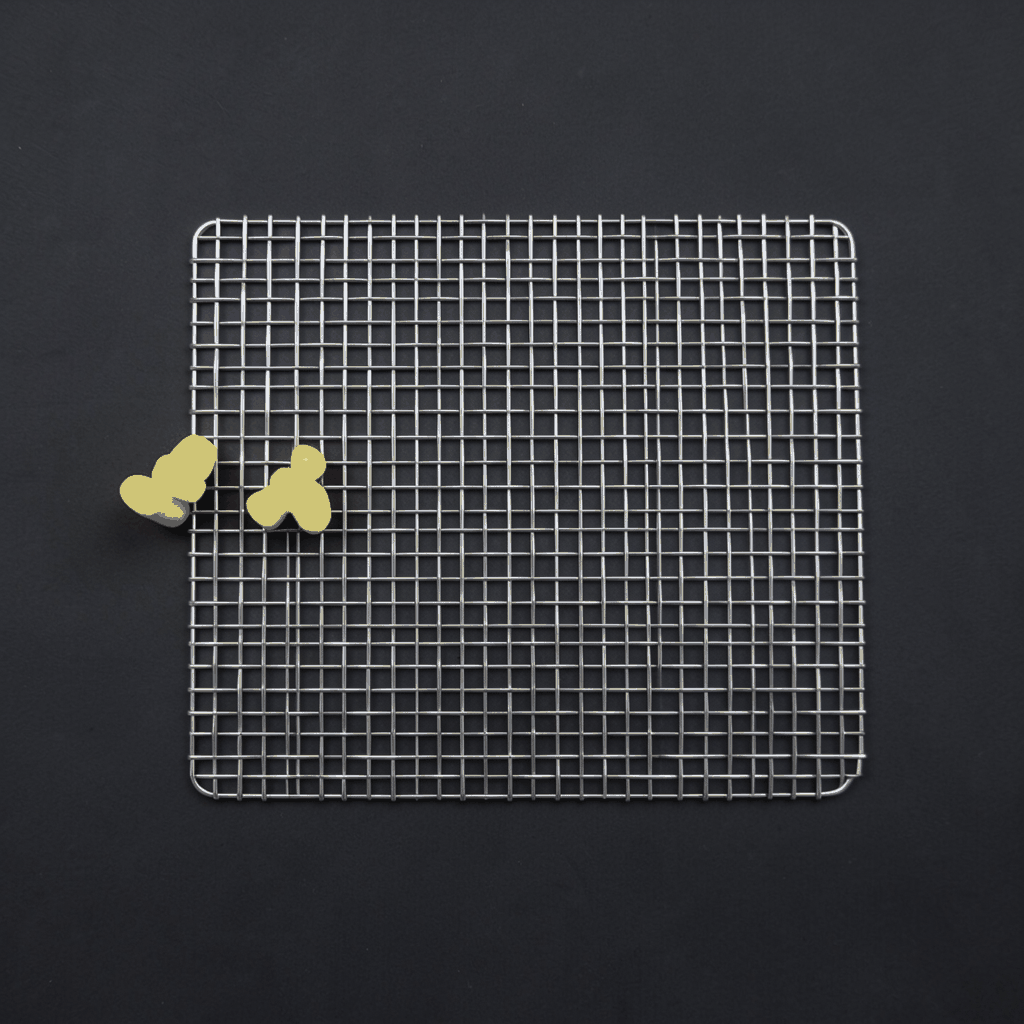
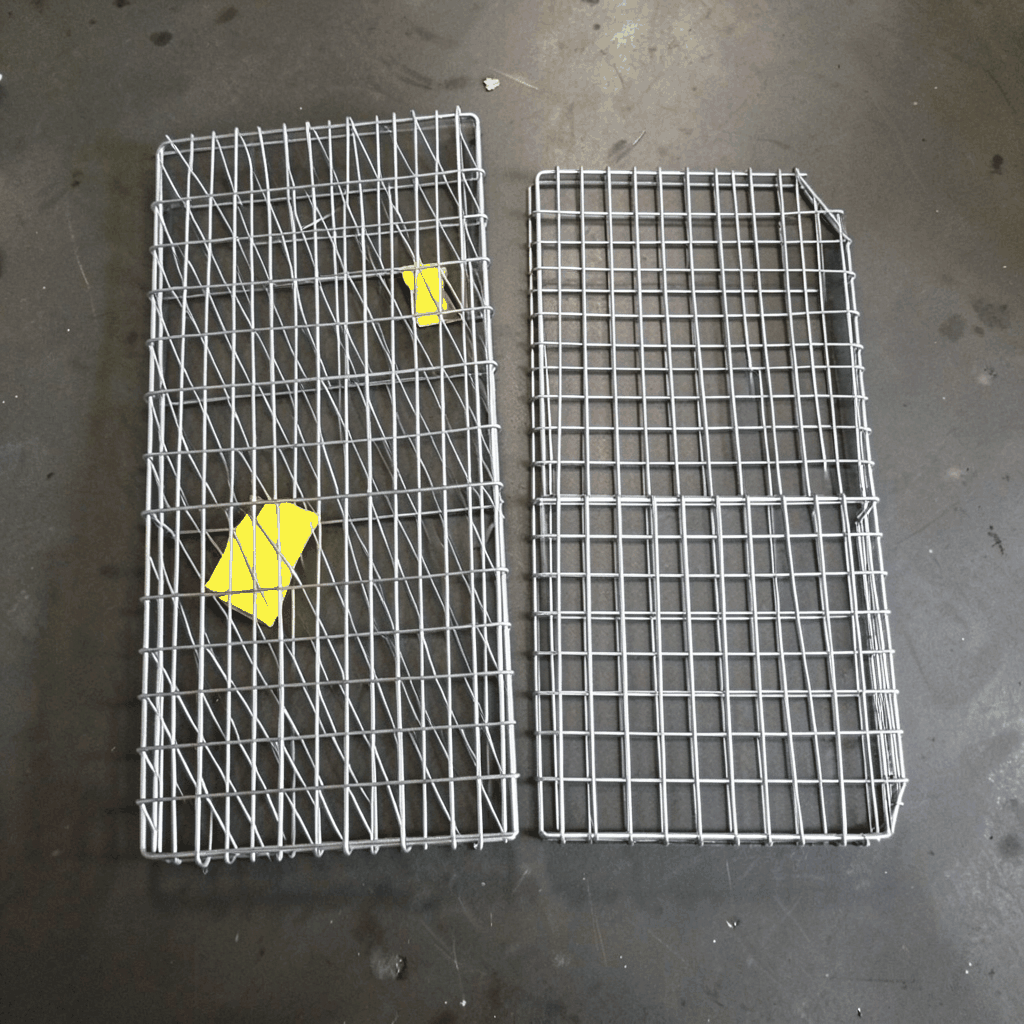
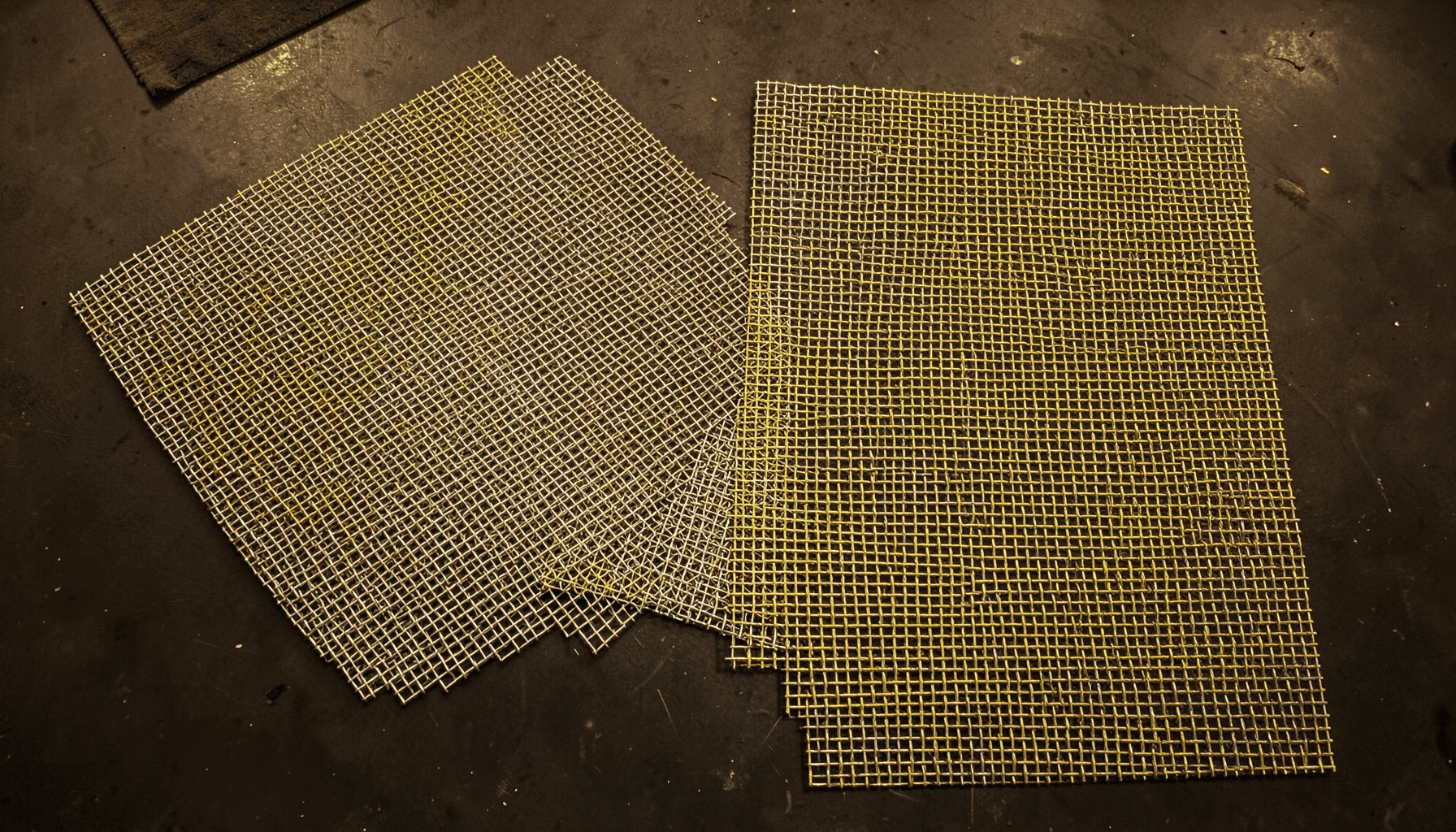
Both materials can be produced as welded or woven mesh. Welded mesh has fixed openings and a stable shape, making it suitable for rigid gate panels, security enclosures, and framed architectural screens. Woven mesh offers flexibility and can create a lighter visual effect, although it may need stronger edge support to remain taut. Understanding welded and woven mesh helps designers select a construction that matches the gate’s required rigidity and appearance.
For large swing gates and sliding gates, weight deserves careful attention. Stainless steel may have a similar density to ordinary carbon steel, but the selected wire diameter, opening size, frame design, and reinforcement determine the finished load. A heavy mesh panel can place additional stress on hinges, rollers, posts, and automatic operators.
Weld quality is equally important. Gate mesh should be securely connected to the frame, with clean joints and suitable finishing around corners. If galvanized mesh is welded after coating, the damaged zinc area needs appropriate treatment. Stainless steel welding requires controlled fabrication to preserve corrosion resistance and avoid discoloration or contamination. A manufacturer experienced in customized metal mesh processing can coordinate the mesh, frame, edge treatment, and mounting details as one system.
Cost and Long-Term Value
Galvanized steel is typically less expensive than stainless steel in terms of raw material and initial fabrication. This advantage can be significant when a project includes many gates, long boundary runs, temporary access points, agricultural enclosures, or municipal fencing. Galvanized mesh also provides a strong balance between impact resistance and affordability.
Stainless steel has a higher purchase price, but its longer service life can change the total cost calculation. Reduced repainting, fewer coating repairs, and better resistance to staining may justify the investment in visible entrances or difficult-to-access installations. Replacing a corroded gate can involve demolition, transport, labor, security disruption, and new hardware, so the original material cost is only part of the budget.
The table below summarizes common differences. Actual performance depends on grade, coating thickness, wire size, fabrication quality, exposure, and maintenance.
| Factor | Galvanized Steel Mesh | Stainless Steel Mesh |
|---|---|---|
| Initial cost | Usually lower | Usually higher |
| Corrosion protection | Zinc coating protects carbon steel | Chromium-rich passive surface resists corrosion |
| Coastal and salt exposure | Requires careful specification and maintenance | 316 grade is generally better suited |
| Visual finish | Silver-gray, may weather over time | Clean metallic appearance with strong color stability |
| Repair approach | Zinc coating can be touched up after damage | Surface must be cleaned and repaired with compatible methods |
| Typical applications | Residential, agricultural, industrial, and general perimeter gates | Coastal, architectural, food, chemical, and high-visibility installations |
| Maintenance | Inspect coating, welds, cuts, and fasteners | Clean deposits and inspect joints, fasteners, and contamination |
| Design flexibility | Can be painted or powder coated after preparation | Suitable for brushed, polished, or mill finishes |
Appearance and Architectural Coordination
A gate is often the first visible element of a property, so the finish should support the surrounding architecture. Galvanized mesh has a functional silver-gray appearance that works well with industrial, agricultural, utility, and contemporary exterior designs. It can also be powder coated or painted when the project requires a specific color, provided the surface is properly prepared.
Stainless steel provides a more refined and consistent appearance. Brushed finishes reduce glare and fingerprints, while polished surfaces create a brighter decorative effect. Stainless steel can complement glass, stone, aluminum, concrete, and modern landscape design. It is frequently selected for apartment entrances, commercial courtyards, hotels, public buildings, and premium residential properties.
Opening size and wire profile influence the visual effect as much as the metal itself. Small openings provide greater screening and can make a gate appear visually solid. Larger openings improve transparency and airflow. Decorative patterns, laser-cut panels, expanded metal, and framed mesh combinations can create a distinctive entrance while maintaining security and ventilation.
Safety, Security, and Maintenance
Security requirements should determine the mesh specification rather than the material label alone. A gate intended to deter climbing may need small openings, a rigid welded construction, anti-climb detailing, and a frame that resists prying. For pets or children, the opening size should prevent passage or entrapment. Industrial sites may require stronger wire, reinforced corners, tamper-resistant fasteners, and controlled access hardware.
Galvanized and stainless steel mesh can both support secure gate designs. The critical factors include wire diameter, panel thickness, weld integrity, frame depth, hinge capacity, lock protection, and post anchoring. For automated gates, the selected mesh should allow the operator to work without excessive deflection or wind load.
Maintenance is straightforward when inspections are scheduled. Check the bottom edge for soil or standing water, examine welds and cut ends, remove debris from hinges and rollers, and ensure drainage openings remain clear. Galvanized surfaces can be cleaned with mild soap and water, while damaged areas may need a compatible zinc-rich repair coating. Stainless steel should be washed periodically to remove salt, dust, and industrial deposits; abrasive carbon-steel tools should not be used because they can introduce surface contamination.
Selecting the Right Grade and Specification
The best choice begins with an exposure assessment. Identify whether the gate is inland, coastal, near a pool, exposed to fertilizer, located beside a busy road, or installed in an industrial atmosphere. Record the expected wind, impact, operating frequency, and cleaning access. These details help determine whether standard galvanized mesh is sufficient or whether stainless steel provides better risk control.
For galvanized products, ask about the galvanizing method, coating thickness, wire diameter, weld treatment, and post-fabrication repair procedure. Hot-dip galvanized mesh is generally preferable for prolonged outdoor exposure. A paint or powder-coat finish can add color and another protective layer, but it should be applied over a properly prepared galvanized surface.
For stainless steel, select the grade according to the environment rather than appearance alone. Grade 304 is suitable for many general outdoor projects, while 316 is a stronger candidate for marine or chloride-rich conditions. Specify the desired surface finish, edge treatment, welding method, and fastener material. Avoid mixing stainless steel with ordinary unprotected steel where moisture can create an electrical corrosion path.
Practical Selection Priorities
- Choose hot-dip galvanized mesh for cost-conscious gates in normal inland environments.
- Choose 304 stainless steel when a clean architectural finish and dependable outdoor resistance are important.
- Choose 316 stainless steel for coastal locations, pool surroundings, salt exposure, or aggressive industrial conditions.
- Match wire diameter, opening size, frame strength, hinges, rollers, and locks to the gate’s security and operating requirements.
- Request samples or finish references before approving a large customized order, especially for decorative or high-visibility entrances.
Working With a Customized Mesh Manufacturer
A reliable supplier should review the entire gate assembly rather than quote mesh by weight alone. Important details include panel dimensions, opening pattern, border treatment, frame connection, surface finish, tolerances, hinge position, latch clearance, and packaging for transport. Early coordination reduces the risk of ordering a mesh panel that cannot be installed efficiently.
Shuo Ke Wire Mesh Product Technology Co., Ltd. manufactures and processes mesh products from stainless steel, aluminum, copper, iron, and other alloys. Its capabilities include welded mesh, decorative screens, fences, gates, guardrails, filters, and customized architectural components. This range supports projects that require both practical engineering and coordinated decorative design.
Material samples, drawings, and exposure information allow the manufacturer to recommend a suitable combination of mesh type and finish. A well-specified gate should arrive ready for efficient fabrication or installation, with consistent openings, secure edges, appropriate corrosion protection, and a finish that matches the surrounding property.
Give your gate project a clear performance brief covering climate, security, dimensions, appearance, operating method, and maintenance expectations. Then work with a qualified metal mesh manufacturer to compare galvanized and stainless steel options, confirm the specification, and produce a durable outdoor gate tailored to the site.