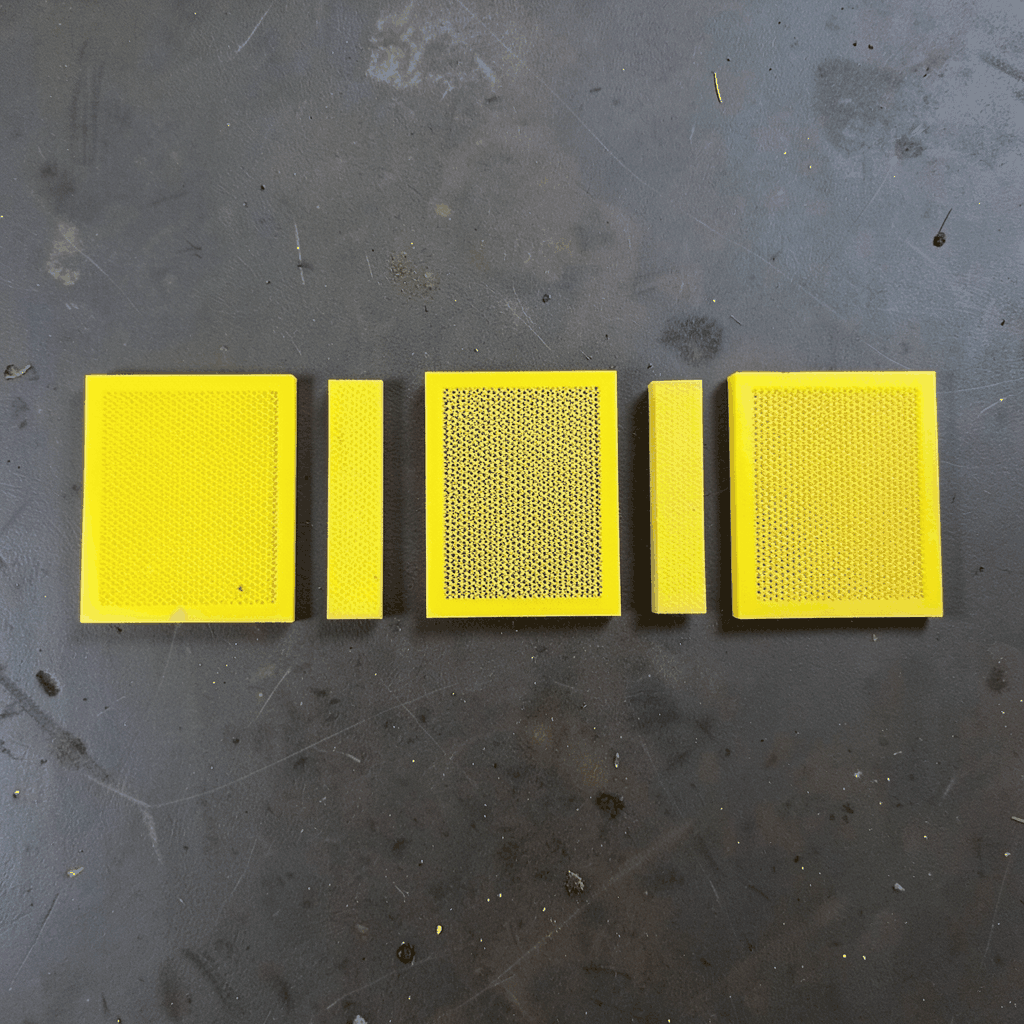
Custom mesh grilles for marine exhaust ventilation
Custom mesh grilles for marine exhaust ventilation provide a controlled path for hot gases while keeping debris, spray and wildlife out of exposed outlets. On working boats and offshore craft, they must balance open area with pressure drop, resist vibration and corrosion, and remain accessible for inspection. A grille is more than a decorative cover: poor selection can restrict extraction, raise back pressure, trap fumes or allow hot exhaust toward occupied areas and crew. The right configuration is therefore determined by engine layout, duct geometry, outlet velocity and exposure, not by a standard sheet size alone.
Marine applications in Australia include commercial fishing boats, passenger ferries, workboats, recreational vessels and coastal plant. The marine market spans the Gold Coast and Brisbane, Sydney’s charter and repair network, Melbourne, Perth, Fremantle and Hobart, so a durable vent screen must suit both offshore service and local cruising conditions. Salt-laden air, humid engine rooms, strong ultraviolet exposure and frequent washdown place more demand on fasteners, welds and panel edges than a sheltered land-based installation. A supplier that can combine practical engineering with an attractive finish supports both vessel builders and refit specialists.
Airflow and vessel demands
Airflow should be established before a pattern is chosen. Designers need to identify whether the component is an exhaust outlet guard, an engine-room fresh-air intake, a combustion-air inlet or a combined ventilation cover, because each duty has different temperature, contamination and separation requirements. Free area, wire or strand size, depth and any directional louvre arrangement affect pressure loss. The calculated exhaust flow and permissible back pressure should be checked against the engine maker’s data, while the selected screen must remain cleanable and must not create a secondary restriction at bends or plenums.
Vessel geometry then turns a workable mesh into a made-to-measure part. Exhaust outlets may sit near the waterline, beneath a flybridge, beside a transom or inside a shared duct, and access space can be tight. Accurate templates allow a frame to follow curved cowls, avoid brackets and keep drainage paths open. A marine fabricator should also check vibration, flame or radiant heat at the specified operating temperature, clearance from insulation and guarding against contact with crew. Where exhaust is shared, acoustic performance and plume dispersal may require advice from the naval architect or marine engineer responsible for the installation.
Materials for salt, heat and galvanic risk
Material selection begins with the base metal, but alloy grade and surface condition matter as much as the material name. Marine-grade aluminium offers low weight, easy fabrication and good corrosion behaviour when the correct alloy and protective finish are specified; stainless steel adds strength and heat resistance, with 316L commonly preferred over 304 for chloride exposure. Copper alloys can suit specialised heat or decorative applications, while mild iron products generally need a robust coating and closer maintenance in wet marine service. Fasteners and support brackets should be assessed for galvanic interaction rather than treated as incidental hardware.
The environment includes salt deposits from spray, condensation inside engine rooms, fuel residue, cleaning chemicals and ultraviolet exposure. A powder coat, anodised layer or other protective system must be compatible with the substrate and the actual exhaust temperature; a decorative coating is not automatically suitable for a hot outlet. Stainless components still need sensible detailing because trapped salts and damaged coatings can initiate local attack. The same disciplined approach to alloy selection appears in coastal aluminium mesh guidance, although balcony exposure is not a substitute for a vessel-specific temperature and corrosion assessment.
Custom formats for real marine layouts
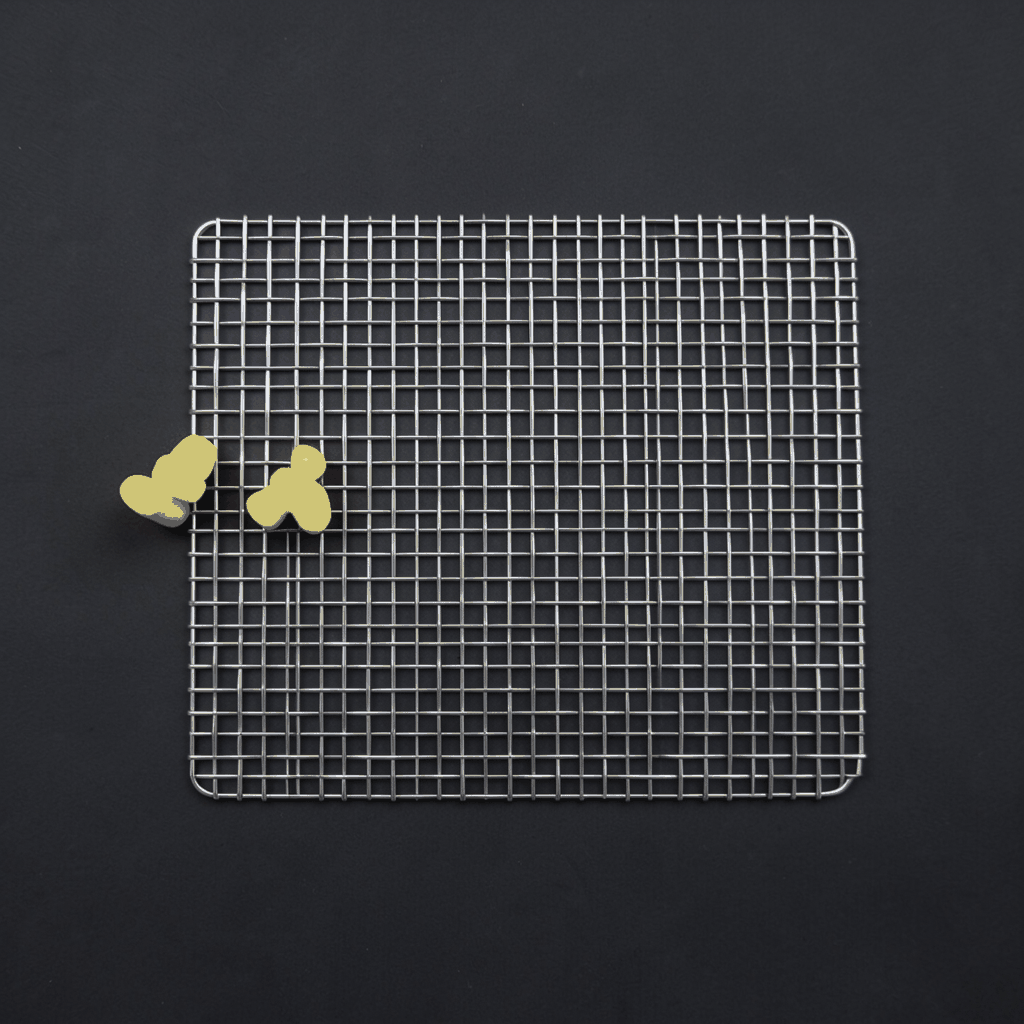
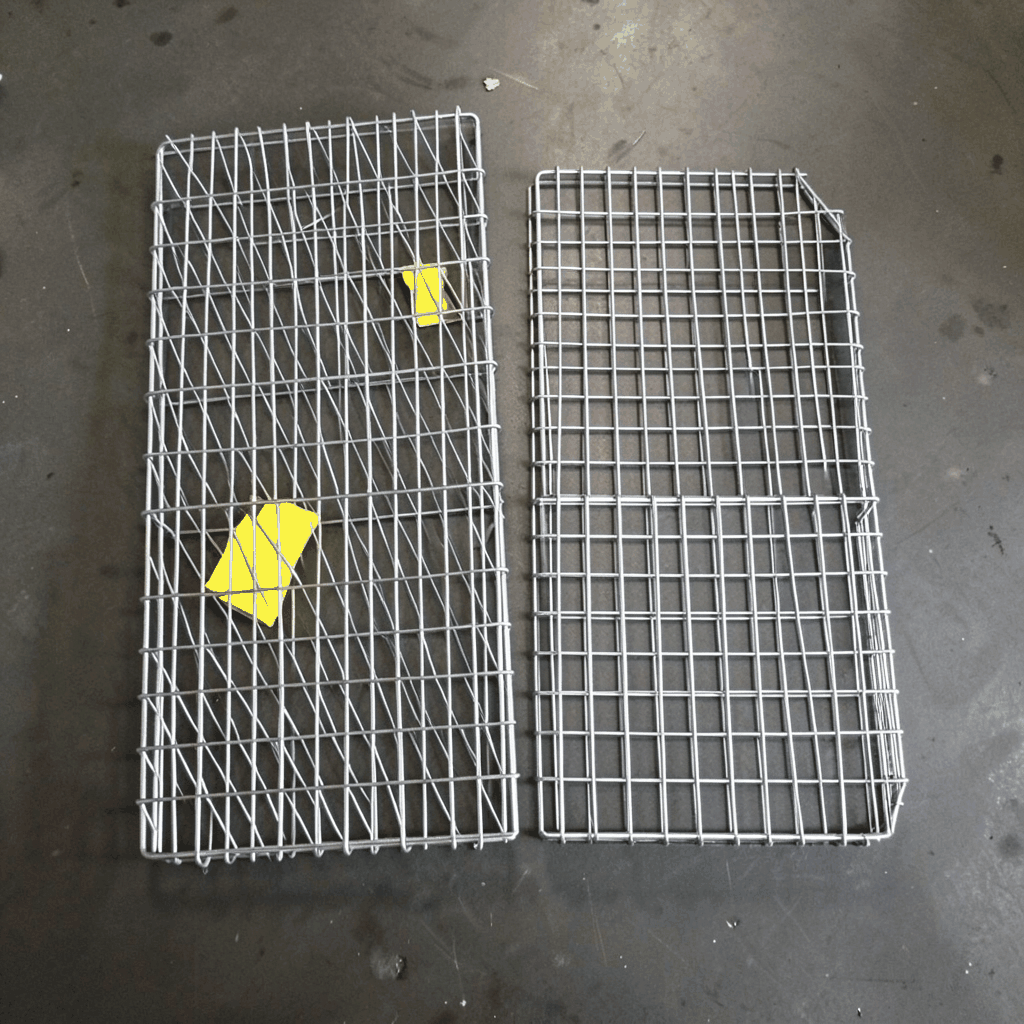
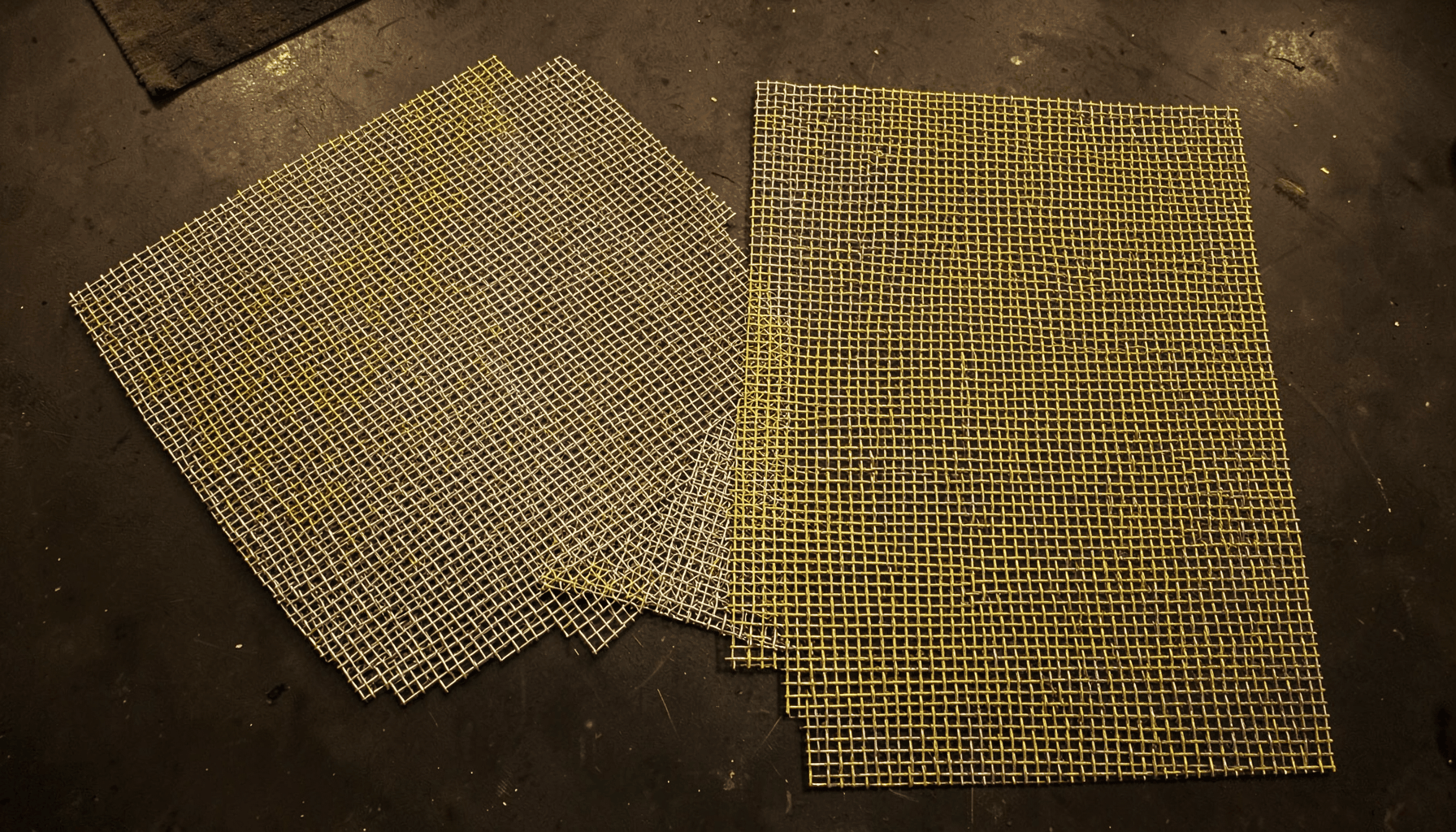
Custom production can use perforated sheet, woven wire mesh, expanded metal, welded panels or formed louvre blades, each with a different balance of open area, strength and pressure drop. For exhaust outlet guards, a fine enough pattern can exclude droplets and larger debris while retaining an open area close to the selected design target. Frames may be folded, welded or rolled to suit a hull curve, and drainage can be directed away from deck fittings. Custom dimensions also allow captive fasteners, inspection doors and replaceable cartridges, useful on vessels where a full panel replacement would otherwise require welding.
A practical specification identifies every layer in the airflow path, including any spark arrestor, insect screen or internal baffle. Otherwise the free area of the visible grille may look generous while the complete assembly still restricts the engine. Edges should be smooth and securely joined, with no sharp wire ends exposed to crew or deck users. Coastal operators also need a finish that can be rinsed without trapping grit. Samples and test panels are valuable when a new vessel or retrofit combines unusual ducting, high vibration, limited access or a restricted installation envelope.
Australian compliance and market conditions
Australian compliance begins with the vessel class and the approved plans, not with the mesh alone. Domestic commercial vessels that fall within the Australian Maritime Safety Authority’s scope require the system to be considered through the relevant approval process, while recreational craft are handled through state registration and marine safety regimes. Changes near an exhaust outlet can affect ventilation, fire separation and crew safety, so a naval architect, marine engineer or authorised representative should confirm location and clearances. Applicable Australian Standards, ISO references and manufacturer instructions should be cited where the design depends on them, but no supplier should imply that a grille is independently certified for every vessel.
Local conditions vary widely. Tropical waters around Cairns and the Gulf of Carpentaria bring humidity and cyclone-driven rain; Gold Coast and Brisbane yards face persistent salt and warm conditions; Sydney has strong surf and a broad refit market; Melbourne and Hobart see frequent cold condensation; and Perth exposes outdoor fittings to intense ultraviolet light. These conditions favour durable fasteners, sealed edges, replaceable mesh and documented material choices. For operators working between Australian ports, readily available spare panels and consistent batch dimensions can be as valuable as the initial finish.
Imported components also need sound border planning. Australian Border Force requirements, correct tariff classification, GST treatment and commercial invoices should be confirmed for the particular order, while new metal goods should be clean, dry and accurately declared. Local buyers are likely to compare landed cost with the availability of Australian distributors, fabricators and stockists rather than considering the factory price alone. A manufacturer that can provide stable specifications, repeatable samples and traceable production fits this market more effectively than one-off sheet cutting with no technical support.
Engineering a reliable supply specification
The most reliable orders begin with an information pack for the supplier: a dimensioned drawing, the intended airflow duty, exhaust or intake temperature, available back-pressure data, vessel dimensions, mounting method and exposure category. Photographs can clarify awkward access, but they should accompany measurements rather than replace them. The supplier can then recommend a mesh type, alloy, finish and frame arrangement, and flag details that need confirmation from the vessel designer. For unusual geometry, a development sample or airflow test is preferable to approving an untested concept.
Shuo Ke Wire Mesh Product Technology Co., Ltd. produces architectural and industrial mesh from stainless steel, aluminium, copper, iron and other alloys, including decorative curtains, partitions, wall and elevator cladding, laser-cut screens, fences, gates, guardrails, filters, baskets and barbecue mesh. That manufacturing breadth supports a custom marine specification, from corrosion-resistant mesh and framed panels to laser-cut visual elements around an exhaust outlet. The relevant capability is the ability to translate a drawing into a repeatable component with defined openings, edge treatment and finish, while allowing local fabrication to handle final mounting or vessel-specific adjustments.
For a boatbuilder, refit yard, naval architect or marine equipment supplier, the next step is to prepare the design information and request a material and mesh recommendation. Include the location of the ventilation opening, internal duct dimensions, operating temperature, airflow requirements, vessel service environment and preferred attachment method. Requested samples should show the proposed mesh, frame, joint and finish under actual mounting conditions. This enables the manufacturer and Australian installation team to resolve access and performance issues before production.
Specify the exhaust duty, marine exposure and mounting constraints clearly, then ask Shuo Ke to develop a durable custom grille with a repeatable installation. That clear brief enables a faster, more reliable quotation and gives Australian boatbuilders a vent screen designed for the vessel rather than a generic sheet cut to fit.