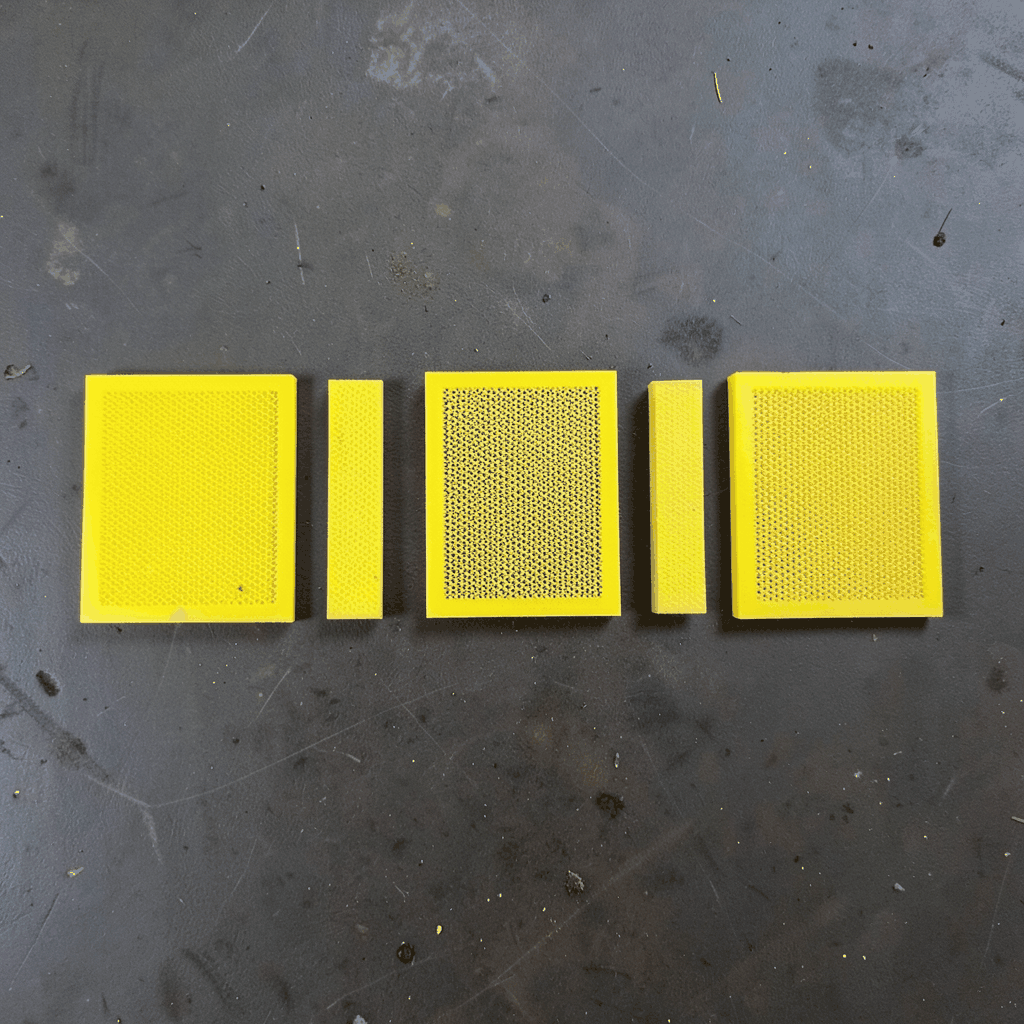
Custom Metal Mesh Inlays for Decorative Concrete Patios
Decorative concrete patios and walkways gain a distinctive architectural character when metal mesh is incorporated into the surface design. Rather than treating the paving as a single uninterrupted plane, custom inlays create visual rhythm, contrast, and carefully controlled detail. Stainless steel strips, aluminum panels, copper accents, and patterned screens can all be coordinated with concrete colors and aggregate finishes.
A metal inlay can define a walking route, frame a seating area, divide a broad terrace, or repeat a geometric motif across a landscape. It may be flush with the concrete for a clean contemporary finish or slightly recessed to create shadow and texture. With accurate fabrication, the inlay becomes part of the paving system instead of appearing like an afterthought.
Shuo Ke Wire Mesh Product Technology Co., Ltd. provides customized metal mesh processing for architectural and industrial applications. Its capabilities support projects that require decorative metalwork, laser-cut patterns, durable materials, and practical fabrication details suited to residential, commercial, and municipal environments.
Design Possibilities For Outdoor Surfaces
The simplest approach uses narrow metal bands arranged as borders, grids, or radial lines. These elements can outline a circular patio, connect separate concrete slabs, or guide movement from a gate to an entrance. Brushed stainless steel delivers a restrained silver tone, while weathered copper gradually develops a warmer patina that works well with natural stone, brick, timber, and planting.
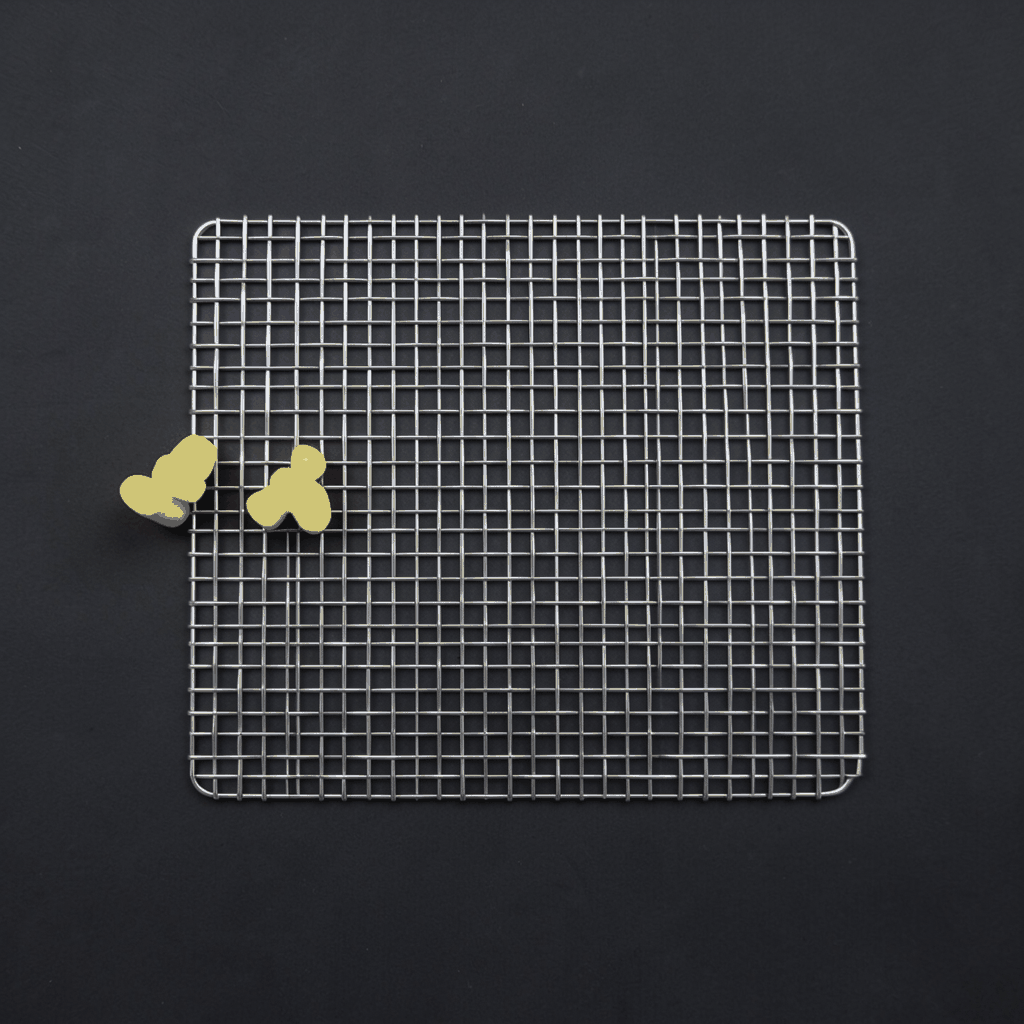
Perforated or expanded metal panels offer a stronger visual statement. A small panel can be placed at the center of a patio as a focal point, while repeated modules can form a continuous pathway pattern. Geometric meshes suit modern properties, whereas botanical, wave, or abstract motifs can soften hardscape areas and relate the paving to the surrounding landscape.
Laser-cut screens make intricate designs possible without relying on hand-built patterns. For a closer look at how detailed motifs are produced for architectural applications, laser-cut pattern techniques can help designers understand the relationship between digital artwork, material thickness, and finished edge quality. The same design language can be adapted for patio inlays, garden dividers, gates, and wall features.
Choosing A Suitable Metal
Stainless steel is frequently selected for outdoor paving details because it offers strong corrosion resistance, dependable dimensional stability, and a clean architectural appearance. It is especially suitable around pools, outdoor kitchens, commercial courtyards, and high-traffic walkways where moisture and regular cleaning are expected. A satin or brushed surface generally reduces glare and disguises minor handling marks.
Aluminum provides a lighter alternative for larger decorative panels or installations where handling and transportation need to be simplified. It can be finished in different colors through powder coating or other treatments, allowing the inlay to coordinate with concrete pigments, façade finishes, and landscape furniture. Proper detailing remains important because aluminum expands and contracts with temperature changes.
Copper and weathering steel create a more expressive appearance. Copper adds a warm metallic accent and changes naturally over time, while weathering steel can produce a deep rust-colored surface that complements grasses, stone, and earthy concrete tones. Iron may be suitable for protected or carefully finished applications, but the coating system and drainage design should be considered closely in wet outdoor settings.
Engineering The Inlay Into Concrete
A successful installation begins with the relationship between the metal component and the concrete slab. The inlay should be detailed with enough allowance for thermal movement, slab shrinkage, joint formation, and water drainage. Long uninterrupted metal sections can require movement breaks, while larger panels may need concealed supports or edge reinforcement to remain stable during placement.
Flush installation is often preferred for walking surfaces because it minimizes trip hazards and makes sweeping, washing, and maintenance easier. The upper face of the mesh or metal panel should align accurately with the surrounding concrete, with edges protected from impact and soil accumulation. If an intentional recess is part of the design, its depth and profile should be clearly specified so it does not collect standing water.
Concrete contractors and metal fabricators should coordinate before pouring. Shop drawings can show panel dimensions, opening locations, fixing points, joint positions, and the intended orientation of a repeating pattern. Mock-ups are valuable for larger projects because they reveal how the material reflects sunlight, how the concrete surrounds the mesh, and whether the chosen scale remains legible from normal viewing distances.
Matching Pattern, Scale, And Surface Finish
Pattern scale has a direct effect on how a patio or walkway is perceived. Fine mesh creates a subtle texture that may be most effective near entrances, walls, or seating edges. Larger openings and bold cutouts remain visible from a distance and work better in broad courtyards or long pedestrian routes. A design that looks impressive on a screen may require larger openings when viewed outdoors across a wide paved area.
The relationship between voids and solid metal also affects safety and maintenance. Very narrow slots can trap dirt, leaves, or ice, while overly open designs may interrupt the visual continuity of the concrete. Rounded corners, smooth edges, and appropriate finishing help make the surface more comfortable and reduce the chance of snagging footwear or cleaning tools.
Color and reflectivity should be evaluated in the actual landscape. Highly polished metal can create bright reflections in direct sun, whereas brushed, bead-blasted, oxidized, or powder-coated finishes provide a softer effect. A restrained contrast often gives the best long-term result: the inlay should be recognizable as a design feature without competing with planting, furniture, lighting, or the building façade.
| Material | Visual Character | Outdoor Advantages | Key Design Considerations |
|---|---|---|---|
| Stainless steel | Clean, modern, reflective or satin | Strong corrosion resistance and low routine maintenance | Control glare and specify a suitable brushed finish |
| Aluminum | Light, contemporary, available in many colors | Easy handling and adaptable surface finishing | Allow for thermal movement and protect against impact |
| Copper | Warm, distinctive, naturally changing | Develops a living patina that suits natural landscapes | Expect color variation and plan for runoff staining |
| Weathering steel | Deep earthy, industrial appearance | Strong visual presence and compatibility with planting | Requires drainage, space for runoff, and appropriate site conditions |
| Iron | Traditional or structural character | Can support robust custom fabrication | Needs reliable protective coating and corrosion management |
Creating A Cohesive Landscape Composition
Metal inlays should relate to the broader composition rather than being selected in isolation. A linear pattern can echo the joints of a building façade, the geometry of window frames, or the direction of timber decking. A circular design can reinforce a fire pit, fountain, dining table, or planted island. Repeating the same motif in a gate, screen, or boundary fence creates continuity between horizontal and vertical surfaces.
The proportions of the patio also influence the layout. Narrow walkways benefit from longitudinal strips or small repeated inserts that reinforce direction. Large terraces can accommodate a central panel, a wide border, or a sequence of custom mesh modules. For irregular spaces, digitally prepared drawings and accurate site measurements help the fabricated pieces follow the intended geometry without excessive field modification.
Lighting deserves early consideration. Low-angle landscape lights can emphasize perforations and cast patterned shadows across concrete, while recessed fixtures can make a metal border visible after dark. Drainage channels, planting beds, steps, and expansion joints should be coordinated with the decorative layout so the final installation remains both attractive and functional.
Fabrication And Installation Details
Custom production typically begins with a design file, material specification, thickness requirement, finish selection, and dimensional schedule. The fabricator can then review whether the pattern is suitable for laser cutting, punching, perforating, welding, bending, or combined processing. Small openings, narrow bridges, and intricate corners may require adjustments to preserve strength and avoid distortion during fabrication.
Edge treatment is particularly important for paving applications. Panels may need folded edges, welded frames, concealed tabs, anchor points, or perimeter bars depending on their size and location. The chosen fixing method should keep the piece stable while allowing the concrete assembly to perform as intended. Visible fasteners can be used as part of an industrial aesthetic, but concealed details usually produce a cleaner appearance.
Before the final pour, the installation team should confirm the setting-out lines and protect the metal from concrete splashes, scratches, and displacement. After curing, the surface can be cleaned according to the selected material and finish. Stainless steel, aluminum, copper, and coated steel each have different maintenance requirements, so care instructions should be provided as part of the project documentation.
Practical Recommendations For A Lasting Result
- Choose the metal according to moisture exposure, foot traffic, cleaning routines, and the desired aging effect.
- Use full-size drawings or sample panels to verify pattern scale, contrast, edge treatment, and visibility.
- Coordinate inlay positions with concrete control joints, drainage paths, steps, and changes in elevation.
- Specify a flush, smooth installation for primary walking routes and protect exposed edges from impact.
- Confirm the finish, fixing method, material thickness, and maintenance procedure before fabrication begins.
Custom mesh inlays can serve as small accents or become the organizing feature of an entire outdoor space. Their success depends on the combination of aesthetic planning, material selection, precise fabrication, and disciplined concrete installation. When those elements are coordinated, a patio or walkway can gain a durable decorative identity that remains connected to the architecture around it.
Shuo Ke Wire Mesh Product Technology Co., Ltd. can support customized architectural metalwork in stainless steel, aluminum, copper, iron, and other alloys. Share your drawings, dimensions, preferred motif, material, and finish requirements with the company to develop a practical mesh solution for your decorative concrete patio, walkway, courtyard, or landscape project.