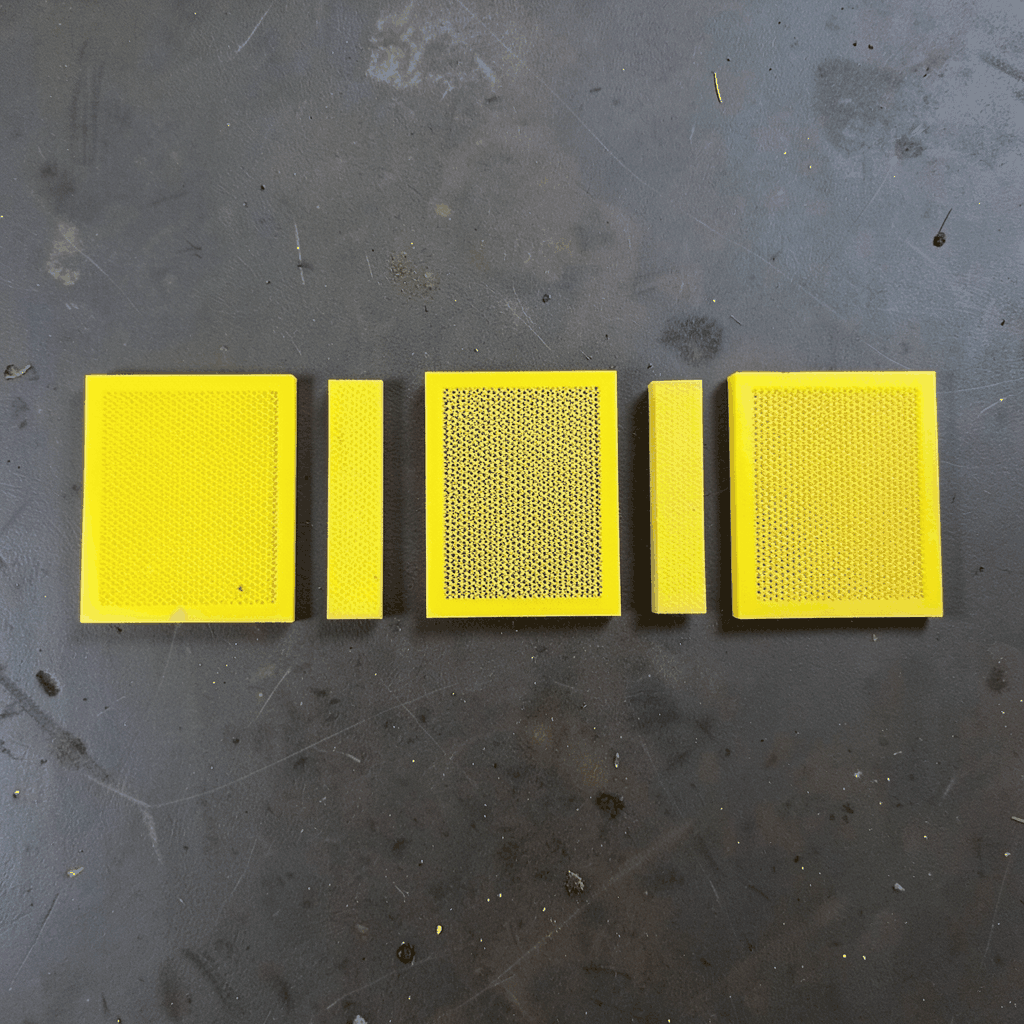
Custom mesh inserts for automotive grilles and air intakes
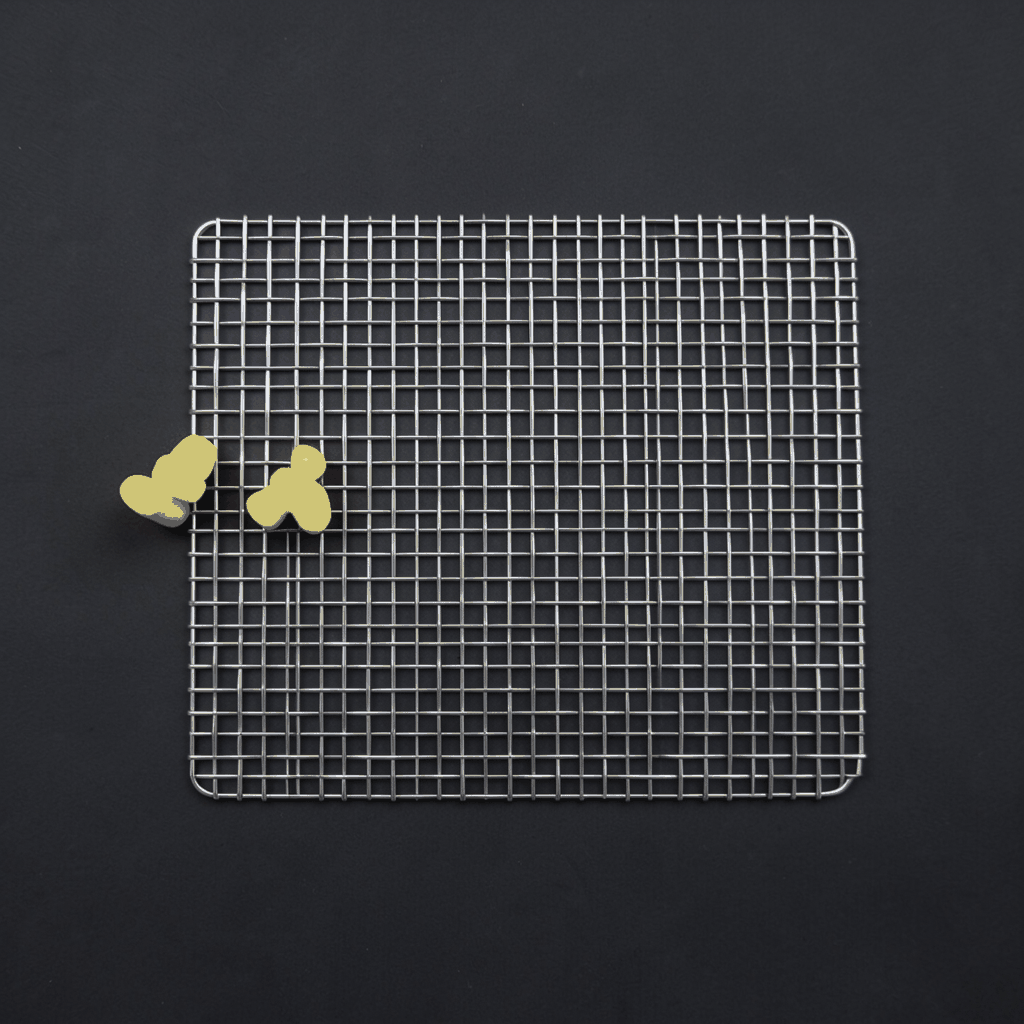
Custom mesh inserts for automotive grilles and air intakes must reconcile visual styling, airflow and protection from road debris. Shuo Ke Wire Mesh Product Technology Co., Ltd. produces woven wire, perforated sheet, expanded metal and laser-cut mesh in materials including stainless steel, aluminium and copper, providing practical options for vehicle builders, accessory brands and specialist fabricators.
A useful specification starts with the vehicle and its operating environment, rather than with an attractive pattern. The insert should suit the grille aperture, airflow path, mounting points and expected exposure to stones, dust, rain and salt. For Australian buyers, a well-fitted component also needs to resist corrosion, remain secure at road speed and avoid noise, wind noise or damage to adjacent sensors.
Why grille inserts matter in Australian driving
Automotive grille inserts serve several functions. A cooling-air intake panel can reduce the entry of stones and insects while protecting a radiator or intercooler. An engine air-intake insert can limit larger debris entering an air cleaner, although it must not restrict airflow enough to affect engine performance. Decorative panels can also frame the front of a vehicle without covering the entire grille.
Road conditions vary considerably across Australia. Stop-start traffic in Melbourne, Sydney and Brisbane exposes vehicles to dust, insects and airborne grit, while regional routes can include loose gravel and stone impact. Vehicles used for commuting, towing or weekend travel need protection suited to their actual routes rather than a generic showroom solution.
The right mesh also supports vehicle identity. A ute, four-wheel-drive, sports car or commercial van may use horizontal slats, a fine woven pattern or a laser-cut motif to coordinate with bodywork and lighting. This gives designers freedom while retaining the open-area ratio needed for ventilation.
Balance airflow with protection
Mesh selection involves more than the visual size of each opening. Wire diameter, aperture, weave direction and open area all influence airflow and pressure drop. A cooling intake generally benefits from a generous open area, while an engine intake may require a finer barrier to exclude debris. The final geometry should be checked against the relevant ducting, radiator or intercooler rather than chosen from appearance alone.
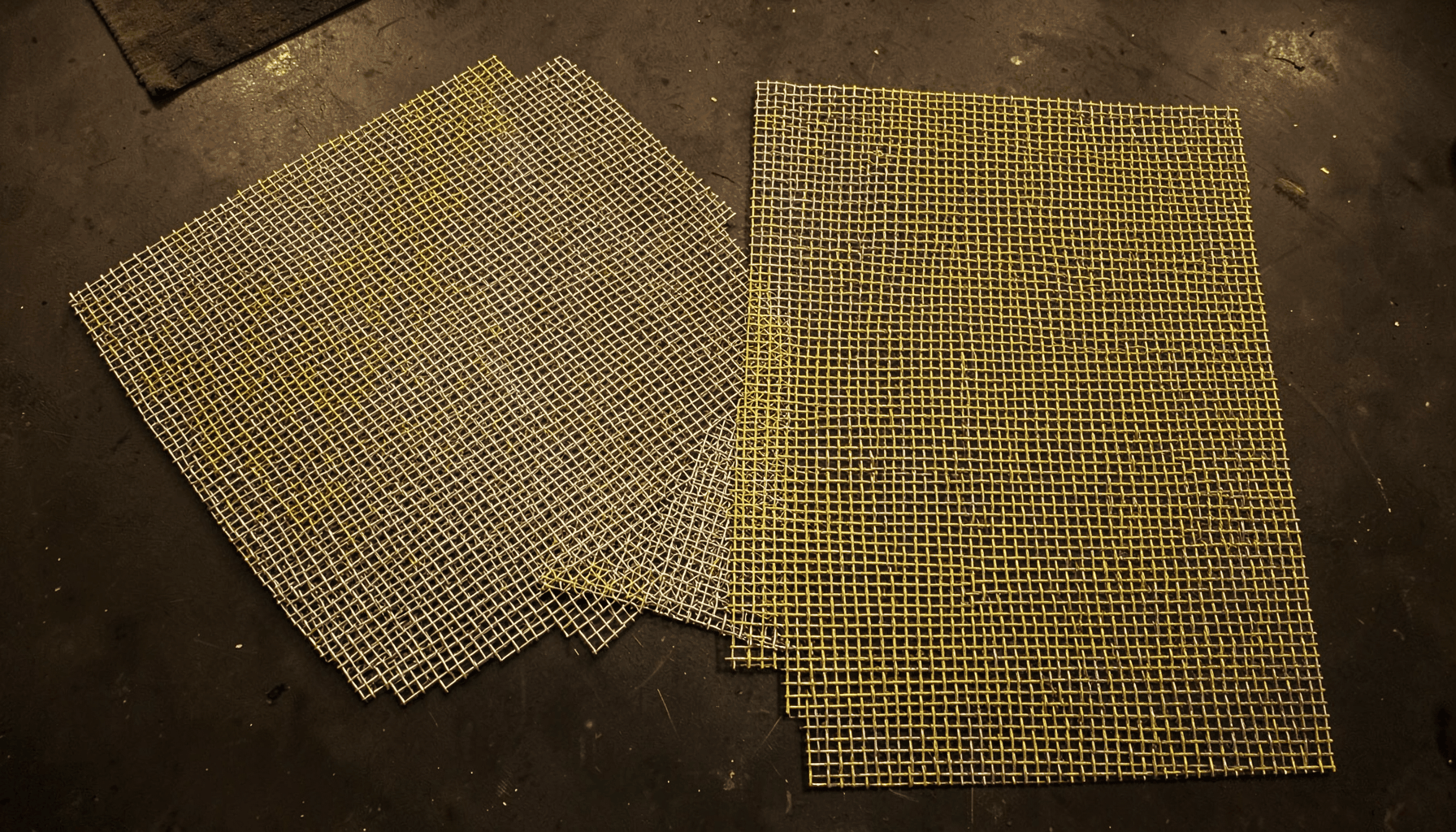
Knowledge of oval crimp mesh performance illustrates why wire profile and opening geometry matter in demanding vibrating environments. The loading and service conditions differ from an automotive installation, but the principles of stiffness, flex and debris passage remain useful when comparing candidate weaves.
Fine mesh should not be treated as an air filter. It can collect dust, pollen and fine particles until airflow falls. If improved particulate control is required, the insert should incorporate a suitable replaceable filter media supported by a rigid mesh carrier. Engine-intake components should also be positioned so rain cannot pool around them.
Select materials for local conditions
Stainless steel offers a strong balance of corrosion resistance, durability and repairability. Grade 304 is suitable for many inland applications, while 316 is generally more appropriate near the coast or where chlorinated road spray and salt-rich air are concerns. Aluminium reduces weight and is easy to form, but it requires careful isolation from dissimilar metals to limit galvanic corrosion.
Powder coating can improve the appearance and surface durability of steel, aluminium or prepared iron components. The coating system must suit the substrate, and any cut edges, welds or exposed fasteners should be protected as well. A visually attractive insert can still fail prematurely if moisture reaches untreated steel or if different metals touch without an insulating barrier.
Australian conditions make finish specification particularly important. UV exposure, summer heat, humidity and coastal salt affect polymers, adhesives and metallic coatings at different rates. Colour should therefore be matched to the vehicle’s finish with a physical sample, and repeated cleaning should be considered before approving a gloss, satin, textured or black coating.
Build a precise vehicle-specific specification
Accurate information prevents an attractive mesh panel from becoming an unsuitable accessory. Useful inputs include grille drawings, vehicle identification, sample dimensions, airflow requirements, mounting photographs and the intended road environment. A digital scan or template can help establish the true shape when openings are irregular.
Specification checks:
- Confirm overall dimensions, aperture shape and available open area.
- Match wire diameter and weave to the expected debris size.
- Establish attachment points, fastener access and service clearances.
- Record airflow, corrosion, finish and fitment requirements.
Appearance and fit checks:
- Compare the pattern scale with headlights and number-plate proportions.
- Check clearance around indicators, cameras and parking sensors.
- Review edge treatment, reflections and colour against body panels.
- Define acceptable tolerances for a vehicle-specific or universal fit.
The specification should distinguish between a functional cooling guard, an engine-intake screen and a decorative overlay. Each role places a different priority on airflow, protection and visual detail, so one generic grille insert cannot meet every requirement without compromise.
Design secure mounting and drainage
Retaining features determine whether a custom mesh insert remains quiet and secure. Captive clips, bolted brackets, edge channels and rubber-isolated fixing points can prevent rattling and reduce stress on the grille. Fasteners should be stainless where practical, accessible for inspection and compatible with the vehicle’s existing structure.
Water management deserves equal attention. Panels can be formed with a slight forward slope so rain leaves the lower edge, while the grille opening should provide an escape path behind the insert. Closed pockets encourage dirt and moisture to accumulate, potentially causing wind noise, staining or corrosion around mounting points.
The design must also accommodate service requirements. An intake panel may need to be removed for radiator cleaning, while a replaceable filter carrier should permit media changes without damaging the finish. Reversible fittings and clear instructions make installation easier for Australian accessory shops, fleet workshops and vehicle owners who maintain their own utes or SUVs.
Meet Australian compliance and market expectations
Vehicle modifications in Australia are governed by Australian Design Rules for new vehicles and state or territory rules for registered vehicles. A grille insert should not introduce sharp edges, loose components, obstructed lights or restricted required visibility. Owners should confirm the rules applying in their state, particularly where the installation changes the original vehicle configuration.
Modern vehicles may place cameras, radar sensors or parking sensors behind the grille. Mesh with the wrong open area can interfere with these systems, while thick bars can distort a camera image. The insert should be reviewed in position, and suppliers should be told whether a sensor must pass through a solid panel, an open section or a purpose-made cutout.
The local market also places a premium on clear fitment information and dependable delivery. Australian buyers often modify vehicles for towing, touring, mining work, deliveries or recreational use, and they expect components to tolerate long road distances and routine car washing. Documentation should cover materials, dimensions, finish, fixing hardware, maintenance and the limits of the product’s application.
Move confidently from sample to production
The first stage is to define the function and collect accurate vehicle data. Shuo Ke can then compare woven wire mesh, expanded metal, perforated sheet and laser-cut panel options, select an appropriate material and finish, and develop a fitment method around the available attachment points. Early involvement of the installer can reveal packaging, access or clearance problems before tooling and production begin.
A physical sample should be checked for aperture position, visual alignment and fastener access. Depending on the application, the development process may also include airflow comparison, vibration checks, edge-finishing reviews and discussions about corrosion protection. Final production drawings and inspection criteria help maintain consistency across repeat orders, accessory programs and vehicle batches.
For a custom grille insert that balances airflow, protection and visual detail in Australian conditions, send Shuo Ke the vehicle model, grille dimensions, application requirements and preferred finish, then request a sample and project-specific production quotation.