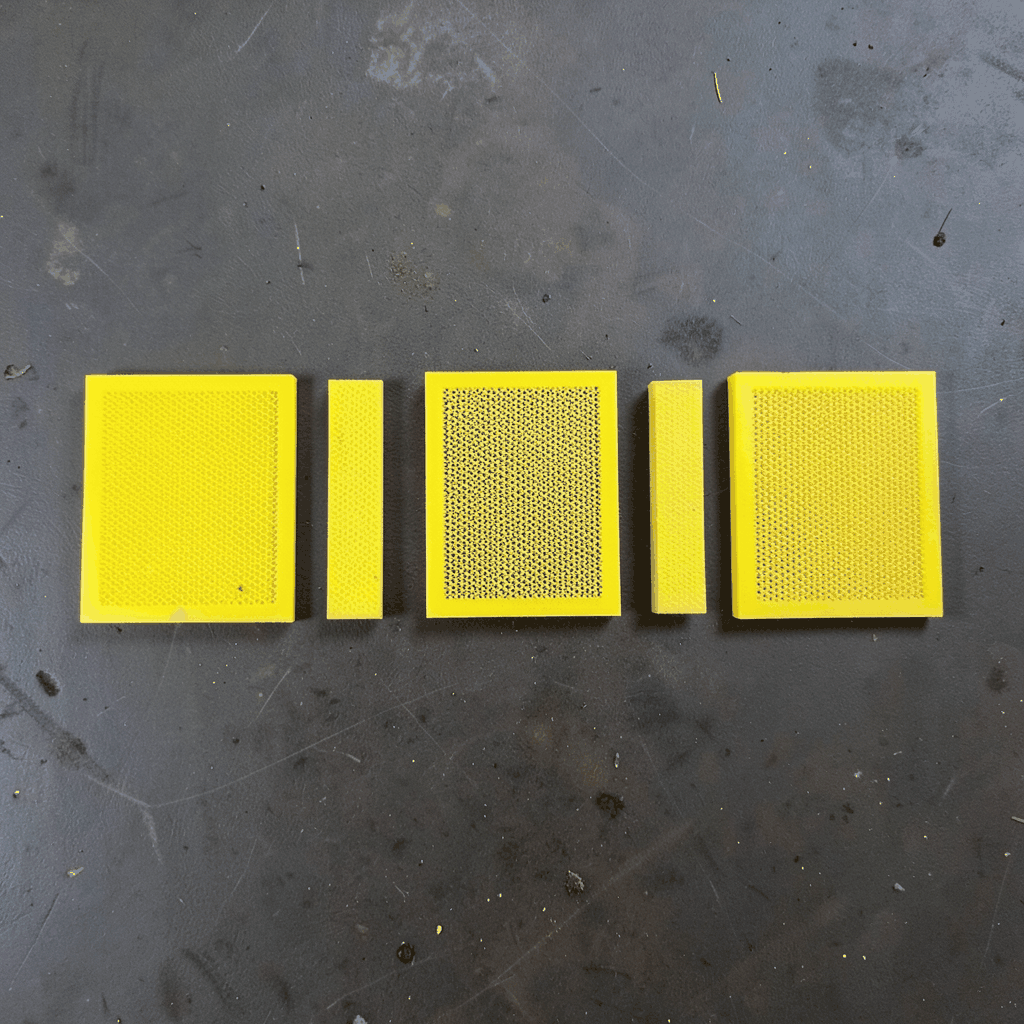
Fabricating custom-mesh filter discs for oil and petrochemical refineries
Oil and petrochemical refineries depend on filtration systems that can operate under pressure, temperature changes, vibration, and continuous exposure to aggressive process fluids. A filter disc may look like a small component, yet its wire diameter, aperture, material, edge finish, and mounting method can affect flow stability, equipment protection, and maintenance intervals.
Custom-mesh filter discs are manufactured for duties that standard screens may not handle reliably. They can be designed as flat discs, multilayer packs, pleated elements, support screens, or reinforced inserts for strainers, baskets, valves, pumps, and process lines. The correct design begins with the fluid, operating conditions, required filtration rating, and available installation space.
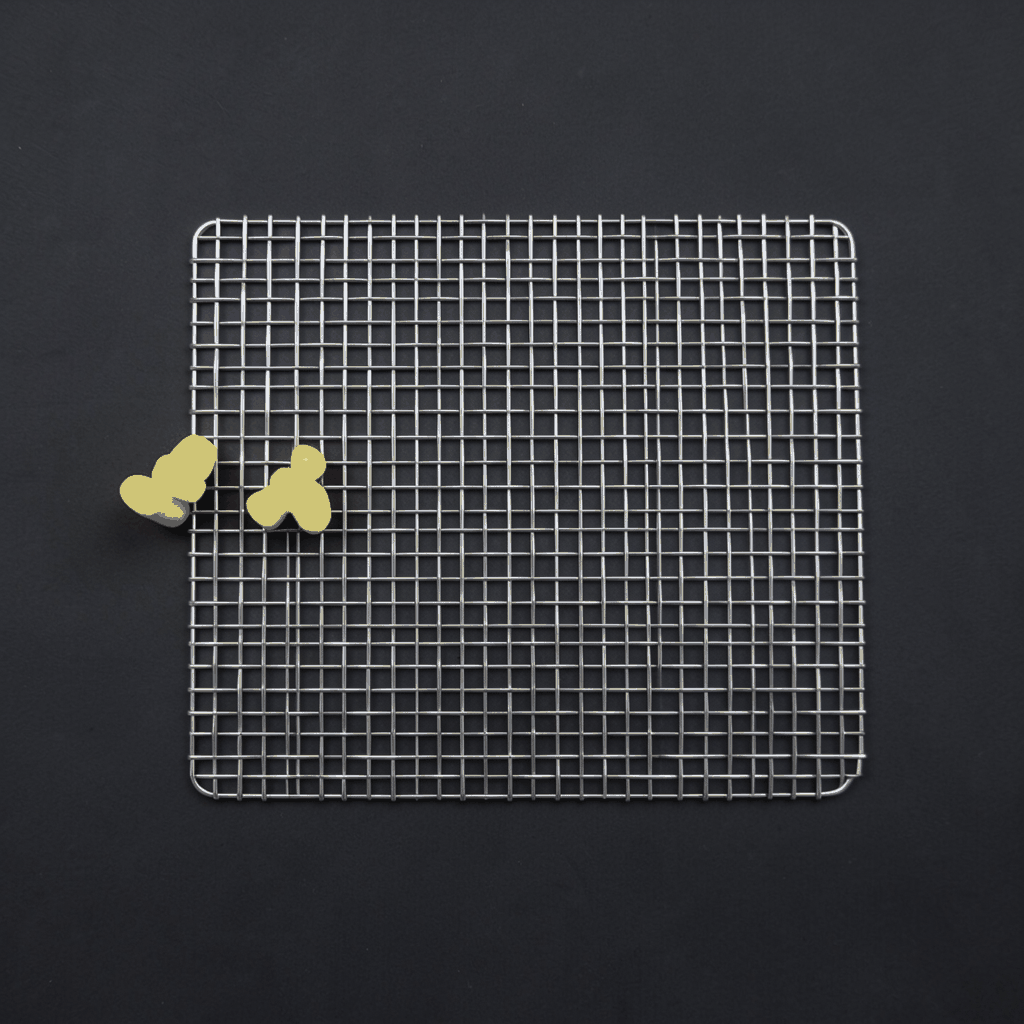
For a manufacturer and processor of metal mesh products, the objective is to combine accurate fabrication with practical engineering. Stainless steel, nickel-based alloys, aluminum, copper, and other metals can be processed according to the demands of a refinery application. Careful control of mesh production and disc conversion helps create components that are durable, cleanable, and compatible with downstream equipment.
Why filter discs matter in refinery systems
Refinery fluids often carry rust, catalyst fines, welding debris, carbon particles, scale, and other contaminants. If these solids reach pumps, control valves, heat exchangers, injectors, or instrumentation, they can accelerate wear and obstruct narrow passages. A properly specified filter disc captures unwanted particles while maintaining an acceptable pressure drop through the process line.
Filter discs are commonly used as strainers and protective barriers rather than as complete purification systems. They may be installed upstream of sensitive equipment, inside filter housings, at the outlet of a vessel, or within a compact cartridge assembly. Their role depends on the filtration stage: coarse debris removal, intermediate particle retention, or fine screening before a critical process step.
The disc must also withstand the mechanical forces created during operation. Differential pressure can bend or collapse a thin screen if it lacks sufficient support. Repeated cleaning can damage a weak edge or loosen a layered construction. For this reason, filtration performance must be evaluated together with strength, open area, sealing, and serviceability.
Refineries also contain restricted-access areas, moving machinery, and high-risk process zones. Metal mesh components used around equipment can support controlled separation and visibility where appropriate; the principles described in durable mesh partitions also show why consistent mesh quality matters in demanding industrial environments.
Selecting the right metal and mesh structure
Stainless steel is a frequent choice for refinery filter discs because it offers a useful balance of corrosion resistance, strength, temperature tolerance, and availability. Stainless steel 304 may suit many general industrial fluids, while 316 or 316L is often considered where chloride exposure, moisture, or more demanding chemical conditions are present. The final selection should follow the actual process chemistry rather than a general material preference.
For severe service, nickel alloys and other specialized materials may be appropriate. They can provide greater resistance to elevated temperatures, acids, alkalis, or corrosive hydrocarbons, though they may increase material and processing costs. Aluminum is lightweight and useful in selected low-load applications, while copper and copper alloys may be chosen for particular conductivity or compatibility requirements. Iron and carbon steel screens can serve in less corrosive environments when coated or protected as required.
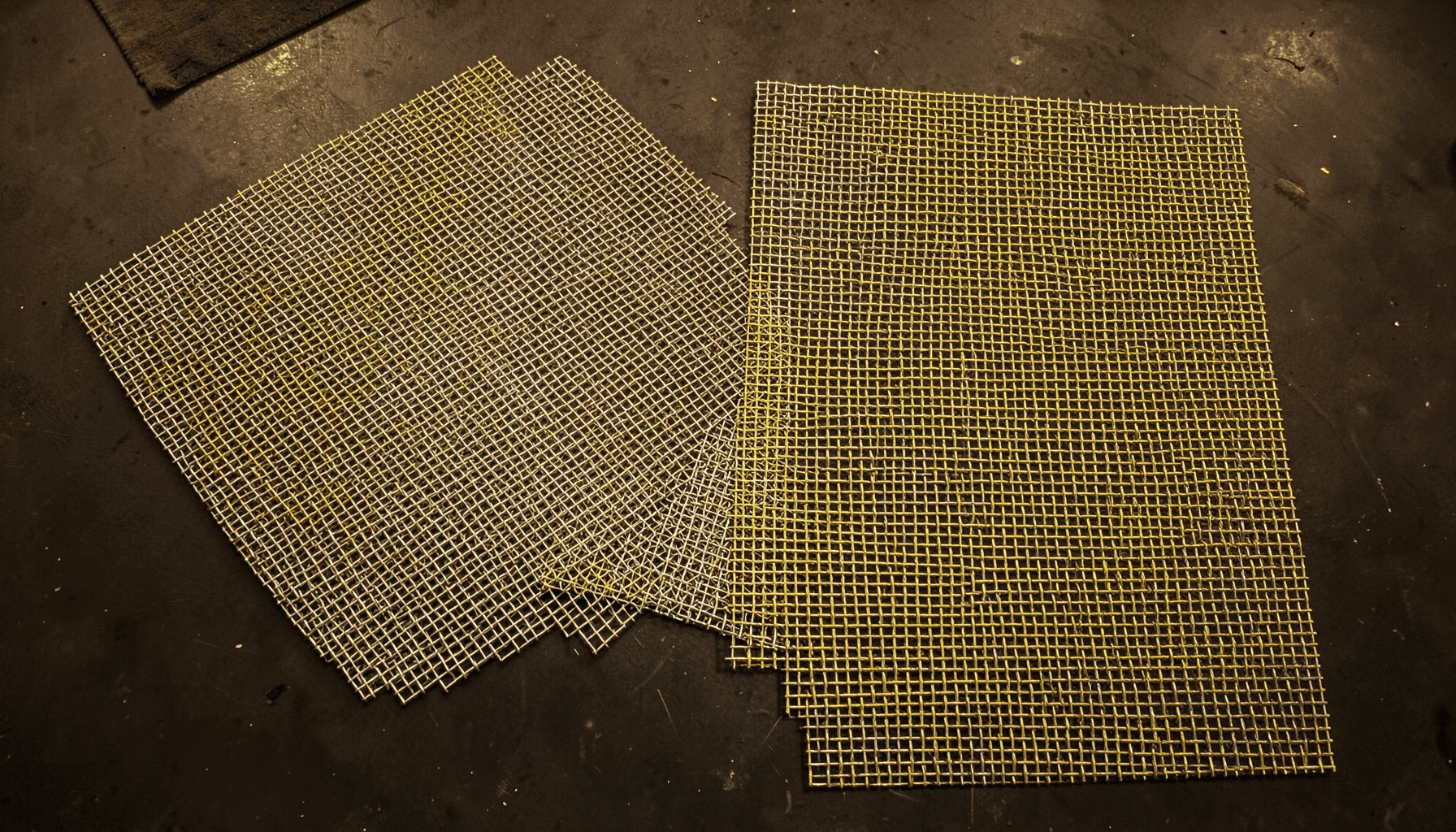
Mesh type affects both filtration behavior and mechanical performance. Plain square weave is widely used for general screening and offers predictable openings. Twilled weave can produce finer openings with stronger wire support. Dutch weave uses different wire arrangements to create fine filtration capability, often with a smoother flow path and higher resistance to pressure. Perforated plates, expanded metal, or welded wire can be added as support layers.
The specified micron rating should not be treated as the only design value. Wire mesh opening, particle shape, wire tolerance, test method, and fluid viscosity all influence actual retention. A process engineer may need to define nominal filtration, absolute filtration, or a target percentage of particle capture. Clear specifications prevent a disc from being selected solely by nominal mesh count.
Designing the disc for pressure and installation
The fabrication drawing should identify outside diameter, inside diameter, thickness, mesh grade, layer arrangement, edge treatment, and any notches or mounting features. Even a small dimensional error can create bypass around the filter element or prevent proper seating in a housing. Measuring the mating component and confirming tolerances before production reduces installation problems.
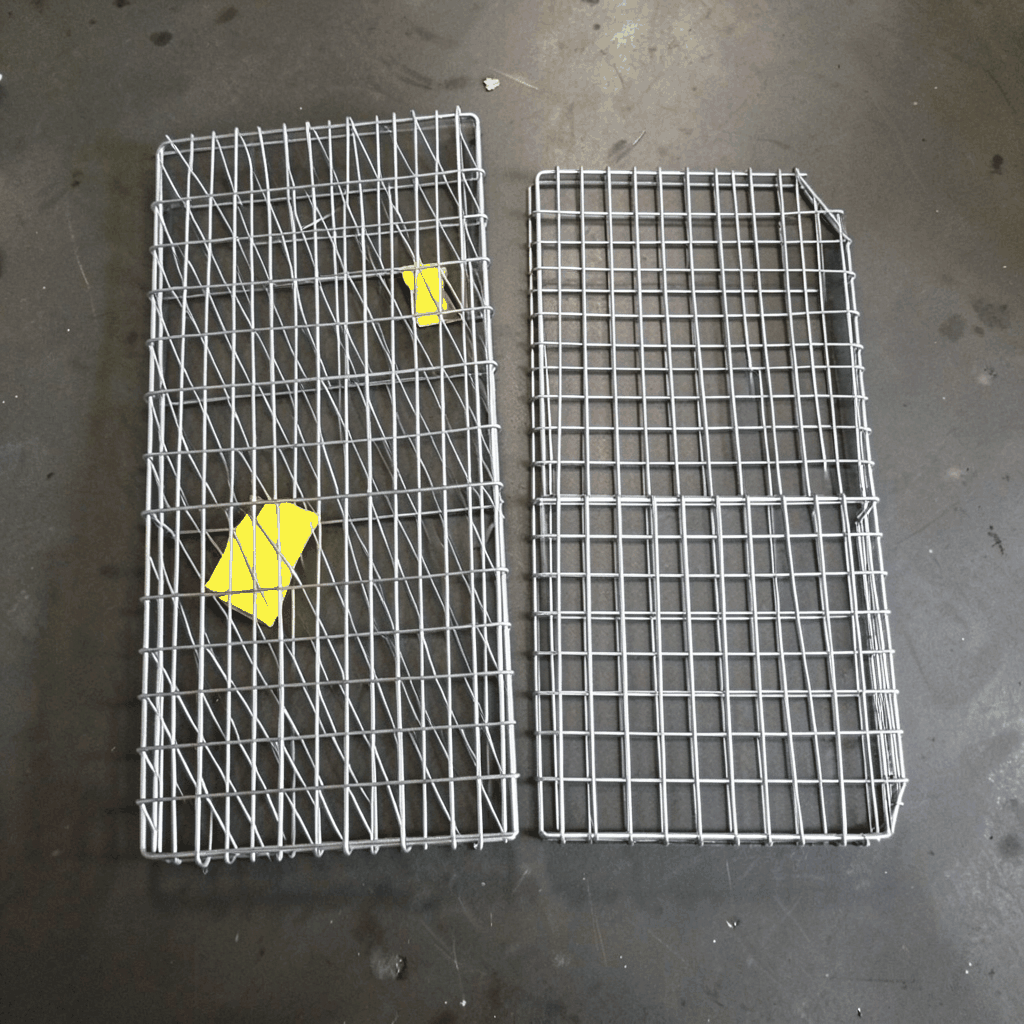
Single-layer discs are economical and suitable for many low-to-moderate pressure applications. Multilayer filter discs combine a fine filtration layer with coarser support meshes. The support structure distributes pressure across the active screen, improves resistance to deformation, and can make the disc easier to handle. Spot welding, perimeter welding, sintering, or a retaining ring may be used depending on the construction.
Edge finishing deserves particular attention. A raw cut edge can have protruding wires that interfere with a gasket, damage seals, or release loose fragments into the process stream. Options include welded edges, rolled rims, framed discs, bonded borders, and precision trimming. The appropriate finish depends on the housing design and whether the disc will be removed for cleaning.
Flow direction is another important factor. Some woven meshes have a preferred orientation when used as a fine filtration surface backed by a support screen. The disc should be positioned so the pressure load is transferred effectively to the support layer. If a filter is installed in a high-flow line, engineers should also account for turbulence, pulsation, vibration, and the possibility of pressure surges.
Comparing common filter disc constructions
The best construction depends on the balance between filtration precision, pressure resistance, cleaning method, and budget. The following comparison provides a practical starting point for specification discussions:
| Construction | Typical strength | Filtration capability | Common refinery use | Main consideration |
|---|---|---|---|---|
| Single-layer woven mesh | Moderate | Coarse to fine | Strainers and low-load screens | Requires adequate housing support |
| Multilayer woven mesh | High | Fine and controlled | Process filters and protective elements | Higher fabrication complexity |
| Dutch weave disc | High | Fine particle retention | High-precision liquid filtration | Greater pressure drop may occur |
| Mesh with perforated support plate | Very high | Fine, depending on active layer | High differential-pressure service | Heavier and less open area |
| Welded wire disc | High | Coarse to medium | Debris removal and robust screens | Less suitable for very fine filtration |
| Framed or rimmed disc | Depends on mesh layers | Depends on mesh selection | Sealed housings and replaceable inserts | Frame dimensions must be exact |
A single-layer disc can be effective when the process contains limited solids and the equipment provides firm support. It is easy to manufacture, inspect, and replace. However, using a fine mesh without structural backing may lead to distortion when pressure rises or when trapped solids accumulate.
Multilayer and sintered constructions are often selected when a stable pore structure and greater mechanical integrity are required. Sintering bonds multiple mesh layers into a rigid unit, while welded assemblies allow manufacturers to combine different grades of mesh and support. The choice should consider whether the element will be backwashed, chemically cleaned, manually brushed, or replaced after service.
Fabrication controls that protect performance
Custom filter disc production normally begins with material verification and mesh inspection. The manufacturer should check wire diameter, weave consistency, opening size, mesh count, and surface condition. Material certificates can help confirm the alloy grade, especially when discs will contact corrosive or high-temperature process media.
Cutting must preserve the specified geometry without distorting the mesh. Laser cutting, stamping, waterjet cutting, and precision shearing may each be suitable for different materials and thicknesses. Fine woven mesh can require controlled handling because excessive heat or mechanical force may deform openings near the perimeter. The selected method should match the mesh structure and required edge condition.
When layers are joined, weld quality and alignment become critical. Inconsistent tack welds can create raised areas that prevent sealing, while excessive welding heat may weaken or warp thin mesh. A controlled welding process helps maintain flatness and prevents loose wires from entering the fluid stream. For high-integrity assemblies, the production record may include weld inspection, dimensional checks, and traceability by batch.
Quality control should continue after fabrication. Useful checks can include diameter and thickness measurement, visual inspection under magnification, flatness testing, aperture verification, layer orientation confirmation, and examination of the finished edge. Where required, pressure, flow, bubble-point, or cleanliness testing can provide additional evidence that the disc meets its intended function.
Matching filtration to refinery operating conditions
The process fluid should be evaluated before the mesh is selected. Crude oil, refined fuels, solvents, cooling water, chemical additives, and gas-liquid mixtures can have very different viscosities and contaminant profiles. A fine aperture that works well in a low-viscosity stream may create excessive pressure loss in a heavy oil service. Temperature can also change viscosity and affect flow through the disc.
Chemical compatibility is equally important. Water containing chlorides, sulfur compounds, acids, or cleaning agents can attack a material that performs well in dry service. The manufacturer should receive information about fluid composition, concentration, operating temperature, pressure, cleaning chemicals, and expected exposure time. This allows the mesh alloy and joining method to be assessed more realistically.
Maintenance planning should be part of the original design. If the disc will be removed frequently, a reinforced rim or handling tab may make service safer and faster. If backwashing is planned, the layers and welds must tolerate reverse flow. If the element is disposable, cost-effective single-layer construction may be preferable; if replacement access is difficult, a stronger reusable assembly may provide better lifecycle value.
Before production, the buyer and fabricator should approve a drawing or sample. The document should record mesh material, nominal opening, wire diameter, disc dimensions, tolerance, support arrangement, edge finish, quantity, and inspection requirements. Clear records reduce the risk of receiving a product that fits physically but fails under actual process conditions.
Practical specification recommendations
A concise technical brief helps a custom metal mesh manufacturer quote accurately and identify potential design concerns. Include the following details wherever possible:
- State the fluid, contaminant type, target particle size, viscosity, temperature, and chemical exposure.
- Specify the desired filtration rating, flow direction, allowable pressure drop, and maximum differential pressure.
- Provide the housing dimensions, sealing method, installation orientation, and available support behind the disc.
- Choose the alloy and cleaning method together, including chemical washing, backwashing, brushing, or replacement.
- Request material traceability, dimensional inspection, edge-finish verification, and any performance testing needed for the application.
Working with a supplier that can weave, cut, weld, frame, and inspect metal mesh under one coordinated process can simplify procurement. It also makes it easier to revise the design when a trial installation reveals a pressure-drop, sealing, or handling issue. Customization is most valuable when it addresses a defined operating requirement rather than adding unnecessary features.
For refinery projects, small design details can determine whether a filter disc remains stable throughout its service life. A reinforced perimeter, correctly oriented support mesh, compatible alloy, or improved cleaning access may provide greater value than simply choosing a finer screen. The finished component should protect equipment while supporting dependable flow and manageable maintenance.
Share the process conditions, drawing, sample, or dimensional requirements with Shuo Ke Wire Mesh Product Technology Co., Ltd. to develop a custom filter disc suited to your refinery or petrochemical application. With appropriate mesh selection, controlled fabrication, and documented inspection, the result can be a durable filtration component prepared for demanding industrial service.