Fabricating Wire Mesh for Custom Bird Aviaries and Flight Cages
A well-designed aviary gives birds room to fly, perch, feed and socialise while protecting them from escape, predators and harsh weather. The mesh is the working structure that makes this possible. Its aperture, wire diameter, finish, framing method and resistance to corrosion all affect the safety, appearance and service life of the enclosure.
For Australian homes, wildlife parks, breeders, schools and commercial facilities, custom fabrication provides greater control than off-the-shelf panels. A manufacturer can adapt the mesh to unusual footprints, suspended roofs, double-door entries, planted habitats and large flight cages while selecting materials suited to coastal air, intense sunlight and local maintenance conditions.
Selecting Mesh For Bird Safety
The first decision is the mesh opening. Small finches, budgerigars and canaries require narrow apertures that prevent heads, feet and wings from becoming trapped. Larger parrots may need a stronger welded or woven mesh because they can bend light wire, loosen fittings and chew exposed edges. The correct opening should reflect the smallest bird housed in the enclosure, not only the largest species.
Wire diameter must be matched to bird size and behaviour. Fine stainless steel mesh can suit delicate indoor habitats, while cockatoos, macaws and other strong-beaked birds generally need heavier wire and robust attachment points. A cage intended for mixed species should be designed around the most active and destructive occupant, with particular attention to corners, doors and roof joins.
Smooth, accurately formed wire is essential. Cut ends should be concealed, folded, welded, ground or protected with a suitable frame so that feathers, feet and beaks cannot contact sharp projections. Weld quality should be consistent across the panel, since a single weak intersection can become an escape point or a source of injury.
Choosing Materials For Australian Conditions
Stainless steel is a dependable option for aviaries exposed to rain, humidity, cleaning chemicals or salt-laden air. This is especially relevant around Sydney’s coastal suburbs, Brisbane, Perth and other areas where airborne salt and moisture can accelerate corrosion. Grades such as 304 may suit many general applications, while 316 stainless steel is often considered for severe marine environments.
Aluminium offers lower weight and natural corrosion resistance, making it useful for movable panels, large doors and roof sections. It is easier to handle during installation, although the alloy, temper and profile must be selected carefully for the span and loading. Aluminium mesh can be paired with aluminium frames, stainless fasteners or compatible coated components to reduce galvanic corrosion.
Galvanised and powder-coated steel may provide an economical solution for some exterior bird enclosures. The coating must be durable, fully bonded and suitable for the intended environment. Any drilled, cut or welded area needs proper treatment, since exposed steel can rust rapidly in wet conditions. Copper and untreated mild steel are generally less suitable where birds can chew or ingest residues, so material safety should be reviewed alongside structural performance.
Designing The Aviary Structure
A flight cage needs sufficient length and clear height for the birds to exercise naturally. The enclosure should allow a straight flight path rather than filling the available space with too many branches, feeders and ornaments. For residential gardens in Melbourne or Adelaide, a narrow side-yard aviary may use a long rectangular layout, while a zoological facility may require linked bays with service corridors.
The roof requires careful planning. A mesh roof can provide ventilation and natural light, but part of the enclosure may need solid sheeting for shade and weather protection. Australian summers can produce high radiant heat, particularly in exposed western-facing yards. A partially covered roof, planted screening and cross-ventilation can reduce heat stress without turning the aviary into a dark, stagnant room.
Frames may be fabricated from stainless steel, aluminium or coated steel tube. The selected profile depends on panel size, wind exposure, roof span and whether the aviary is permanent or relocatable. Large doors should be braced against sagging, and hinges should be selected for frequent use. A double-door entry, or safety lobby, creates a valuable barrier against escapes when keepers enter and leave.
Fabricating Panels And Access Doors
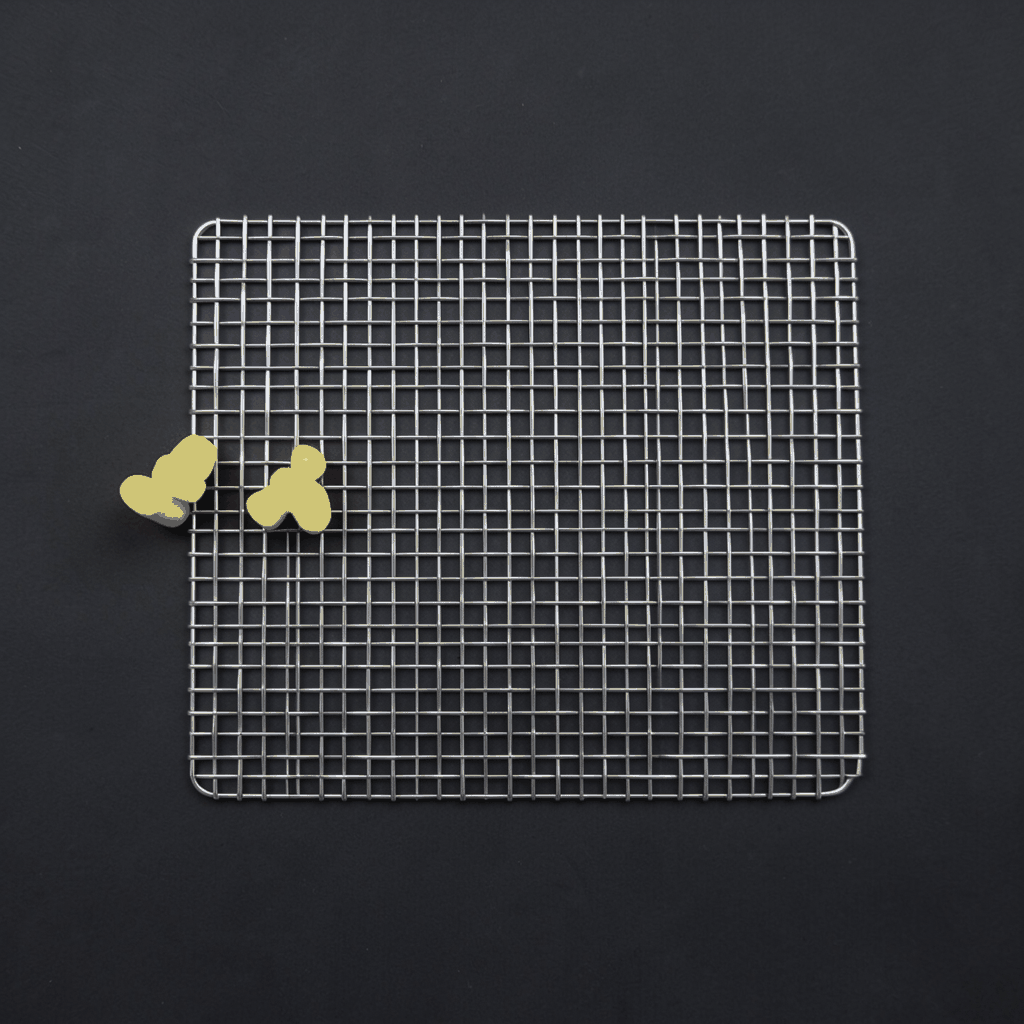
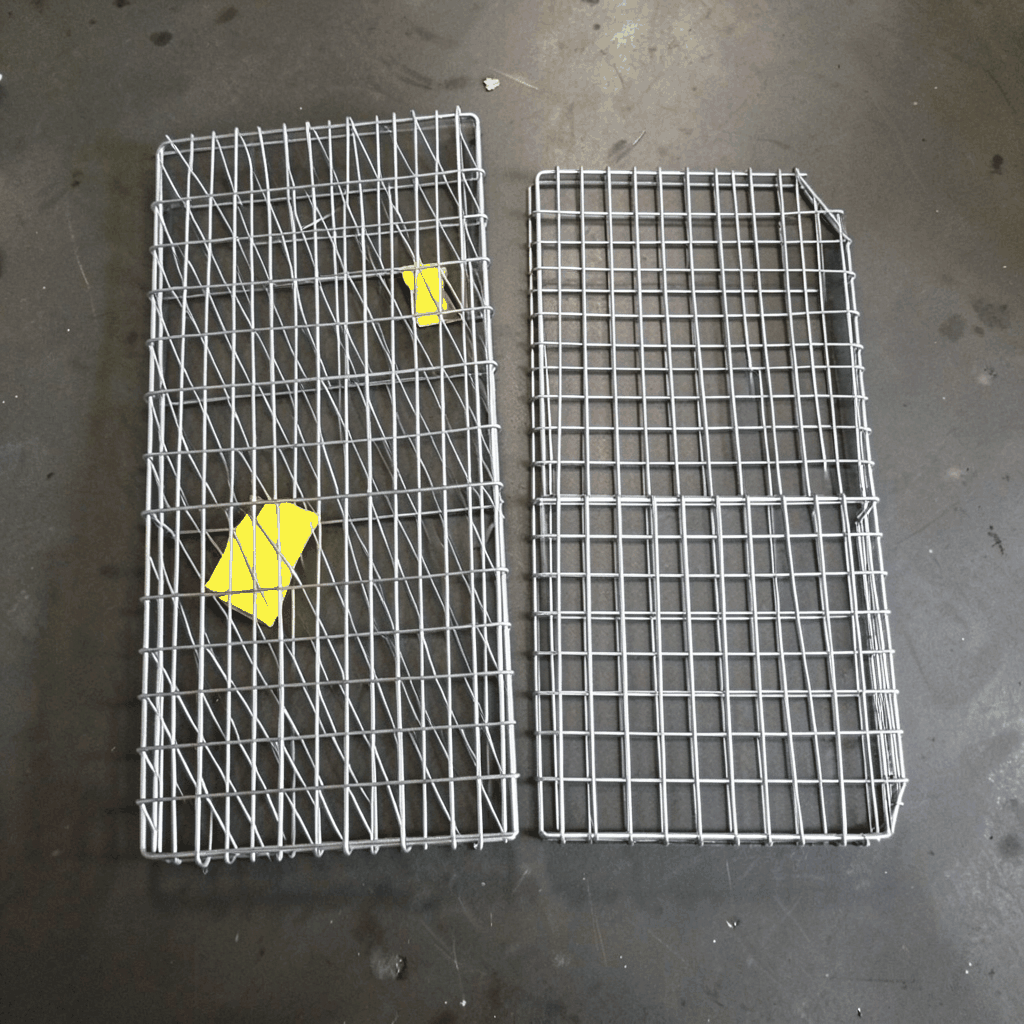
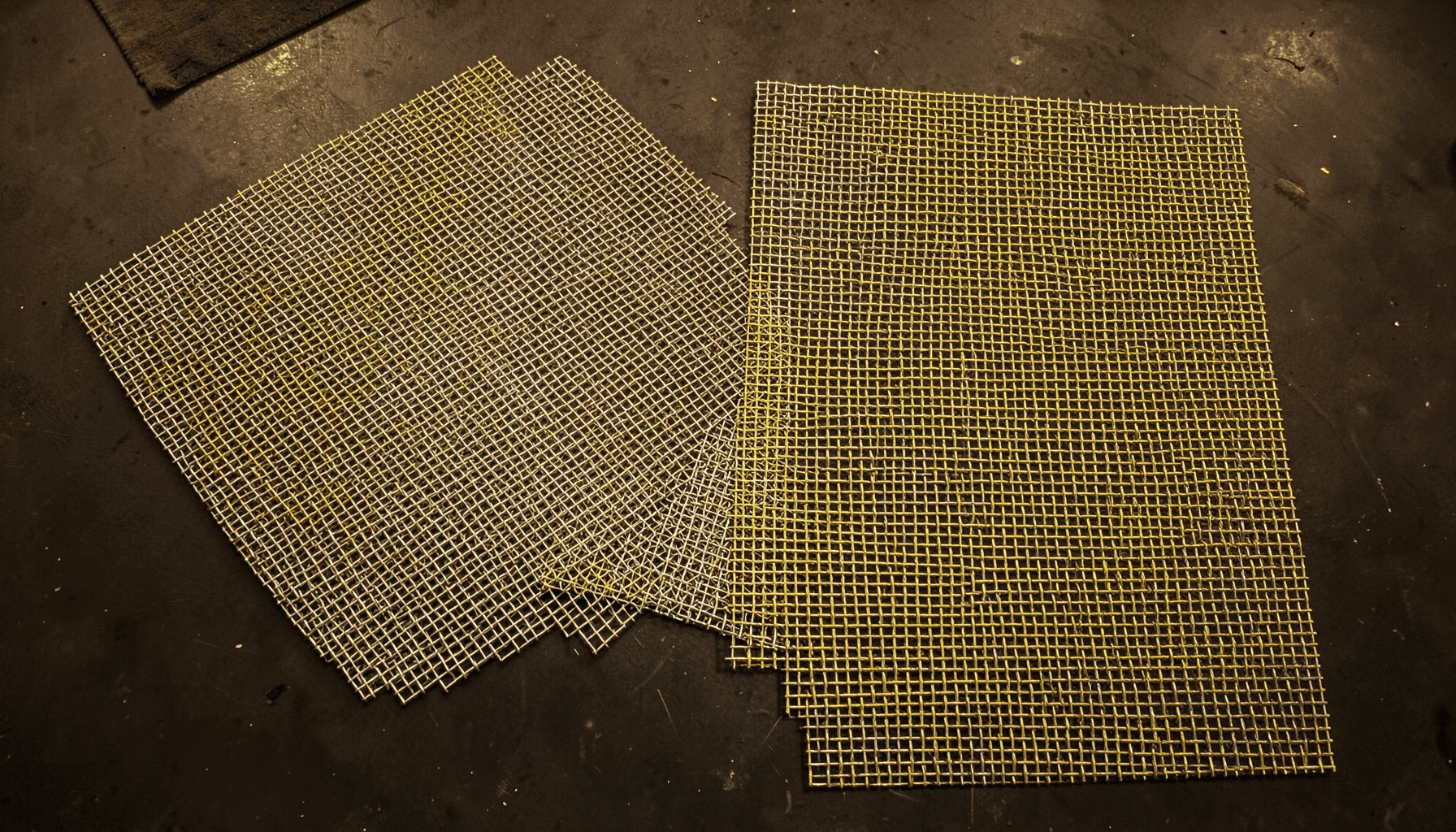
Welded wire panels provide a rigid, clean-looking surface and are well suited to modular aviaries. They can be manufactured to specific widths and heights, then fixed to a frame with bolts, clips, tabs or concealed retaining sections. Woven mesh offers flexibility and can accommodate curved forms, but the edges must be securely tensioned and protected from movement.
Custom laser cutting can create precise mounting plates, inspection panels, ventilation sections and decorative screens around service areas. It can also help coordinate mesh panels with unusual architectural forms. Where the aviary forms part of a visitor attraction, a carefully finished enclosure can complement surrounding landscaping rather than appearing like a utilitarian cage.
Door construction deserves the same attention as the main wall panels. The frame should resist twisting, the latch should be reliable and the mesh should overlap the fixed frame sufficiently to close escape gaps. For keeper access, wide service doors can improve cleaning and maintenance. Smaller feeding doors can limit disturbance to birds while keeping routine tasks efficient.
Raised platforms, ramps or maintenance walkways may be needed for large flight houses. These surfaces should be planned with the same attention to grip and drainage as the enclosure itself. Guidance on slip-resistant mesh treads can be useful when selecting open metal surfaces for keeper access around elevated aviary sections.
Managing Predators, Pests And Escapes
An aviary must be designed as a complete barrier, including the base, roof, service penetrations and drainage points. In many Australian suburbs, possums, rats, snakes, cats and foxes may investigate food smells or nesting activity. A mesh wall alone cannot prevent intrusion if the bottom edge has a gap or the foundation is easy to dig beneath.
The lower perimeter can be secured with a concrete edge, buried apron, paving interface or outward-facing ground skirt, depending on the site. The selected method should allow water to drain while stopping rodents and reptiles from entering. For planted aviaries, roots and soil movement should be considered because they can gradually create openings beneath panels.
Feeders, water lines, lighting cables and misting systems need sealed penetrations. Mesh collars, framed service openings and removable access covers make these points easier to inspect. Bird-safe design also means eliminating protruding bolts, exposed wire tails and gaps where toes or beaks could become caught.
Finishing, Cleaning And Maintenance
The finish influences hygiene as well as appearance. Smooth stainless steel is easy to wash and inspect, while a high-quality powder-coated surface can provide colour and an additional protective layer. Mesh should be specified with a finish that tolerates regular cleaning, disinfecting and exposure to droppings without flaking or creating difficult-to-clean recesses.
Routine maintenance should include checking welds, fasteners, hinges, locks and the lower perimeter. Particular attention is needed after severe storms, when wind-borne branches can deform roof panels or loosen connections. In tropical Queensland, humidity and organic debris may require more frequent washing, while dry inland areas can bring dust into hinges, latches and sliding components.
A modular design simplifies repairs. If a section becomes damaged, a removable panel can be replaced without dismantling the entire enclosure. Keeping a record of mesh specification, coating type and panel dimensions also helps owners order matching replacement parts years after the original installation.
Planning Fabrication And Installation
Accurate site information leads to a better result. Fabricators need overall dimensions, panel spans, door positions, roof angles, ground conditions and the intended bird species. Photographs, sketches and measurements of existing walls or paving can help resolve interfaces before production begins. For a public project, pedestrian routes, cleaning access and visitor visibility should be included in the brief.
The fabrication process may include material cutting, mesh welding or weaving, frame assembly, surface finishing, trial fitting and packing for transport. Factory-controlled production can improve consistency across repeated panels and reduce the amount of cutting needed on site. It also allows door clearances, latch positions and corner details to be checked before delivery.
Australian installations should account for wind, local council requirements, heritage settings and site drainage. A suburban project in Perth may face different soil and heat conditions from one in Hobart, while a coastal aviary near Cairns may need enhanced corrosion protection. Consultation with the relevant council, building professional or animal-care specialist can clarify approvals and welfare obligations before fabrication starts.
Creating A Durable Custom Aviary
The most successful bird enclosures balance animal welfare, keeper access, structural reliability and visual integration. Mesh should be selected according to bird behaviour, aperture risk, corrosion exposure and cleaning needs rather than appearance alone. Frames, doors, bases and roof sections must work together as a controlled system.
Shuo Ke Wire Mesh Product Technology Co., Ltd. can support custom requirements with stainless steel, aluminium, iron and other metal mesh solutions for architectural and practical applications. A detailed fabrication brief can turn a challenging site into a safe flight cage, breeding enclosure, garden aviary or commercial habitat with durable, accurately made components.
Send the required dimensions, bird species, site location, preferred material and finish to Shuo Ke Wire Mesh Product Technology Co., Ltd. for a tailored mesh recommendation and fabrication discussion. Properly specified panels and access components provide a strong foundation for a secure, maintainable Australian aviary.