How Copper Mesh Inhibits Bacterial Growth on Touchable Partition Surfaces
Touchable partitions sit between people, products, and shared indoor environments. They are used as room dividers, reception screens, lift surrounds, security barriers, privacy panels, and protective guards. Because hands frequently contact their frames and infill, the surface finish affects more than appearance. It also influences how easily bacteria remain viable between cleaning cycles.
Copper mesh offers a practical material option for these high-contact applications. Copper and many copper alloys can reduce bacterial survival through antimicrobial contact action, while the open structure of mesh supports visibility, airflow, and decorative flexibility. The result is a partition surface designed to contribute to a cleaner environment without turning the material into a substitute for normal hygiene procedures.
The performance of a copper partition depends on alloy composition, exposed surface area, weave or pattern, installation details, and maintenance. A well-designed system can combine a distinctive metallic finish with durable engineering, but its bacterial-control value should be evaluated alongside cleanability, structural safety, and the requirements of the building.
Why Copper Is Active Against Bacteria
When bacteria contact an exposed copper surface, copper ions can move from the material into the thin layer of moisture surrounding the cells. These ions may interfere with the cell membrane, disrupt proteins, damage genetic material, and disturb the energy processes needed for survival. Copper can also promote chemical reactions that create oxidative stress inside microbial cells.
This action is commonly described as contact killing or contact inactivation. It does not mean that every microorganism disappears instantly, nor does it mean that a copper surface remains sterile. Instead, the material can reduce the time bacteria remain viable after deposition, which is valuable on surfaces repeatedly touched by hands, carts, clothing, or equipment.
Copper alloys can behave differently depending on their copper content and the other metals included in the formulation. Brass and bronze may also provide antimicrobial effects, while pure or high-copper materials generally offer a stronger copper-ion contribution. A project specification should therefore identify the intended alloy rather than relying on a general reference to a copper-colored finish.
How Mesh Changes Surface Hygiene
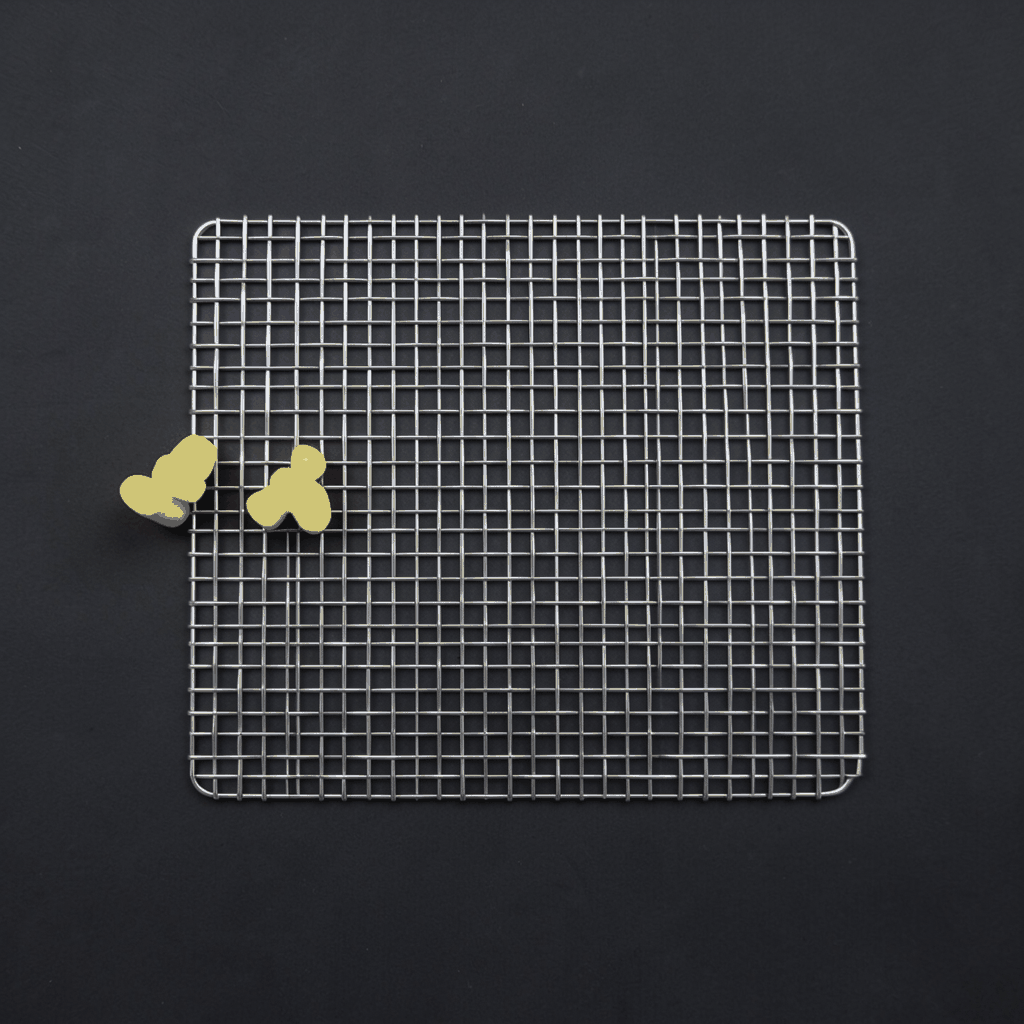
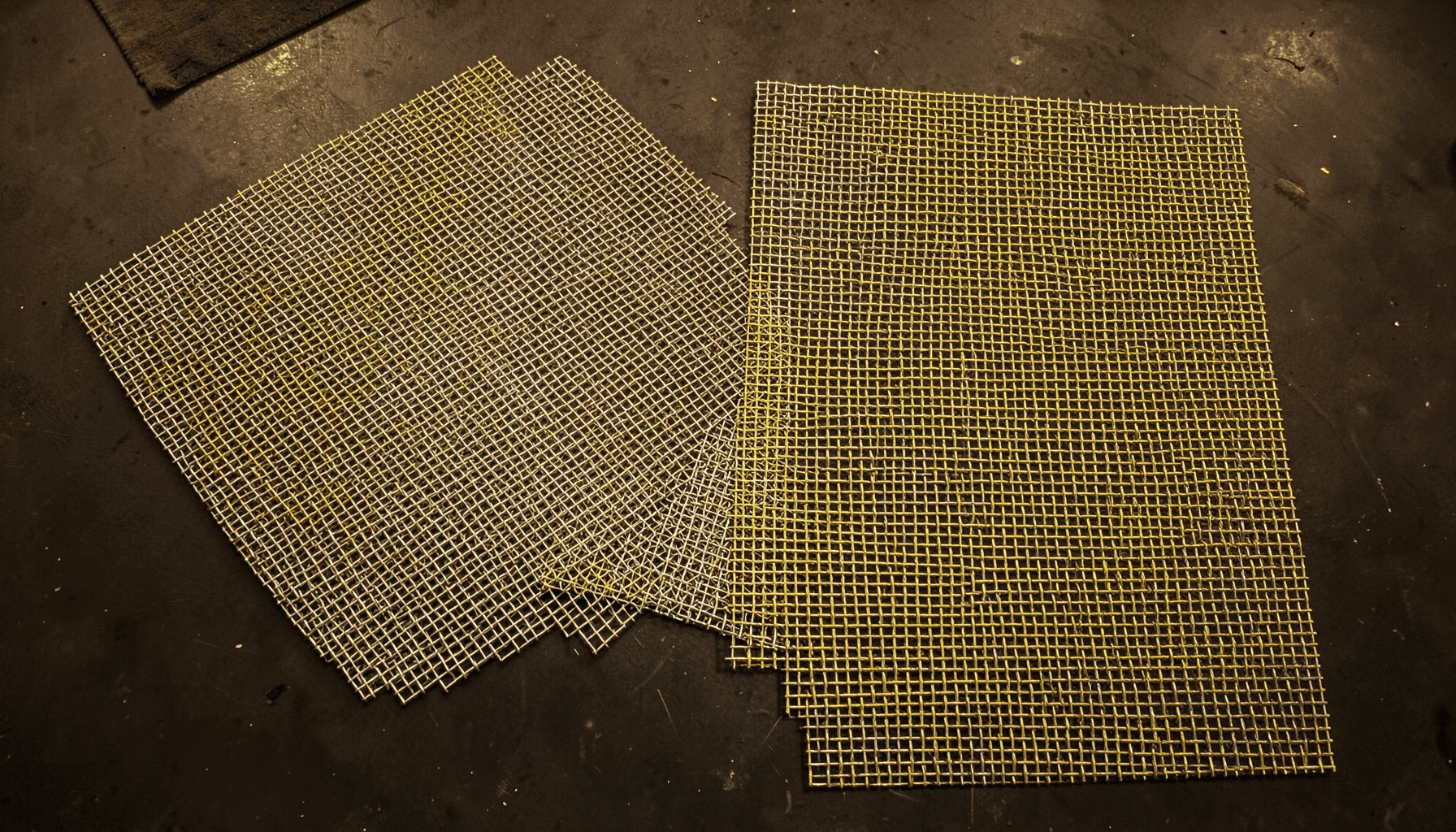
Copper mesh creates a large network of exposed wires, openings, and contact points. A hand may touch several strands during use, while the open construction prevents the partition from becoming a completely enclosed panel. This arrangement can support ventilation and visual separation while limiting the broad, continuously touched areas found on some solid laminates or painted boards.
The mesh pattern also affects cleaning. Fine woven mesh can retain dust, skin oils, and residues in small recesses, whereas a larger architectural weave or expanded pattern may be easier to wipe. The frame, mounting clips, welds, folded edges, and adjoining wall surfaces must be considered as part of the hygiene system. Bacteria can persist in uncleaned joints even when the copper infill has antimicrobial properties.
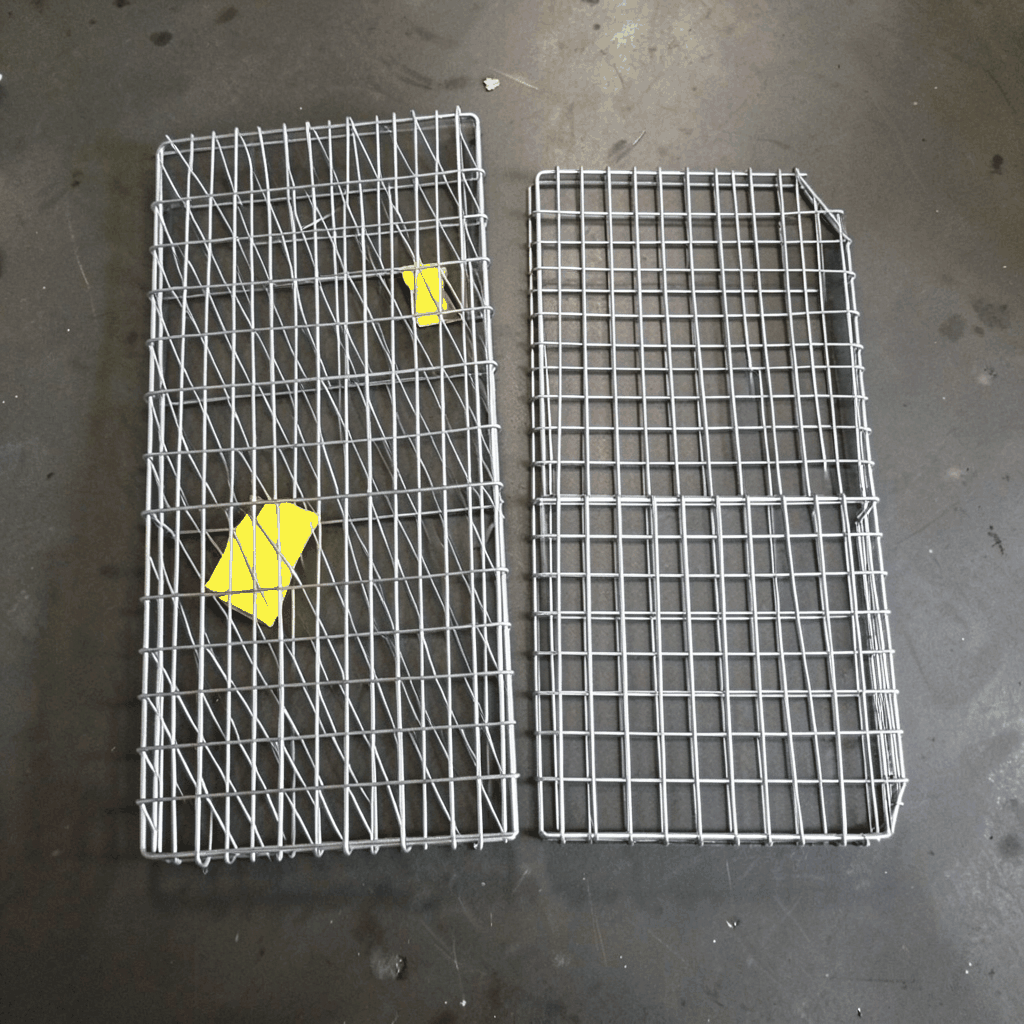
A suitable design balances openness with user safety. In healthcare, food service, transport, and public buildings, the aperture must prevent snagging and meet the relevant requirements for impact resistance, guarding, visibility, and fire performance. Copper mesh can be woven, welded, expanded, or formed into custom panels, so the selected construction should match both the touch profile and the maintenance routine.
Contact Time, Moisture, and Surface Condition
Copper’s antimicrobial action is influenced by contact time. A contaminated surface may show a reduction in viable bacteria over a period rather than immediately at the moment of contact. Frequent touch points can receive new contamination before the previous microorganisms have been fully inactivated, making scheduled cleaning essential.
Moisture is another important factor. A thin moisture film helps copper ions interact with microbial cells, but heavy contamination can shield the metal. Grease, dust, food residue, waxes, and polymer coatings may separate bacteria from the copper surface and reduce the active area. A visibly bright copper finish is not automatically more hygienic than a naturally patinated finish, but a thick coating that prevents contact can significantly change performance.
Surface oxidation and patina may develop as copper reacts with air, moisture, and cleaning chemicals. This color change is often a normal material response rather than a sign of failure. If a consistent appearance is required, the design team should select an appropriate finish and confirm whether a protective clear coat is compatible with the desired antimicrobial function. Any coating should be assessed carefully because it may isolate the bacteria from the copper beneath it.
Where Copper Partitions Add Practical Value
Touchable copper mesh partitions are suitable where people repeatedly grasp, lean against, or pass close to a divider. Examples include reception counters, queue systems, elevator lobbies, retail displays, restaurant separators, washroom privacy screens, and institutional corridors. In these locations, the material can support a layered hygiene strategy that includes ventilation, spacing, cleaning, and durable surface selection.
In food preparation environments, copper mesh may be used for guards, screens, storage elements, or decorative separation when the design meets applicable food-contact and sanitation requirements. The same attention to gauge, edge treatment, and cleanability that matters in commercial kitchen mesh also matters when specifying a partition near food handling areas.
Copper is especially useful when a project needs both visual character and a robust metal construction. Its warm tone can complement wood, stone, glass, and dark architectural finishes, while a custom mesh panel can be cut to a specific height, width, curve, or opening. For a manufacturer and processor such as Shuo Ke Wire Mesh Product Technology Co., Ltd., this type of project involves coordinating material selection with fabrication, framing, and installation requirements.
Copper Compared With Other Touchable Materials
Copper mesh should be selected for a defined performance goal rather than treated as a universal replacement for stainless steel, aluminum, or coated steel. Stainless steel offers excellent corrosion resistance, high strength, and familiar cleaning performance, which can be more important than antimicrobial contact action in some applications. Aluminum is lightweight and can be anodized or powder coated in many colors, although its surface behavior differs from copper.
Painted steel and laminated panels may provide economical visual consistency, but their hygiene depends heavily on coating integrity and the ability to avoid scratches, peeling, and worn edges. Copper has a distinctive appearance and can contribute active antimicrobial behavior, but it may require more careful control of chemical exposure, discoloration, and compatibility with adjacent materials.
| Material | Bacterial-control characteristic | Main maintenance consideration | Typical design advantage |
|---|---|---|---|
| Copper or high-copper alloy | Contact action can reduce bacterial survival over time | Use compatible cleaners and remove residues | Warm metallic appearance and antimicrobial potential |
| Stainless steel | Primarily depends on cleaning and sanitation | Prevent staining, deposits, and harsh abrasion | High durability and corrosion resistance |
| Aluminum | Usually relies on anodized or coated surface properties | Protect finish from aggressive chemicals and impact | Low weight and broad finish choices |
| Powder-coated steel | Barrier coating limits direct metal contact | Inspect chips, scratches, and exposed edges | Strong, economical, color-customizable panels |
| Glass or laminate | Hygiene depends on smoothness and cleaning frequency | Keep seams, edges, and damaged areas clean | Clear separation and easy visual integration |
The comparison also shows why the partition’s complete assembly matters. A copper infill fitted into a poorly sealed frame may deliver less practical hygiene value than a simpler material with smooth, accessible joints. Material, geometry, finish, and cleaning access should be specified together.
Designing for Safe and Consistent Performance
The first design decision is the area that users actually touch. Handrails, push plates, partition edges, latch zones, and lower guards may deserve a copper alloy, while concealed brackets or structural supports can use another metal chosen for strength and cost. This targeted approach can control project expenditure without placing copper in locations where it offers little benefit.
Edges should be folded, hemmed, framed, or otherwise finished to prevent sharp contact. Mesh tension and aperture size should be checked so that the panel does not rattle, deform, or create snagging hazards. If the partition is near electrical equipment, plumbing, or dissimilar metals, galvanic compatibility should also be reviewed. Copper in direct contact with certain metals in a wet environment can accelerate corrosion at the connection.
Cleaning instructions should be written into the handover documents. Neutral or manufacturer-approved detergents are generally preferable, while abrasive pads and incompatible chemicals can damage the finish. In healthcare and food-related settings, the cleaning agent must also meet the facility’s sanitation protocol. A copper surface should be wiped often enough to remove organic soil, because antimicrobial properties work best when the metal remains exposed.
Building a Reliable Hygiene Specification
A useful specification identifies the alloy, mesh form, wire diameter or sheet thickness, opening size, finish, frame material, and installation method. It should also state whether the copper is intended to remain exposed. A decorative copper-colored coating over another metal may provide visual continuity, but it should not be represented as equivalent to exposed antimicrobial copper.
Performance claims need careful wording. Copper mesh can inhibit bacterial growth and shorten bacterial survival under suitable conditions, yet it does not eliminate viruses, fungi, spores, or all pathogens in every environment. Laboratory findings may not translate directly to a busy building where surfaces receive repeated contamination, variable humidity, and inconsistent cleaning.
Project teams should also review accessibility, fire behavior, impact loading, cleaning access, and local construction rules. A partition that looks attractive in a sample may require different framing or a larger opening to meet safety requirements. Prototype testing can reveal whether fingerprints, food particles, or cleaning residues accumulate in the selected weave before the design is produced at scale.
Recommendations For Better Results
- Specify exposed copper or a verified high-copper alloy when antimicrobial contact performance is part of the project objective.
- Match the mesh opening and wire size to touch frequency, visibility, ventilation, guarding, and cleaning access.
- Keep frames, fasteners, folded edges, and adjoining surfaces as accessible and cleanable as the copper infill.
- Use approved, non-abrasive cleaning products and remove grease, dust, and organic residues regularly.
- Treat copper mesh as one layer of hygiene control alongside hand hygiene, routine disinfection, ventilation, and sound facility management.
Copper mesh is most effective as a carefully engineered surface rather than a decorative material added at the final stage. When alloy, mesh pattern, edge treatment, frame design, and maintenance are coordinated, it can help reduce bacterial persistence on frequently touched partitions while giving the space a distinctive architectural finish.
Shuo Ke Wire Mesh Product Technology Co., Ltd. develops customized metal mesh solutions for architectural and industrial applications, including partitions, screens, cladding, guards, filters, and decorative installations. Contact the company to discuss copper mesh specifications, custom dimensions, fabrication details, and a partition system suited to the touch points and operating conditions of your project.