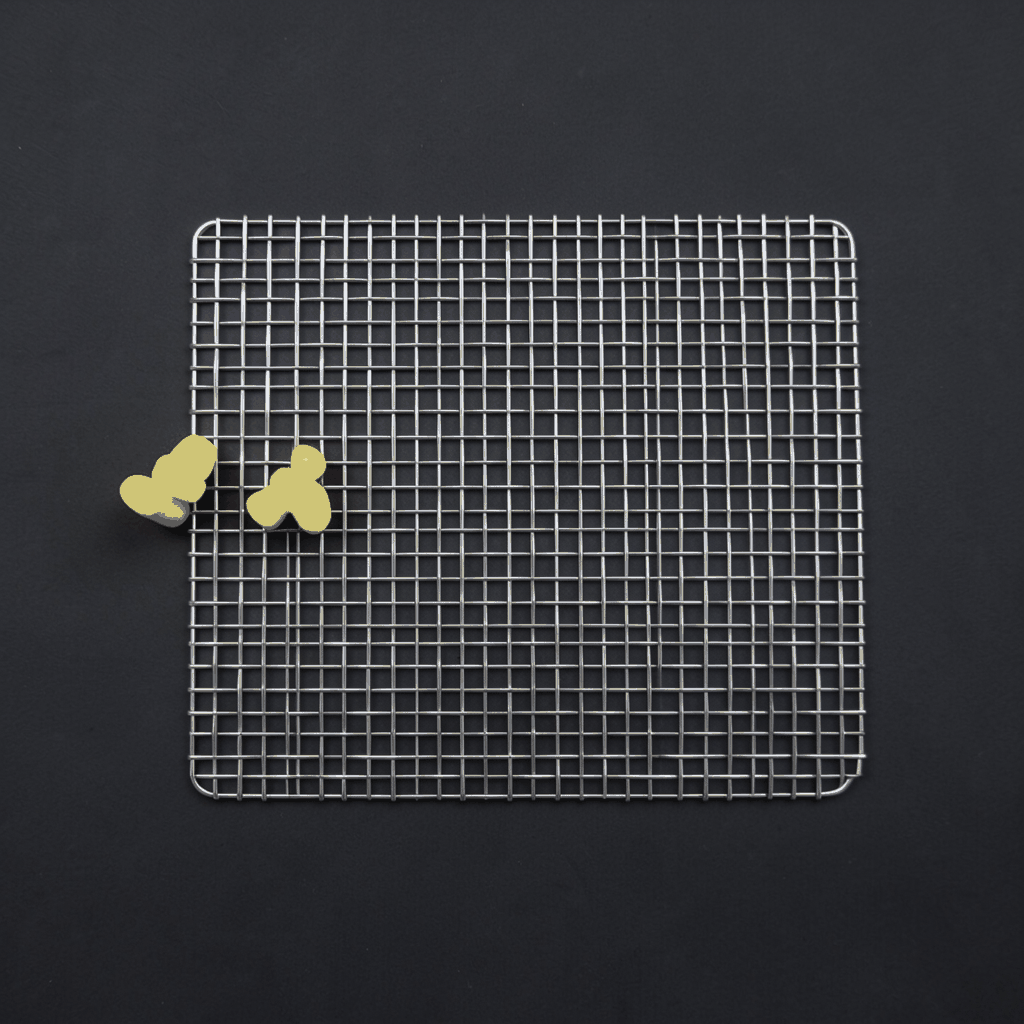
Durable wire mesh for vibratory screening separators
Vibratory screening separators size bulk material by passing suitable particles through openings while larger pieces travel across the media. The working surface may use woven wire cloth, perforated plate, wedge wire, or separate scalping and grading decks. Industrial wire mesh for these machines is not a generic fence panel: it must remain dimensionally stable under repeated vibration, carry predictable flow loads, resist abrasion, and provide a clean release path for screened material.
A poor media choice can reduce recovery, blind openings and shorten screen life. The practical solution starts with the feed, target product and operating envelope, then accounts for local wear, corrosion and maintenance access. This is particularly important in Australia, where mineral-processing plants, quarries and bulk-handling sites combine long operating campaigns with strict workplace and environmental obligations.
How mesh performs in a vibratory separator
A vibratory separator adds energy through a controlled stroke, frequency and inclination. That motion lifts and stratifies the feed, allowing smaller particles to work through the openings while oversize material travels toward the discharge lip. The deck must have enough stiffness to retain a flat screening surface, yet remain light enough for the vibrator to move it predictably. Tension, edge support and clean separation between the cloth and frame are therefore as important as the aperture itself.
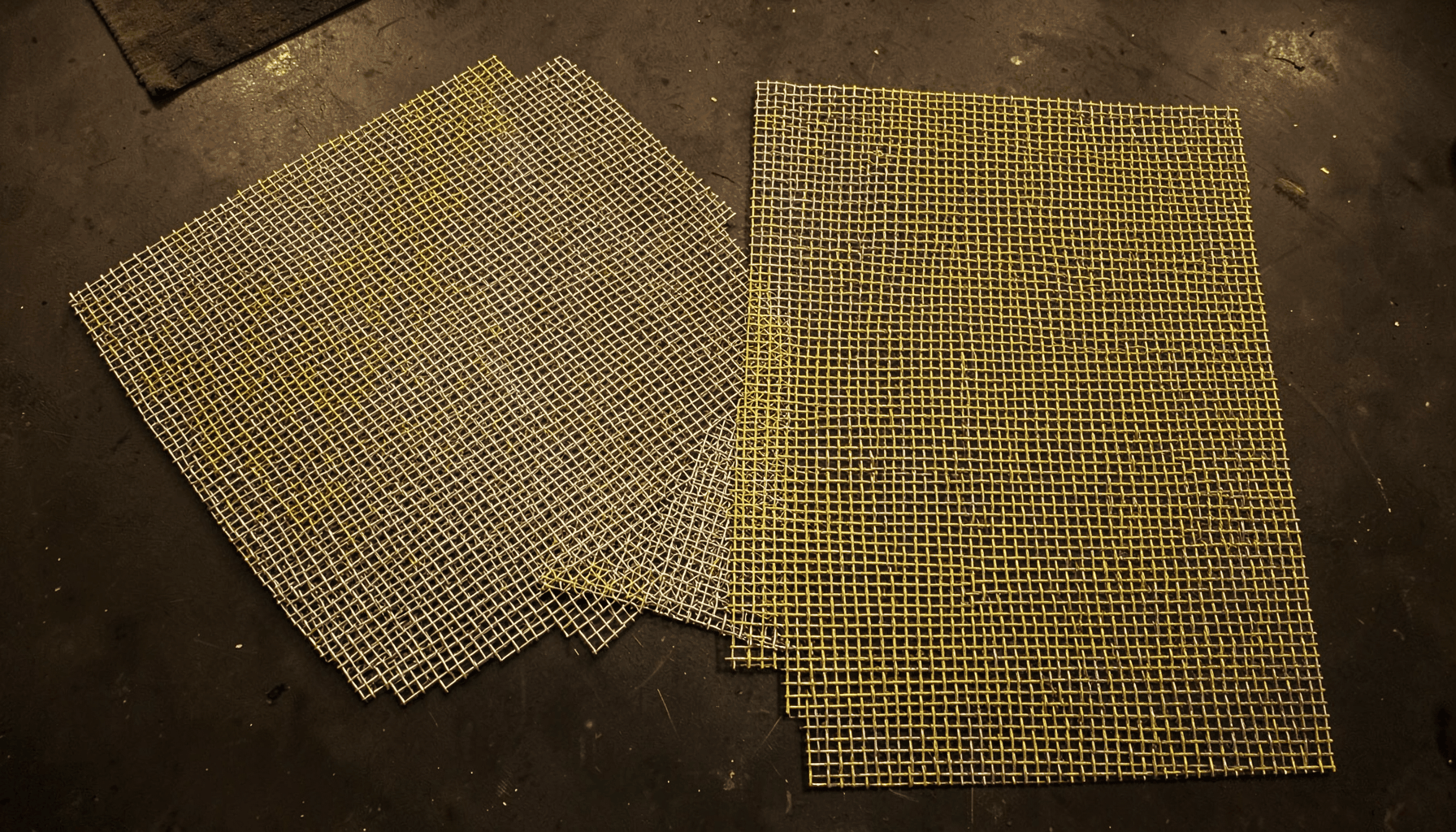
Common media include woven wire cloth for precise sizing, perforated plate for robust scalping, wedge wire for high-throughput drainage, and wire mesh panels used in light industrial separators. The choice depends on the feed’s top size, desired cut, throughput, moisture and particle shape. A coarse screen used as a scalper protects the finer grading deck; a single-deck unit may be adequate when only one accurate cut is required.
Feed distribution controls performance as much as media selection does. A stream concentrated at one end creates uneven wear and can leave a blinded patch. Across the width, the feed should form a shallow, even bed, while the separator angle and vibration direction guide material steadily. Screens used in quarry, coal or ore service are often configured in multiple decks so one machine can scalp, grade and reclaim product without excessive recirculation.
Selecting aperture, wire and open area
Specify the aperture in millimetres rather than relying only on a mesh count. Two cloths can share a similar wire count yet behave differently if their wire diameter, weave and finished opening vary. The selected cut should reflect the product specification, accounting for the small amount of oversize and undersize that a real screening operation tolerates. Giving the supplier the nominal feed size, target product size and required recovery creates a more useful basis for selection than a single screen size.
Wire diameter affects both wear life and screening capacity. A thicker wire resists impact and abrasion but reduces open area, potentially lowering throughput. A finer wire offers more openings for particle passage but may deform under heavy feed loads or repeated cleaning. Woven patterns should be balanced so the cloth does not curl, while the chosen wire grade and weave should suit the shape of the material rather than merely the nominal size.
Representative testing can prevent expensive assumptions. A sample of the actual feed should be screened on candidate media, with attention to near-size particles, recovery and the rate at which openings blind. Damp or sticky material needs particular scrutiny because pegging can occur quickly even when the wire cloth has ample open area. If the supplier can review particle gradations, moisture content and operating data, the final specification is more likely to match plant conditions.
Choosing materials for Australian operating conditions
Stainless steel is common where corrosion, contamination or washdown must be controlled. Grade 304 generally suits dry or mildly aggressive service, while grade 316 provides better resistance in chloride-rich or coastal environments. Abrasion-resistant carbon steel, often with a protective coating, can be more economical for high-volume mineral screening. Aluminium or copper may suit specialist applications, although neither replaces a well-selected steel grade where impact and wear are severe.
Conditions vary sharply across Australian operations. Iron-ore facilities in Western Australia’s Pilbara face intense heat, abrasive fines and long-distance supply chains, while coal preparation in the Hunter Valley and Bowen Basin introduces moisture, coal dust and heavy loading. Screens near Perth or Adelaide may encounter salt-laden air, particularly where equipment is stored close to the coast. These differences make environmental classification and maintenance planning part of material selection, not separate considerations.
Quality control should cover the grade, dimensions, surface condition and traceability of the finished mesh. Galvanised or coated products need attention at cut edges, welds and threaded connections, where damage can initiate corrosion. Australian buyers often value suppliers that provide clear inspection records, practical replacement stock and predictable lead times, since imported components can leave a production line idle while waiting for the next shipment. Local fabrication capability can also shorten repairs when panels must be resized on site.
Engineering panels, frames and accessories
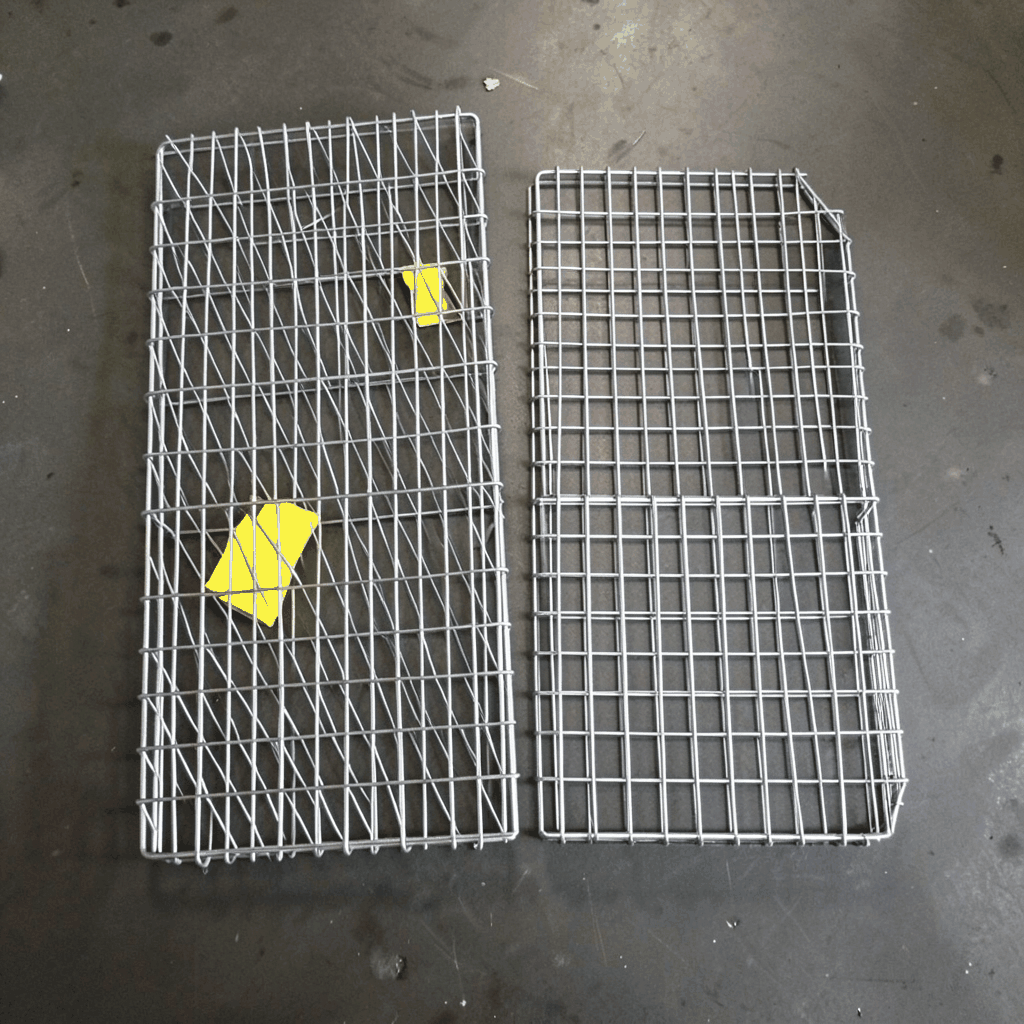
A woven screening panel is more than cloth stretched across a rectangle. Cross rods, support bars and sidebands must control the geometry while hold-down clamps or tensioning hooks remove slack. Edge support is especially important because particles travelling along the deck perimeter can bypass the intended aperture. Loads from the feed, cleaning devices and vibration should be transferred into the separator frame without forcing the mesh to carry unsupported spans.
The surrounding components determine how consistently the panel performs. Buffer springs, vibration isolators and hangers should be sized for the machine’s dynamic load rather than selected only by nominal diameter. Cleaning brushes must contact the cloth without excessive drag, while ball cleaners or similar devices should have enough clearance to return material to the deck. Modular panels make damaged sections easier to replace and reduce the amount of machinery downtime required for maintenance.
Where the separator feeds a cyclone, the cut size and consistency of the screened solids influence the density and flow entering the vessel. A technical explanation of underflow density control gives useful context for that interface. Correctly sized mesh supports predictable discharge, but downstream process control still needs to be designed around the actual screen performance rather than an equipment supplier’s theoretical capacity.
Installing, commissioning and maintaining the screen
Panel fit and flatness deserve close attention during installation. A loose cloth can ripple, shift its aperture and fatigue around fasteners, while excessive tension can distort the weave or load the frame unevenly. The effect of correct panel tension is clearly illustrated in this installation guide. Supports should be checked for twist, damaged edges and debris before the panel is secured, and all bolts should be tightened to the specified load.
Commissioning should begin with the empty machine. Check vibration direction, stroke, frequency, phase and clearance, then introduce feed gradually while observing how it spreads across the deck. Confirm that the cut product discharges where intended and that no material is escaping around the sidebands. Guards must remain effective without preventing inspection or cleaning. In Australian workplaces, isolation procedures, lockout controls and maintenance access should be incorporated into the site’s risk assessment before the separator enters service.
Routine care has a larger effect on service life than occasional major repairs. Australian plants commonly use pre-start checks, shift handover notes and planned shutdown clean-downs, all of which are valuable opportunities to inspect cleaners, clamps and high-wear areas. Replace damaged panels before they distort adjacent components, and keep replacement dimensions, wire specification and fastener details organised at the plant. Records of wear rate and repeated failure points can guide changes to wire diameter, alloy or deck configuration.
Specifying and sourcing reliable screening media
A useful procurement package includes the screened material, feed gradation, moisture, top size, target cut, required recovery, hourly capacity, separator dimensions and vibration settings. Include details such as abrasiveness, temperature, washdown frequency and whether the separator handles clean aggregate, ore, coal or mixed industrial feed. Metric dimensions and clear drawings reduce ambiguity. For suppliers in Melbourne, Brisbane, Perth, Adelaide or regional industrial centres, this information supports accurate sampling and a faster production quotation.
Compliance should be addressed alongside performance. Safe Work Australia’s model work health and safety laws are adopted through state and territory arrangements, covering machinery guarding, hazard control, training and safe maintenance. Silica-bearing minerals can create respirable crystalline silica during crushing, screening and handling, making workplace exposure standards and appropriate dust controls relevant to many sites. State environment regulators may also impose conditions on dust, noise and discharge, so a separator specification should complement the wider site environmental plan rather than be treated as a stand-alone item.
Shuo Ke Wire Mesh Product Technology Co., Ltd. can support custom screening cloth, mesh curtains, panels, frames, clamps, guards and associated metal-mesh components in stainless steel, aluminium, copper, iron and other suitable alloys. Provide the aperture, wire grade, panel dimensions, throughput and operating conditions to request a tailored recommendation, a prototype or a production-ready quotation for your vibratory separator.