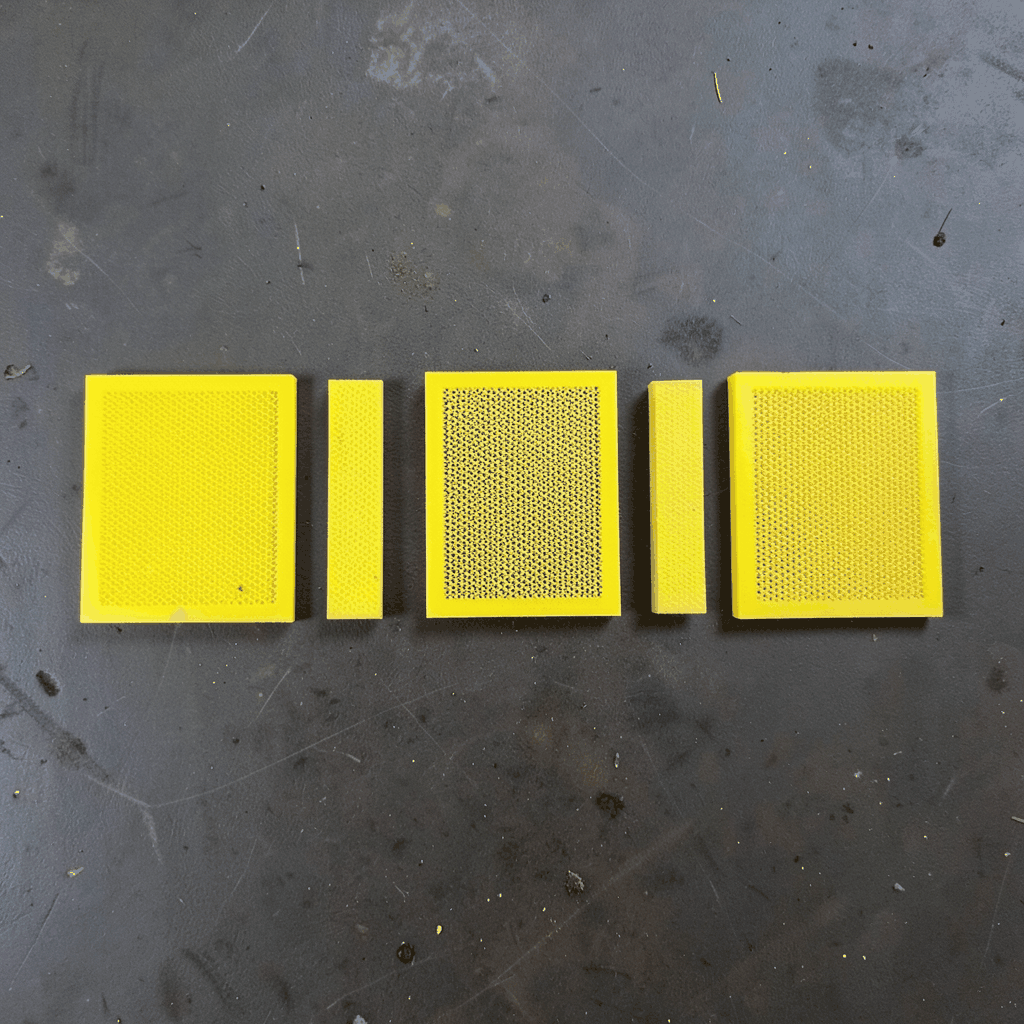
Material Selection Guide for Wire Mesh Used in Outdoor Art Installations
Outdoor art installations must withstand weather while preserving the visual idea that shaped them. Wire mesh can appear light, transparent, reflective, sculptural, or industrial, yet its performance depends heavily on the metal beneath the finish. Choosing a suitable alloy early helps protect the artwork from corrosion, distortion, staining, and avoidable maintenance.
The right material also influences fabrication. Wire diameter, aperture size, weave, panel dimensions, surface treatment, and connection details all affect how an installation handles wind, rain, sunlight, pollution, and public contact. A material that looks attractive in a sample may behave differently when stretched across a large frame or installed near the coast.
This material selection guide for wire mesh used in outdoor art installations focuses on practical decisions for designers, fabricators, municipalities, and property owners. Stainless steel, aluminum, copper, iron, and weather-resistant finishes each offer a different balance of strength, appearance, weight, cost, and service life.
Material Determines The Artwork's Outdoor Behavior
Wire mesh is both a surface and a structural component. In a suspended sculpture, its tensile strength and flexibility may matter most. In a screen, fence, or freestanding partition, rigidity, wind resistance, and connection strength become more important. A small decorative mesh curtain and a large architectural façade may use completely different specifications even when they share a similar pattern.
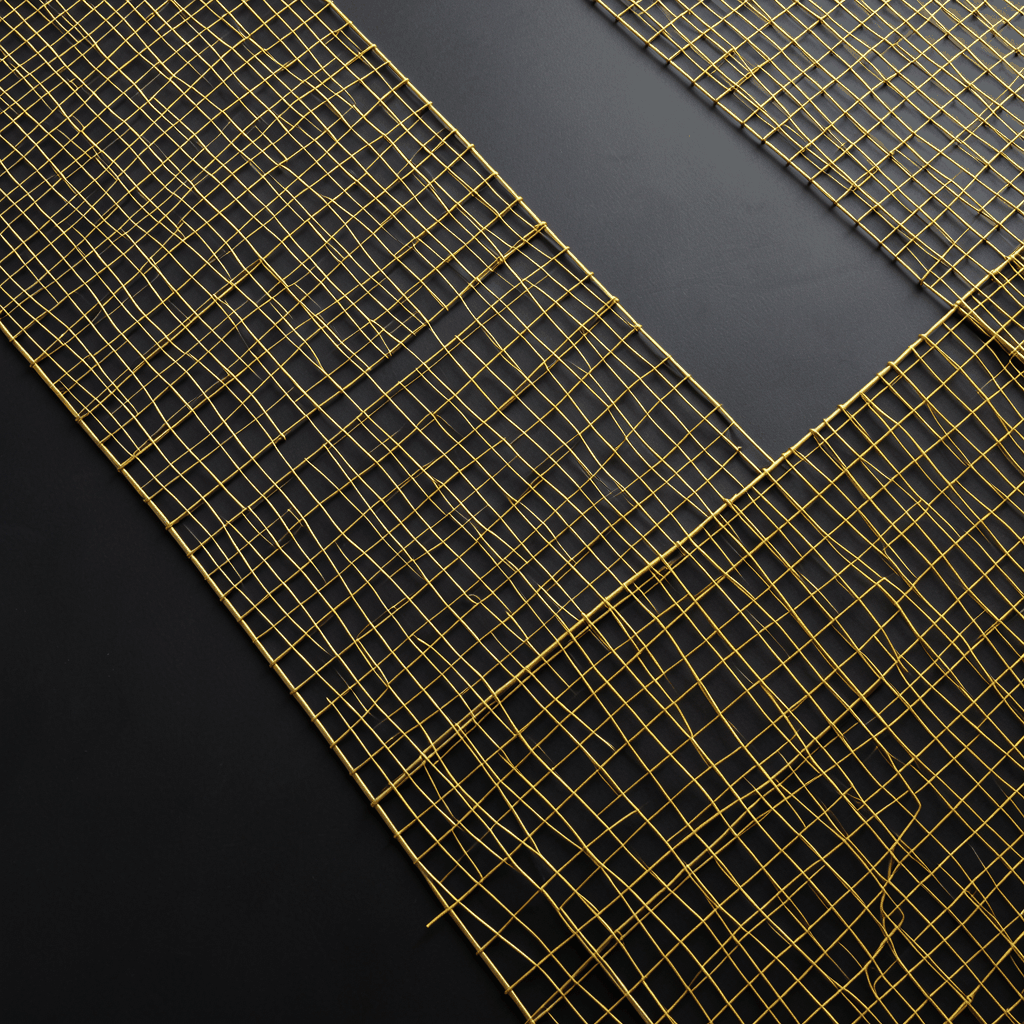
The base metal affects how light moves through the artwork. Stainless steel can provide a crisp, reflective appearance, while aluminum supports broad panels with lower dead load. Copper develops a changing patina that becomes part of the artistic concept. Mild steel offers a strong industrial character but generally requires a protective coating or a carefully controlled weathering strategy.
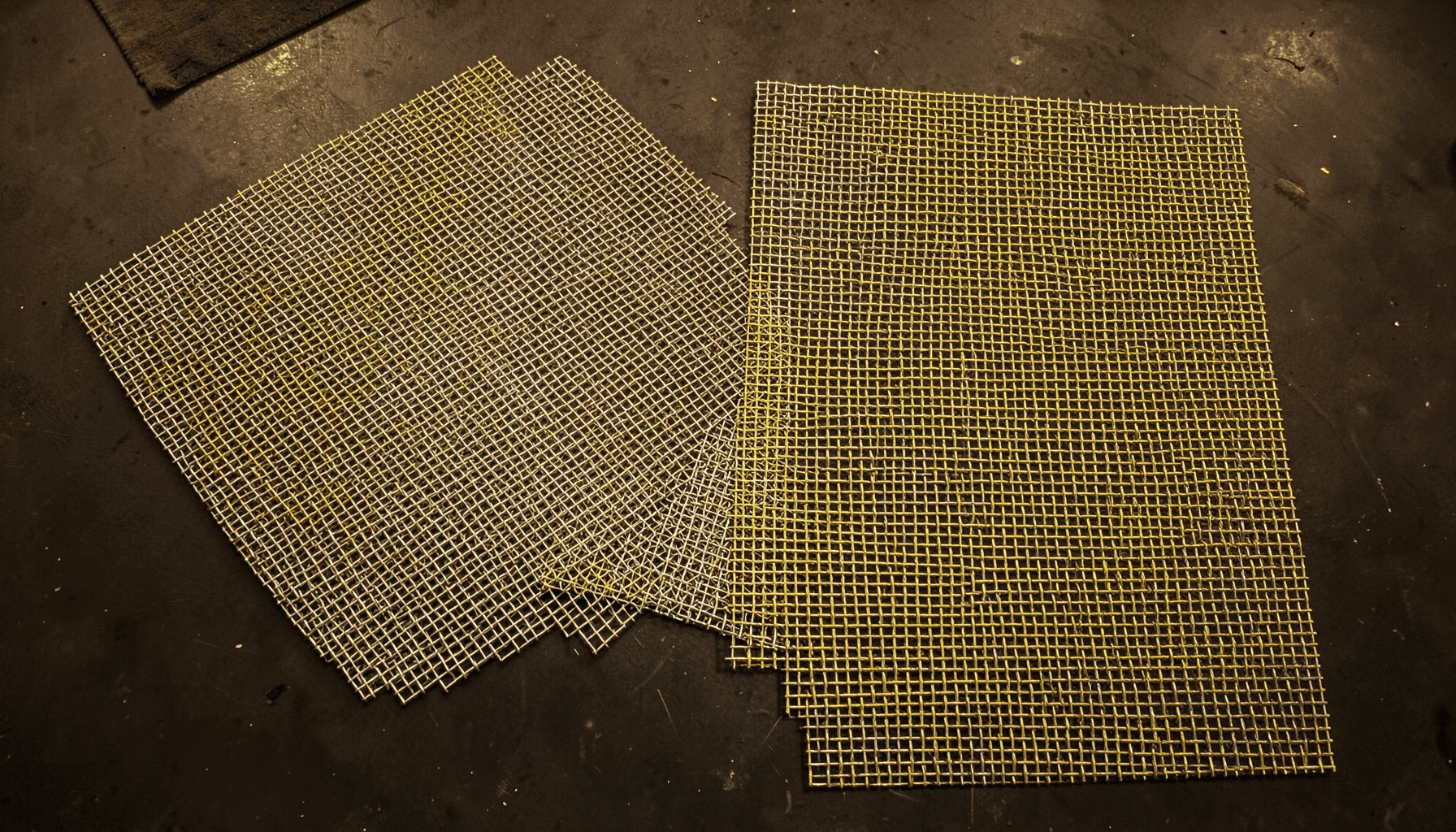
Mesh geometry should be selected alongside the alloy rather than afterward. Fine openings can produce a nearly solid visual plane from a distance, while larger apertures emphasize transparency and airflow. Heavy wire can create a bold, graphic appearance, but it adds weight and may increase the loads transferred to frames, anchors, and foundations.
Assess Climate And Exposure
The installation site is one of the strongest material-selection factors. Coastal air contains chlorides that can accelerate corrosion, particularly where salt deposits remain trapped in joints or horizontal surfaces. Stainless steel may be preferable in these locations, with 316 or 316L often selected for improved resistance to marine exposure. Even corrosion-resistant alloys require suitable fabrication, drainage, cleaning, and isolation from incompatible metals.
Urban environments bring a different set of concerns. Vehicle emissions, dust, industrial pollutants, and de-icing salts can settle on mesh and create concentrated corrosion points. A smooth finish is usually easier to wash than a heavily textured coating. Installations near roads should also avoid details that collect dirty water or allow contaminants to remain in narrow crevices.
Freeze-thaw cycles, humidity, intense sunlight, and temperature changes influence long-term performance. Water can enter folded edges, hollow frames, and bolted connections before freezing and expanding. Aluminum handles moisture well when correctly finished, but it expands more with temperature changes than steel. Design teams should allow movement where large panels or long runs are exposed to strong daily temperature swings.
Compare Metals By Performance And Character
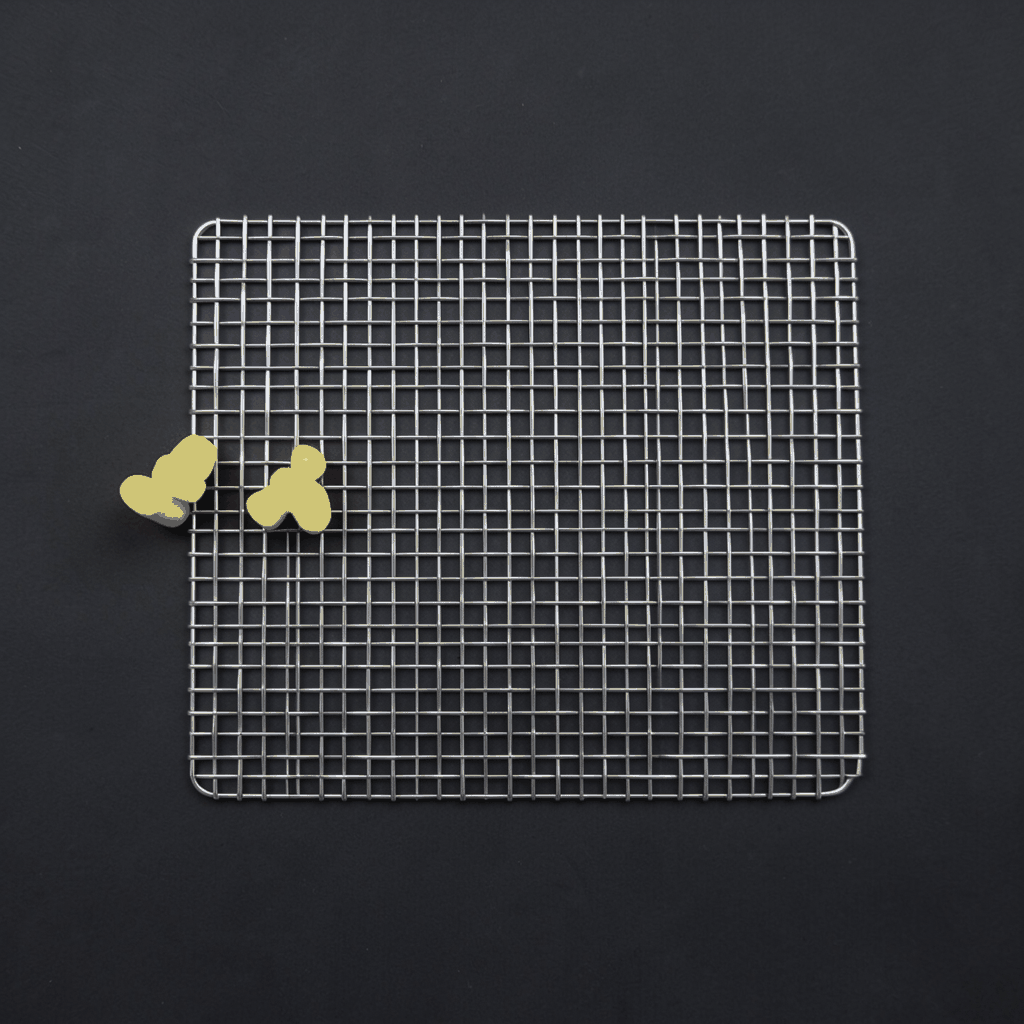
The best alloy is the one that supports the artistic intention and the physical demands of the site. Stainless steel is a strong choice for contemporary sculptures, urban screens, elevator cladding, and exposed mesh façades. It provides a clean metallic appearance, high durability, and a wide range of woven and expanded configurations. Brushed, polished, bead-blasted, and colored finishes can change its reflectivity without hiding the mesh pattern.
Aluminum is valuable when a project requires low weight, large panels, or easier handling during installation. It is suitable for decorative screens, suspended elements, partitions, and laser-cut forms. Powder coating or anodizing can add color and improve surface performance, although the selected finish must be rated for exterior exposure. Designers should account for aluminum's lower stiffness and greater thermal expansion when specifying large unsupported sections.
Copper and copper alloys are often chosen for their visual evolution. A bright new surface may gradually become brown, then green or blue-green as a patina develops. This change can enrich a permanent artwork, but runoff from copper may stain adjacent stone, concrete, or coated surfaces. Copper should be selected when the changing surface is intentional and when drainage paths have been considered.
Iron and carbon steel can deliver substantial strength and a robust industrial appearance. They are economical for many large structures, but exposed unprotected steel will rust. Paint systems, galvanizing, powder coating, or weathering steel can provide different levels of protection and visual character. Weathering steel needs suitable wet-dry exposure and careful detailing; constant moisture, salt spray, or trapped water can prevent a stable protective surface from forming.
| Material | Visual Character | Main Strengths | Key Outdoor Considerations | Common Artistic Uses |
|---|---|---|---|---|
| 304 Stainless Steel | Bright, brushed, or satin metallic | Durable, strong, low routine maintenance | Less suitable than 316 for heavy marine exposure | Sculptures, screens, partitions, façades |
| 316/316L Stainless Steel | Refined metallic appearance | Improved chloride resistance and strong service life | Higher material cost; fabrication quality remains important | Coastal art, public structures, exterior cladding |
| Aluminum | Light, clean, customizable | Low dead load, easy handling, broad color options | Thermal movement and lower stiffness need attention | Large screens, suspended panels, laser-cut artwork |
| Copper | Warm metallic surface that patinates | Distinctive aging process and natural color change | Runoff can stain nearby materials; patina is site-dependent | Landmark pieces, decorative mesh, heritage settings |
| Carbon or Mild Steel | Industrial, painted, or rusted appearance | High strength and economical fabrication | Requires corrosion protection or controlled weathering | Heavy sculptures, gates, frames, urban installations |
| Galvanized Steel | Silver-gray protective surface | Practical corrosion resistance and structural strength | Surface texture and weld areas need proper treatment | Fences, guardrails, frameworks, functional art |
Material performance can also be linked to mesh function. For installations that combine artistic surfaces with filtration, ventilation, or drainage, mesh flow specifications help explain why opening percentage, wire size, and pattern should be treated as engineering variables rather than purely visual choices.
Match Finish And Color To The Concept
A finish protects the metal and controls how the public experiences the artwork. Polished stainless steel may produce sharp highlights and reflections, while satin or brushed surfaces create a calmer appearance with less glare. In areas with strong sunlight, excessive reflectivity can distract drivers or create uncomfortable reflections for nearby buildings.
Powder coating is widely used for aluminum and steel because it allows a broad palette of colors and can create a consistent surface across custom panels. The coating specification should match the exposure level, especially where ultraviolet radiation, moisture, and abrasion are severe. Edges, cutouts, welds, and fastener zones deserve special attention because incomplete coverage can become an early path for corrosion.
Anodized aluminum provides a durable, integrated surface with a distinctive metallic quality. It can be useful when the design calls for color variation without a thick painted layer. Galvanizing creates a practical zinc coating for steel, particularly in fences, guardrails, frames, and municipal installations. If galvanized components will be painted, the surface preparation and coating compatibility should be confirmed before production.
Finish selection should include the expected aging pattern. A natural copper patina, controlled rust surface, or gently weathered coating may be central to the artwork. If the desired appearance depends on consistency, however, the project may need scheduled cleaning and inspection to prevent uneven staining caused by shade, runoff, pollution, or handling.
Design For Structure And Maintenance
Outdoor mesh art must be engineered for wind. Open mesh reduces pressure compared with a solid panel, but it does not eliminate wind load. Fine mesh, layered mesh, curved surfaces, and installations with variable porosity can behave differently from simple flat screens. The frame, edge restraint, suspension points, anchors, and foundations must be evaluated as one system.
Weight is another important consideration. Stainless steel and carbon steel provide strength but may require heavier support structures. Aluminum reduces lifting and foundation demands, which can make it practical for temporary exhibitions or large suspended compositions. Copper falls between visual softness and substantial material weight, and its connections should allow for movement and avoid direct contact with incompatible metals.
Connection details often decide whether the selected material performs well. Stainless steel fasteners are commonly used with stainless mesh, while aluminum and copper may require isolation washers or sleeves to reduce galvanic corrosion. Water should be able to drain from folded hems, frames, and low points. Welds and cut edges should receive treatment appropriate to the base metal and protective finish.
Maintenance access should be considered before fabrication. Even a highly durable metal mesh benefits from periodic inspection and cleaning, especially in public spaces where dust, bird deposits, fingerprints, and airborne pollutants accumulate. Removable panels, accessible fasteners, and safe cleaning zones can reduce future costs and protect the installation's appearance.
Use A Practical Selection Checklist
Material choice becomes clearer when aesthetic and engineering requirements are documented together. The project team should record the site climate, expected design life, cleaning resources, public-access conditions, support structure, and desired aging process. This information allows a manufacturer or metal mesh processor to recommend an appropriate alloy, aperture, wire diameter, finish, and fabrication method.
Custom production is often useful for outdoor artwork because standard mesh may not match the required scale or visual rhythm. Manufacturers can process decorative mesh curtains, partitions, laser-cut screens, fences, gates, guardrails, cladding panels, and specialty forms in stainless steel, aluminum, copper, iron, and other alloys. Samples should be viewed outdoors when possible, since sunlight and surrounding colors can change the apparent character of the surface.
- Specify the exposure environment, including coastal air, pollution, de-icing salt, humidity, and freeze-thaw conditions.
- Define whether the metal should remain visually stable or develop a planned patina, oxide layer, or weathered appearance.
- Check mesh opening, wire diameter, panel size, weight, wind behavior, and attachment method as a combined design system.
- Confirm finish durability, edge treatment, weld preparation, galvanic isolation, drainage, and cleaning access.
- Request physical samples and fabrication drawings before approving full production.
Coordinate Fabrication With Installation
The transition from digital artwork to finished mesh requires close coordination. Drawings should identify dimensions, tolerances, seam locations, bend radii, fixing points, and the direction of woven or patterned elements. For laser-cut screens, the proportion of open area affects both appearance and wind performance. For woven mesh, the weave type and tension affect drape, transparency, and alignment.
A reliable manufacturer should be able to discuss material grades, surface finishes, custom dimensions, fabrication limits, and installation requirements. Shuo Ke Wire Mesh Product Technology Co., Ltd. provides architectural and industrial metal mesh products for decorative, residential, commercial, and municipal applications, supporting projects that combine practical engineering with a strong visual identity.
Before shipment, inspect mesh panels, frames, coatings, welds, and connection hardware against approved samples. Confirm that protective films, packaging, and lifting methods will not damage the finish. On site, keep panels clean and dry during storage, prevent contact between dissimilar metals, and follow the specified installation sequence.
Turn A Material Decision Into A Lasting Artwork
A successful outdoor mesh installation begins with a material that fits its climate, structure, appearance, and maintenance plan. Stainless steel offers dependable modern durability, aluminum reduces weight, copper brings a changing natural surface, and protected steel delivers strength with an industrial presence. The correct choice is shaped by the whole project rather than by appearance alone.
Share the site conditions, artwork dimensions, preferred visual effect, and expected service life with a qualified wire mesh manufacturer. With careful material comparison, finish testing, structural coordination, and customized fabrication, a metal mesh artwork can remain expressive, safe, and resilient through years of outdoor exposure.