Mesh baskets engineered for batch cleaning and degreasing
When a parts cleaning line needs to shift dozens or hundreds of components through degreasing, rinsing, and drying in a single shift, the humble mesh basket quietly carries the load. Across automotive workshops in Melbourne, mining rebuild facilities in the Pilbara, and marine yards in Cairns, these baskets decide how efficiently a batch moves from oily raw component to clean assembly-ready part. Picking the right basket, rather than improvising with whatever's lying around the floor, is what separates a tidy workshop from one bogged down in rework.
Stainless steel wire mesh baskets, paired with the right aperture and frame, allow solvents and detergents to flow freely while keeping small components like bolts, springs, and bearings safely contained. The design has stayed largely the same for decades because it works, though modern manufacturing techniques such as precision laser cutting and robotic welding have lifted consistency and load ratings. For Australian operations dealing with everything from haul-truck components to food-grade dairy fittings, this kind of basket is a foundational piece of process equipment.
Material choices for harsh workshop conditions
Stainless steel grade 304 is the default pick for many shops, and for good reason: it handles most alkaline and neutral degreasing chemistries without complaint. Where chloride exposure is part of the picture, such as coastal operations in Fremantle or workshops regularly using salt-laden rinse water, grade 316 earns its keep by resisting pitting and crevice corrosion. Aluminium is occasionally used for lighter duty baskets, but it reacts poorly with caustic solutions and is best left to non-immersion tasks.
For the most aggressive chemical baths, titanium and specialty alloys come into play, though they push the price up considerably. Most Australian fabricators lean toward 304 or 316 as a practical compromise between cost, weldability, and longevity. The choice of finish, whether electropolished or simply passivated, also matters because a smoother surface sheds oils faster and is easier to rinse clean. A rougher mill finish can harbour contaminants in its micro-crevices, which is a problem when cleaning parts destined for hydraulic assemblies or food processing equipment.
Common material picks for parts cleaning baskets include:
- Grade 304 stainless for general alkaline and neutral detergents
- Grade 316 stainless for coastal sites and chloride-rich chemistries
- Mild steel with protective coating for budget-conscious operations
- Titanium or specialty alloys for aggressive acids and high-temperature baths
Aperture, wire diameter, and open area
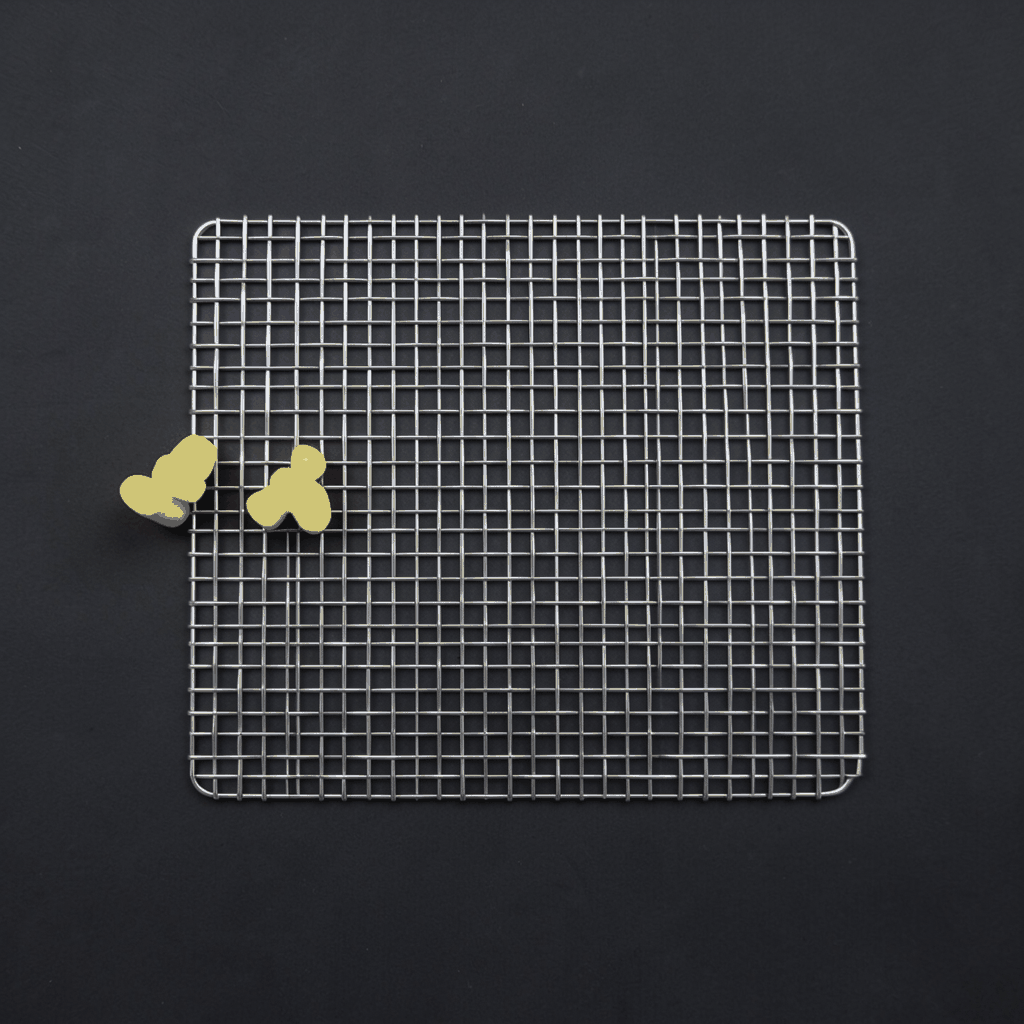
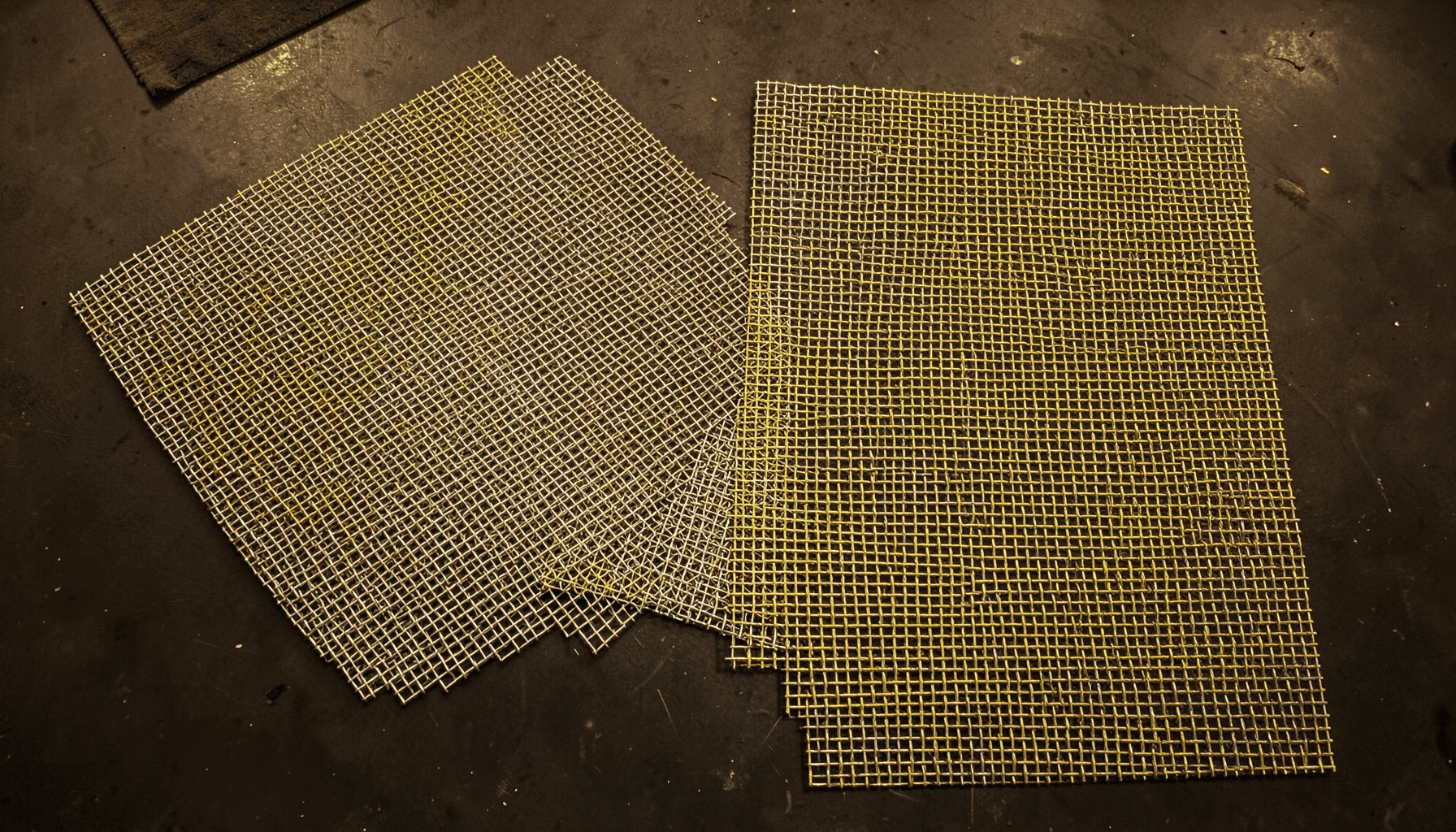
The mesh specification is where baskets earn or lose their keep. Open area, calculated from aperture and wire diameter, controls how fast fluid drains and how well agitation reaches the parts. A coarse mesh with generous open area moves fluid freely, which shortens cycle times in ultrasonic baths and agitated soak tanks. Fine mesh, by contrast, is needed when components are tiny and prone to escaping, but it restricts flow and extends cleaning time.
Wire diameter affects strength, with thicker wires handling heavier loads and resisting deformation when baskets are stacked or dropped. Light gauge wire suits small electronic components and delicate instruments, while heavy gauge mesh is standard in workshops cleaning engine blocks, gearbox housings, and large mining wear parts. The relationship between aperture and wire diameter also determines whether a basket can be safely lifted when fully loaded, which is a real concern when a batch of steel components tips the scales at several hundred kilograms. Some operators around Brisbane and Townsville have learned the hard way that an underspec'd basket can bow under load, leaving parts to sit in a pool of uncleaned oil.
Mesh specification trade-offs worth weighing:
- Coarse aperture for fast drainage and shorter cycle times
- Fine aperture to retain tiny components like springs and shims
- Heavy wire diameter for load-bearing stacks and heavy parts
- Lighter wire for delicate instruments and electronics
Frame design, handles, and lifting points
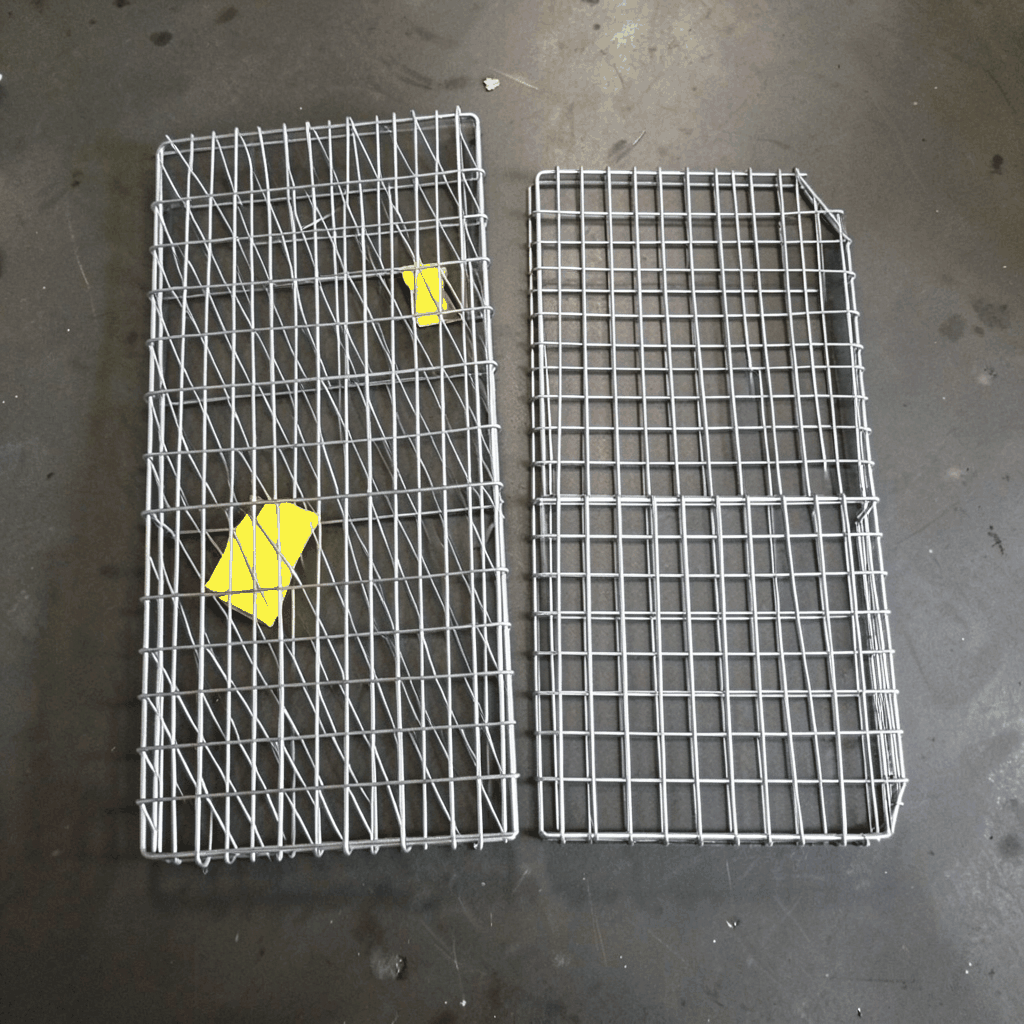
A mesh basket lives or dies by its frame. Folded sheet metal edges, welded angle iron, or rolled stainless tube all serve as structural skeletons, and each has trade-offs. Tube frames are comfortable to handle and weld cleanly, but add weight. Sheet metal folds are lighter and stack more compactly, though they can dent when dropped on a concrete workshop floor. The handles or lifting points must be sized for the actual loaded weight, not just the empty basket, because a 50 kilogram empty basket can become a 400 kilogram loaded one once a tradie's heaped it with components.
Stacking features are another consideration for workshops with limited floor space. Many Australian operations run lean floors where every square metre matters, so baskets that nest, stack, or integrate with existing overhead crane systems save real time. Drop-in dividers, removable trays, and hinged lids extend the basket's usefulness, particularly when a batch contains mixed components that need to stay separated through the cleaning cycle. Some shops even add RFID tags or engraved serial numbers to track baskets through multi-stage cleaning systems, though that is more common in aerospace and defence supply chains than in general engineering.
Safety and compliance on the workshop floor
Loaded mesh baskets are heavy, awkward, and often swung around by overhead cranes or forklifts. Australian workplace health and safety rules, administered by state-based regulators like SafeWork NSW, WorkSafe Victoria, and Workplace Health and Safety Queensland, require that lifting accessories be inspected, tagged, and withdrawn from service when damaged. A mesh basket counts as a lifting accessory when used to hoist components, so the same regime applies: periodic inspection, clear load rating marking, and a logbook or tag that records the inspection history.
Lifting points deserve special attention because they are the most highly stressed area on any loaded basket. Welded eyes, folded loops, and bolted handles each have failure modes worth knowing. A weld that looks fine on the surface can hide a lack of fusion at the root, which only becomes apparent after a few hundred lift cycles. Many Australian workshops schedule a formal inspection every twelve months, with quick visual checks each month, and pull any basket that shows cracking, distortion, or significant corrosion. The cost of a replacement basket is trivial compared with the cost of a dropped component damaging equipment or, worse, injuring someone on the workshop floor. For operations that need to align with international specifications, referring to a wire mesh engineering reference can help frame discussions about tolerances and testing protocols across borders.
Where Australian workshops put mesh baskets to work
The automotive rebuild trade, from transmission specialists in Sydney to engine reconditioners in Adelaide, relies heavily on mesh baskets to move batches of components through hot tanks and aqueous wash systems. Mining rebuild shops in Kalgoorlie and the Hunter Valley clean large drivetrain components in baskets sized for crane lifting. Marine engineers servicing vessels in Fremantle and Cairns degrease propeller shafts, pump housings, and heat exchanger components, often in baskets designed to handle long parts that would not fit in standard containers.
Food processing and dairy operations across Victoria and Tasmania clean fittings, valves, and small components in baskets that meet hygienic design criteria, which generally means a smooth, crevice-free construction. Agricultural workshops servicing headers, seeders, and spray rigs use mesh baskets during seasonal rebuilds, where throughput matters and downtime costs real money. Even small operations like a one-man bike shop in Hobart or a regional engineering business in outback NSW rely on a couple of well-chosen baskets to make parts cleaning faster and more consistent, especially during a busy arvo when a dozen jobs are stacked up waiting on the bench.
Sourcing and customisation considerations
Off-the-shelf baskets cover a lot of ground, but custom designs open up efficiency gains. A bespoke basket shaped to hold a specific family of components can cut cleaning time because parts sit at the optimal angle for drainage and fluid contact. Local fabrication shops in Australia often partner with mesh manufacturers to deliver tailored solutions, drawing on the strengths of established suppliers. For businesses weighing the merits of standard versus purpose-built designs, the optimal mesh count for sifting grains in commercial flour mills shows how mesh specification influences performance in a very different field, with the same principles of aperture and open area applying across industries.
When evaluating a supplier, look at welding quality, material traceability, and whether the baskets are built to a documented standard or simply fabricated to whatever looks acceptable. Lead times matter too, and Australian workshops that plan ahead can usually have custom baskets delivered without significant delay, especially when working with manufacturers who keep common grades of stainless mesh in stock and ship out of warehouses near Perth or Brisbane. A short conversation about batch sizes, component geometry, and cleaning chemistry usually clarifies whether a standard or custom basket is the right call.
Care, cleaning, and longevity
A well-built mesh basket should last years, even in a busy workshop, but only if it is looked after. Allowing caustic solutions to dry on the surface leads to streaking and eventual pitting, particularly on grade 304 baskets. A rinse with clean water after each shift and a periodic inspection of welds and lifting points goes a long way. Baskets that show signs of distortion, broken welds, or significant corrosion should be pulled from service, because a basket failure mid-cycle means lost parts and a contaminated cleaning bath.
For shops running multi-shift operations, rotating baskets so that wear is spread across a fleet extends service life. Storage matters as well: baskets stacked wet on a concrete floor corrode faster than those hung on proper racks or left to drain in a designated area. In coastal locations, even a quick freshwater rinse after exposure to salt air makes a noticeable difference over time. A modest investment in basket care pays back through longer service life, fewer dropped parts, and more consistent cleaning results across the fleet, which keeps the workshop humming from the start of the shift through to knock-off time.
Reach out to a mesh basket supplier who can walk through aperture, frame, and material choices specific to your cleaning chemistry and component mix, and ask about lead times, custom sizing, and documentation for your next rebuild.