Mesh fencing systems for Australian tennis courts and sports facilities
Tennis sits among Australia's most played sports, with hundreds of thousands of registered club players spread from Perth to Brisbane and Hobart to Darwin. Public courts in suburban parks, school ovals, and private clubs rely on perimeter fencing to contain balls, define boundaries, and protect spectators. Mesh fencing has become the default choice because it balances visibility, airflow, durability, and cost in ways that timber paling, solid panels, or chain link rarely achieve together.
The Australian climate poses specific challenges for outdoor sporting infrastructure. UV radiation is intense, coastal salt spray attacks unprotected metals, and summer heat can push surface temperatures past fifty degrees Celsius. Fencing must withstand these conditions while staying visually neat for years. Stainless steel and coated wire mesh systems are increasingly specified by councils, schools, and Tennis Australia-affiliated clubs for this reason.
This guide explains how mesh fencing systems are engineered for tennis courts and multi-sport facilities across Australia, covering materials, design standards, installation considerations, and the customisation options available when working with established manufacturers.
Material selection for harsh Australian conditions
Choosing the right alloy is the single most important decision when specifying mesh fencing for a tennis facility. Marine environments such as Sydney Harbour, the Gold Coast, or coastal Perth demand 316-grade stainless steel rather than the 304 grade used inland. The molybdenum content in 316 provides substantially better resistance to pitting and crevice corrosion caused by airborne salt, which would otherwise stain and weaken standard mesh within a few seasons.
For drier regions such as Adelaide, inland Victoria, or regional Queensland, 304 stainless steel is usually sufficient and offers better value. The wire is typically polyester powder coated to provide extra UV protection and match the surrounding landscape. Popular Australian finishes include eucalyptus green, monument charcoal, and classic black, all blending comfortably with native garden settings.
Aluminium-coated and galvanised steel wires remain common in budget-driven municipal projects, though they require inspection of weld points where coating can fail. Where bushfire attack level ratings apply, particularly on Melbourne's or Canberra's urban fringe, non-combustible mesh offers a clear advantage over timber or composite fencing.
Height, aperture, and ball containment
A standard club-level tennis court requires perimeter fencing of at least three metres on the run-back sides and 3.6 metres behind the baselines, where powerful serves and lobs are most likely to escape. Multi-purpose courts hosting tennis and netball often push heights to four metres to accommodate higher ball trajectories from basketball or wall rebounds.
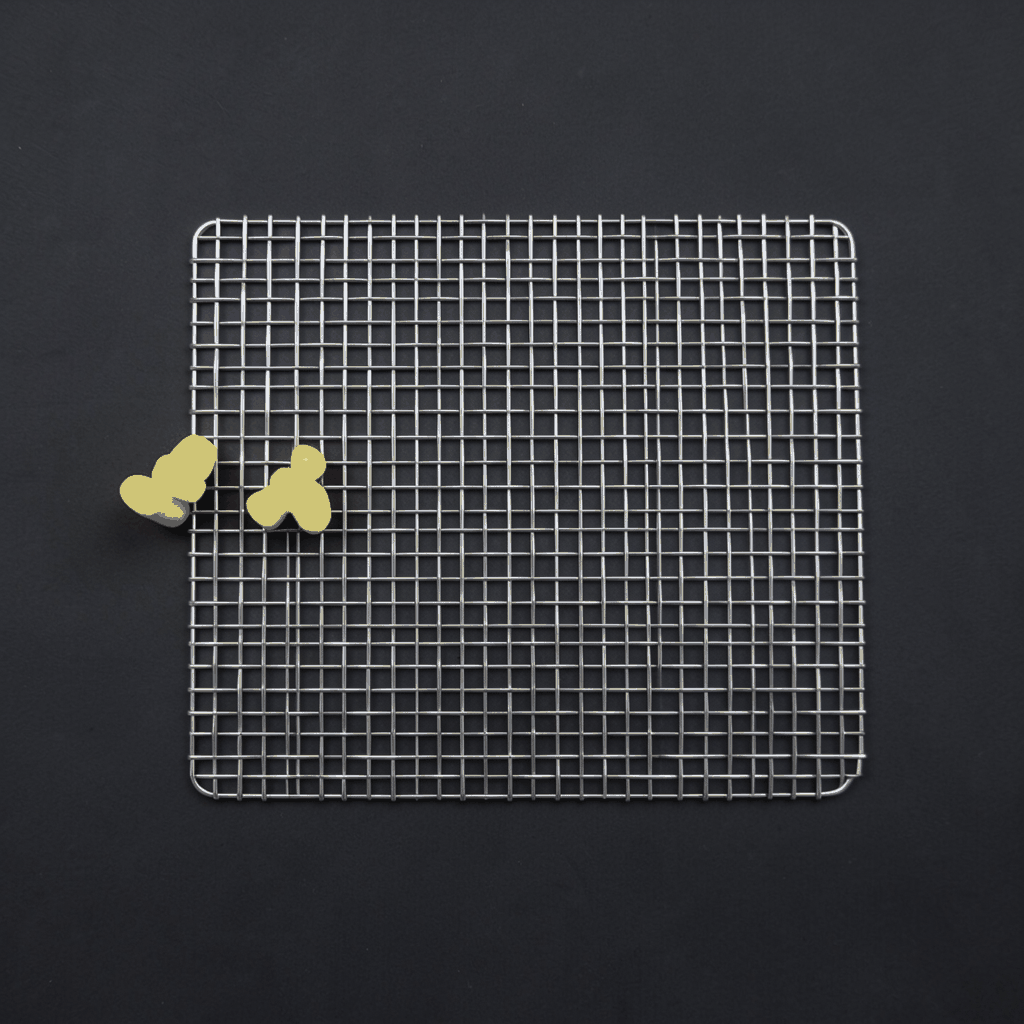
Mesh aperture size matters more than many buyers realise. A 50-millimetre diamond or square opening is typical for tennis because it contains balls reliably without feeling claustrophobic for outside spectators. Smaller apertures around 25 millimetres are preferred around school playgrounds in Brisbane and Melbourne, where smaller balls must not pass through to adjoining roads.
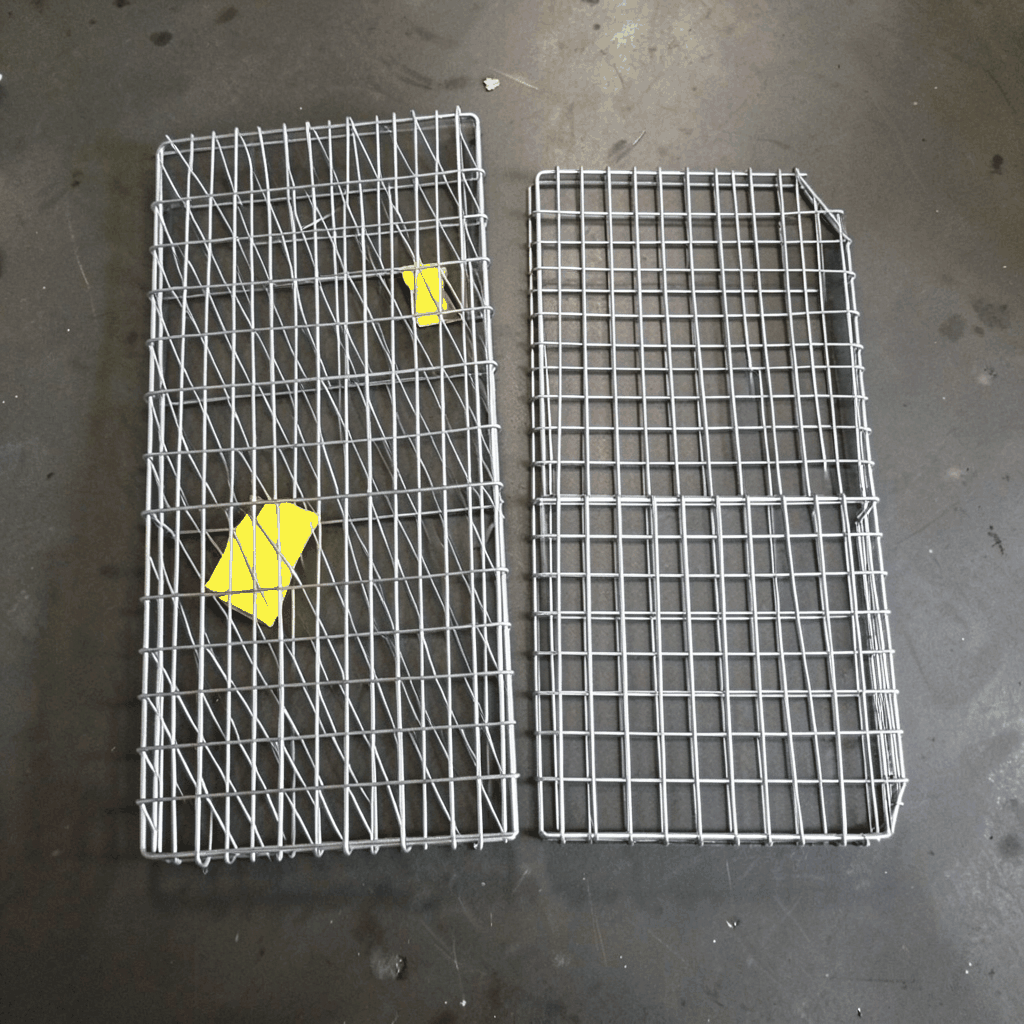
Reinforced top and bottom rails, along with intermediate stiffeners, prevent mesh sagging under tension or after repeated ball impacts. Welded intersections outperform knotted mesh for sports use because they maintain shape under load and resist the deformation caused when a ball strikes the same spot thousands of times.
Compliance with Australian standards and safety requirements
Permanent sports fencing in Australia typically needs to satisfy AS 1725 for wire mesh fencing, along with state-specific playground and public space safety codes. Tennis Australia publishes its own facility guidelines, referencing these standards and adding recommendations for club-level competition venues. Municipal projects often require sign-off from a structural engineer, particularly when fences exceed three metres or are installed on sloping ground.
Gate placement, width, and hardware deserve careful thought. A pair of 1.5-metre pedestrian gates at the net post allows maintenance access and emergency egress during medical incidents. A three-metre service gate on one baseline accommodates line-marking equipment and small tractors. Self-closing hinges prevent gates from being left open and undermining ball containment.
Anti-climb properties matter wherever fencing borders a public path or school boundary. Small apertures, welded intersections, and the absence of horizontal foot-holds discourage climbing attempts. Where clubs experience graffiti or vandalism, particularly in inner Sydney or Melbourne, anti-graffiti powder coatings reduce cleanup costs significantly.
Installation across diverse Australian soils and climates
Foundation design varies dramatically between a sandy coastal site on the Sunshine Coast and a reactive clay site in western Sydney. Screw-in post anchors work well in sandy soils and install quickly without concrete, while driven posts suit compacted grounds. In reactive clay regions, post holes must be deep enough to bypass the moisture-active layer, and concrete footings should be flared to resist uplift during dry summers when the ground shrinks.
Drainage around the base of perimeter fencing prevents water pooling against the bottom rail, which would accelerate corrosion even on stainless mesh. A gravel trench or slotted concrete kerb keeps the area dry and prevents weeds from building against the metal. In tropical northern facilities, where monsoonal rain can be torrential, additional weep holes in the concrete plinth release hydrostatic pressure.
Bushfire-prone regions require fences that will not contribute fuel to a fire front. Stainless steel mesh is naturally non-combustible, and where the fence forms part of a building's asset protection zone, BAL-29 and BAL-40 rated constructions are achievable with appropriate framing and fixings. Annual weld inspections are recommended, particularly near gates where vibration concentrates stress.
Design integration and visual appeal
A well-designed mesh fence should feel part of the landscape rather than an industrial afterthought. Slim 50-millimetre posts in dark colours disappear against vegetation, while pale tones stand out cleanly against dark timber clubhouse cladding. Many Australian clubs now specify laser-cut decorative panels at entrance gateways, displaying crests, sponsors, or stylised tennis motifs without compromising structural integrity.
Acoustic considerations matter in dense urban areas where courts sit near residential boundaries. Dense woven mesh with smaller apertures provides measurable sound dampening compared to chain link, particularly when combined with hedging such as Lilly Pilly or Viburnum planted inside the fence line. This approach has proven popular in new medium-density developments in inner Melbourne and Brisbane, where neighbour noise complaints are ongoing.
For regional facilities in drought-prone areas of South Australia or western New South Wales, mesh fencing allows airflow that solid barriers block. This prevents wind tunnel effects across the playing surface and helps keep the court cooler during afternoon fixtures. Lighter coloured coatings also reflect more heat than dark solid panels, lowering ambient temperature inside the enclosure.
Custom manufacturing and project delivery
Working with an established mesh manufacturer offers Australian buyers several practical advantages beyond catalogue ordering. Custom heights, panel widths, post spacings, and gate configurations can be produced to suit irregular site dimensions, whether a leftover block in suburban Brisbane or a purpose-built regional academy in country Victoria.
Lead times vary with complexity, but most custom mesh panels for sports facilities can be produced and shipped to Australian ports in eight to twelve weeks. Sea freight to Brisbane, Sydney, Melbourne, or Fremantle is straightforward, and many manufacturers arrange door-to-door delivery including customs clearance. Buyers should confirm suppliers provide material test certificates and accept Australian-standard inspection protocols on arrival.
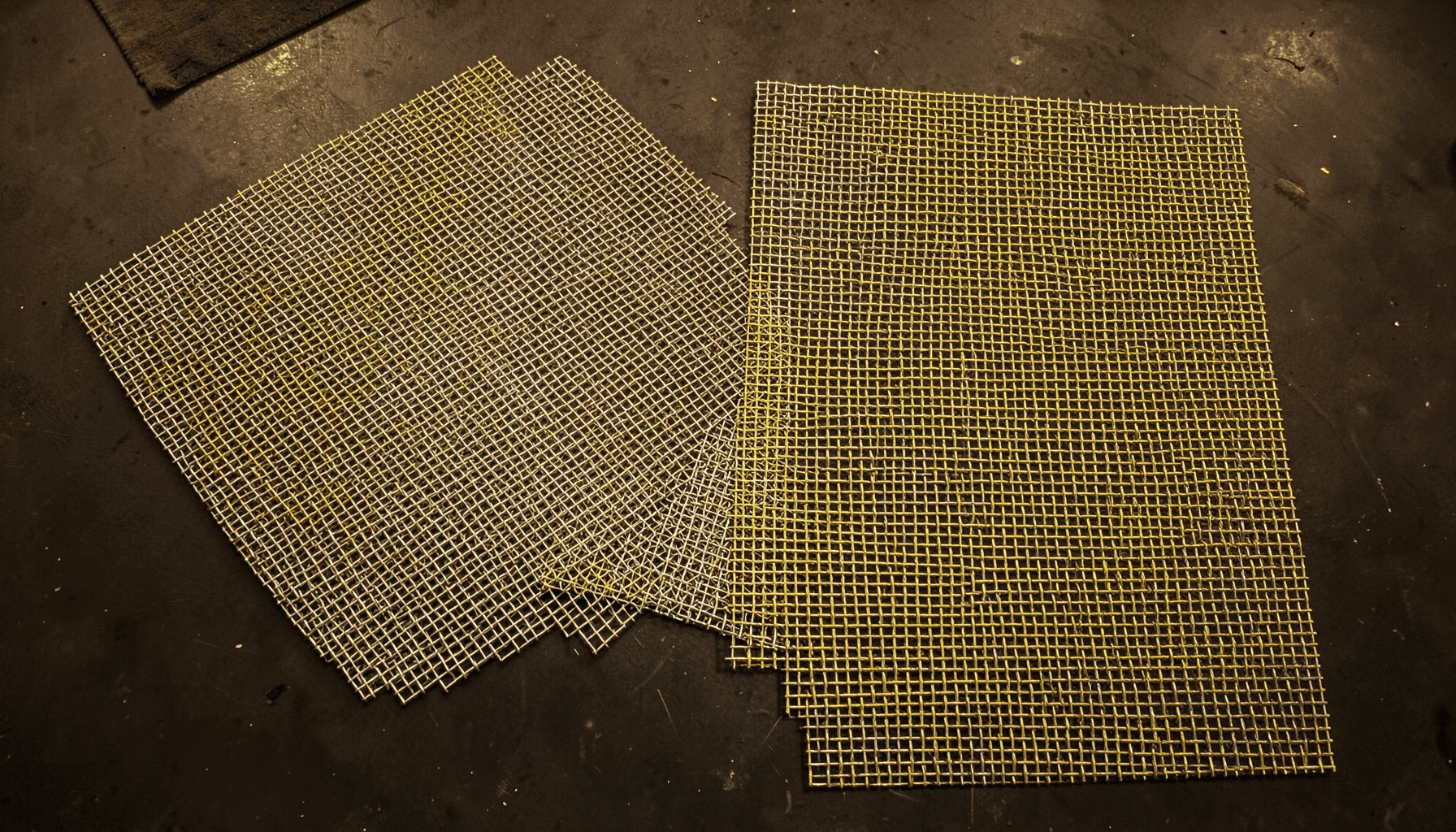
The same fabrication expertise that produces tennis court fencing applies to highly specialised industrial products, such as the precision mesh components used in refineries and chemical plants. This breadth of capability indicates a manufacturer with genuine metallurgical knowledge rather than a simple reseller of stock panels. For Australian buyers, this means access to engineering support when unusual site conditions arise, from unusual soil loading to custom bracketry for sloped terrain or non-standard colour matching to existing club branding.
Practical recommendations for Australian buyers
- Specify 316 stainless steel or marine-grade coated wire for any facility within five kilometres of the coast, including Perth, Sydney, the Gold Coast, and coastal Melbourne suburbs.
- Confirm panel heights against the actual sport mix of the venue, remembering multi-use facilities typically need 3.6 to 4 metres rather than the tennis minimum of 3 metres.
- Request welded intersections rather than knotted mesh for high-impact applications, and inspect a sample panel before accepting a full shipment.
- Plan gate locations for daily use and emergency vehicle access, ensuring hinge hardware is rated for the heaviest expected panel weight.
- Include anti-climb features and small apertures wherever the fence borders a public path, school, or playground.
- Ask for material traceability documentation and powder-coat warranty terms of at least ten years for UV exposure and colour fastness.
- Engage a local installer familiar with regional soil conditions, particularly reactive clays or sandy coastal sites, to ensure post footings are designed appropriately.
For clubs, schools, councils, and private developers planning new tennis or multi-sport facilities anywhere in Australia, Shuo Ke Wire Mesh Product Technology Co., Ltd. offers tailored manufacturing, reliable export documentation, and the engineering depth needed to translate site-specific requirements into a finished product that performs across decades of Australian weather. Contact the team with your court dimensions, sport mix, and preferred finish to receive a detailed quotation and lead-time schedule.