Choosing mesh materials for high-pressure steam filtration
High-pressure steam filtration places unusual demands on a metal filter. The element must retain particles at a defined micron rating while tolerating elevated temperature, pressure differential, vibration, repeated cleaning, and contact with wet steam or condensate. A mesh that performs well in a dry gas line may fail quickly when exposed to thermal cycling, chlorides, erosion, or boiler-water carryover.
Material selection therefore begins with the complete operating environment rather than the nominal filter size. Steam pressure and temperature matter, but so do the chemistry of the condensate, the velocity through the mesh, the cleaning method, and the consequences of a fractured or blocked element.
For architectural and industrial mesh processors such as Shuo Ke Wire Mesh Product Technology Co., Ltd., the practical goal is to match alloy, weave, layer structure, and fabrication method to the filtration duty. Stainless steel, nickel alloys, copper, aluminum, iron, and specialty alloys each have useful applications, yet only a smaller group is generally appropriate for demanding steam service.
What steam filtration demands from a metal mesh
A steam filter commonly protects valves, turbines, control instruments, heat exchangers, sterilization equipment, or downstream process lines from rust, weld scale, gasket fragments, and solid contamination. In saturated steam, the filter may also encounter liquid water, dissolved salts, oxygen, and acidic or alkaline treatment chemicals. These conditions can create corrosion mechanisms that are absent from dry, clean steam.
Pressure differential is equally important. As retained particles build up, the force acting across each wire increases. High flow velocity can cause particle impingement and wire erosion, especially where the filter has a small open area or sharp changes in flow direction. A suitable design must provide enough surface area to keep differential pressure within the equipment limit while maintaining the required retention level.
Temperature cycling can be more damaging than steady heat. Repeated startup and shutdown create expansion and contraction in the wires, support grid, welded seams, and filter housing. If dissimilar metals are joined, galvanic effects may appear at the connection. Thermal stress, vibration, and inadequate support can eventually cause distortion or fatigue cracking even when the base alloy has acceptable corrosion resistance.
Match the alloy to steam chemistry
304 stainless steel is often selected for general-purpose steam filtration because it offers good strength, availability, and resistance to many clean-water environments. It can be suitable for moderate conditions where chloride content is controlled and condensate is not strongly acidic. However, it is less resistant than 316L when chlorides or process contaminants increase the risk of pitting and crevice corrosion.
316L stainless steel is a common upgrade for wet steam, pharmaceutical utilities, food processing, and chemical service. Its molybdenum content improves resistance to localized corrosion, while the low-carbon grade supports welded fabrication and reduces the risk of sensitization after joining. It should not be treated as immune to chloride attack, particularly in stagnant deposits or concentrated condensate.
For severe chemical exposure, higher-alloy stainless steels, duplex grades, or nickel-based alloys may be necessary. Nickel alloys such as Inconel, Monel, or Hastelloy can provide better resistance to high-temperature oxidation, reducing conditions, acids, alkalis, and mixed process streams, depending on the exact grade. Engineers reviewing alloy mesh guidance should evaluate the actual fluid chemistry instead of selecting an alloy from temperature alone.
Copper and brass mesh can offer useful conductivity and formability, but they are generally limited in high-pressure steam systems where ammonia, acidic condensate, or galvanic contact may be present. Aluminum is lightweight and corrosion resistant in selected atmospheres, yet its strength and temperature capability usually make it unsuitable for heavily loaded steam filter elements. Carbon steel and ordinary iron may be economical for dry, non-corrosive service, but they require careful protection against rust and are rarely the first choice for clean steam.
Choose a mesh structure that carries the load
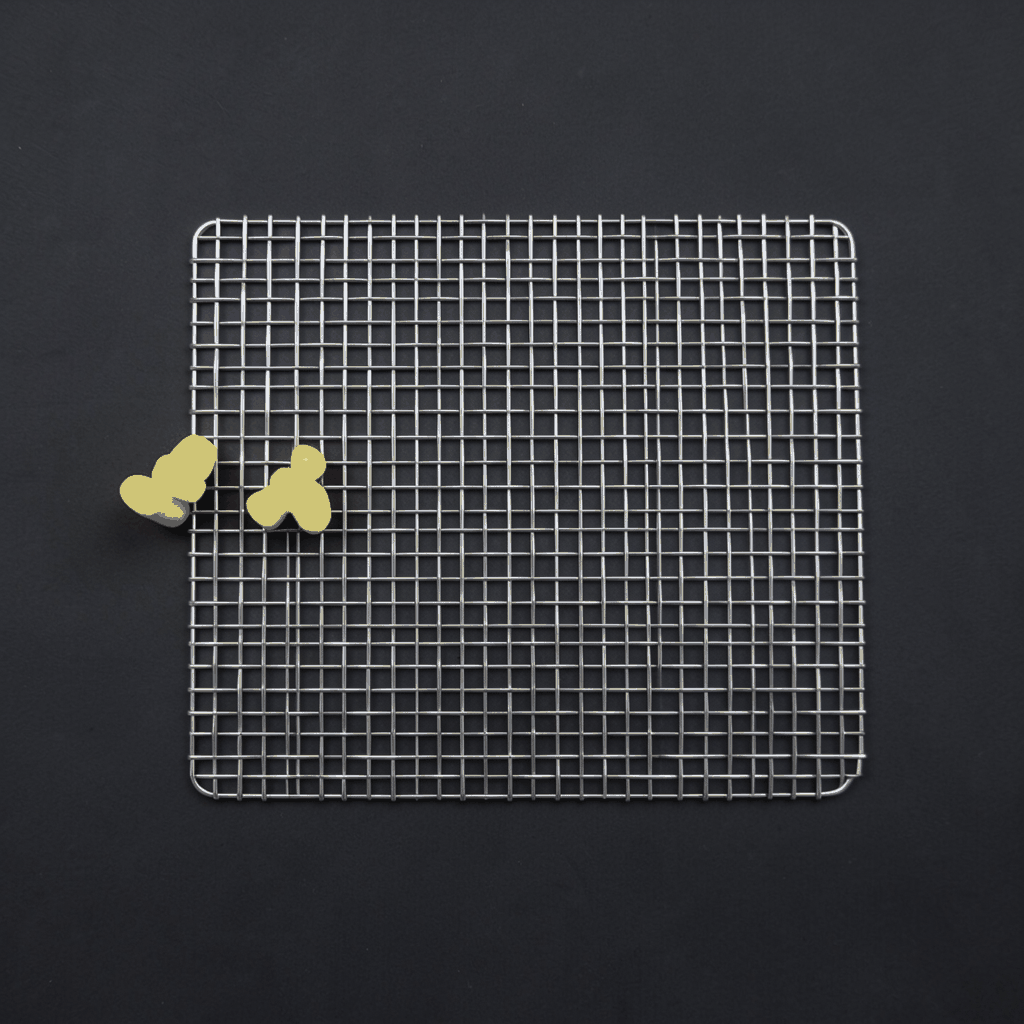
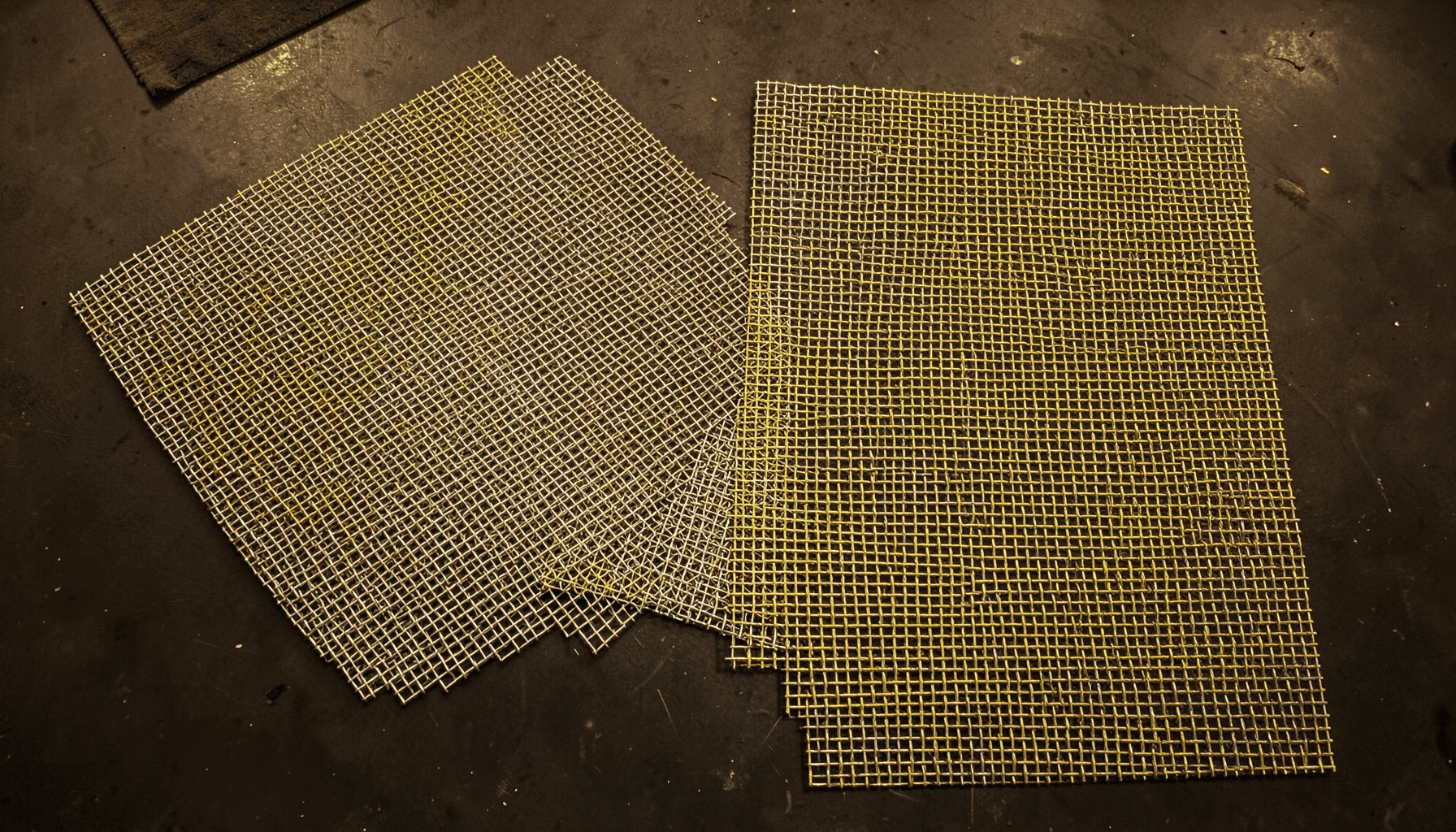
Plain woven wire mesh is versatile and available in a broad range of apertures. Square weave can provide consistent particle retention and predictable open area, while Dutch weave uses finer wires and a denser structure to achieve high filtration efficiency. Plain, twill, and reverse Dutch constructions each influence flow resistance, strength, cleanability, and the ability to produce a stable micron rating.
For high-pressure applications, the filter layer should usually be supported by a perforated plate, coarse mesh, or engineered frame. Support prevents the fine filtration layer from deforming under differential pressure. A multi-layer sintered mesh can combine a fine filtering surface with coarse protective layers and a strong backing layer. This construction is useful when the element must retain a consistent pore structure during backwashing, pulse cleaning, or repeated pressure changes.
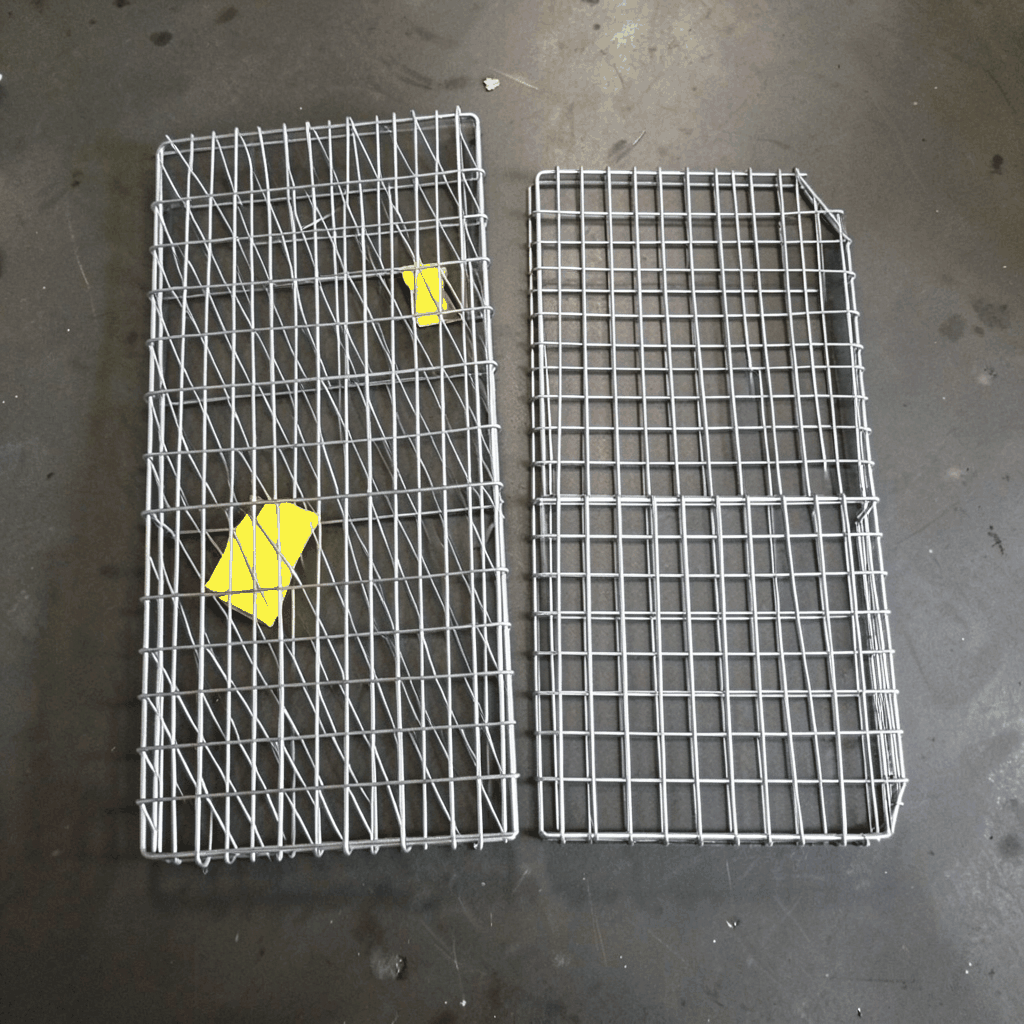
Welded mesh may be suitable for coarse particle separation, protective screens, and support components. It is less appropriate as the sole medium for precise fine filtration unless the weld quality, heat-affected zones, and dimensional stability have been validated. Welds can create local distortion or altered corrosion behavior, so the finished assembly should be inspected rather than judged only from the nominal wire specification.
The edge and attachment design deserve the same attention as the mesh itself. A robust filter may use a rolled edge, welded frame, perforated backing, cartridge support, or custom flange. Poorly designed joints can bypass the filter, shed particles, or concentrate stress. In high-pressure steam service, the sealing method and housing tolerance must prevent fluid from traveling around the mesh.
| Material or construction | Typical advantages | Main cautions | Suitable direction |
|---|---|---|---|
| 304 stainless steel | Good availability, strength, and general corrosion resistance | More vulnerable to chloride pitting than 316L | Clean or moderately demanding steam |
| 316L stainless steel | Better chloride resistance, weldability, and cleanability | Can still pit in concentrated or stagnant chlorides | Wet steam, sanitary, and process utilities |
| Duplex stainless steel | High strength and improved resistance in selected chloride environments | More complex fabrication and forming | High differential pressure and aggressive condensate |
| Nickel-based alloy | Strong performance at high temperature and in severe chemical service | Higher cost and harder fabrication | Corrosive, high-temperature process filtration |
| Sintered multilayer mesh | Stable pore structure, high strength, and cleanability | Higher initial cost and precise manufacturing needs | Reusable high-pressure filter elements |
| Copper or brass mesh | Conductive, formable, and useful in selected applications | Galvanic and chemical compatibility concerns | Specialized low-corrosion environments |
| Carbon steel or iron mesh | Economical and mechanically practical | Rusting and limited wet-steam durability | Dry, protected, or temporary service |
Balance filtration efficiency with pressure drop
A smaller opening does not automatically create a better steam filter. Fine mesh can capture smaller particles, but it also reduces open area and increases pressure loss. If the pressure drop becomes excessive, the system may consume more energy, lose process capacity, or force the element beyond its structural rating.
Specify whether the required rating is nominal or absolute. A nominal rating describes approximate removal performance under stated conditions, while an absolute rating is associated with a defined test method and a much tighter maximum particle size. These terms are not interchangeable. The specification should identify the test standard, particle type, flow condition, and acceptable efficiency.
Steam filters also need adequate dirt-holding capacity. A very fine element with limited surface area may reach its pressure-drop limit rapidly, even if its initial filtration performance is excellent. Pleated mesh, layered panels, or a larger filtration surface can extend service life without sacrificing the target retention level. For a high-solids stream, a coarse pre-filter may protect the final element and make maintenance more predictable.
Flow direction affects performance. Some woven structures offer greater strength from one side, while layered and sintered elements may have a preferred support direction. The filter should be installed so that the pressure load pushes the active layer against its support rather than away from it. This detail can prevent collapse during a sudden pressure surge.
Account for cleaning and long-term maintenance
Reusable steam filters are often cleaned by backflushing, compressed air, steam, solvent, ultrasonic treatment, or controlled chemical washing. The mesh alloy must resist the cleaning fluid as well as the process stream. A material that survives steam may still be damaged by caustic cleaners, acidic descaling agents, or chloride-bearing rinse water.
Cleaning intensity also influences construction. A fine woven mesh can be delicate if handled with brushes or high-pressure jets, while a sintered multilayer element may tolerate more aggressive regeneration. The design should state allowable cleaning pressure, temperature, flow direction, and inspection criteria. Repeated cleaning without defined limits can gradually stretch wires, enlarge apertures, or damage welded seams.
Surface finish and cleanliness are important where the filtered steam contacts a product or sterile process. Smooth, passivated stainless steel is easier to rinse and less likely to retain deposits. Crevices, unsealed overlaps, and rough welds can harbor contamination or accelerate localized corrosion. For sanitary applications, the finished component should be evaluated as an assembly, not just by the alloy certificate.
Inspection should include visual examination, dimensional checks, pressure testing, and, where appropriate, bubble-point or integrity testing. Records of differential pressure and cleaning cycles help identify gradual degradation. A filter should be replaced when its pore structure, support, or sealing surface no longer meets the original specification, even if the mesh appears intact.
Practical recommendations for a dependable specification
A clear purchase and engineering specification reduces uncertainty between the filter designer, mesh manufacturer, and equipment operator. Include operating data that describes the real service rather than relying on a general label such as “high-pressure steam.”
- State working and design pressure, operating and maximum temperature, flow rate, and expected pressure drop.
- Identify steam quality, condensate composition, chloride level, pH, dissolved oxygen, and any cleaning chemicals.
- Define particle size, nominal or absolute retention, test method, filtration direction, and required dirt-holding capacity.
- Specify alloy grade, wire diameter, weave or sintered-layer construction, support arrangement, edge treatment, and weld requirements.
- Require dimensional inspection, material certification, integrity testing, and acceptance criteria for the completed filter assembly.
Material certificates should confirm the actual alloy rather than simply listing “stainless steel.” For critical service, request traceability for the wire, backing plate, frame, and weld filler. This is especially important when a filter will be exposed to thermal cycling or when failure could contaminate a product line.
Prototype testing can reveal issues that calculations miss. Test the proposed element at representative temperature, pressure, flow, and condensate chemistry. Measure clean pressure drop, loaded pressure drop, particle retention, recovery after cleaning, and any permanent deformation. A short validation program can justify a more economical alloy or show why a higher-grade material is needed.
Turn the specification into a tested filter assembly
The best mesh material is the one that remains stable throughout the complete service cycle: startup, full-load operation, contamination, cleaning, shutdown, and inspection. Stainless steel may be the right choice for many systems, but the final decision should reflect chloride exposure, temperature, mechanical loading, cleaning chemistry, and the required filtration rating.
A manufacturer experienced in woven mesh, sintered layers, perforated supports, frames, and custom metal fabrication can help translate process data into a practical component. Share the steam conditions, filter dimensions, target micron rating, pressure-drop limit, and maintenance procedure with Shuo Ke Wire Mesh Product Technology Co., Ltd. to develop a durable, testable filter solution for high-pressure service.