Choosing Mesh Screens for Grain and Seed Cleaning Equipment
Grain and seed cleaning equipment uses metal screens as active separation surfaces rather than simple protective guards. Each aperture, wire profile and open-area ratio influences how quickly clean grain travels through a machine and which particles remain in the stream. Screens therefore affect recovery rates, product quality, dust generation and the amount of maintenance required during seasonal operations.
Australian operators handle wheat, barley, canola, chickpeas, lentils, faba beans and other seeds with widely varying dimensions and moisture levels. Selecting a suitable sieve screen is not simply a matter of matching one nominal hole size. The best result comes from coordinating the cleaning task, screen material, airflow, machine capacity and the conditions expected in a particular grain-handling installation.
Matching mesh to the cleaning task
Different stages of a cleaning system require different separation principles. Scalpers remove stones, sticks and other oversized material, aspirators draw away fine dust and light chaff, and grading screens separate sound kernels by size. Rotary cleaners and gravity separators may also rely on airflow or a combination of screening and air classification to distinguish sound product from damaged seed.
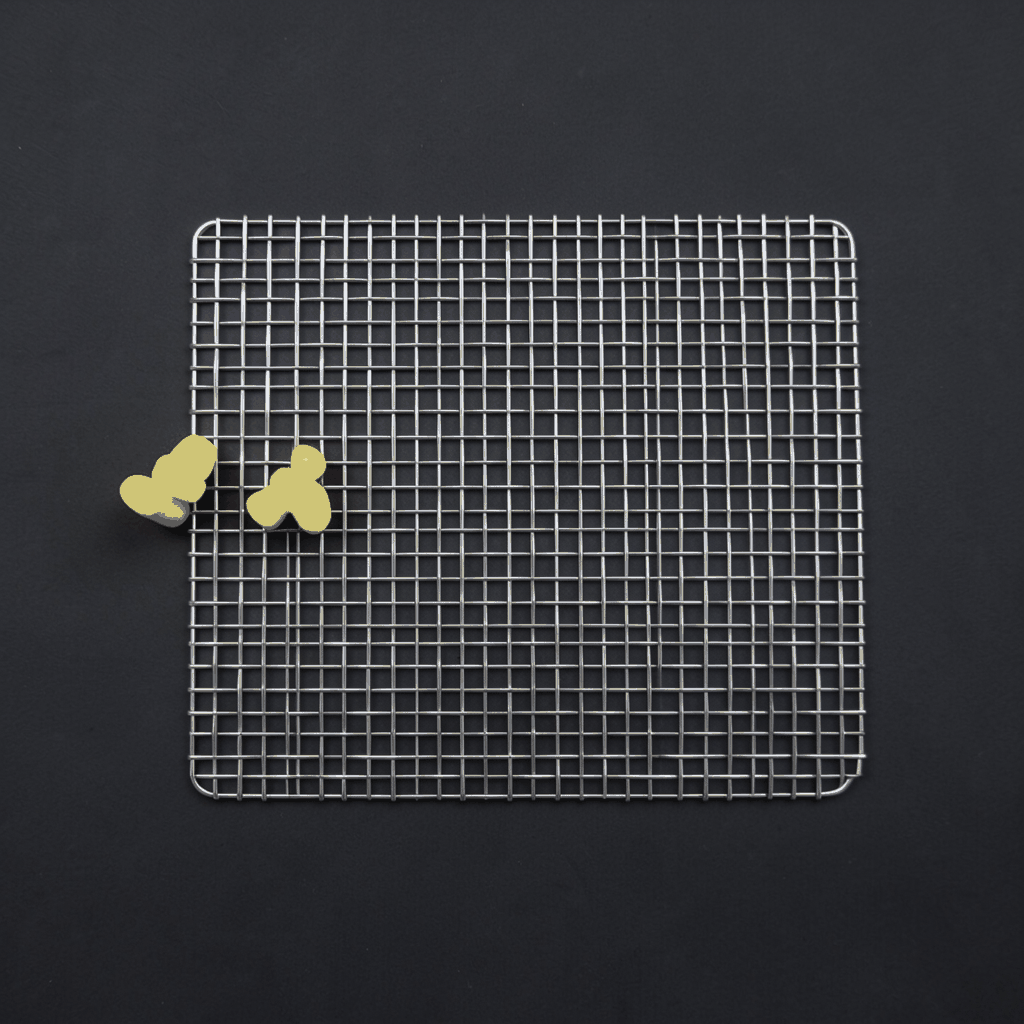
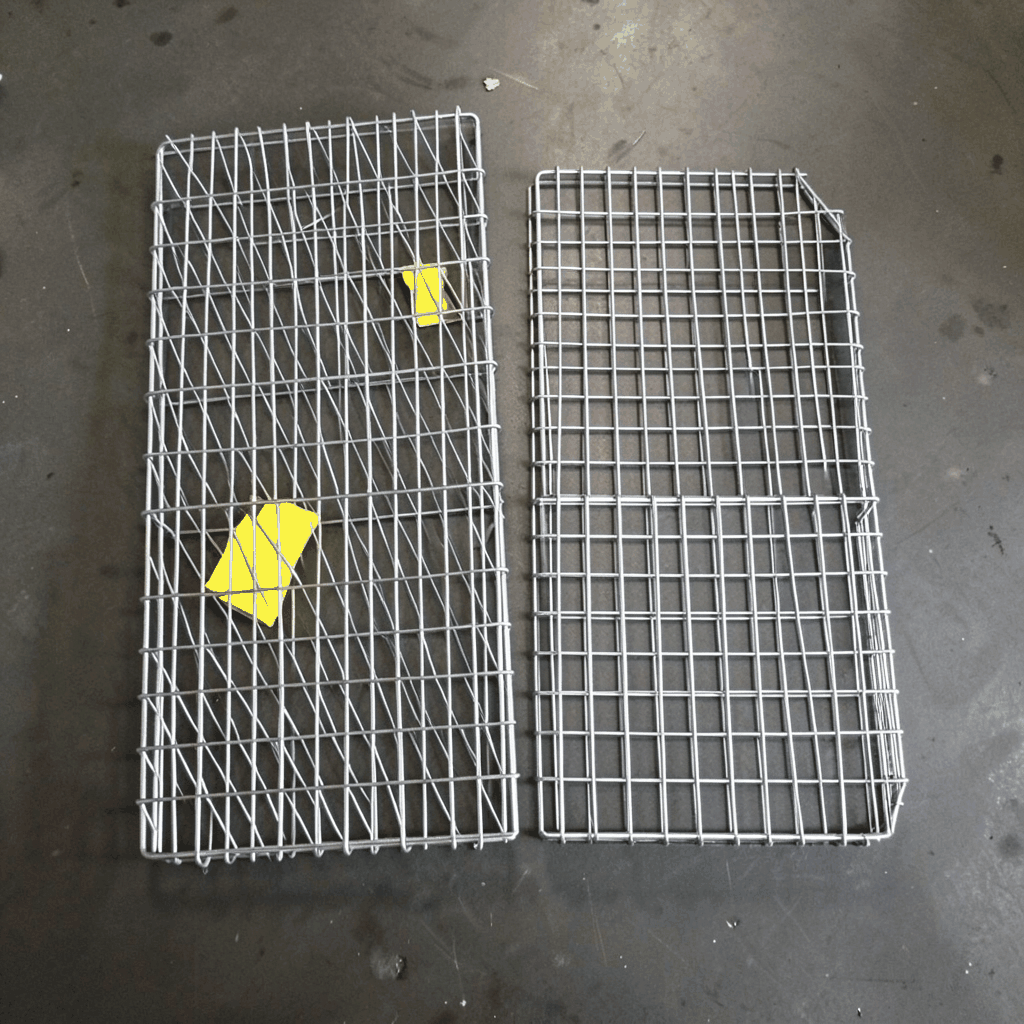
A woven wire screen offers fine control over aperture and generally provides high open area. Perforated plate has greater impact resistance and rigidity, making it useful where coarse material strikes the screen or where a longer service life is more important than maximum flow. Weld mesh provides structural strength for larger panels, while laser-cut sheets can create custom apertures and intake patterns without extensive machining.
The correct specification follows the material being cleaned, not just the machine model. Seed width and thickness, acceptable loss of small or broken kernels, contamination type, moisture content and desired throughput all influence the opening. An opening that is too restrictive reduces capacity and increases dust, while one that is too generous allows valuable product to leave with the screenings.
Selecting materials for Australian conditions
Material selection determines how a screen withstands abrasion, moisture, cleaning chemicals and long periods of vibration. Type 304 stainless steel provides a practical balance of strength and corrosion resistance for many internal grain-cleaning panels. Grade 316 stainless steel is preferable where salt-laden air, wash-down chemicals or higher levels of corrosion are expected. Aluminium offers a lighter alternative for removable panels, although it generally wears faster than steel in high-friction positions.
Conditions vary considerably across Australia. Coastal machinery around Perth and Esperance can face salt-laden humidity, while hot, dusty conditions in northern and inland regions place different demands on screen support structures. Storage in sheds without climate control can expose idle equipment to condensation. Protective coatings, stainless fasteners and compatible frame materials help prevent the fasteners and supports from failing before the screen itself.
Hygiene and product compatibility also influence the choice. Smooth wire, clean weld seams and accessible joints make panels easier to wash and reduce the places where grain dust can lodge. Operators handling food-grade grains or treated seed may require specific documentation or chemical resistance. The screen material should be confirmed against the relevant seed treatment, wash detergent and cleaning regime rather than selected on appearance alone.
Balancing aperture, open area and airflow
Aperture, wire diameter and open area work together to define a screen’s performance. Aperture is the clear opening through which material may pass, while wire diameter affects both structural strength and the proportion of the panel available for separation. In square woven cloth, open area is approximately the square of the aperture divided by the sum of the aperture and wire diameter. Perforated sheets require a different calculation based on hole size and perforation pattern.
The selected opening must relate to the physical dimensions of the kernels and unwanted particles. Because seeds are not perfectly uniform, grading often uses adjacent screen fractions rather than a single cut. Test results with representative samples are more dependable than a visual assessment. Where valuable grain is near the separation boundary, a slightly conservative screen may preserve recovery, provided the machine has sufficient screen area to maintain capacity.
Airflow must also pass through the installed panel without creating a pressure bottleneck. High open-area woven cloth generally supports stronger airflow than many perforated arrangements, while rigid plate can remain stable in equipment where vibration would distort flexible mesh. Engineers familiar with filtration can see a related engineering balance in support mesh requirements: the media must permit flow while remaining stable under service conditions.
Building screens for vibration, wear and service
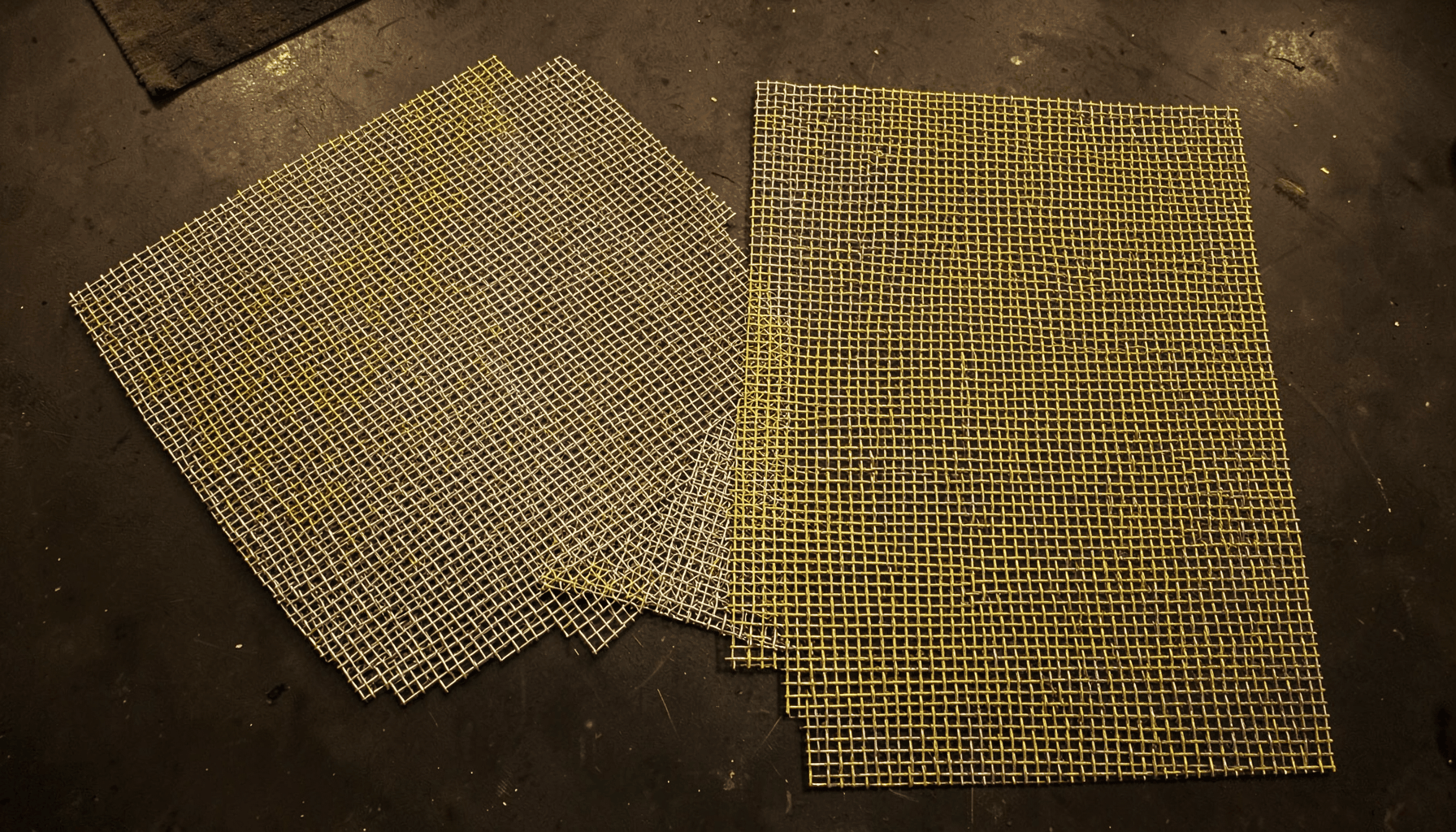
Woven wire cloth is commonly used for precision grading because it can be manufactured with controlled apertures and a relatively high open area. It must be held under consistent tension, however, or vibration can change its effective separation geometry. Welded and perforated screens tolerate heavier loads but require accurate hole patterns, sound mounting and sufficient support around each edge.
The panel frame is as important as the mesh. Clamping bars, tensioning screws, locking strips and wear bars should keep the screen flat and prevent it from curling into the flow path. In rotary equipment, edge wear and high-impact loading may justify heavier reinforcement. Protruding wire, exposed fasteners and uneven joints can catch stalks or abrade kernels, so edges should be secure, smooth and flush with the surrounding frame.
Serviceability matters during a demanding Australian harvest. Panels that can be removed without removing the entire screen frame shorten cleaning and changeover times. Safe isolation and lockout procedures should remain possible during inspection, and replacement parts should be interchangeable with the original installation. A clearly recorded screen specification makes it easier for local maintenance crews to order the correct mesh rather than accepting a loose visual match.
Fitting screens into local grain handling systems
Sizing begins with the equipment’s rated capacity, the load density of the crop and the number of cleaning stages. Screen area must be sufficient for the required tonnes per hour without forcing air or material through a restricted opening. Operators should also allow for changes in moisture and impurities, since clean wheat behaves differently from damp pulses or seed carrying substantial chaff.
Local grain-handling conditions make this especially important. Melbourne fabricators and machinery workshops frequently need modular panels that fit both older equipment and new custom installations. Grain operators around Sydney and the Riverina handle mixed commercial grain parcels, while farms and seed businesses near Adelaide and the Murraylands require screens suitable for broadacre wheat, canola and pulse production. Facilities around Esperance and Katanning combine high-throughput handling with abrasive dust and coastal exposure.
Imported screens or cleaning machinery require careful customs planning. Buyers should confirm the current tariff classification, commercial documentation, duty and GST treatment with an Australian customs broker. Any machinery or packaging carrying grain, dust or plant residue should be checked through BICON before arrival, and wooden packaging requirements should be verified for the shipment. These steps prevent border delays that can disrupt seasonal maintenance schedules.
The local market includes farm machinery builders, grain merchants, seed processors, contract cleaners and regional fabrication workshops. Custom screens are often more valuable where they match an existing frame, use locally available fasteners and can be repeated in future production batches. Standardized dimensions and mounting arrangements also make replacement screens easier to stock before peak harvest periods.
Turning requirements into a custom screen
A useful screen specification starts with five types of information: the crop or seed, the contaminant being removed, the required separation, the machine dimensions and the operating environment. Material, aperture, wire diameter, panel size, edge treatment and attachment method should be recorded together. Capacity and any temperature, moisture or chemical exposure complete the practical picture required for an accurate recommendation.
A representative material test can confirm the proposed opening before a full production order. Testing should compare product recovery, contaminant removal, airflow and the rate at which dust accumulates on the screen. The result may indicate that a different weave, perforation pattern or frame arrangement is more suitable than the initial selection.
Shuo Ke Wire Mesh Product Technology Co., Ltd. manufactures and processes architectural and industrial metal mesh products using stainless steel, aluminium, copper, iron and other alloys. Its production range includes mesh panels, filters, baskets, laser-cut forms and custom metal solutions, supporting the emphasis on durability, practical engineering and decorative design. Screen requirements can therefore be considered as part of a broader metal-mesh manufacturing capability rather than limited to an off-the-shelf catalogue item.
Contact Shuo Ke Wire Mesh Product Technology Co., Ltd. with the material, aperture, panel dimensions and installation details for your grain or seed cleaning equipment, and request a sample or production-ready quotation tailored to your separation process.