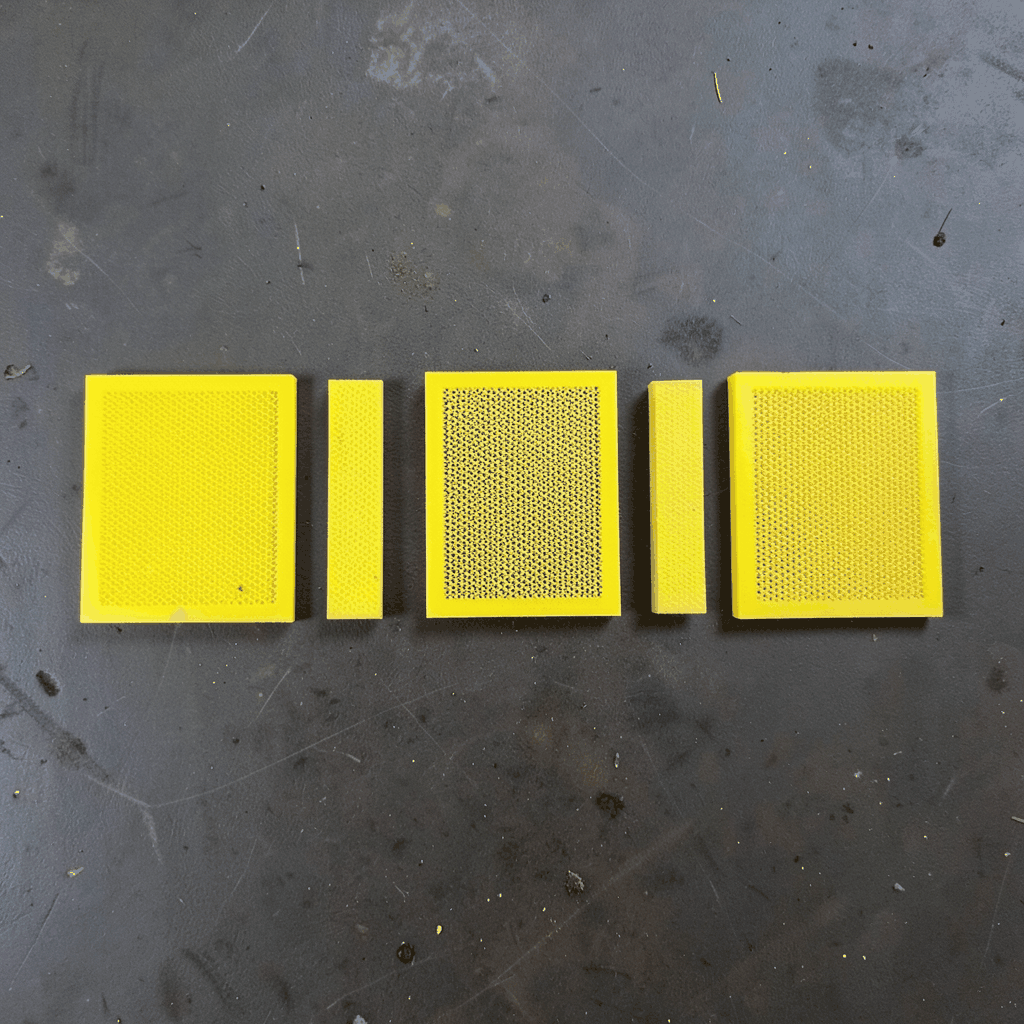
Metal mesh enclosures for protecting electrical transformers
Electrical transformers are essential to Australia’s power networks, commercial buildings, construction sites and industrial facilities. Their exposed position can make them vulnerable to unauthorised access, vandalism, impact, debris, animals and accidental contact. A well-designed metal mesh enclosure creates a strong physical boundary while allowing airflow, inspection access and safe operation.
Mesh fencing and screening can also be designed to suit the surrounding property rather than appearing like a purely utilitarian cage. Stainless steel, aluminium, galvanised iron and coated steel provide different balances of strength, corrosion resistance, weight and appearance. For Australian projects, the right specification should reflect the transformer’s location, local climate, electrical requirements and access arrangements.
Why transformers need a physical barrier
A transformer compound may be installed beside a warehouse, apartment complex, shopping centre, railway facility or public road. Without a secure perimeter, people may enter the danger zone, place objects against the equipment or interfere with cables, switches and ventilation openings. Children, contractors and members of the public may not recognise the hazards associated with high-voltage infrastructure.
A metal mesh enclosure establishes a visible and difficult-to-cross boundary. It can include lockable access gates, anti-climb details, warning signage and controlled maintenance entry. The mesh aperture, panel height and structural frame should be selected to prevent hand access to hazardous components while preserving the clearances required around the transformer.
Physical security is especially important in urban areas such as Sydney, Melbourne and Brisbane, where electrical assets may be located close to busy footpaths or shared commercial sites. In regional substations, the enclosure may also need to discourage livestock, wildlife and opportunistic trespassers. The design should support the asset owner’s safety procedures and be coordinated with the requirements of the electrical engineer.
Choosing mesh for Australian conditions
The local environment has a direct effect on enclosure service life. Coastal air in Perth, Adelaide, Newcastle and parts of Queensland can accelerate corrosion, particularly where salt deposits collect on exposed steel. Stainless steel mesh offers strong resistance in demanding locations, while hot-dip galvanised or powder-coated steel can provide a practical solution when the coating system and maintenance schedule are properly specified.
Aluminium is lighter and naturally resistant to many forms of atmospheric corrosion, which can simplify handling during installation. It may be suitable for architectural screening or sites where the supporting structure has limited capacity. Stainless steel is often preferred where a clean appearance, high durability and regular washing are important, such as around premium commercial developments or transport infrastructure.
Material selection should also account for cut edges, fasteners, welds and contact between dissimilar metals. Isolating incompatible metals can reduce galvanic corrosion. Finishes should be selected for ultraviolet exposure, cleaning methods and the expected level of abrasion. In bushfire-prone areas, the broader compound design should be reviewed with the project engineer so the enclosure does not create an unintended maintenance or access issue.
Balancing ventilation, visibility and protection
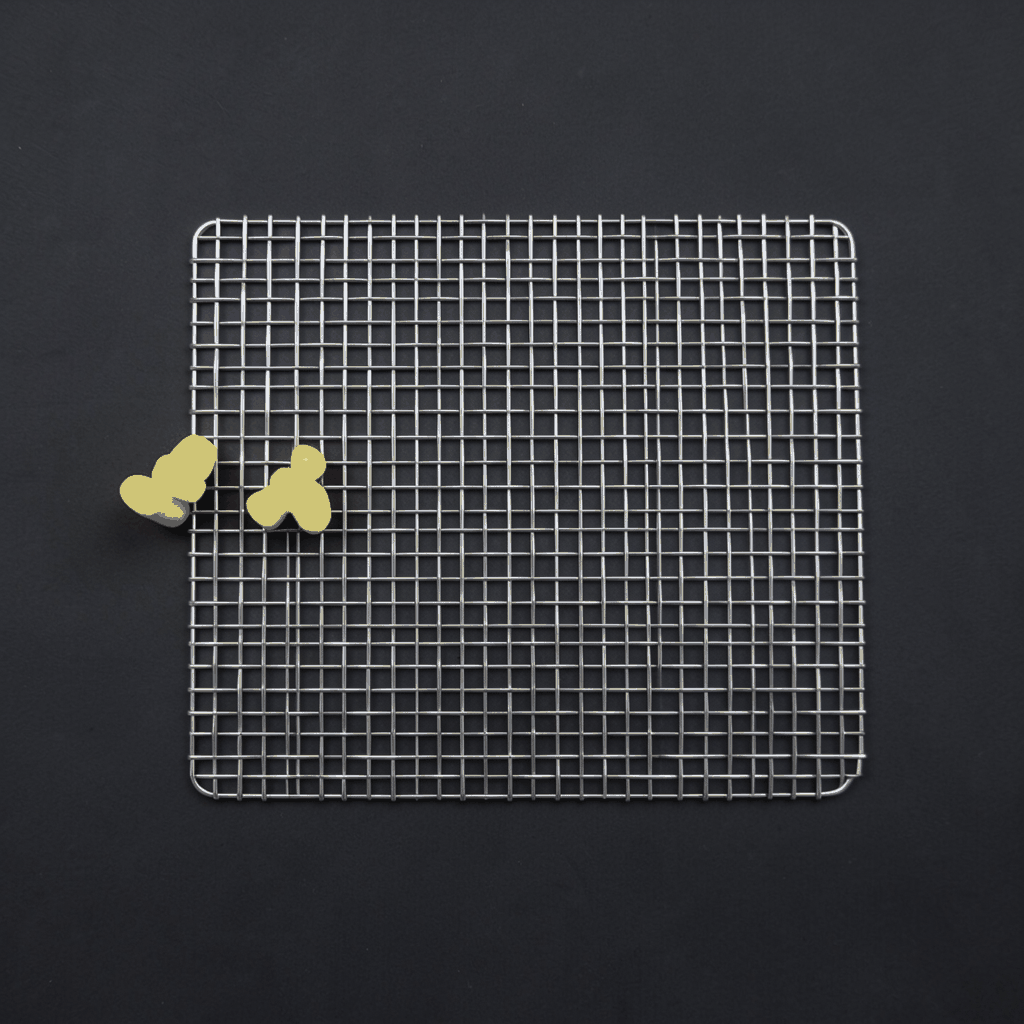
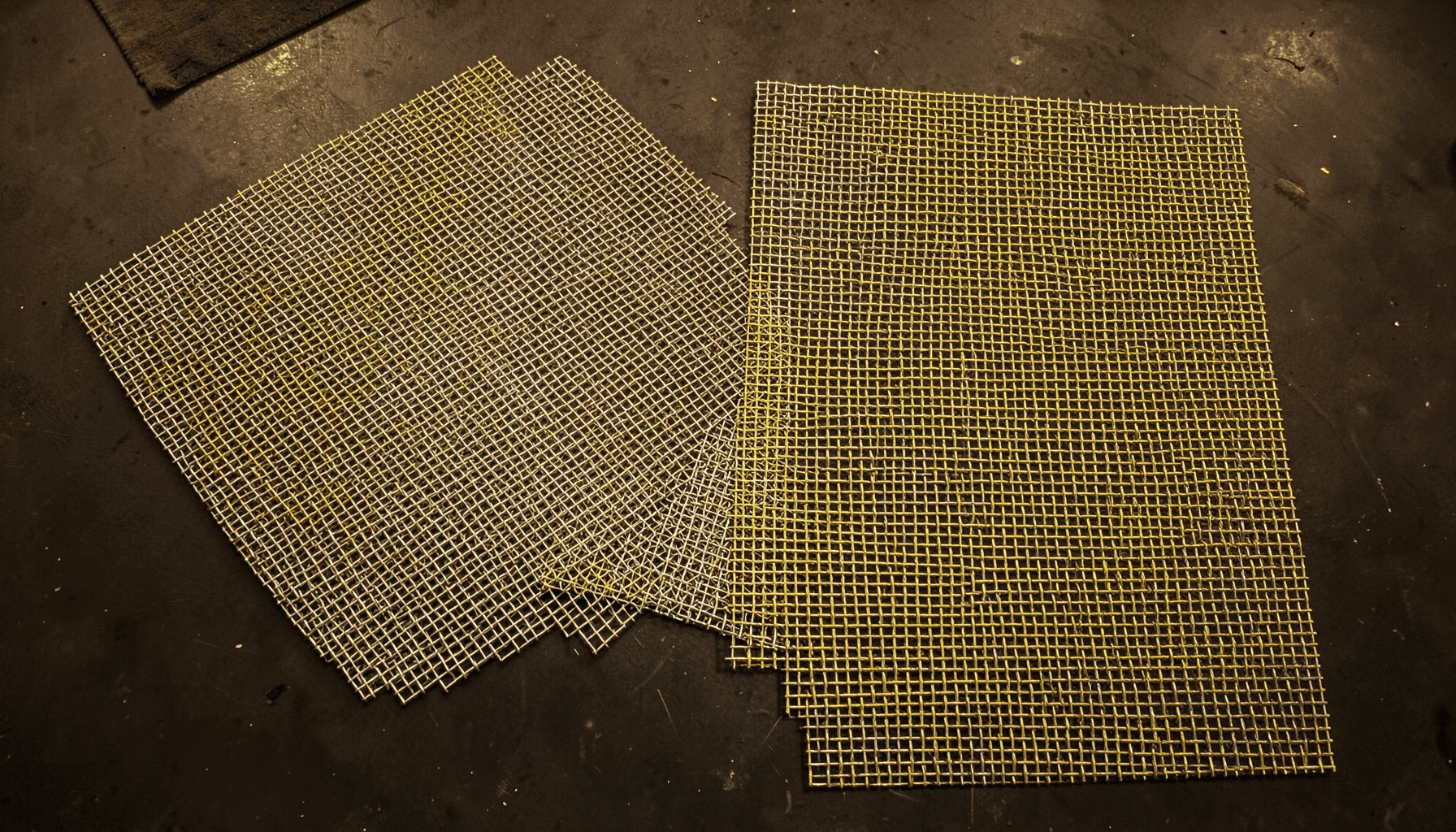
Transformers generate heat during operation, so a solid wall can interfere with natural ventilation unless carefully engineered. Expanded metal, perforated sheet and woven wire mesh allow air movement while limiting access. The open area of the panels should be considered alongside transformer capacity, heat output, prevailing wind and the manufacturer’s clearance recommendations.
Visibility is another practical advantage of mesh screening. Maintenance teams can inspect the transformer, cable routes and signs without removing large panels. Security personnel can also see whether someone has entered the compound. In public-facing locations, a partially screened design may reduce visual clutter while keeping the equipment identifiable and accessible to authorised workers.
The enclosure should never be treated as a substitute for electrical separation, earthing, signage or safe working procedures. Gates need suitable hinges, latches and locks, and they should open in a direction that does not obstruct emergency movement. Where a transformer is installed indoors or beneath a canopy, the mesh design must be coordinated with fire protection, drainage, ventilation and building services.
Engineering details that affect performance
A durable enclosure depends on more than the mesh panel itself. Posts, rails, base plates, hinges, brackets and fixings must withstand wind loads, impact and repeated gate use. In exposed parts of Australia, including the coastline around Cairns or the windy southern coast of Victoria, structural calculations may be needed to confirm post spacing and foundation requirements.
The ground condition also influences the installation method. Concrete footings may be suitable for a permanent compound, while base-plated frames can work where the enclosure is fixed to an existing slab. Uneven terrain may require stepped panels, custom cuts or additional lower protection to prevent gaps. Drainage should be preserved so that water does not pond around posts or the transformer foundation.
For projects involving installation or maintenance, suitable cutting, drilling and fastening equipment helps achieve accurate joints without damaging protective finishes. Contractors may use specialised power tools for fabrication and site work, but tool selection should follow the material manufacturer’s recommendations. Burrs, exposed steel and poorly sealed penetrations can become early points of corrosion or injury.
Custom designs for different transformer sites
A compact kiosk transformer beside a retail development has different requirements from a large outdoor transformer at a mining operation or utility substation. Custom mesh fabrication allows the enclosure to respond to the equipment footprint, cable entry points, oil containment, access routes and the surrounding architecture.
For commercial and residential developments, decorative metal screens can soften the industrial appearance of an electrical compound. Laser-cut panels may be combined with open mesh to create controlled visibility, branded patterns or a finish that matches nearby façades. Stainless steel, aluminium and coated steel can all be adapted to suit modern buildings, heritage settings or municipal streetscapes.
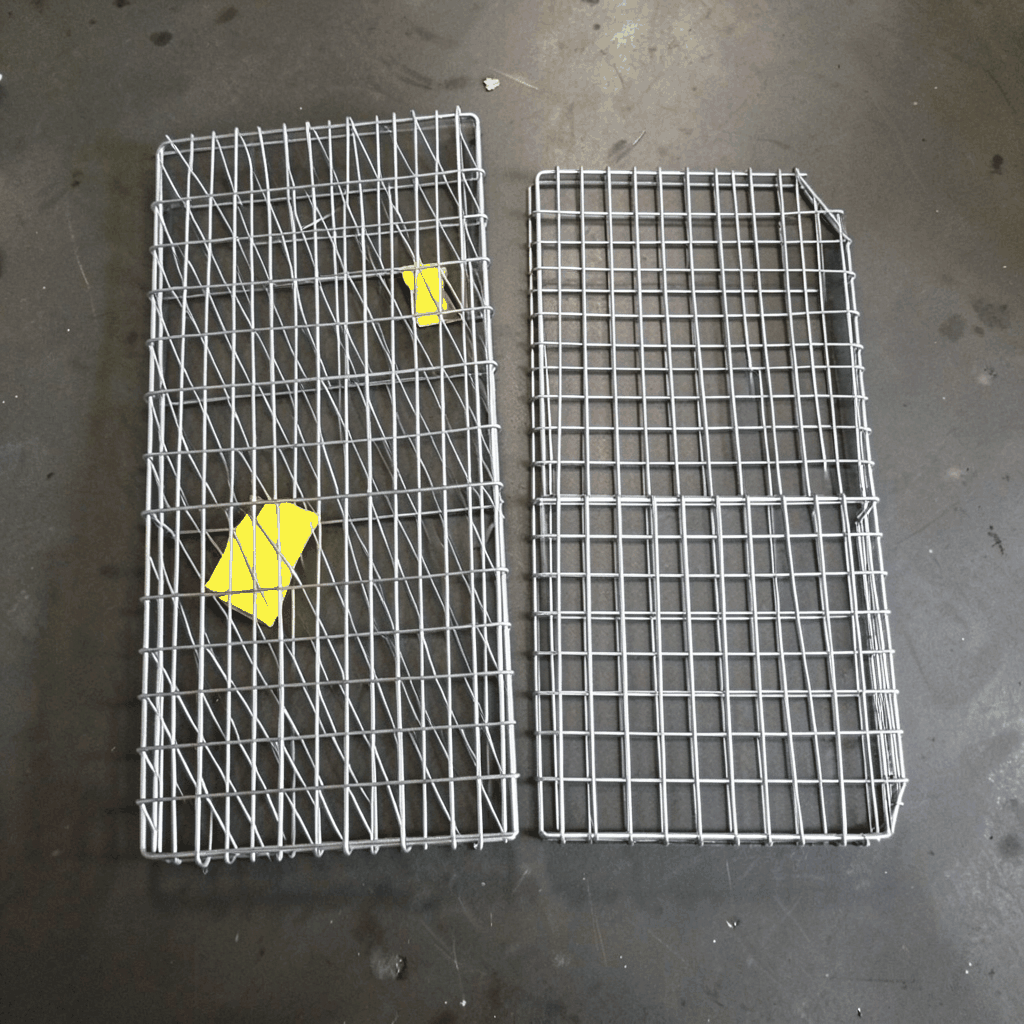
Industrial sites may prioritise impact resistance, fast access and straightforward replacement of damaged panels. A double-leaf gate can provide space for lifting equipment, while removable sections may support transformer replacement without dismantling the complete perimeter. In areas where security is a concern, the design can incorporate anti-climb mesh, concealed fixings and tamper-resistant locks.
Manufacturers that work across related infrastructure can also apply useful fabrication experience from screens, baskets and industrial guards. For example, principles used in municipal wastewater screens can inform decisions about aperture control, corrosion resistance, framed panels and access for cleaning. The final enclosure still needs to be engineered specifically for electrical equipment and site conditions.
Compliance, installation and long-term care
Before fabrication begins, the project team should confirm the transformer manufacturer’s minimum clearances and consult the applicable Australian electrical, building and workplace safety requirements. Standards such as AS/NZS 3000 and AS 2067 may be relevant depending on the installation, voltage level and facility type. Network operators, consultants and local authorities may also impose requirements for gates, signage, earthing and emergency access.
The mesh enclosure should be positioned so authorised workers can reach isolators, inspection points and cable connections without unsafe manoeuvring. Warning signs should remain visible, and locks should be compatible with the site’s access-control system. If the compound is near a public path, the enclosure may need additional impact protection or a layout that prevents people from leaning objects against it.
Regular inspections help preserve both security and appearance. Site operators should check for loose fixings, damaged mesh, corrosion at welds, blocked ventilation, sagging gates and unauthorised modifications. Coastal facilities may benefit from scheduled freshwater washing, while industrial locations may require removal of dust, chemical residue or metal filings. Any damaged coating should be repaired promptly using a compatible system.
A dependable supplier should be able to discuss material grades, mesh aperture, panel dimensions, frame construction, finish, gate hardware and delivery requirements before production. Drawings, samples and a site survey can reduce installation delays and ensure the finished barrier fits the transformer compound accurately. Custom processing is particularly valuable where several enclosures must match across a large Australian development.
Selecting the right enclosure is an investment in safer infrastructure, easier maintenance and a longer service life for valuable electrical equipment. Share the transformer dimensions, location, environmental conditions and access needs with Shuo Ke Wire Mesh Product Technology Co., Ltd. to develop a practical mesh guard, secure gate or architectural screen suited to the project. Contact the manufacturer for material advice, customised fabrication and a quotation for delivery to sites across Australia.