
Selecting Mesh for Erosion Control on Steep Highway Embankments
Steep highway embankments are exposed to concentrated runoff, wind-driven rain, freeze-thaw movement, vehicle vibration, and maintenance traffic. Once surface soil begins to wash away, rills can quickly deepen into gullies, undermining vegetation, drainage channels, and even the shoulder above the slope. A properly selected erosion control mat helps stabilize the face while plants establish a durable root network.
The mesh within an erosion control system must suit the slope angle, soil type, rainfall pattern, hydraulic force, and expected service life. A light biodegradable blanket may be adequate for a mild roadside cut, while a steep, bare embankment beside a highway may require a high-strength synthetic grid, welded wire mesh, expanded metal, or a hybrid reinforced mat.
Mesh selection should therefore be treated as an engineering decision rather than a purely visual or material preference. Stainless steel, galvanized iron, aluminum, and polymer-coated wire each provide different combinations of strength, corrosion resistance, flexibility, and cost. The best solution is the one that remains anchored, supports vegetation, and manages surface water throughout the design life of the project.
Assess the slope before choosing the mesh
Begin with the geometry of the embankment. Slope length, gradient, benches, crest conditions, and the position of the toe determine the forces acting on the mat. A long, uninterrupted slope allows runoff to accelerate over a greater distance, increasing the risk of undercutting and mat displacement. Shorter slopes may need less reinforcement, provided that drainage is well controlled.
Soil composition is equally important. Loose sand and silty fill can be removed quickly through small openings, while cohesive clay may crack, slide, and detach in larger blocks. Gravelly soils can damage lightweight fabrics during installation. The design should also consider whether the embankment was compacted in layers, whether it has experienced settlement, and whether groundwater is emerging through the face.
Rainfall intensity and drainage patterns often govern performance more than average annual precipitation. A slope may appear stable during normal weather but fail when runoff from the road deck, median, or adjacent land is directed toward one point. Identify culvert outlets, curb discharge, swales, and temporary construction drainage before specifying the erosion control mat.
Match mesh structure to hydraulic and mechanical demands
Mesh opening size affects soil retention, vegetation growth, and water movement. Open structures allow seeds and roots to interact with the soil, but openings that are too large may permit fine particles to escape. Very small openings can trap sediment effectively but may reduce contact between vegetation and the soil surface or become clogged by mud.
For many highway applications, the mesh is installed over a geotextile or erosion control blanket. The underlying layer filters soil while allowing water to pass, and the outer mesh supplies tensile restraint. This composite arrangement is useful where the surface needs both filtration and mechanical reinforcement. A plain wire grid placed directly over unstable soil may not prevent piping or loss of fines beneath the grid.
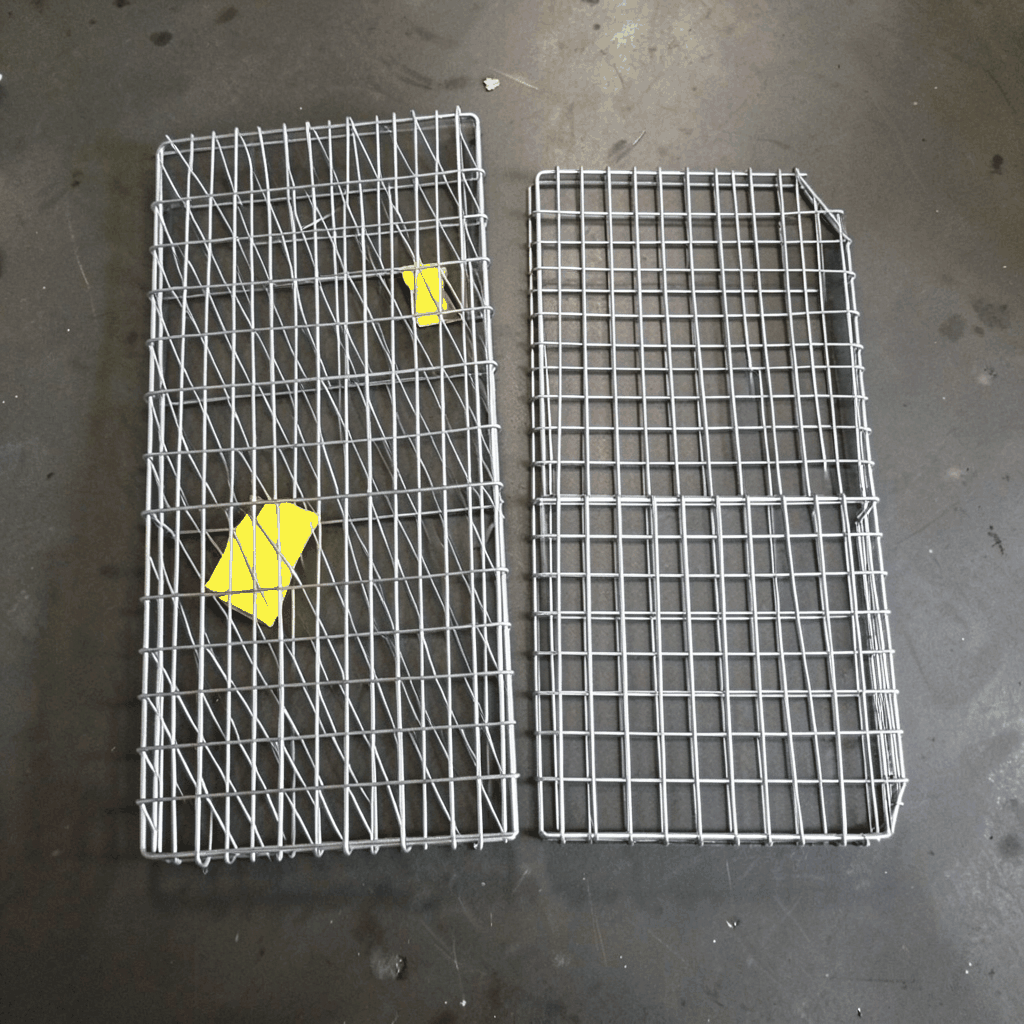
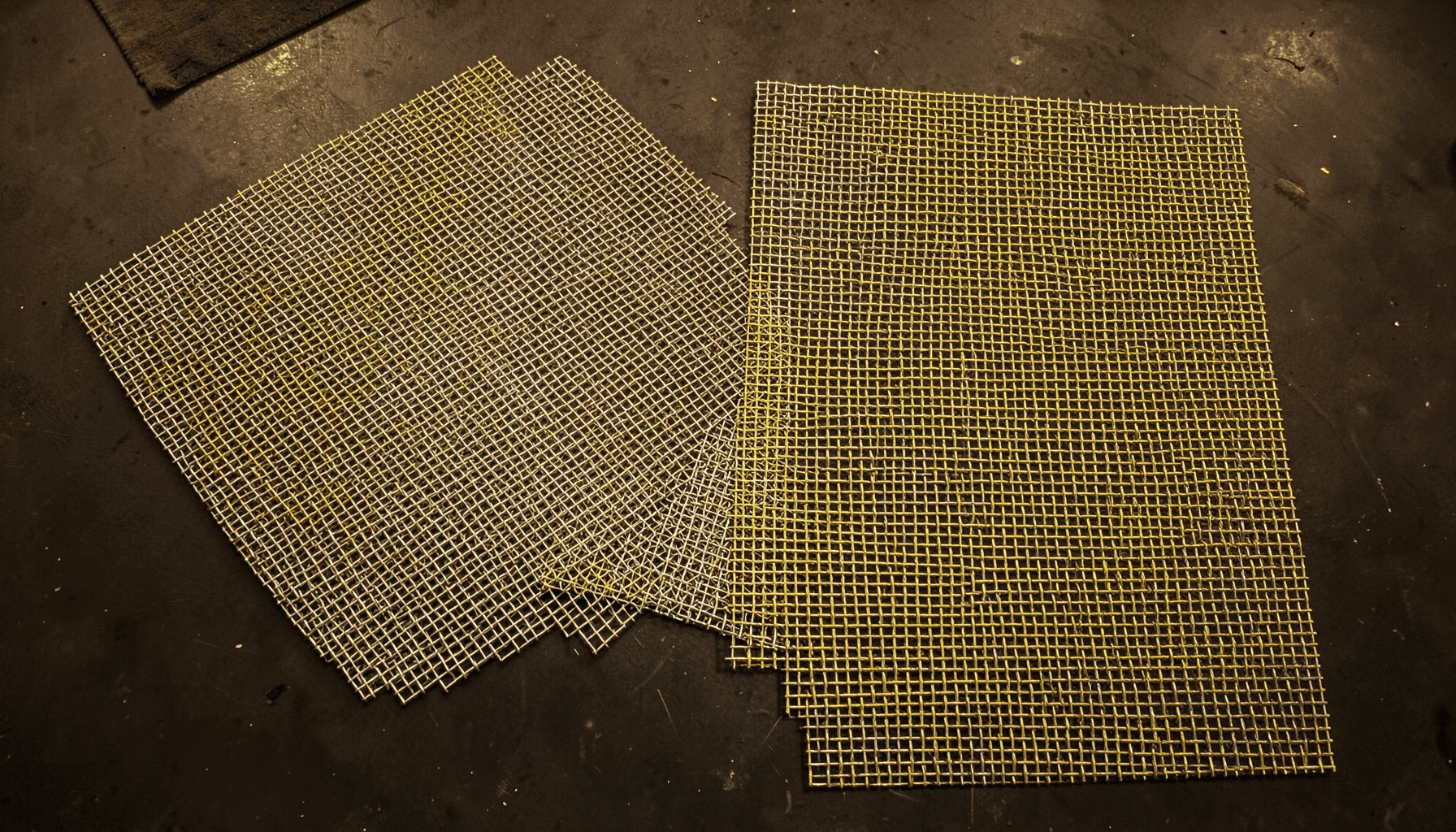
Flexible woven wire can conform well to uneven ground and shallow contours. Welded wire mesh offers consistent openings and strong dimensional stability, which helps maintain the designed profile on long slopes. Expanded metal provides a continuous sheet with diamond-shaped openings and can resist localized tearing, but it may be less forgiving on sharply irregular surfaces. The selected form should match the installation method and the expected movement of the embankment.
Wire diameter, strand strength, weld quality, and edge finishing all matter. A mesh with adequate nominal strength can still fail if the edges unravel, welds break, or fasteners pull through the soil. For projects requiring custom filtration or separation components, manufacturers experienced in square wire mesh fabrication can often adapt opening patterns and wire specifications to precise engineering requirements.
Compare common materials for roadside stabilization
Material choice should reflect the exposure period and the consequences of failure. Galvanized steel is widely used because it combines high tensile strength with reasonable cost. Hot-dip galvanizing generally provides better protection than a thin electroplated coating, particularly where the mesh will remain outdoors through wet seasons.
Stainless steel is appropriate for aggressive environments, including areas exposed to deicing salts, industrial pollutants, coastal air, or persistently wet soils. It costs more than ordinary steel but can deliver a longer service life with less risk of red rust and section loss. Stainless grades should be selected according to chloride exposure and fabrication requirements rather than by appearance alone.
Aluminum is light and naturally corrosion resistant, making it useful where handling weight is a concern. Its lower stiffness and tensile strength may limit its use on severe slopes or where heavy hydraulic loads are expected. Copper has good corrosion resistance and a distinctive appearance, but its cost and potential interaction with runoff chemistry usually make it a specialized option rather than a standard highway material.
| Mesh material | Main advantages | Limitations | Suitable use |
|---|---|---|---|
| Hot-dip galvanized steel | High strength, economical, widely available | Coating can deteriorate in severe chloride exposure | General highway slopes and reinforced mats |
| Stainless steel | Excellent corrosion resistance and long service life | Higher material and fabrication cost | Coastal roads, deicing-salt zones, critical sites |
| Aluminum | Low weight, good atmospheric corrosion resistance | Lower strength and stiffness than steel | Light-duty stabilization and difficult-access sites |
| Polymer-coated steel | Added barrier protection, visible color options | Coating can be cut or damaged during installation | Decorative or moderately aggressive environments |
| Biodegradable fiber mesh | Supports temporary vegetation establishment | Limited service life and lower mechanical resistance | Short-term protection on stable, vegetated slopes |
The table provides a starting point, not a substitute for project calculations. Soil chemistry, coating thickness, wire diameter, and local construction practice can substantially change the expected performance of each material.
Design anchorage and drainage as one system
Even a strong erosion control mesh will fail if water travels beneath it. Before placing the mat, shape the embankment to remove sharp protrusions and fill deep voids. Compact loose areas, repair tension cracks, and establish a stable crest and toe. The surface should be smooth enough for close contact without becoming so compacted that vegetation cannot root.
Anchorage typically includes crest trenches, toe trenches, side overlaps, and intermediate pins or staples. Steep slopes usually require closer fastener spacing than gentle slopes, especially in areas exposed to concentrated flow. Anchors should be long enough to develop resistance in the actual soil, not just hold the mesh within a loose surface layer. In soft fill, additional deadman anchors, anchor trenches, or localized reinforcement may be necessary.
The crest deserves special attention because runoff can enter behind the mesh and lift it away from the slope. A buried top edge, sealed transition, or properly graded diversion channel reduces this risk. At the toe, the mesh should be secured beyond the zone where water may pond or scour. Where the embankment meets a drainage ditch, use a transition detail that prevents flow from passing beneath the system.
Runoff should be intercepted and directed through stable channels, culverts, or energy dissipaters. An erosion mat is not a replacement for hydraulic design. If water is allowed to flow as a concentrated jet across the slope, even stainless steel or heavy welded mesh may become undermined.
Support vegetation without blocking inspection
Vegetation provides long-term surface protection through roots, stems, and leaf cover. The mesh opening should allow seed placement, light penetration, and shoot emergence. A tightly closed surface can protect soil temporarily but may make revegetation difficult. Select seed mixes suited to local moisture, temperature, shade, and maintenance conditions rather than relying on a generic roadside blend.
Biodegradable coir, jute, or straw mesh can be effective when the goal is to protect soil until grass and other plants become established. These materials gradually lose strength and return organic matter to the soil. They are less suitable where the slope is very steep, vegetation establishment is slow, or intense runoff is expected during the first seasons.
Synthetic and metallic meshes provide longer mechanical support. They are valuable on slopes where vegetation may be interrupted by drought, mowing, traffic spray, or seasonal dormancy. However, the mesh should not create a trip hazard, interfere with mowing equipment, trap debris near the roadway, or obstruct inspection of drains and retaining structures.
Inspection access should be included in the layout. Maintenance teams need to see whether fasteners have loosened, sediment has accumulated, vegetation has established, or corrosion has begun at cut edges. Modular panels and clearly defined overlaps can make repairs more efficient than a single complex sheet with difficult-to-reach joints.
Specify manufacturing and quality requirements
A project specification should identify the mesh type, material grade, wire diameter or sheet thickness, opening dimensions, tensile requirements, coating or finish, roll or panel size, and permissible tolerances. It should also describe how the mesh interfaces with geotextiles, blankets, drainage outlets, curb lines, and adjacent structures.
For welded mesh, check weld consistency, panel squareness, edge condition, and resistance to handling damage. For woven mesh, verify weave security, opening uniformity, and resistance to unraveling. Expanded metal should be inspected for consistent strand width and clean edges. Any sharp projections should be removed or oriented away from exposed traffic and maintenance areas.
Corrosion protection must include field-cut edges, fasteners, ties, and repair pieces. A galvanized mesh can lose its protective barrier at cut points if those areas are left untreated. In corrosive locations, stainless fasteners may be preferable, but dissimilar-metal contact should be reviewed to avoid galvanic corrosion.
Manufacturing capability also affects project efficiency. A supplier able to produce custom widths, reinforced edges, special openings, bent sections, and coordinated fasteners can reduce site cutting and waste. Custom fabrication is especially useful where the slope includes drainage channels, utility structures, guardrail posts, or irregular transitions.
Practical recommendations for project teams
- Survey slope geometry, soil conditions, drainage paths, and groundwater before selecting the mesh material.
- Use a geotextile or erosion blanket beneath open mesh when fine soil loss or filtration is a concern.
- Choose galvanized or coated steel for general service, and evaluate stainless steel for salt-laden, coastal, or chemically aggressive environments.
- Design crest, side, toe, and intermediate anchorage together with runoff diversion and energy dissipation.
- Require documented material grades, coating thickness, opening tolerance, weld or weave quality, and field repair procedures.
A reliable embankment system combines the right mesh with stable grading, controlled drainage, suitable vegetation, and disciplined installation. Shuo Ke Wire Mesh Product Technology Co., Ltd. can support projects that require custom metal mesh forms, corrosion-resistant materials, engineered openings, and fabrication adapted to site-specific dimensions.
Share the slope drawings, soil information, exposure conditions, and required service life with a qualified mesh manufacturer. With those details, the mesh can be developed as part of a coordinated erosion control solution rather than treated as an isolated surface product.