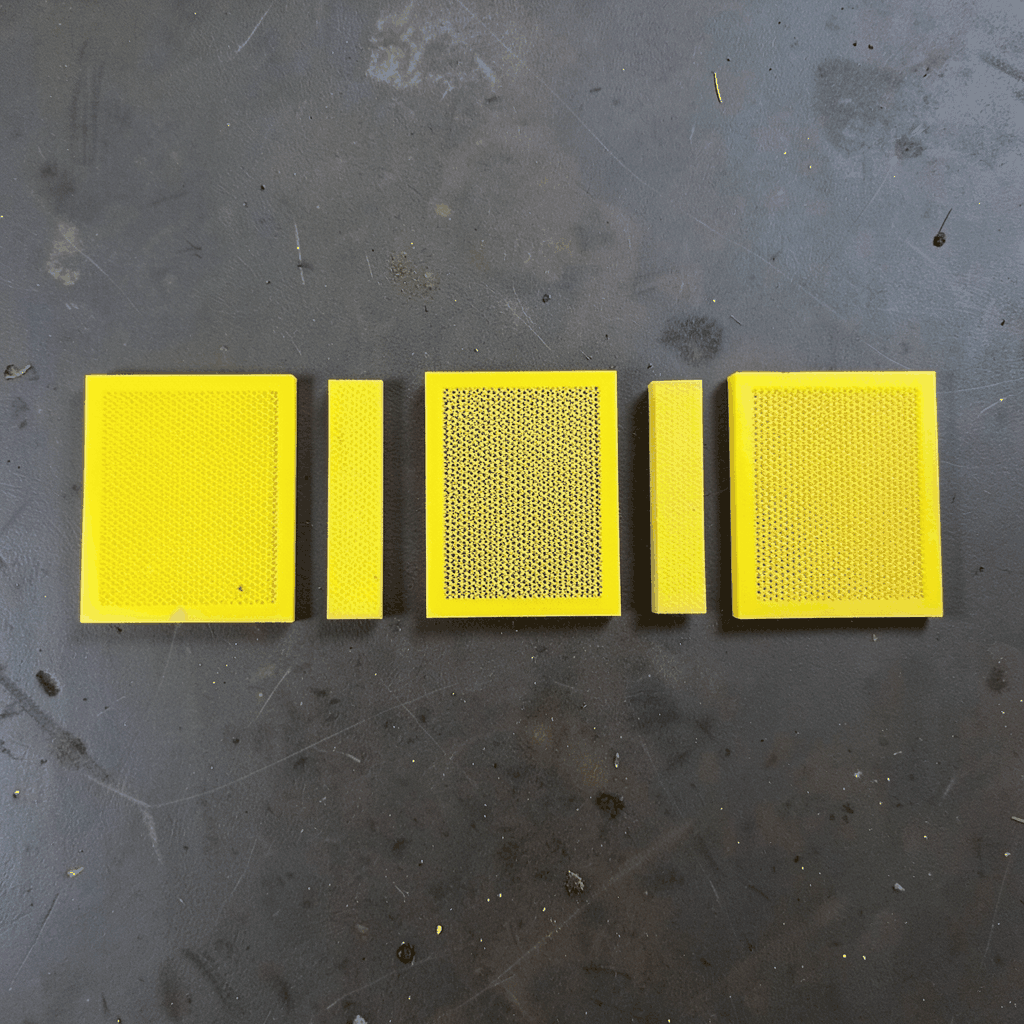
Stainless steel mesh for brewery mash tuns and filtering
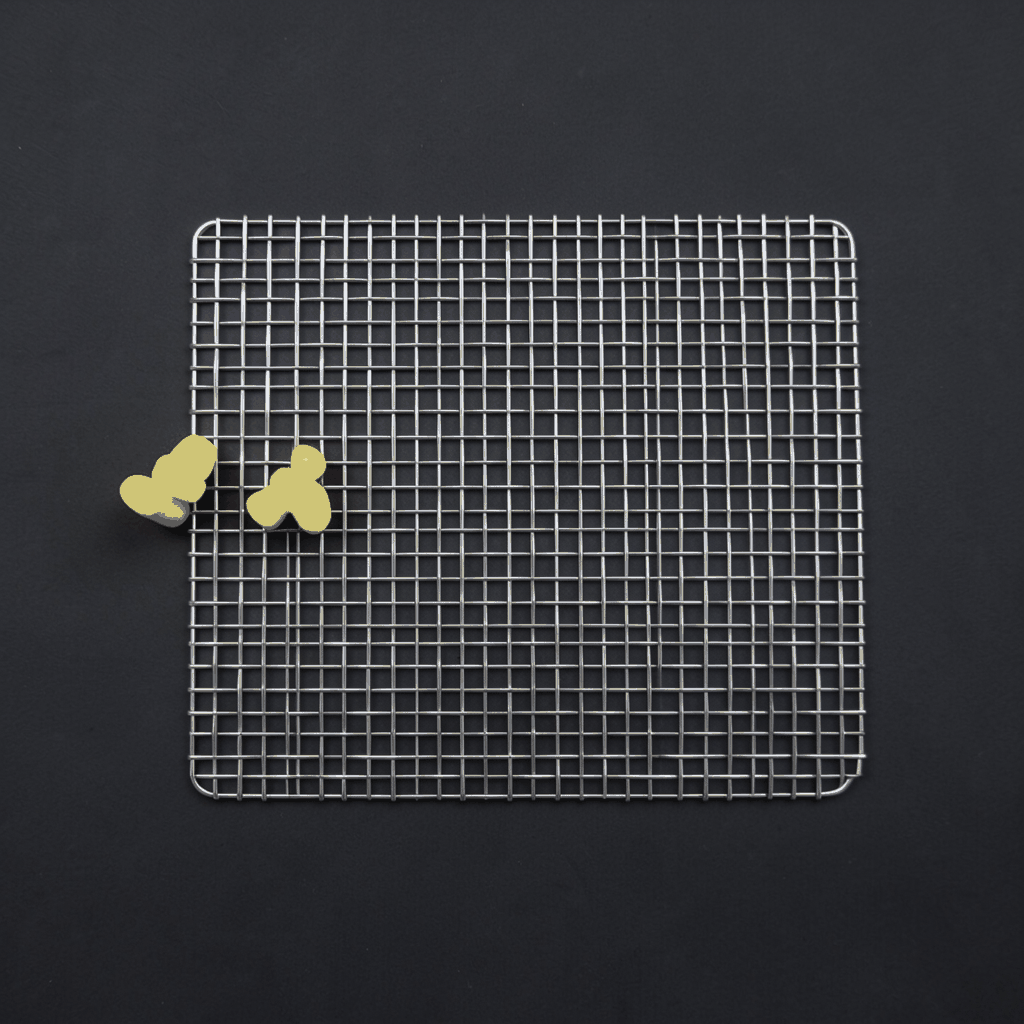
Stainless steel mesh is a practical choice for breweries that need reliable separation, cleanable surfaces and consistent wort flow. In a mash tun, the mesh supports the grain bed while allowing sweet wort to pass through. In other parts of the brewhouse, it can be used for hop filtration, coarse solids removal, basket strainers, false bottoms and process screens.
For Australian breweries, the right specification needs to suit more than the recipe. Water chemistry, cleaning methods, batch size, local fabrication capability and freight distances all affect performance. A small brewery in Tasmania may have different supply priorities from a high-volume operation in Melbourne, Brisbane or Perth, yet both need food-contact materials, accurate openings and a design that stands up to repeated washdowns.
How mesh supports mash separation
A mash tun false bottom creates a controlled boundary between the grain bed and the wort outlet. The mesh must retain husks and fine particles without restricting flow so severely that the bed compacts or the vessel becomes difficult to drain. If openings are too large, grain can pass through and increase turbidity. If they are too small, the system may lauter slowly and become more vulnerable to clogging.
Woven stainless steel mesh is often selected because its regular aperture pattern provides predictable filtration. Perforated sheet can also be used where high rigidity is more important than fine separation, while wedge wire screens offer strong flow performance and a smooth profile that can be useful in larger vessels. The choice depends on grist composition, vessel diameter, false-bottom support and the brewer’s target runoff rate.
Choosing the right stainless steel grade
Stainless steel 304 is suitable for many general brewery applications and offers good corrosion resistance at a sensible cost. Stainless steel 316 or 316L is often preferred where the equipment faces higher chloride exposure, aggressive cleaning chemicals or persistent moisture. The low-carbon 316L grade is also widely used when welding is required, as it helps reduce the risk of corrosion around welded areas.
Material selection should account for the full operating environment rather than the liquid alone. Australian breweries may use bore water, rainwater or mains water with different mineral profiles. Chloride-rich water and residues left after cleaning can increase corrosion risk, particularly in corners, welds and poorly drained housings. A mesh supplier should be able to provide grade information, thickness, wire diameter and, where required, material documentation for quality records.
Aperture size and filtration performance
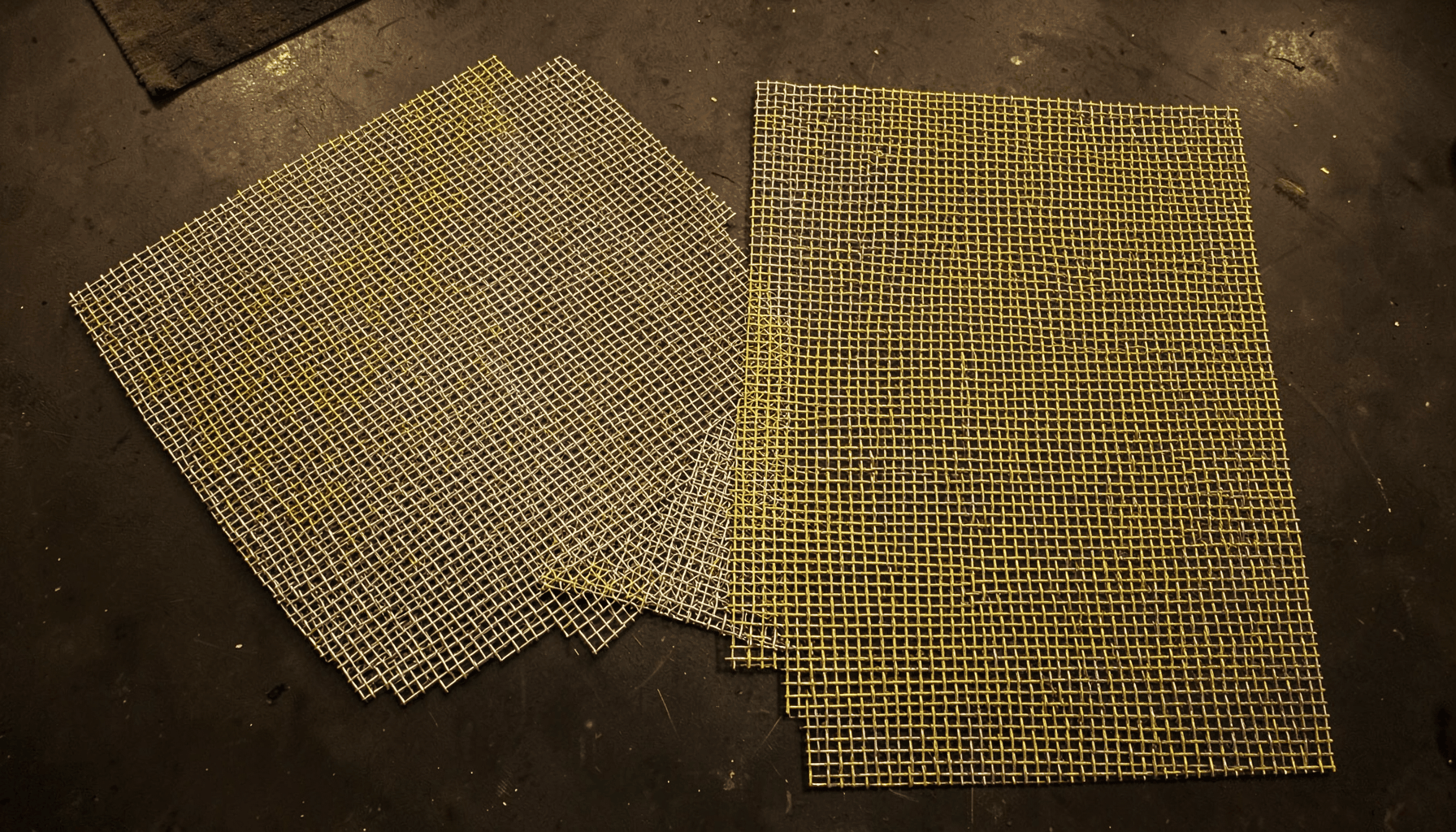
Mesh opening size controls both retention and throughput. It is usually specified by aperture in millimetres, mesh count, wire diameter or a combination of these measurements. Mesh count by itself can be misleading because two screens with the same count may have different clear openings when wire diameters vary. For brewery work, the open area and actual aperture are usually more useful than a simple mesh-number comparison.
Opening shape also affects how solids are held and how liquid travels across the screen. Square openings are common in woven mesh and provide a balanced filtration pattern. Slotted, rectangular or wedge-shaped openings can increase flow in a preferred direction and may reduce blinding in certain filter designs. The relationship between opening geometry, visibility and passage is explained in this guide to mesh opening shape, and the same basic engineering principle applies when designing a process screen.
Designing a practical mash tun screen
A false bottom should cover the vessel evenly and remain stable while the grain bed is stirred, hydrated or rinsed. Unsupported mesh can flex, crease or lift at the edges, allowing grain to bypass the intended filtration area. A framed panel, reinforced disc or modular screen assembly gives the mesh better mechanical support and makes removal easier during cleaning.
Clearance below the screen is equally important. A shallow space may limit drainage, while an oversized plenum can encourage uneven flow and leave wort behind. The outlet position, number of collection points and screen support pattern should be considered together. For a small craft brewery, a removable mesh disc may be the simplest option; larger systems may benefit from several bolted panels that can be lifted by two people rather than requiring special handling equipment.
Cleaning, sanitation and long service life
Brewery screens must tolerate frequent cleaning cycles. Caustic washes, acid treatments, hot water and sanitiser contact can affect metal surfaces if concentration, temperature or rinsing is poorly controlled. Smooth stainless surfaces are easier to inspect and clean, while rough welds, sharp edges and folded mesh can trap organic matter.
Electropolishing or passivation may be worth considering for demanding applications, especially where the screen is welded or repeatedly exposed to chemical cleaning. The finished assembly should have no loose wires, burrs or crevices that could shed particles into the wort. Operators should also avoid dragging hard tools across the screen, as scratches can create places for deposits to accumulate.
A sensible cleaning routine includes visual inspection under strong light, checking for blocked openings and confirming that the mesh remains firmly seated. This matters in busy venues around Sydney and Melbourne, where a screen may be used through several production cycles each week. A few extra minutes spent rinsing and drying the component can prevent a small blockage from becoming a full brew-day problem.
Mesh for brewery filters and process baskets
Beyond the mash tun, stainless steel mesh is useful for hop baskets, inline strainers, yeast collection screens, transfer filters and ingredient containment baskets. Coarser mesh can catch hop material and larger solids, while finer grades can polish liquid before transfer. The best grade depends on whether the goal is separation, protection of a pump, reduction of sediment or final clarification.
A filter basket needs sufficient open area to prevent rapid pressure build-up. If the basket is too fine for the solids load, it may blind quickly and become difficult to clean. A larger surface area, deeper basket or staged filtration arrangement can often achieve better results than simply choosing a finer opening. For this reason, mesh dimensions should be assessed alongside pump capacity, flow rate, batch volume and the expected solids concentration.
Measurement equipment helps turn these decisions into repeatable process controls. Breweries comparing flow, pressure, temperature or dissolved oxygen can review brewery measurement tools before finalising a filtration setup. Reliable readings make it easier to identify whether slow runoff is caused by the screen, the grain bed, the pump or the cleaning process.
Fabrication and supply for Australian breweries
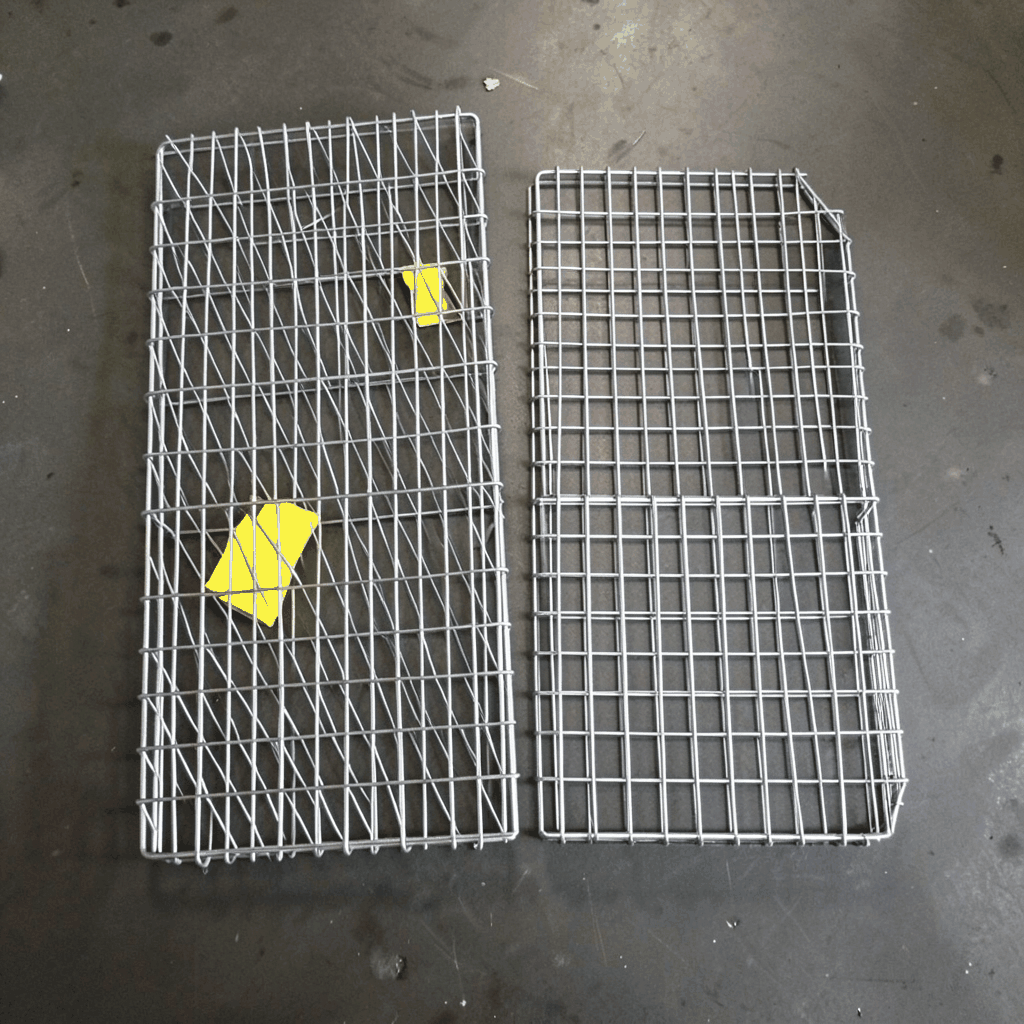
Custom stainless steel mesh components can be manufactured as discs, cylinders, panels, baskets or framed assemblies. Useful details for a quotation include vessel diameter, outlet arrangement, operating temperature, mesh grade, aperture, wire diameter, frame material, edge treatment and connection method. Drawings or clear measurements reduce the risk of receiving a screen that fits the nominal diameter but cannot be installed or removed easily.
Australian buyers should also plan for freight and lead times. A brewery in Perth or a regional Queensland town may need to allow extra time for transport compared with a customer near Sydney or Melbourne. Imported mesh can be cost-effective for standard sizes, while local processing may be preferable for urgent replacement parts or unusual fittings. Confirming packaging, corrosion protection and delivery conditions is especially useful when equipment will travel long distances or sit in a warehouse before installation.
The local market includes independent breweries, contract producers, brewpubs and larger beverage manufacturers. Each has different purchasing priorities, but all benefit from clear documentation and practical communication. Measurements in millimetres, drawings showing tolerances and a straightforward discussion of cleaning chemicals usually prevent the “she’ll be right” approach from causing expensive rework. Suppliers that can cut, weld, edge and finish stainless mesh under one process may simplify procurement.
Selecting a dependable mesh supplier
A suitable supplier should understand both the mesh specification and the brewery application. Ask for samples when the opening size is critical, particularly if the screen will separate fine grain particles or protect a pump. The sample should be checked for aperture consistency, wire condition, flatness and compatibility with the proposed frame or gasket.
It is also worth confirming whether the product is made from the stated stainless grade and whether the supplier can provide inspection records, certificates or batch information. Food-contact applications call for traceability and clean construction, not just an attractive surface. Welds should be continuous where needed, corners should drain properly and the finished component should be free from oil, scale and manufacturing debris.
Shuo Ke Wire Mesh Product Technology Co., Ltd. produces stainless steel mesh and customised metal mesh components for industrial and architectural uses. Its capability across cutting, forming and fabricated mesh solutions can support brewery requirements ranging from replacement false bottoms to purpose-built filtration baskets. A clear brief covering vessel size, mesh opening, material, quantity and operating conditions gives the production team the information needed to recommend a workable design.
When planning a new mash tun or upgrading an existing filter, start with the actual process problem: slow runoff, grain carryover, difficult cleaning, pump protection or inconsistent transfer quality. Then match the mesh opening, material and support structure to that problem instead of selecting a screen by mesh count alone. Contact Shuo Ke Wire Mesh Product Technology Co., Ltd. for a stainless steel mesh specification tailored to your brewery, and provide your vessel drawing or measurements for a practical quotation.