The benefits of brass mesh in decorative lighting fixtures
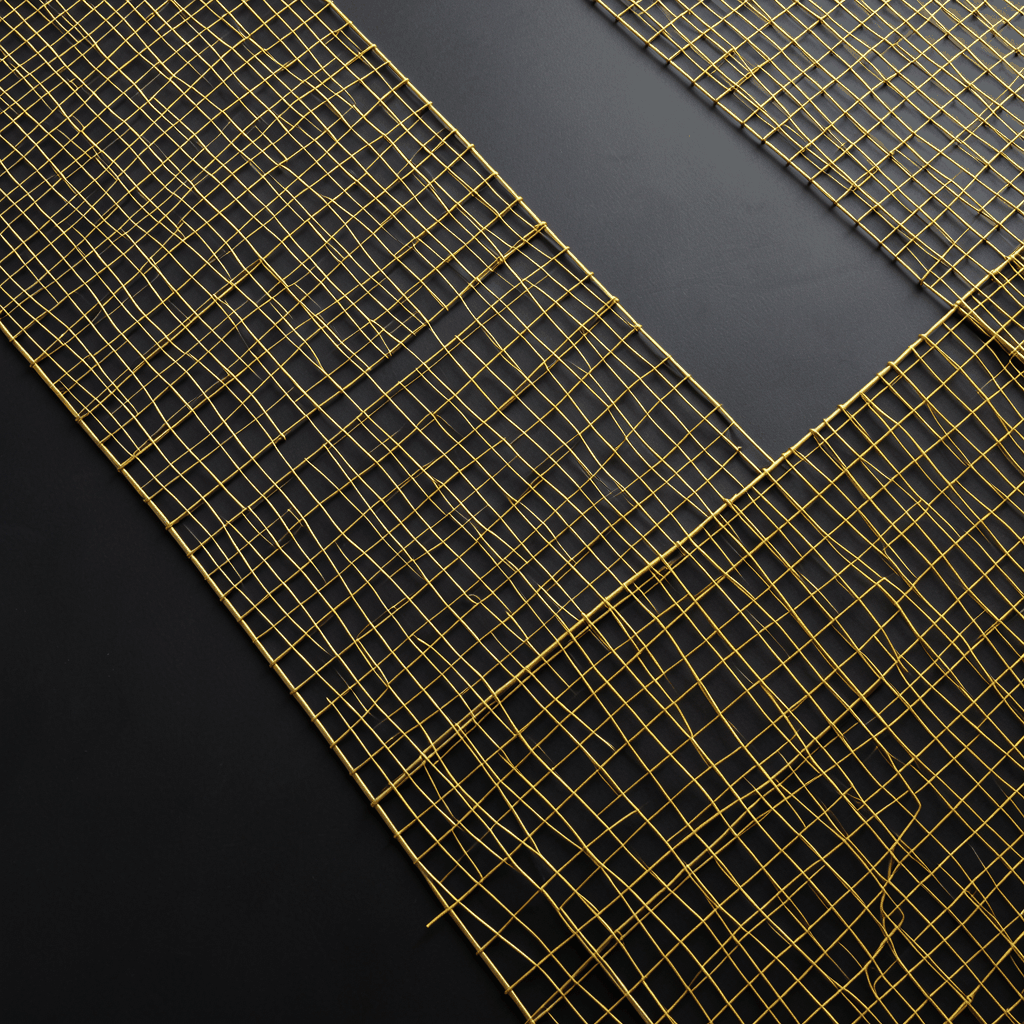
Brass mesh brings a warm metallic character to decorative lighting that is difficult to achieve with painted steel or standard aluminium. Its golden tone can soften a contemporary interior, add richness to a heritage setting, or provide a refined contrast against concrete, timber, stone and glass. When placed around a light source, the woven or expanded pattern creates a changing relationship between glow, shadow and surface.
For designers, the material offers more than an attractive finish. Brass can be formed into pendant shades, wall sconces, ceiling screens, table lamps, feature columns and illuminated partitions. The mesh controls the view of the lamp while allowing light to pass through, helping a fixture feel visually substantial without making a room appear heavy.
This flexibility suits Australian commercial and residential projects, from a Melbourne restaurant fit-out to a coastal home near Newcastle. It also works well in hospitality venues, retail shopfronts, apartment lobbies and public interiors where lighting needs to function as a design feature rather than a concealed utility.
Shuo Ke Wire Mesh Product Technology Co., Ltd. manufactures and processes metal mesh in brass, stainless steel, aluminium, iron and other alloys. With made-to-order dimensions, patterns, edges and finishes, a brass mesh lighting component can be developed around the required atmosphere, installation method and practical demands of the project.
Why brass works with light
Brass has a naturally warm colour that complements the visual temperature of many modern LED lamps. A warm-white light source, usually around 2700K to 3000K, can enhance the material’s honey, bronze or muted gold appearance. Cooler light can create a sharper, more architectural effect, particularly when the brass has a brushed, satin or darker finish.
The open area of the mesh determines how much light escapes directly and how much is filtered through the pattern. Fine mesh produces a delicate veil around a globe, while a larger opening creates stronger bands of light and shadow. This makes brass suitable for both gentle ambient lighting and dramatic feature illumination.
Unlike a solid metal shade, mesh can reduce the sense of enclosure around a lamp. It helps distribute a glow through the room while retaining enough screening to hide glare from the viewer’s normal sightline. The result is useful above dining tables, reception desks and kitchen islands, where a light needs to be decorative without becoming uncomfortable to look at.
A material with visual depth
Brass changes as it interacts with its surroundings. A polished surface reflects highlights and can feel bright and luxurious, while a brushed finish gives a calmer, more contemporary appearance. A patinated or antiqued treatment adds depth by allowing darker tones to sit within the weave, making the pattern visible even when the fixture is switched off.
This visual variation is valuable in interiors that are experienced throughout the day. Natural light may reveal the mesh pattern in the morning, pendant illumination may create a stronger glow at night, and reflected colours from timber or stone can subtly alter the appearance of the brass. The fixture therefore contributes to the room even when it is not operating.
Mesh also creates attractive shadow patterns on nearby walls and ceilings. The effect depends on the distance between the fixture and the surface, the geometry of the openings and the position of the light source. A designer can use this relationship to produce a quiet texture in a bedroom or a more energetic pattern in a bar, foyer or retail environment.
Design flexibility for Australian interiors
Australian architecture often combines robust natural materials with restrained detailing. Brass mesh can sit comfortably beside spotted gum, recycled brick, polished concrete and terrazzo, making it a practical choice for homes and commercial interiors across Sydney, Melbourne, Brisbane and Perth. It can bring warmth to minimalist spaces without requiring ornate decoration.
In hospitality, the material is especially effective for creating a recognisable visual identity. A series of brass pendants above a banquette, a mesh drum light over a communal table or a backlit screen behind a bar can establish atmosphere while helping divide zones. For a local café or restaurant, a custom fixture can also reinforce the brand palette without relying on excessive signage.
Residential applications include stairwell lights, bedside pendants, kitchen island fixtures and entryway lanterns. In apartment projects, brass mesh can provide a premium detail in common areas while remaining lighter in appearance than a solid metal enclosure. Strata and multi-residential designers can specify consistent finishes across corridors, lobbies and shared lounges.
The material also suits Australia’s renovation culture, where older homes are often updated with contemporary fittings. A brass mesh shade can bridge original timber joinery and new electrical hardware, giving a refreshed room a considered connection between old and new.
Performance in coastal and busy settings
Brass is a durable engineering material, but its finish should be selected according to the environment. Homes and venues near the coast, including those around the Gold Coast, Wollongong and Adelaide’s beaches, may expose fittings to salt-laden air and higher humidity. A clear protective coating can help preserve the initial colour, while an intentionally aged finish can make gradual tonal change part of the design.
Indoor placement remains important. Decorative brass mesh is generally best protected from direct weather, persistent condensation and aggressive cleaning chemicals. In a bathroom, covered alfresco area or hospitality kitchen, the specification should account for moisture, grease and cleaning routines rather than relying on appearance alone.
Busy public spaces also benefit from mesh because it resists the fragile impression associated with glass or delicate decorative plastics. Correctly formed edges, secure frames and suitable mounting hardware help a fixture withstand routine contact during cleaning and maintenance. A well-made shade should be easy for a facilities team or qualified tradie to remove, inspect and reinstall.
The electrical system still requires professional attention. Brass mesh is conductive, so it must be kept clear of live electrical parts and properly separated from wiring, lamp holders and drivers. Australian projects should use compliant components and have installation checked by a licensed electrician in line with applicable AS/NZS requirements and the National Construction Code.
Engineering the fixture
The best decorative result begins with the lighting system rather than the mesh alone. Designers should establish the lamp type, heat output, driver location, access requirements and desired glare control before selecting the opening size. LED sources are usually preferred because they produce less heat and offer efficient dimming, colour temperature options and long service life.
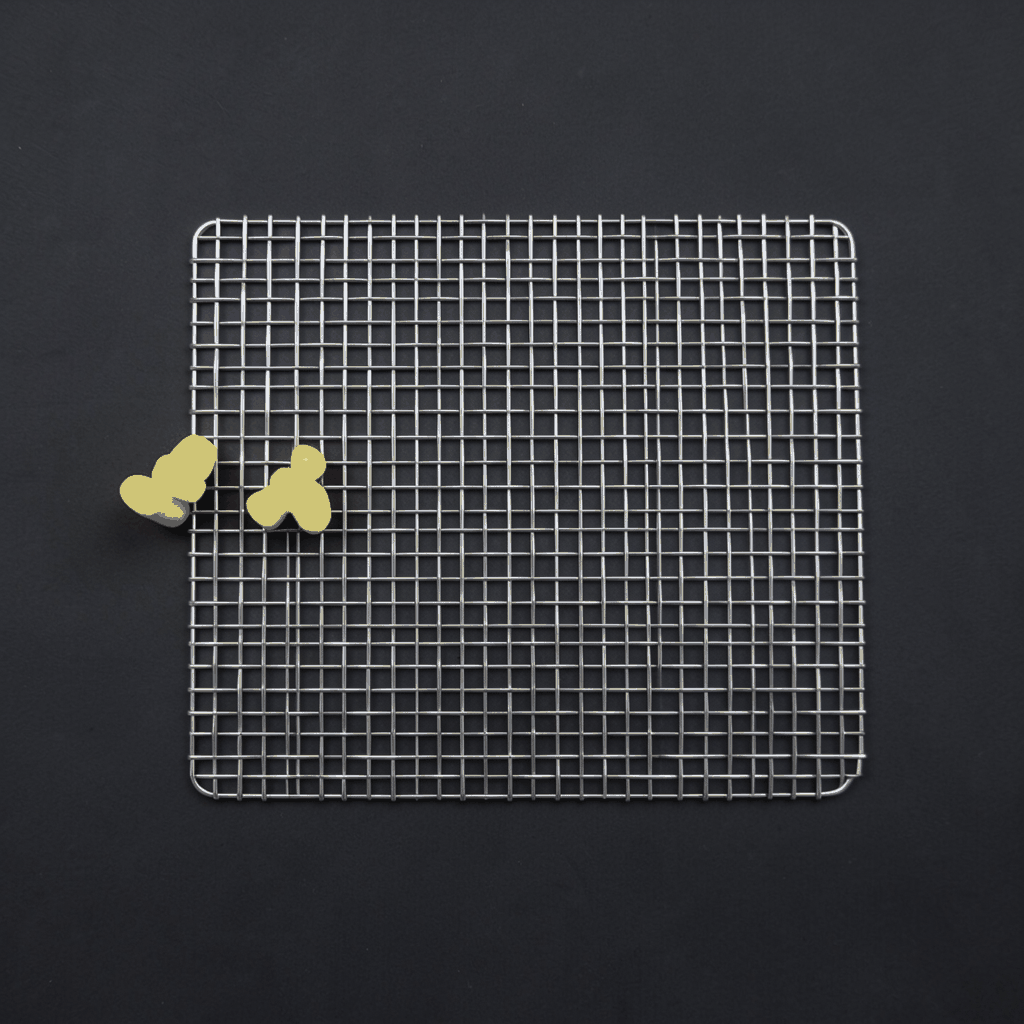
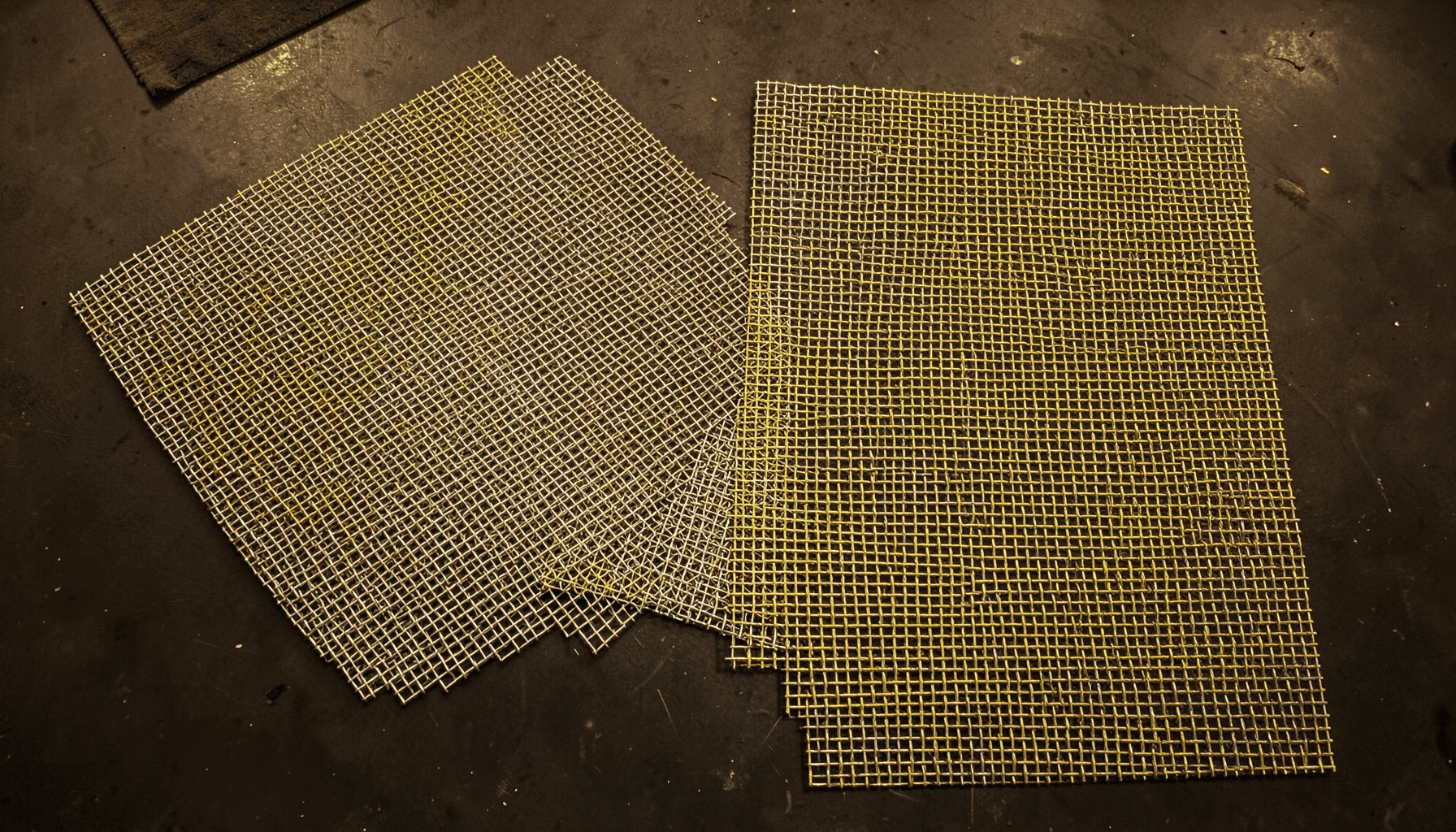
The mesh can be supplied as woven wire, expanded metal or another engineered pattern. Woven brass wire creates a softer, textile-like appearance and can be shaped into curved shades. Expanded sheet gives a more graphic, architectural look and may provide greater rigidity for screens or large panels. The choice affects weight, transparency, shadow definition and fabrication cost.
A frame, rolled edge or reinforcing ring may be required to maintain the form of a pendant or wall fitting. For larger installations, the mesh should be supported at suitable points so it does not sag or vibrate. Tolerances matter too: a small difference in diameter can affect how a shade sits around a lamp or aligns with a ceiling canopy.
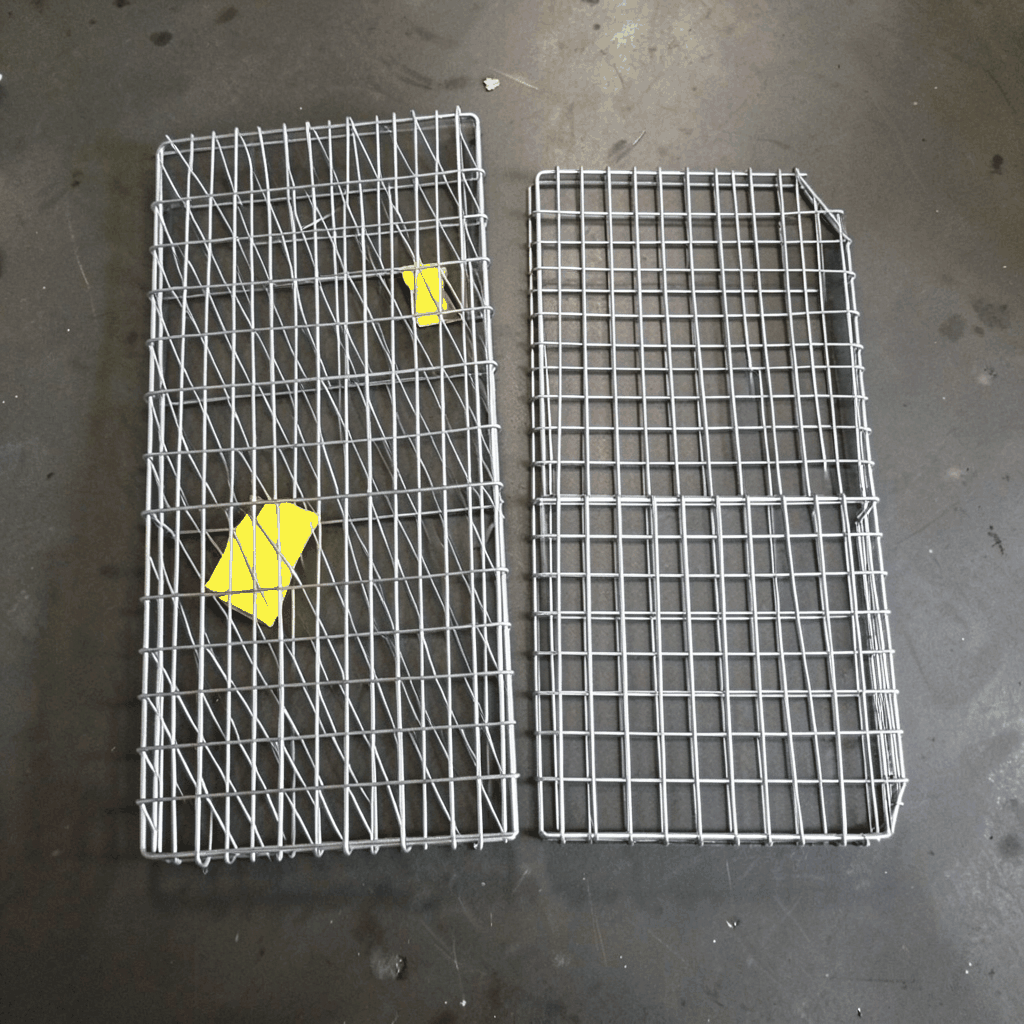
Metal fabrication experience is useful when a project involves repeated components, unusual profiles or integrated mounting parts. The same attention to cutting, forming, joining and finishing used for custom mesh baskets can support consistent lighting components, even though a decorative shade has different visual and electrical requirements.
Care and long-term appearance
Brass does not need complicated maintenance when the correct finish is chosen. Dust can usually be removed with a soft, dry cloth or a low-pressure brush attachment. If a deeper clean is necessary, a lightly damp cloth and a mild, non-abrasive solution are safer than harsh polish or scouring pads that may alter the surface.
A lacquered finish is appropriate when the design calls for a stable, bright appearance with minimal handling. Unlacquered brass is more responsive to its surroundings and will develop a natural patina over time. This ageing process can be attractive in restaurants, heritage refurbishments and residential projects where a lived-in finish is preferred.
Cleaning schedules should be discussed with the building operator before final specification. A hotel foyer, shopping centre or public venue may be cleaned far more frequently than a private dining room. The finish, mesh gauge and access method should reflect that difference so the fitting remains practical after installation.
Replacement access is another important detail. Lamps, drivers and mounting points should be reachable without dismantling an entire ceiling feature. Clear installation drawings, sample approvals and a physical prototype can prevent costly changes once the project reaches the fit-out stage.
Choosing mesh for the desired atmosphere
There is no single brass mesh specification that suits every decorative light. The right option depends on the balance between visibility, brightness, shadow, weight and maintenance. A compact pendant may use a fine, closely spaced mesh, while a large lobby installation may need a stronger, more open pattern to prevent excessive visual mass.
A useful specification process includes:
- Select the light source and colour temperature before approving the brass finish.
- Compare fine, medium and open mesh samples under the actual proposed lamp.
- Decide whether the brass should remain bright, receive a protective coating or develop a natural patina.
- Confirm frame details, edge protection, suspension points and access for lamp or driver replacement.
- Check clearances, heat management and electrical separation with the project electrician.
- Review cleaning methods and environmental exposure, particularly for coastal or hospitality locations.
- Approve a full-size prototype when the fixture is large, repeated across a project or central to the interior concept.
Samples should be reviewed in the intended space rather than under a showroom light alone. A brass shade that looks subtle in a warehouse may produce stronger reflections above a polished stone counter. Likewise, a pattern that appears dense in a small sample may become pleasantly transparent when formed into a larger pendant.
Shuo Ke can support customised metal mesh requirements for decorative, architectural and industrial applications. Project information such as dimensions, mesh type, quantity, finish, drawings and installation conditions helps the manufacturer assess the most suitable production approach and provide a consistent result across multiple fixtures.
Brass mesh gives lighting designers a practical way to combine illumination, texture and material identity. Its warm reflection, adaptable patterns and capacity for custom fabrication make it suitable for Australian homes, hospitality venues, retail interiors and public buildings. Specify the mesh alongside the lamp, structure and maintenance plan, then develop a sample that can be judged in real conditions before production begins.