The Durability of Stainless Steel Mesh in Pool Fencing Applications
A pool fence must remain safe, stable and visually dependable through years of sunlight, rain, chlorine exposure and daily use. Stainless steel mesh is well suited to this environment because it combines corrosion resistance with a precise, open structure that can provide security without making a pool area feel enclosed.
For Australian homes, apartment developments, hotels and public recreation facilities, the right fencing system must do more than look attractive on installation day. Material grade, wire diameter, mesh opening, frame construction, drainage, fixings and maintenance all influence long-term performance. A carefully engineered stainless steel barrier can support both practical pool safety and the clean architectural style valued in the local market.
Why Stainless Steel Suits Pool Areas
Stainless steel contains chromium, which forms a thin passive film on the surface when exposed to oxygen. This film helps protect the metal from rust and can reform after minor surface damage. The result is a durable material for outdoor barriers, especially where ordinary painted steel may eventually blister, chip or require recoating.
The open pattern of wire mesh also offers useful practical benefits. Wind can pass through the barrier rather than exerting the same solid-panel load, while sightlines across the pool remain clear. Parents and carers can monitor children more easily, and designers can preserve views in compact backyards, rooftop pools and landscaped commercial areas.
Material selection still matters. Grade 304 stainless steel is widely used for general outdoor applications, while 316 or 316L stainless steel provides greater resistance to chloride exposure and is often preferred near the coast or where pool chemicals may frequently contact the barrier. A manufacturer can assess the site and recommend a suitable grade rather than treating every project as identical.
How Australian Conditions Affect Service Life
Australia exposes outdoor metalwork to demanding combinations of heat, ultraviolet radiation, wind, salt and seasonal rainfall. A pool in Brisbane may face humid subtropical conditions, while a coastal property in Sydney, Perth or the Gold Coast may receive airborne salt from the ocean. Even inland locations can experience intense summer heat and irrigation overspray that leave mineral deposits on exposed surfaces.
Stainless steel generally handles these conditions well, but “rust-free” should not be interpreted as maintenance-free. Salt particles, dust and chlorine residue can settle on the surface and concentrate in crevices. If deposits remain wet for long periods, tea staining or localised corrosion may develop, particularly on lower-grade stainless steel or around contaminated fasteners.
Australian outdoor entertaining also means that pool areas often serve as extensions of the living space. Fencing may be exposed to frequent contact, children’s activity, furniture movement and garden maintenance. A robust mesh panel, properly tensioned or securely framed, is less likely to deform than a lightweight decorative screen that has not been designed for regular impact.
Safety And Compliance In Australia
Pool fencing in Australia is governed by state and territory requirements, with local authorities applying rules that can vary according to the pool’s age, location and surrounding layout. AS 1926.1 is a key reference for swimming pool safety barriers, but property owners should confirm the applicable requirements with their council, certifier or licensed pool safety professional.
Common considerations include minimum barrier height, restricted openings, climbable zones, boundary separation, gate swing direction and the use of self-closing, self-latching hardware. A mesh pattern must be assessed as part of the complete barrier. The wire itself may be strong, yet an unsuitable opening, foothold, adjacent planter or projecting frame component could affect compliance.
The finished installation should be checked against the approved design rather than judged by appearance alone. In Queensland, for example, pool safety inspections and certificates form an established part of residential property management. Similar attention is needed for strata buildings, hotels and childcare facilities in Melbourne, Adelaide, Canberra and other cities, where shared-pool responsibilities may involve owners, managers and facility operators.
Selecting Mesh, Frames And Fixings
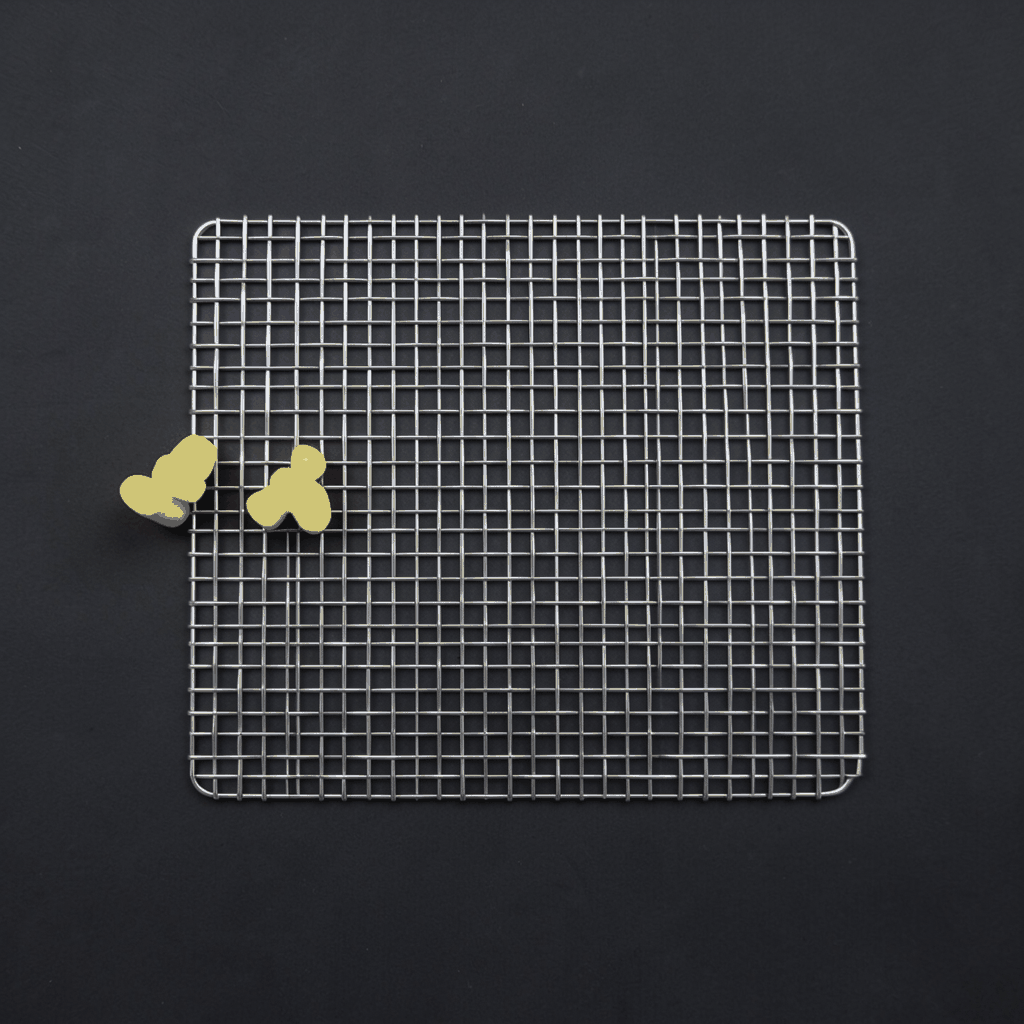
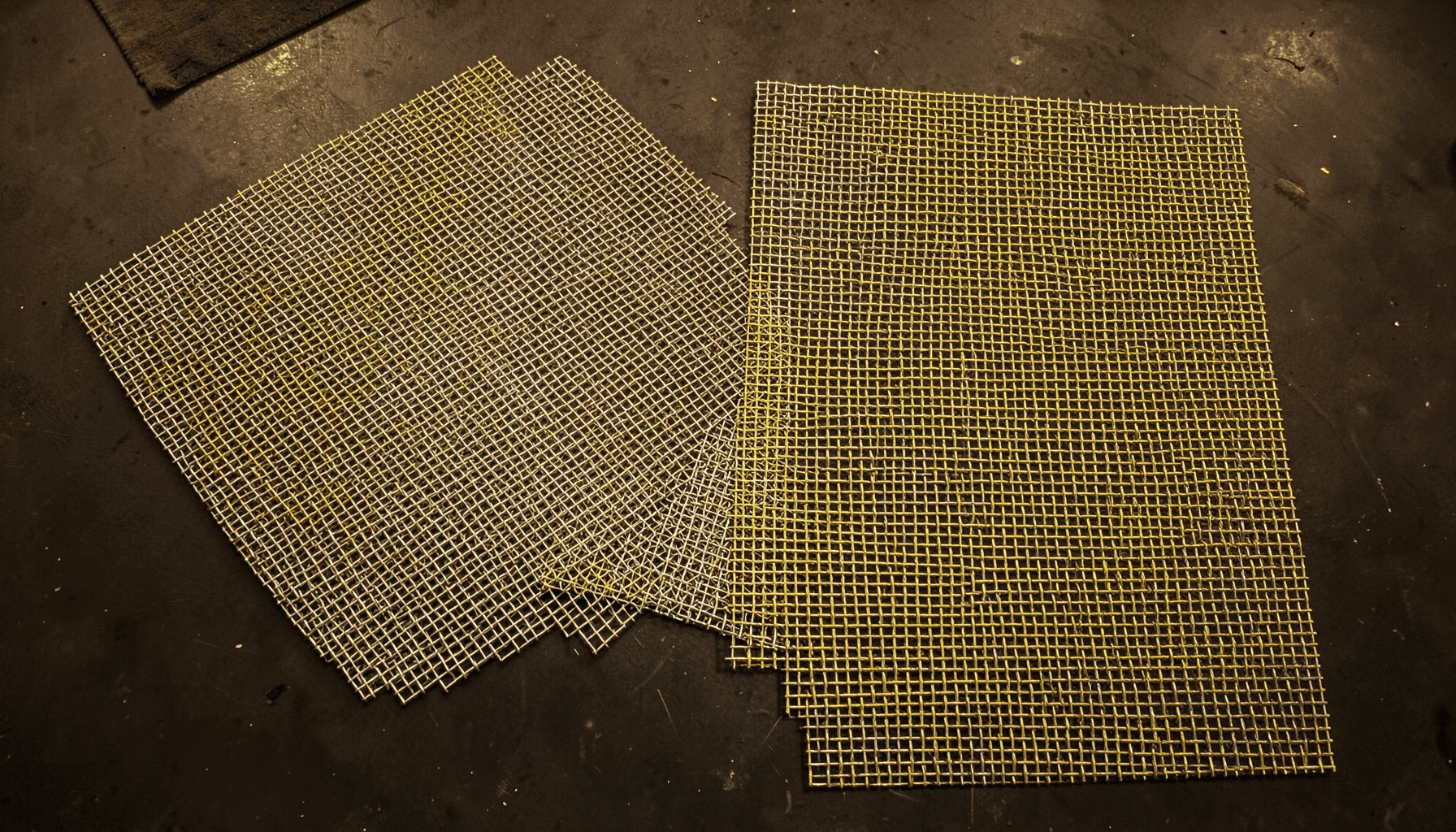
The mesh aperture should be chosen with safety, visibility and structural performance in mind. Small openings can reduce opportunities for footholds and improve the barrier’s resistance to accidental intrusion, while a carefully selected woven or welded pattern can provide a refined architectural appearance. Wire thickness and panel dimensions should be matched to span length, support spacing and expected use.
Frames deserve equal attention. Stainless steel tube, flat bar or angle sections can create a rigid perimeter, but joints must be fabricated cleanly and finished so they do not trap water or create sharp edges. Where stainless mesh is fixed to aluminium, galvanised steel or another dissimilar metal, isolating washers and compatible connection details may help reduce galvanic corrosion.
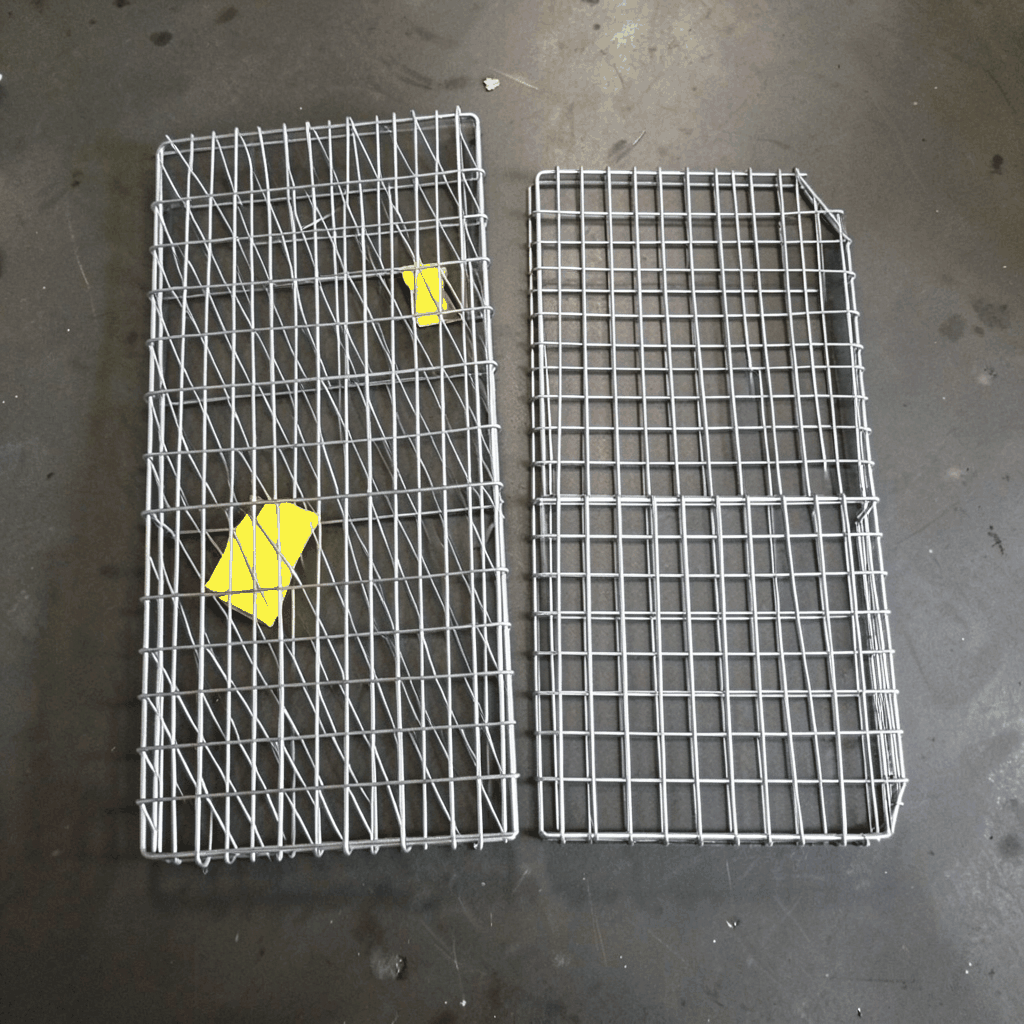
A secure gate is a critical part of the system. Hinges, latches and posts must retain alignment after repeated operation, and the gate should close reliably without being pushed by hand. Although pool gates have different safety requirements from industrial access systems, the value of accurate fabrication is shared; examples of folding mesh gates show how panel movement, clearances and hardware coordination should be considered together.
Practical Selection Checklist
A project brief should identify the site environment and operating conditions before manufacturing begins. Useful details include:
- Distance from the ocean, saltwater spray or chlorinated equipment
- Required barrier height, opening limits and gate arrangement
- Preferred finish, mesh pattern and visibility across the pool
- Ground type, fixing method and expected wind exposure
The specification should also distinguish between the appearance of the mesh and the performance of the complete assembly. Confirm the proposed stainless grade, wire diameter, frame material, weld finish, fastener type and drainage provisions before approving shop drawings.
For long-term value, check these practical details as well:
- Whether corners and welds are smooth and free from sharp projections
- Whether posts can be aligned accurately on concrete, paving or decking
- Whether dissimilar metals are separated at contact points
- Whether replacement hardware can be sourced for future servicing
Cleaning And Inspection For Long-Term Performance
Routine washing is one of the simplest ways to preserve stainless steel around a pool. Fresh water can remove airborne salt, dust and chemical residue before they dry onto the surface. A soft cloth or non-abrasive brush with a mild detergent is generally suitable for ordinary cleaning, followed by thorough rinsing and drying where practical.
Harsh cleaning products can damage the passive surface. Chloride-rich cleaners, wire brushes made from ordinary steel, abrasive pads and strong acids may leave marks or introduce contamination. Cleaning should follow the fabricator’s recommendations, with extra care around welds, threaded connections, hinges and latch mechanisms.
Inspections are particularly important before the Australian summer, when pool use increases and outdoor entertaining becomes more frequent. Look for loose posts, damaged mesh, movement at connections, surface staining, gate sagging and unreliable self-closing action. Nearby plants, outdoor furniture and stored equipment should also be checked because they can create climbing aids or interfere with the barrier.
Design And Installation Details That Matter
A durable barrier begins with accurate site measurement. Sloping ground, retaining walls, drainage channels, paving joints and existing boundary structures can all affect panel heights and post positions. On a renovation in an older Sydney backyard or a narrow Melbourne courtyard, custom-fabricated sections may produce a safer and cleaner result than forcing standard panels into irregular spaces.
Drainage should be considered at the base of every post and frame. Water trapped around a connection can accelerate staining or corrosion, even when the main mesh is highly resistant. Correct anchoring is also essential: fixings must suit the substrate, whether it is reinforced concrete, masonry, stone, timber decking or a steel support structure.
Installation quality has a direct effect on durability. Panels that are over-tensioned may distort, while loose sections can rattle and place extra stress on connections. The finished barrier should feel rigid under normal contact, maintain consistent clearances and allow gates to operate without binding. For commercial sites such as resorts, aquatic centres and apartment complexes, access planning should include service gates and controlled maintenance entry without compromising pool security.
Where Stainless Mesh Creates Design Value
Stainless steel pool fencing can support a restrained contemporary aesthetic while allowing landscaping, water features and architectural materials to remain visible. A polished finish can reflect light around a bright pool, whereas a satin or brushed finish usually offers a softer appearance and can reduce the visibility of minor handling marks. The appropriate finish depends on the building style and the level of exposure.
Mesh is also useful where a solid barrier would feel visually heavy. In a compact Brisbane courtyard, an open stainless panel can separate the pool from a terrace without blocking airflow. Around a coastal Western Australian property, a carefully selected grade and finish can complement stone, concrete and timber while delivering a more resilient alternative to painted mild steel.
For commercial and municipal projects, consistency is often as important as appearance. Repeated panel modules, concealed or coordinated fixings and clean transitions at corners can help a long fence line look intentional. Custom fabrication allows designers to coordinate gates, handrails, screens and other metalwork across the same site, creating a unified result rather than a collection of unrelated components.
Balancing Appearance, Safety And Lifecycle Cost
The initial price of stainless steel mesh may be higher than some painted or galvanised alternatives, but lifecycle cost should include cleaning, recoating, hardware replacement and the disruption caused by repairs. A barrier that retains its structure and appearance for many years can offer stronger value than a cheaper system requiring frequent surface treatment.
The best result comes from matching the material to the site rather than choosing the most expensive specification automatically. A sheltered inland pool may have different needs from a beachfront residence or a heavily used resort. Grade, finish, mesh construction and connection details should be selected as a coordinated package.
Shuo Ke Wire Mesh Product Technology Co., Ltd. can support projects that require custom dimensions, architectural detailing and practical fabrication. Its experience with stainless steel and other metal mesh products allows pool fencing concepts to be developed around visibility, durability, site conditions and the required installation method.
Specify the barrier with the same care given to the pool structure itself. Share the site location, local exposure, preferred design, compliance requirements and access conditions with a qualified metal mesh manufacturer so the finished stainless steel fencing is engineered for Australian use and built to perform through many seasons.