Fire Resistance of Steel Wire Mesh in Building Cladding
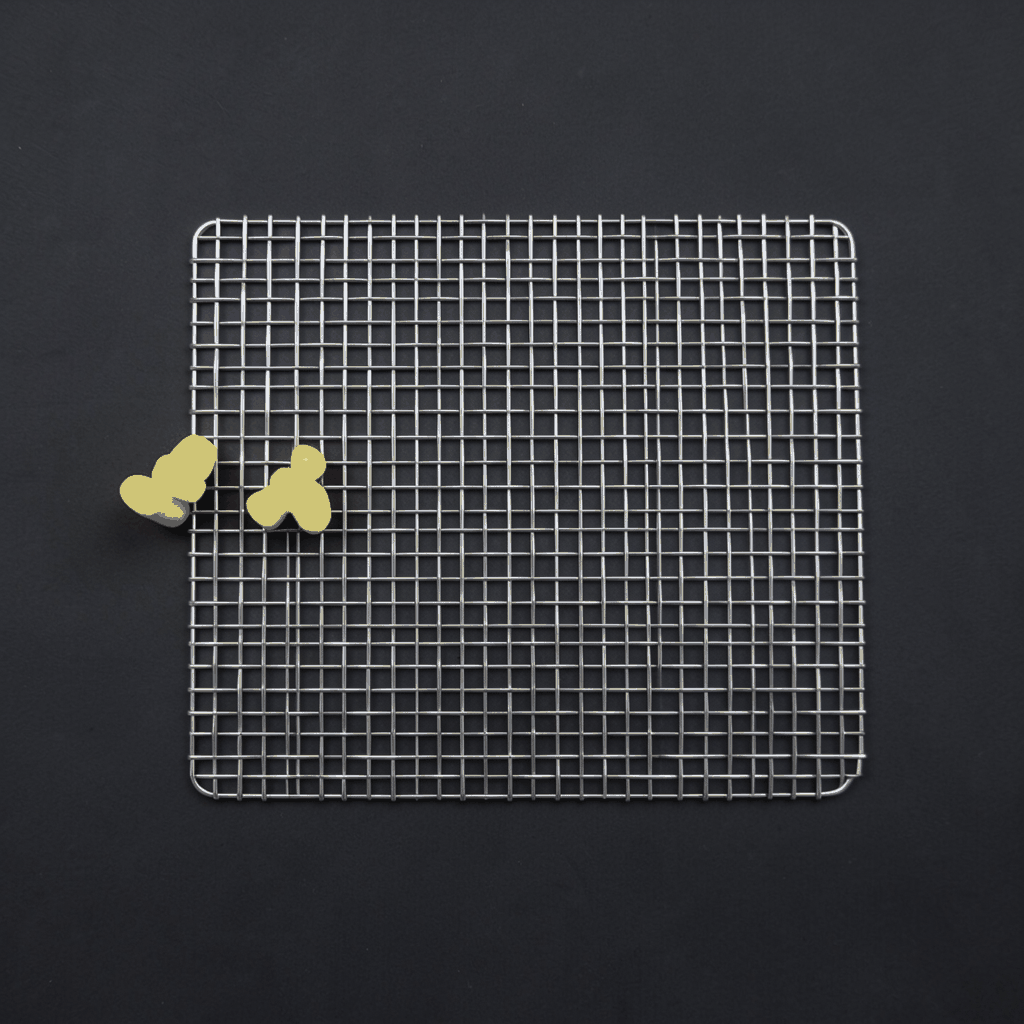
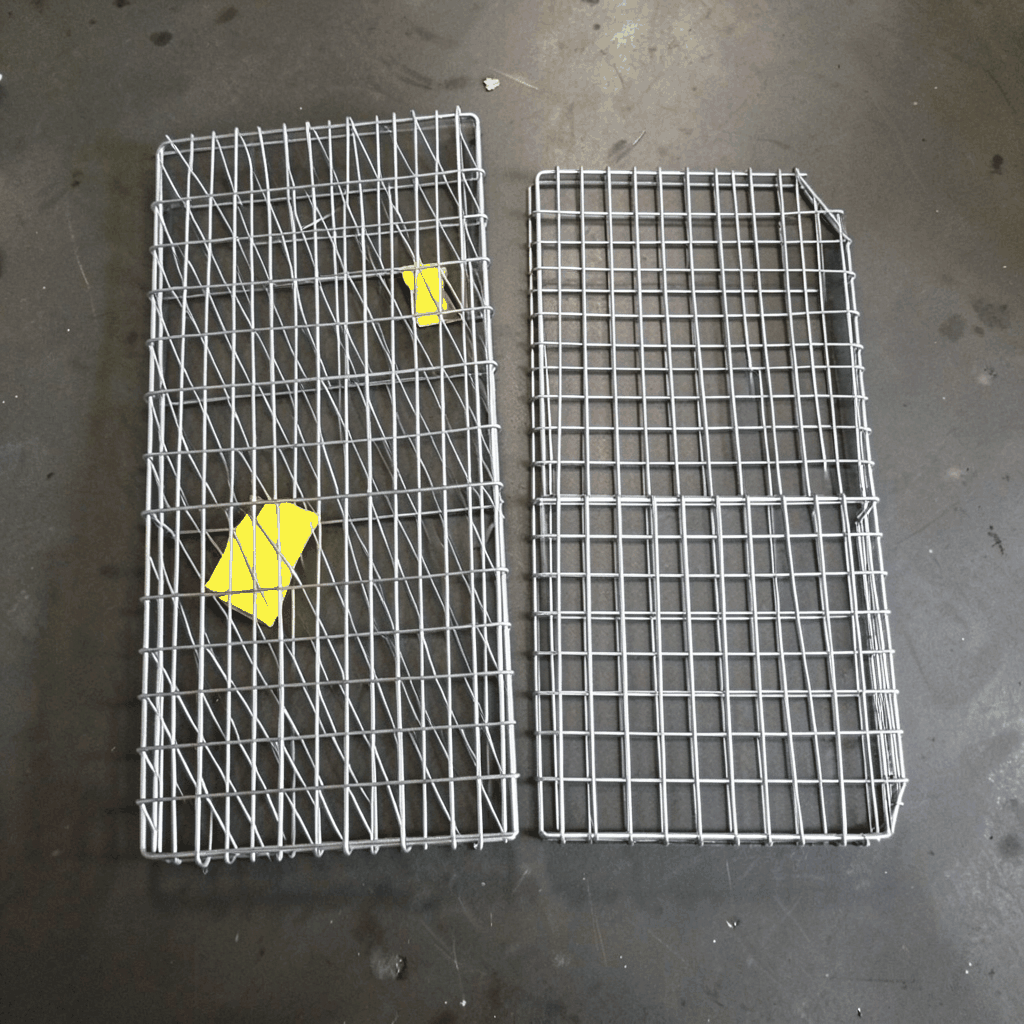
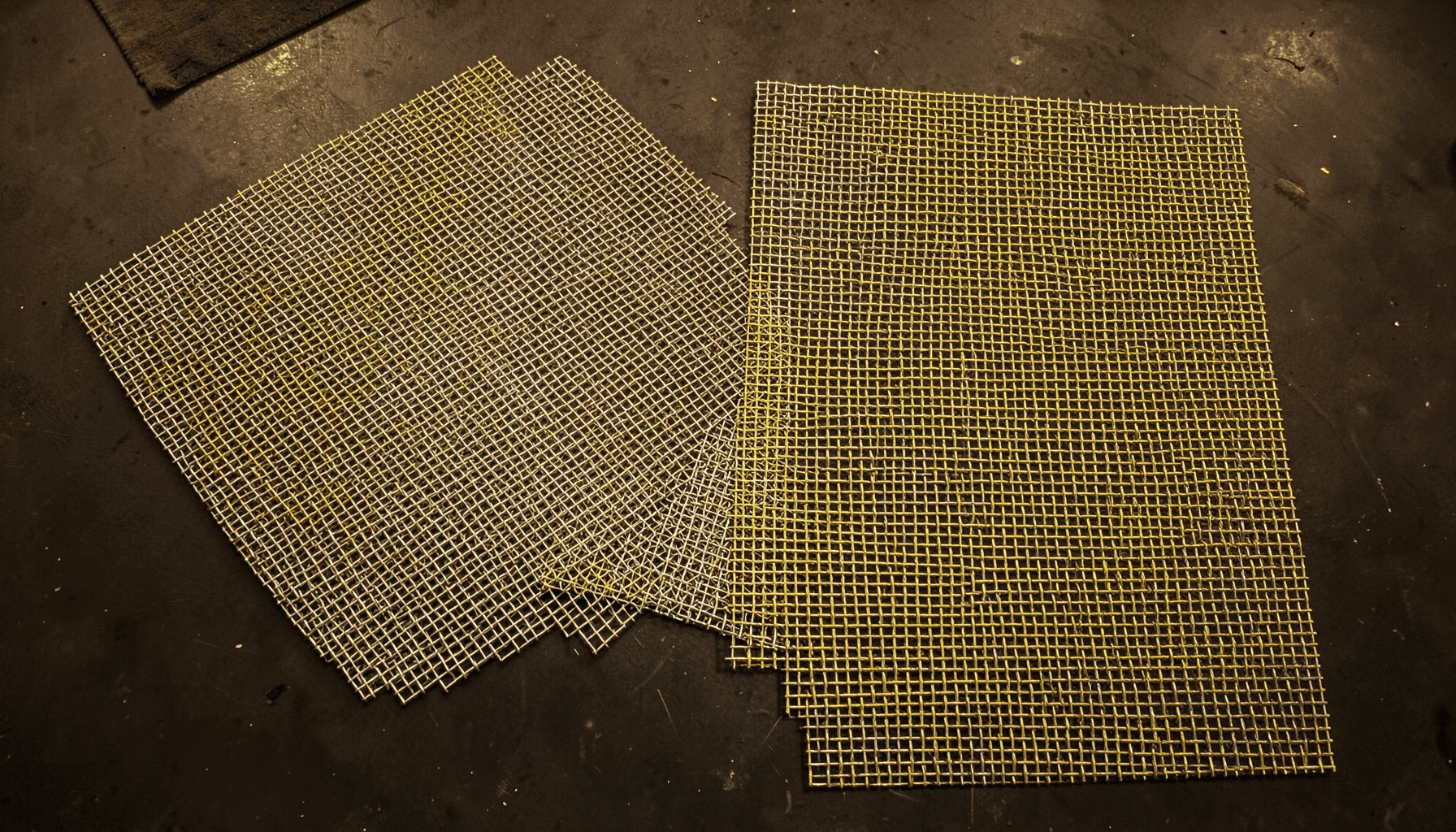
Steel wire mesh is widely used as a protective and decorative layer on building exteriors. It appears in ventilated rainscreens, balcony enclosures, sun-shading systems, elevator surrounds, entrance features, and architectural screens. Its open structure gives designers control over light, airflow, visibility, and visual texture while retaining the strength expected from metal construction.
For fire safety, steel has an important advantage: it is an inorganic, non-combustible material. It does not ignite, sustain flame, or provide fuel for fire growth under normal building-fire conditions. This makes steel mesh fundamentally different from polymer screens, combustible composite panels, and many organic coatings.
That advantage does not mean every mesh cladding system has the same fire performance. Heat can reduce the strength and stiffness of steel, while fixings, coatings, insulation, subframes, and cavity details can determine whether the complete facade limits fire spread. Correct specification therefore requires an assessment of the entire assembly rather than the mesh panel alone.
Why Steel Mesh Performs Well In Fire
Carbon steel and stainless steel are classified as non-combustible in many building regulations because they contain no readily available organic fuel. When exposed to flame, a steel wire mesh screen will not melt like plastic, burn like wood, or release combustible gases that can intensify a fire. Its surface can become extremely hot, but the material itself does not normally contribute meaningful fuel to the incident.
The open geometry of woven or welded mesh also reduces the amount of material present in any one area. This can help prevent the screen from acting as a continuous combustible sheet. Air can pass through the apertures, and smoke or heat can move around the screen rather than becoming trapped behind a solid decorative panel.
Steel remains vulnerable to elevated temperature in structural terms. It gradually loses yield strength and stiffness as its temperature rises, with significant reductions becoming relevant well below its melting range. Ordinary carbon steel melts at approximately 1,370–1,510°C, while stainless grades generally melt within a similar high-temperature range. A facade screen may therefore remain intact visually while its load-bearing capacity has already declined.
Open Facades And Fire Movement
A mesh cladding layer is often installed away from the wall to create a ventilated cavity. This arrangement improves moisture management and can reduce solar heat gain, yet the cavity can also become a route for vertical or horizontal fire movement if it is not correctly compartmentalized. Flames and hot gases may travel behind the screen, around window openings, or between floor levels.
Cavity barriers, fire stops, and carefully detailed perimeter closures are essential components of a fire-safe rainscreen. They should interrupt the cavity at floor slabs, around penetrations, at compartment boundaries, and wherever the facade changes direction. The mesh itself cannot replace these measures because its open area does not stop the movement of hot gases.
The distance between the mesh and the building wall also matters. A larger void may create stronger buoyancy-driven airflow, while a narrow cavity may restrict movement but still produce intense localized heating. Engineers should evaluate the screen, rails, brackets, insulation, and wall construction as a ventilated facade assembly, using the fire strategy and applicable local code as the governing basis.
Material, Grade, And Surface Finish
Stainless steel is frequently selected for exposed cladding because it combines fire resistance with corrosion protection and a clean architectural appearance. Common grades such as 304 and 316 can be formed into woven mesh, welded mesh, cable mesh, or custom screens. Grade 316 is often preferred in coastal or chemically aggressive environments, although the correct choice depends on pollutants, cleaning practices, and exposure conditions.
Mild steel and galvanized steel can also provide reliable non-combustible screening when protected from corrosion. Galvanizing adds a zinc layer that improves durability, but the treatment does not turn the mesh into a fire-rated barrier. At high temperatures, surface coatings and zinc can change appearance or contribute fumes, so the full finish specification should be reviewed where the facade is close to escape routes or fire-service access areas.
Architectural projects may use powder coating, paint, patination, or other finishes to achieve a specific color or texture. The metal substrate may be non-combustible while the coating has a different reaction-to-fire classification. For projects combining outdoor exposure with decorative requirements, this material selection guide provides useful context on choosing metal types and finishes for demanding installations.
| Cladding element | Typical fire behavior | Main design consideration |
|---|---|---|
| Stainless steel wire mesh | Non-combustible; retains form longer than many lightweight materials as temperature rises | Grade, wire diameter, support spacing, and corrosion environment |
| Galvanized or mild steel mesh | Non-combustible steel substrate; surface treatment may discolor or degrade under heat | Coating specification and protection against corrosion |
| Aluminum mesh | Does not burn, but loses strength at lower temperatures and has a much lower melting point than steel | Avoid treating it as equivalent to steel in fire exposure |
| Powder coating or organic paint | May have a separate reaction-to-fire classification from the metal | Verify coating data and total surface loading |
| Brackets, rails, and fixings | Performance depends on alloy, thickness, anchorage, and temperature | Check load retention and movement under fire conditions |
| Insulation behind mesh | May be combustible or non-combustible depending on product | Use compatible insulation and cavity barriers |
| Full ventilated facade assembly | Fire behavior is controlled by interactions between all layers | Use project-specific testing, assessment, and code review |
The Complete Cladding Assembly
Fire resistance and reaction to fire describe different performance questions. Reaction to fire concerns whether a product ignites, releases heat, produces smoke, or generates flaming droplets. Fire resistance concerns how long an element can perform a function such as load-bearing, integrity, or insulation when exposed to a standardized fire. A decorative steel mesh may have excellent reaction-to-fire characteristics without being a fire-resisting wall.
The supporting frame deserves close attention. Stainless steel or carbon steel brackets can lose stiffness when heated, and thermal expansion may place extra stress on anchors or edge restraints. Aluminum rails and clips can experience rapid strength loss at elevated temperatures. The specification should therefore identify every structural component, including washers, bolts, rivets, welds, and concealed support rails.
Behind the screen, insulation and weather membranes can strongly influence fire behavior. Mineral wool is commonly selected for non-combustible facade construction, while some foam insulation products require protective layers, tested joints, or specific cavity arrangements. Window surrounds, spandrels, parapets, and slab edges are frequent weak points because fire can bypass a mesh panel through adjacent construction.
Testing And Compliance
A project team should distinguish between product data and evidence for the proposed facade design. A manufacturer can provide mesh material, wire diameter, aperture, weight, finish, and corrosion information. Those details are essential, but they do not independently prove the fire performance of a complete wall system.
Depending on the jurisdiction, relevant evidence may include reaction-to-fire classification, fire resistance testing, large-scale facade testing, engineering assessment, or approval under a recognized building code pathway. The test configuration should match the intended installation as closely as possible. Changes in mesh orientation, support spacing, panel size, cavity depth, insulation, or coating may affect the validity of the result.
Fire consultants, facade engineers, architects, and contractors should coordinate early. The design review should cover compartment lines, fire-stopping products, access for inspection, drainage paths, thermal movement, maintenance, and the behavior of adjacent glazing. A mesh screen placed in front of a compliant wall can still create a risk if it obstructs sprinklers, fire-service operations, smoke ventilation, or escape routes.
Practical Specification Priorities
Good performance begins with a specification that describes the product and its installation conditions in measurable terms. “Fire-resistant metal screen” is too broad because it does not define the alloy, finish, support system, cavity, or required classification. Drawings and schedules should identify the mesh type, aperture ratio, wire or strand size, panel dimensions, fixing method, and relationship to fire barriers.
The following priorities help keep the design focused:
- Select a steel grade and surface treatment suitable for both fire exposure and the building’s corrosion environment.
- Require evidence for the complete cladding assembly, including insulation, cavity barriers, subframes, fixings, and adjacent openings.
- Coordinate mesh supports with slab-edge fire stops so brackets and rails do not create unprotected bypass routes.
- Check the temperature-related strength loss of steel, aluminum, and other components used in the support system.
- Confirm that coatings, sealants, membranes, and backing materials meet the required reaction-to-fire classification.
Fabrication quality also affects safety. Accurate panel dimensions help preserve designed gaps and prevent unplanned contact with windows, sprinklers, or fire barriers. Welds, crimps, and folded edges should be consistent, while fixings should allow for thermal movement without loosening. Inspection records can document material certificates, coating systems, fastener grades, and installation tolerances for future maintenance and regulatory review.
Designing Durable Fire-Safe Screens
Steel wire mesh is especially valuable where a facade needs transparency, ventilation, and a robust decorative finish. It can screen mechanical equipment, shade glazed elevations, form balcony guards, or create a second skin around a building without introducing a combustible sheet across the elevation. Its flexibility in woven, welded, expanded, and custom-fabricated forms supports a wide range of architectural concepts.
The strongest results come from treating the mesh as one part of a coordinated envelope. Material selection, open-area ratio, panel scale, fixing design, cavity compartmentation, and finish durability must work together. A visually attractive screen that has not been coordinated with fire barriers can compromise the performance of the wall behind it, while a carefully detailed system can provide long service life and dependable fire behavior.
Shuo Ke Wire Mesh Product Technology Co., Ltd. develops stainless steel, aluminum, iron, copper, and other metal mesh products for architectural and industrial applications. Its custom fabrication capabilities can support decorative screens, cladding panels, partitions, guardrails, and related components when project requirements call for a balance of engineering performance and visual design.
For a building cladding project, share the required material, mesh pattern, dimensions, finish, exposure conditions, and fire-performance criteria with the manufacturer and project fire consultant. Early coordination allows the selected steel mesh system to be evaluated as part of the real facade assembly, helping deliver a durable, compliant, and carefully resolved exterior.