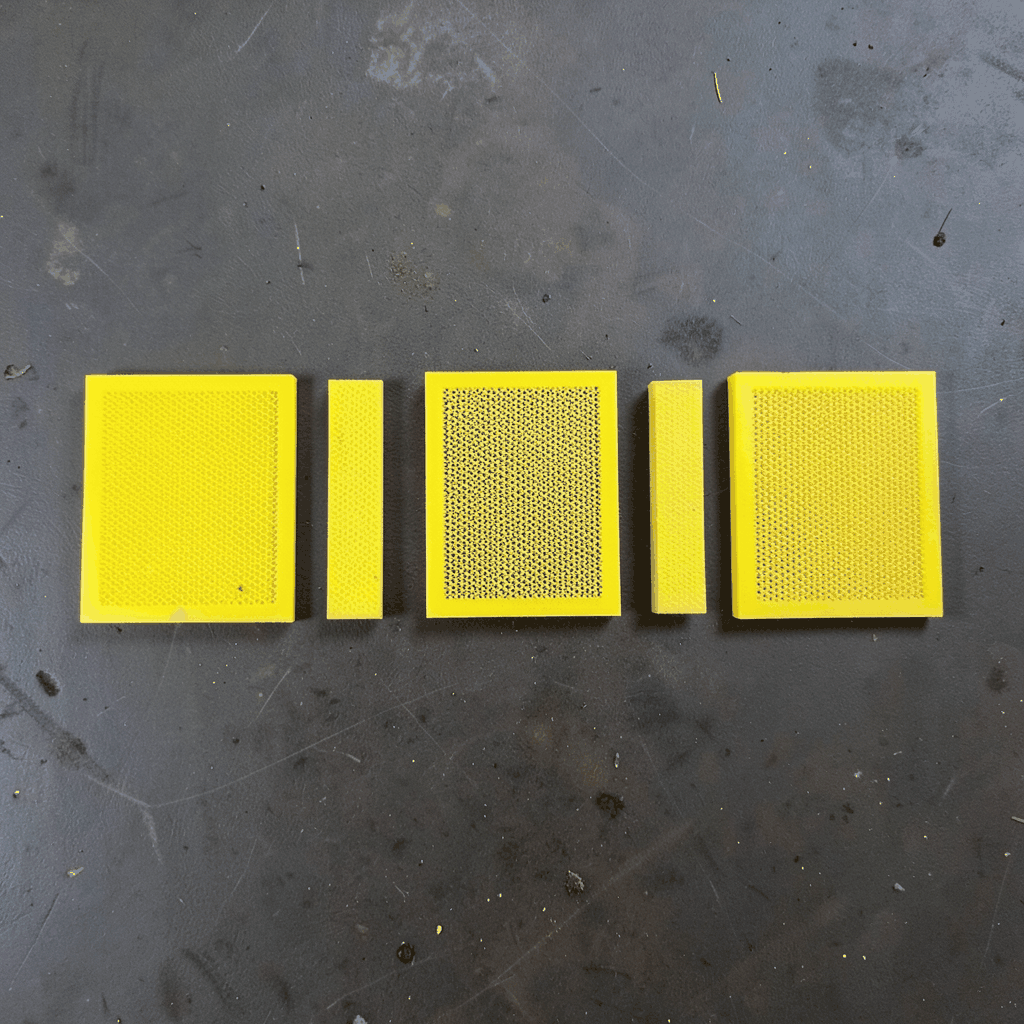
Stainless Steel Mesh for Stronger Marine Animal Cages
Marine animal enclosures must withstand constant water exposure, impact, biological growth and repeated handling. In aquariums, hatcheries, research facilities and coastal rehabilitation centres, the cage material affects animal safety, maintenance time and the working life of the entire installation. Stainless steel mesh is widely valued because it combines structural strength with open water flow and reliable dimensional stability.
For Australian operators, material selection must account for demanding local conditions. A sea turtle recovery enclosure near Cairns, a fish holding system in Tasmania or a public aquarium beside Sydney Harbour may face different temperatures, salinity levels and operating routines. The right wire diameter, aperture, grade, frame and finish should therefore be selected as one engineered system rather than treated as separate purchasing decisions.
Why Stainless Steel Performs in Marine Environments
The principal advantage of stainless steel is its resistance to corrosion. Chromium in the alloy forms a passive oxide layer that helps protect the surface when exposed to moisture and oxygen. In marine animal cages, this matters because the mesh may remain wet for long periods and can be exposed to salt spray, brackish water, cleaning chemicals and organic deposits.
Grades such as 304 and 316 are common in wire mesh manufacturing, while 316 stainless steel is often preferred for saltwater applications because its molybdenum content improves resistance to pitting and crevice corrosion. The choice still depends on water chemistry, temperature, cleaning products and the presence of stagnant areas. Alloy selection should be confirmed through a project-specific assessment rather than based on grade name alone.
A strong stainless steel enclosure can also reduce the risk of sudden panel failure. Welded or woven wires distribute loads across multiple intersections, helping the cage tolerate contact from fish, seals, turtles, birds or equipment. When the mesh is properly supported, it can resist deformation caused by water movement, net handling and routine access without becoming excessively heavy.
Protection for Animals and Staff
A cage must contain the animal while avoiding sharp projections, exposed wire ends and openings that can trap fins, flippers, beaks or limbs. Stainless steel mesh can be produced with carefully controlled apertures and smooth edges, allowing designers to match the pattern to the species, size and behaviour of the animals inside. Smaller openings are useful for juvenile stock and delicate species, while larger apertures can improve flow and reduce visual obstruction.
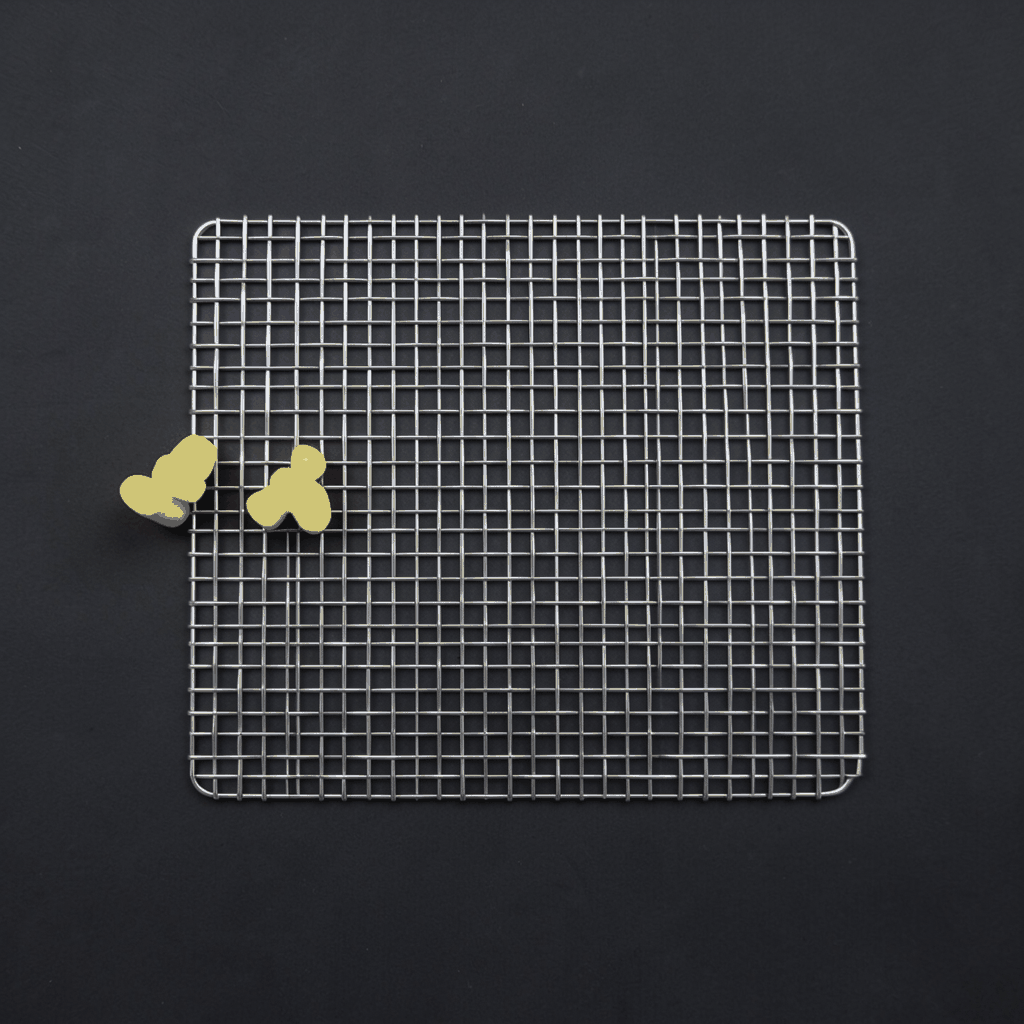
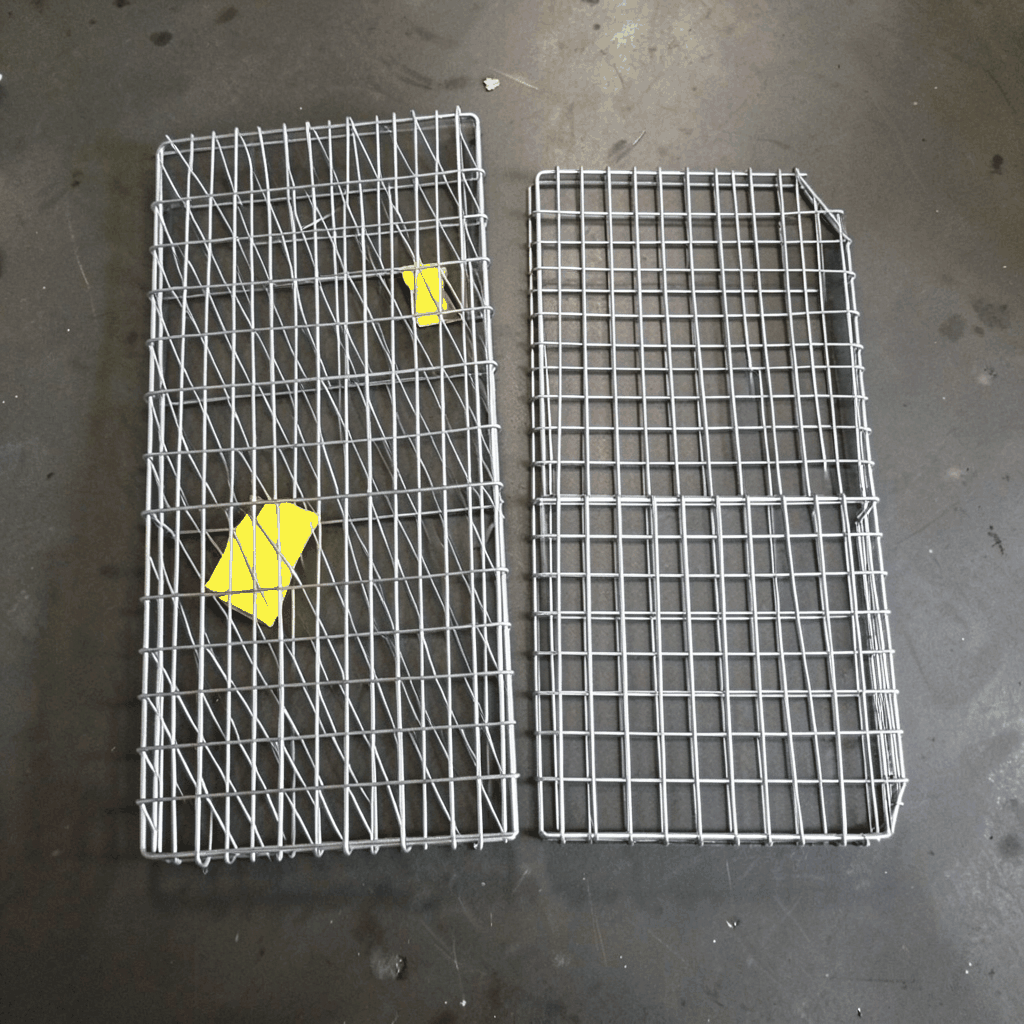
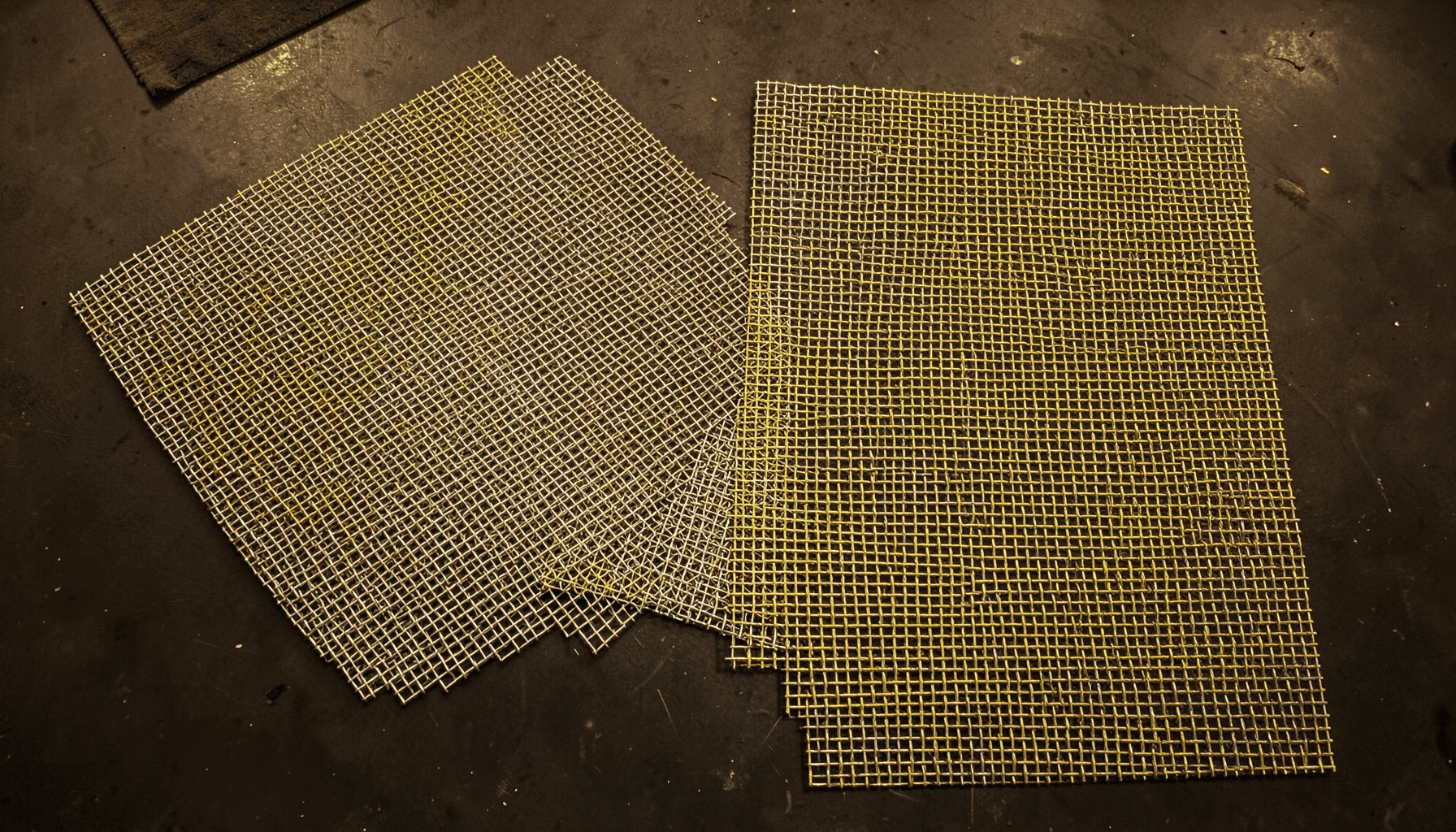
Welded mesh provides a regular, stable grid that is easy to inspect. Woven mesh offers flexibility and can be useful where movement, curved forms or impact absorption is important. Both formats can be fabricated with different wire diameters, panel dimensions and border treatments. The most suitable arrangement depends on whether the cage is fixed, floating, submerged, suspended or frequently moved.
Animal welfare also depends on water circulation and visibility. An overly dense barrier can restrict exchange, create dead zones or interfere with observation. Properly specified stainless steel mesh allows water to pass through while establishing a clear physical boundary. This is particularly important in rehabilitation pools, quarantine systems and display environments where staff need to monitor feeding, behaviour and injuries.
Australian facilities must also consider practical handling conditions. Workers may access enclosures in wet areas, during strong sun or while wearing gloves and protective equipment. Rounded frames, secure fasteners and smooth mesh surfaces support safer daily work. In Queensland, designs for outdoor facilities may also need to account for cyclone-related wind loads, flying debris and emergency removal procedures.
Durability in Australian Coastal Conditions
Australia’s marine environments vary substantially, from the tropical waters of North Queensland to the cooler southern coast and the more sheltered conditions around Port Phillip Bay. High ultraviolet exposure can degrade plastics, coatings and seals, while salt-laden air can reach inland buildings close to the shoreline. Stainless steel does not solve every design problem, but it provides a stable base material for long-term outdoor and underwater use.
The Great Barrier Reef region presents a particularly sensitive operating environment. Equipment used near Cairns, Townsville or other coastal centres may be exposed to warm seawater, intense sunlight and frequent cleaning. Mesh used in these settings should be designed to minimise crevices where salt, algae or biological matter can accumulate. Good drainage, accessible joints and compatible fixings are as important as the mesh alloy.
In Tasmania and South Australia, aquaculture and research installations may face cooler water, strong winds and demanding transport conditions. Cage panels should be sized so they can be lifted, cleaned and replaced without unnecessary strain. Reinforced edges, welded support bars and corrosion-resistant hinges can improve reliability where systems are regularly moved between tanks, pontoons or service areas.
Galvanic corrosion is another concern. Stainless steel mesh connected to dissimilar metals such as aluminium, mild steel or copper can create an electrochemical reaction in a wet environment. Insulating washers, compatible fasteners and suitable frame materials help reduce this risk. A manufacturer with experience in custom metal mesh processing can coordinate these details before fabrication begins.
Engineering the Cage for Long Service
Mesh strength comes from more than the raw tensile strength of the wire. Aperture size, wire diameter, weave or weld pattern, panel span, edge reinforcement and attachment points all influence performance. A large unsupported panel may flex under loads that a smaller panel handles easily. Conversely, excessively heavy mesh can increase installation costs and make inspection or emergency access more difficult.
Designers should identify the expected loads before selecting a product. These may include animal impact, water pressure, wave action, suction from pumps, floating debris, lifting forces and accidental contact from boats or maintenance equipment. In a Sydney Harbour facility, vessel movement and public access may be relevant; in an offshore or aquaculture setting, current, swell and mooring movement may govern the design.
Fabrication accuracy is also important. Poorly aligned panels can create gaps at corners and doors, while rough welds may damage protective gloves or animal tissue. Cut edges should be finished appropriately, and welded intersections should be checked for consistency. Where the cage includes gates, removable lids or inspection panels, hinges and latches need to be selected for wet service and secured against accidental opening.
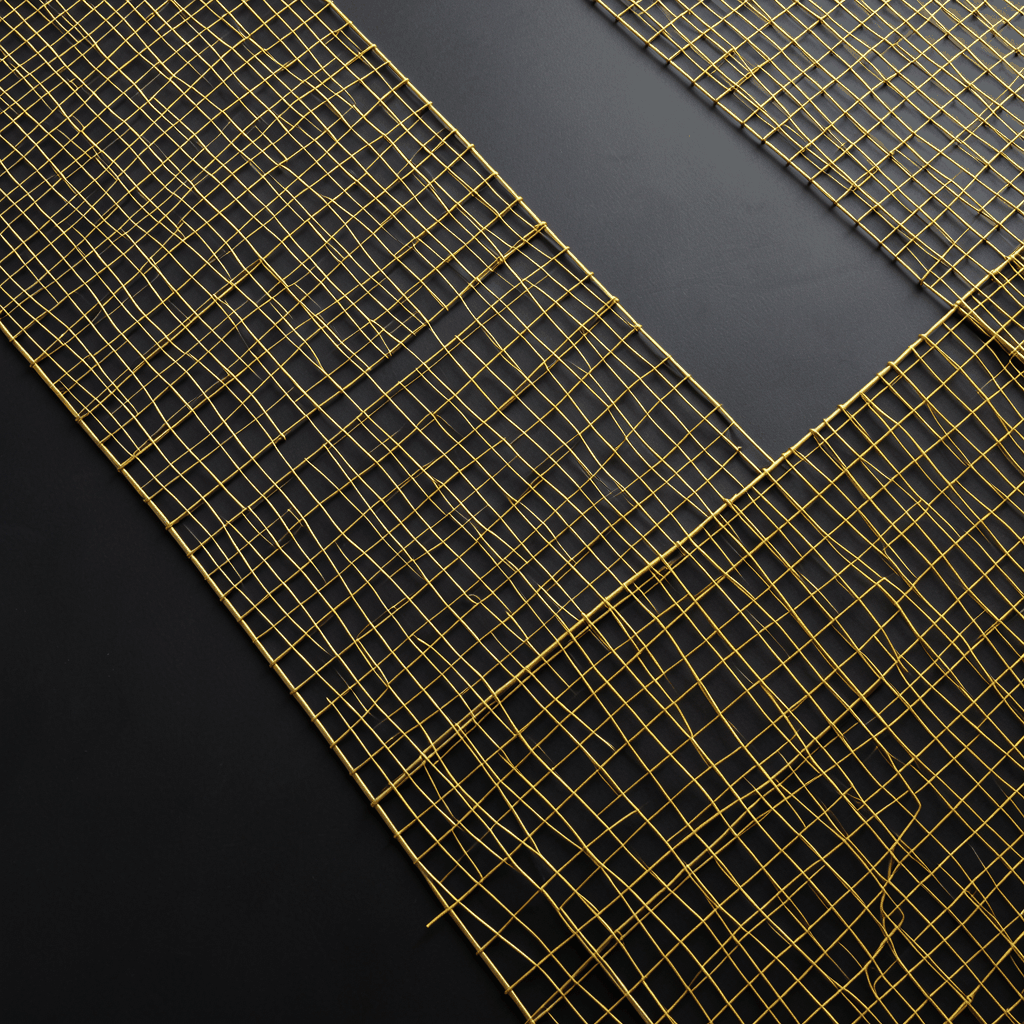
Stainless steel can also support a clean visual presentation in public-facing environments. Aquariums, marine education centres and waterfront developments may require functional barriers that blend with architectural surroundings. Decorative metalwork principles, including material contrast and controlled patterning, can be reviewed through examples of custom bronze mesh, although stainless steel is generally the more suitable option for direct marine exposure.
Cleaning, Inspection and Maintenance
Even corrosion-resistant mesh requires routine care. Salt deposits, scale, algae and organic residue can collect around welds, frame junctions and fasteners. Regular rinsing with fresh water helps remove contaminants before they become concentrated. In public aquariums or intensive aquaculture operations, cleaning schedules should be coordinated with animal handling, water-quality controls and biosecurity procedures.
Operators should inspect the mesh for bent wires, broken welds, enlarged openings, loose hardware and signs of pitting. Particular attention is needed around corners, doors, submerged supports and points where the cage meets a tank or walkway. A small defect can become a containment problem if an animal repeatedly presses against the same location or if water movement increases the opening.
Cleaning agents must be compatible with the selected stainless steel grade. Chloride-rich products, abrasive tools and poor rinsing practices can damage the passive surface or leave residues that accelerate local corrosion. Facilities should follow the fabricator’s care guidance and keep records of inspections, repairs and replacement parts. This is especially useful for operators managing multiple sites across New South Wales, Victoria or Western Australia.
A modular construction can simplify maintenance. Replaceable panels, standardised fasteners and accessible frame sections allow staff to repair one area without dismantling the entire enclosure. Custom mesh manufacturers can produce panels, baskets, screens and guards to project dimensions, helping integrate the cage with existing tanks, filtration systems and service platforms.
Practical Specifications for Marine Animal Cages
A clear specification should define the animal species, water type, cage dimensions, installation location, cleaning method and expected service life. It should also identify whether the mesh will be exposed to open seawater, recirculated water, freshwater, brackish water or a combination of conditions. These details guide the choice between welded and woven mesh, wire size, aperture and stainless steel grade.
Recommended design priorities include:
- Select 316 stainless steel for many saltwater applications, subject to a site-specific corrosion assessment.
- Match aperture size to the animal’s body size, behaviour and risk of entrapment.
- Use welded mesh where a rigid, dimensionally stable enclosure is required.
- Consider woven mesh where flexibility, impact absorption or curved forms are important.
- Specify smooth edges, reinforced borders and secure closures at every access point.
- Isolate stainless steel from incompatible metals with suitable washers, coatings or connection details.
- Establish freshwater rinsing, inspection and repair procedures before the cage enters service.
The final design should be reviewed by the mesh fabricator, structural engineer, animal-care team and installation contractor. This combined approach helps balance containment, water exchange, handling safety and budget. It also reduces the chance that a product chosen from a standard catalogue will be unsuitable for an unusual tank, floating platform or coastal site.
For Australian projects, procurement should include drawings, tolerances, material certificates and details of weld finishing. Samples or test panels can help confirm visibility, stiffness and cleaning performance before full production. A manufacturer experienced in stainless steel wire mesh can then adjust the design to suit local water conditions and the practical routines of the facility.
When durability, animal safety and maintainability are treated as connected requirements, stainless steel mesh becomes more than a barrier. It forms a dependable part of the marine system, supporting secure containment and efficient daily operation in aquariums, aquaculture facilities, laboratories and coastal rehabilitation centres. Contact Shuo Ke Wire Mesh Product Technology Co., Ltd. to discuss custom stainless steel mesh panels, cages, screens and supporting components for your Australian marine project.