Using brass mesh for elegant cabinet door inserts
Using brass mesh for elegant cabinet door inserts is a practical way to add warmth, texture and visual depth to joinery. The material brings a soft metallic glow that sits comfortably between polished hardware and natural timber, giving kitchens, bars, wardrobes and display cabinets a considered architectural finish.
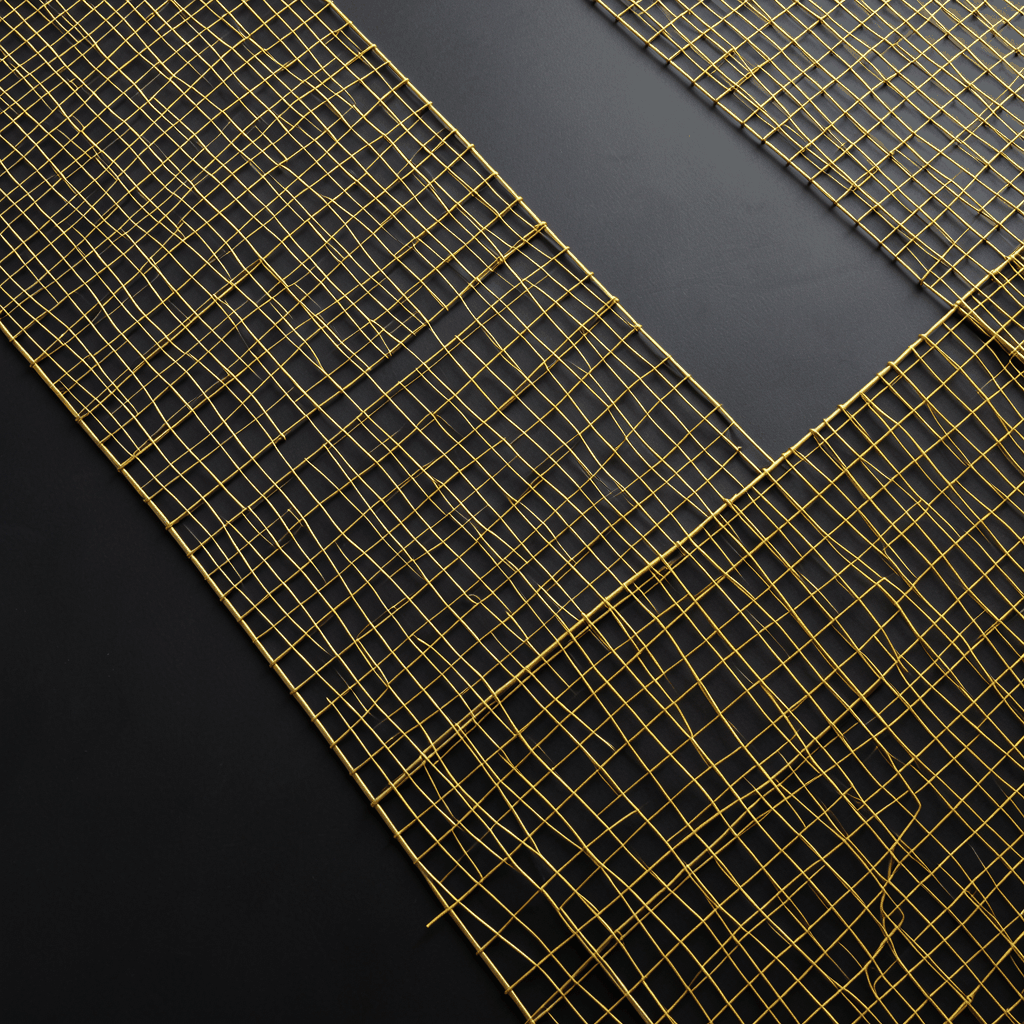
Unlike a solid panel, a brass wire mesh insert allows glimpses of the contents behind the door. This makes open shelving feel more refined while keeping everyday items partially concealed. Depending on the weave, the panel can appear delicate and decorative or structured and industrial.
Brass also works across a broad range of interior styles. It can complement white cabinetry in a coastal home, deepen the character of dark timber in a Melbourne terrace, or add a subtle luxury note to a contemporary apartment in Sydney or Brisbane. The right mesh specification makes the design feel intentional rather than ornamental.
For Australian projects, cabinet inserts need to balance appearance with practical conditions. Strong sunlight, coastal air, frequent entertaining and busy family kitchens can all affect the choice of alloy, finish, frame and maintenance routine. Good detailing at the beginning keeps the result attractive for years.
Why brass mesh suits cabinetry
Brass has a naturally warm colour that changes gently with light. A satin or brushed finish provides a muted golden appearance, while polished brass creates a brighter accent around glassware, books or carefully displayed objects. Unlacquered brass can develop a deeper patina, which may appeal to owners seeking a living finish with more character over time.
The open structure of woven wire mesh adds detail without making a cabinet door visually heavy. It can break up long runs of solid joinery, create rhythm across a wall of cupboards, and provide a decorative alternative to rattan, reeded glass or perforated metal. In a butler’s pantry, it can make storage feel lighter while still maintaining a degree of visual order.
Brass mesh is also durable when properly specified. It can be cut, folded and secured within a timber, metal or composite frame, allowing it to suit both bespoke furniture and larger architectural fit-outs. The mesh should be selected according to the size of the door, the desired transparency and the level of handling expected.
Selecting the right weave and finish
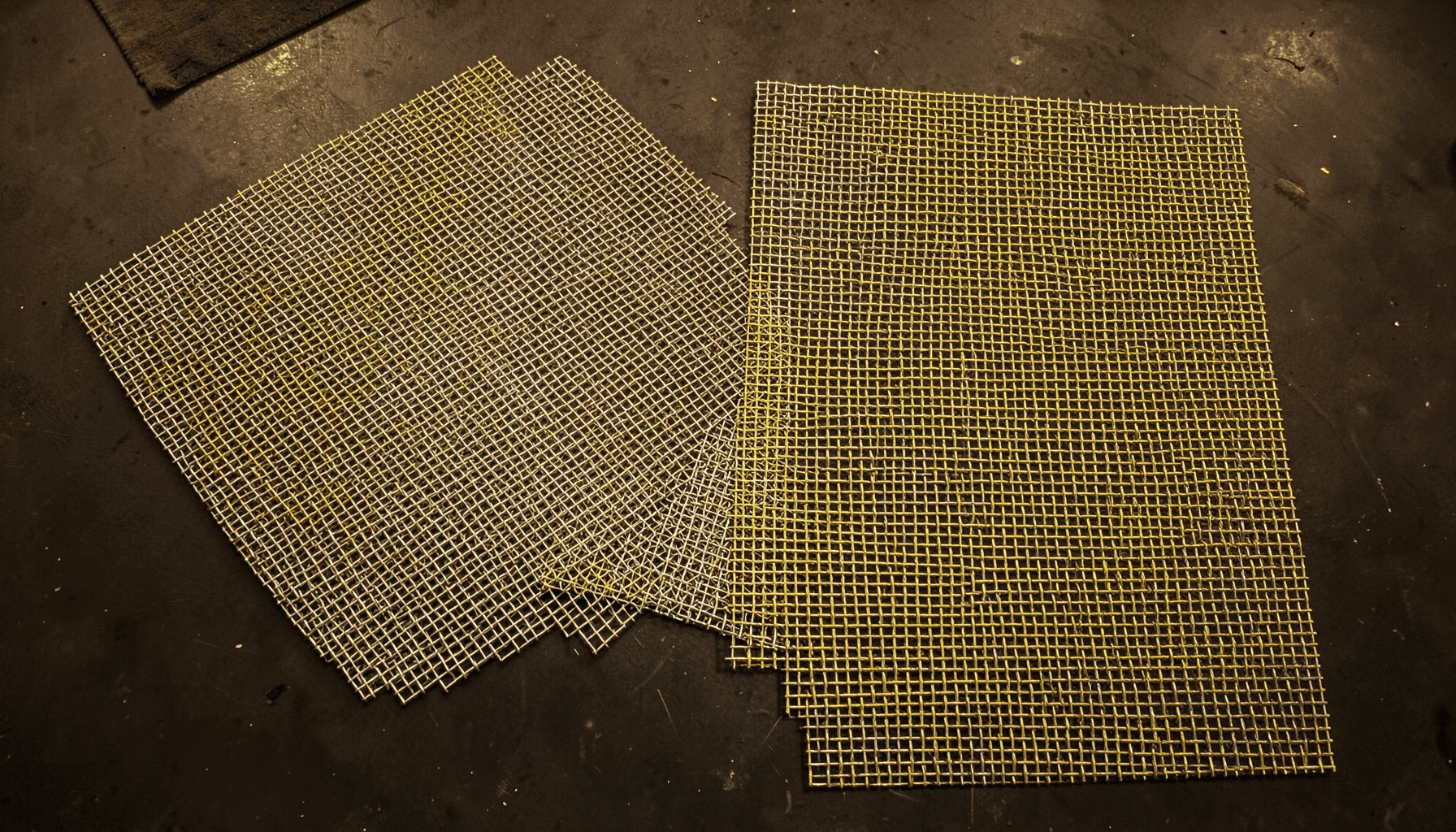
The weave determines how much of the cabinet interior remains visible. A fine plain weave offers a subtle veil and works well for small doors, bedside cabinetry and display units. A larger opening provides stronger pattern definition and improved airflow, making it suitable for bar cabinets, media units and appliance cupboards.
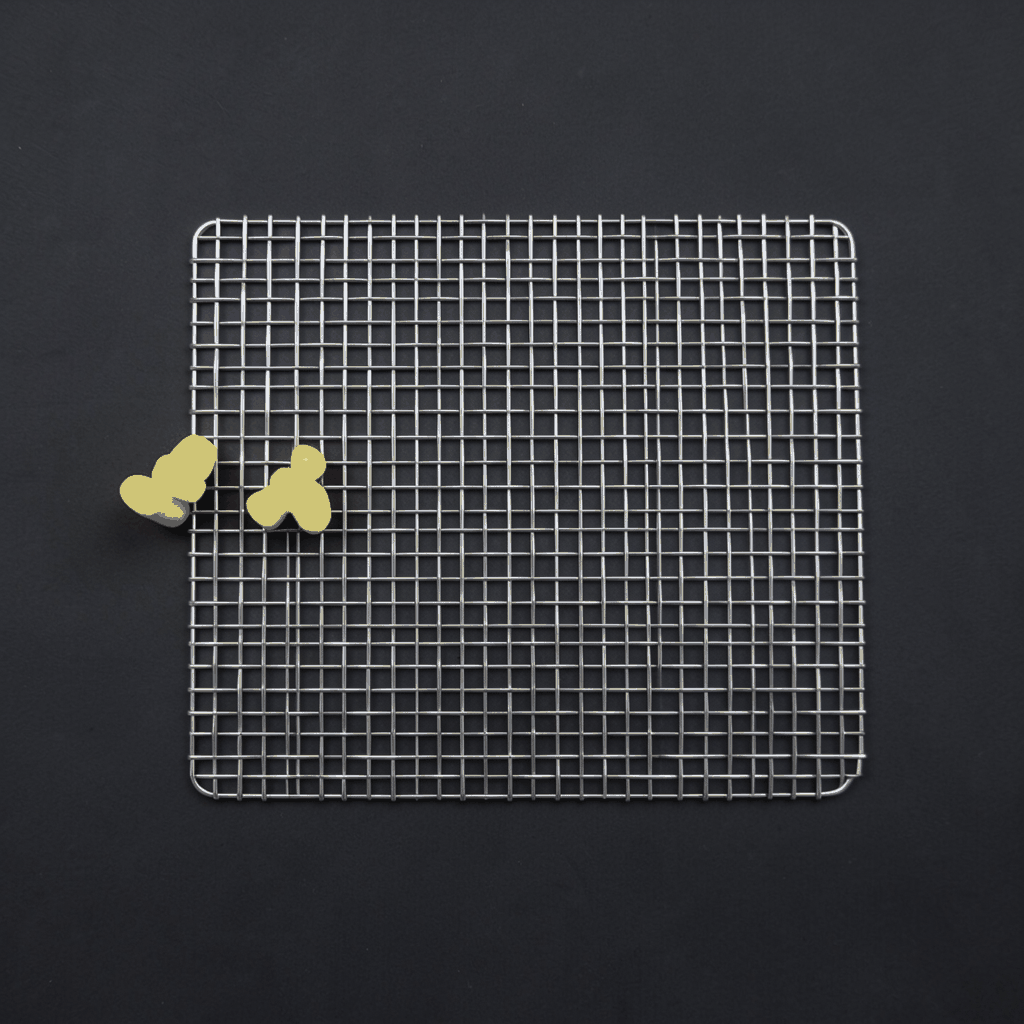
Woven wire mesh is available in different wire diameters and opening sizes. A heavier wire produces a stronger visual grid and is less likely to distort in a large panel. A finer wire gives a more delicate appearance but needs careful tensioning and support during fabrication. For tall doors, a rigid backing frame or intermediate support may help maintain a flat, professional finish.
Finish selection should relate to the rest of the room. Brushed brass pairs well with oak, walnut, stone and matte-painted cabinetry. A bright finish suits more formal interiors but can become visually dominant if combined with numerous gold-toned fittings. Antique or chemically toned brass can create a quieter appearance, particularly in heritage renovations and boutique hospitality settings.
Planning measurements and door construction
Accurate measurements are essential because mesh inserts are usually held inside a rebate, channel or separate frame. Measure the clear opening after allowing for the door stile, rails and fixing method. The mesh should have enough overlap to be secured firmly, but excessive overlap can make the panel difficult to fold neatly or hide behind the frame.
The cabinetmaker should confirm whether the insert will be installed from the rear or captured between front and back frame components. Rear fixing is often efficient for painted timber doors, while a fully framed construction can provide a cleaner finish from both sides. Small retaining strips, screws with washers, clips or a compatible adhesive may be used, depending on the substrate and access.
Door proportions also affect the visual result. A narrow vertical panel can emphasise height, while two or three equal inserts create a more balanced composition across wide cabinetry. Repeating the same mesh direction and frame thickness throughout a kitchen helps the installation look cohesive rather than assembled from unrelated parts.
Coordinating brass with Australian interiors
Australian homes often combine practical storage with relaxed, open-plan living. In a renovated Queenslander in Brisbane, brass mesh can sit comfortably within painted timber doors and help connect cabinetry with pendant lights or aged hardware. In a Melbourne warehouse conversion, a darker brass finish can soften concrete, black steel and exposed brick without removing the industrial character.
Coastal conditions deserve particular attention. Homes near Perth beaches, Sydney’s eastern suburbs or the Gold Coast may experience salt-laden air, especially on balconies, in outdoor kitchens or in rooms with strong cross-ventilation. Brass can still be used, but the finish, protective coating and cleaning schedule should be agreed before manufacture. Indoor cabinetry positioned away from direct exposure will generally be easier to maintain.
The Australian market also values locally adaptable joinery. Cabinet doors may be fabricated by a small workshop, installed by a residential builder or coordinated through a commercial fit-out contractor. Supplying a clear mesh sample, opening size, finish reference and fixing detail helps each trade work from the same information and reduces delays when materials are sourced across different states.
Balancing visibility, privacy and airflow
Cabinet mesh should be chosen according to what will sit behind it. In a kitchen, fine mesh can disguise mixed packaging, appliances and everyday clutter while allowing a gentle outline of the contents. For a drinks cabinet or library, a more open pattern may be preferable because the objects are intended to remain visible.
Ventilation is useful where cabinets house electronics, wine accessories, speakers or small appliances. An open metal screen can support air movement more effectively than a solid door, although it should never replace the ventilation requirements specified for a particular appliance. The mesh opening must also be small enough to prevent items, cords or fingers from passing through where safety is a concern.
Lighting has a strong influence on the finished appearance. Warm LED strip lighting behind brass mesh can create a soft, layered glow, while cool white lighting may make the metal look sharper and less welcoming. Concealed lighting should be installed so that individual points are not distracting through the openings. A dark interior lining can increase contrast; a pale backing produces a brighter, more transparent effect.
Fabrication, installation and maintenance
Brass mesh should arrive flat, clean and protected from unnecessary handling. During fabrication, installers need to avoid crushing the openings or stretching one edge more than another. Any cut edges should be positioned inside the frame where possible, and the panel should be tensioned evenly so the weave remains square.
For larger commercial projects, the same attention to fabrication accuracy is expected across decorative and industrial mesh applications. Manufacturers that produce custom wire mesh panels understand the importance of consistent openings, clean edges and repeatable dimensions, all of which are valuable when multiple cabinet doors must align across a wall.
Cleaning is straightforward when the finish is selected for the environment. Dust can be removed with a soft brush or clean microfibre cloth. For coated brass, use a mild solution recommended by the coating supplier and avoid abrasive pads, harsh solvents and aggressive metal polish. Unlacquered brass may be polished to restore brightness or left to darken naturally, but the chosen approach should be applied consistently across all doors.
Recommendations for a refined cabinet insert
A successful brass cabinet door insert depends on coordinating the mesh, frame, hardware and interior finish rather than treating the screen as an isolated decoration. Before production, request a physical sample or finish swatch and view it under the actual room lighting. Digital images can make brass appear more yellow, reflective or uniform than it looks in person.
Keep the following points in the specification:
- Choose the weave opening according to the desired balance of concealment, display and ventilation.
- Match the brass finish with handles, hinges, tapware, lighting and other metal details.
- Use a rigid, accurately measured frame for tall or frequently handled cabinet doors.
- Confirm the fixing method, edge overlap and access for future mesh replacement or repair.
- Consider protective coatings in coastal homes, humid rooms and busy hospitality settings.
- Check the mesh sample against the timber, paint colour, stone and internal cabinet lighting.
- Provide installers with final door sizes, opening dimensions and an approved finish reference.
The best result usually comes from early coordination between the designer, cabinetmaker and mesh manufacturer. This allows the insert to be built into the door construction from the start instead of being adapted after the cabinet has already been made. It also gives the project team time to resolve clearances, handle positions and cleaning access before installation day.
Bring your cabinet drawings, preferred brass finish and door quantities to Shuo Ke Wire Mesh Product Technology Co., Ltd. for a tailored mesh solution. With the right weave, frame detail and surface treatment, brass can turn ordinary cabinet fronts into durable architectural features suited to Australian homes, retail spaces and commercial interiors.