Welded Wire Mesh for Stronger, Smarter Concrete Slabs
Concrete slabs carry loads, control movement and create the finished platform for homes, warehouses, driveways and commercial buildings. Their performance depends on more than the concrete mix. Correctly selected and positioned reinforcement helps manage cracking, improve structural behaviour and support reliable construction outcomes.
Welded wire mesh is a practical reinforcement option because it provides a regular grid of steel wires joined at fixed intersections. Compared with loose reinforcing bars that need to be measured and tied across the site, mesh sheets can offer faster placement and consistent spacing. The right product still depends on engineering design, exposure conditions, slab thickness and the intended use of the structure.
In Australia, the product must suit local standards, site conditions and construction methods. A residential slab in Melbourne may face reactive clay and winter moisture, while a shed near Cairns may need greater attention to humidity, corrosion and cyclone-related design requirements. Good planning connects the mesh specification with the entire slab system rather than treating reinforcement as a last-minute purchase.
How Welded Mesh Supports Concrete
Concrete is strong in compression but comparatively weak in tension. As a slab dries, settles or responds to temperature changes, tensile stresses can develop. Steel reinforcement helps distribute these stresses across a wider area, limiting the width and concentration of cracks. It does not make a slab immune to cracking, but it can make cracks more controlled and less damaging.
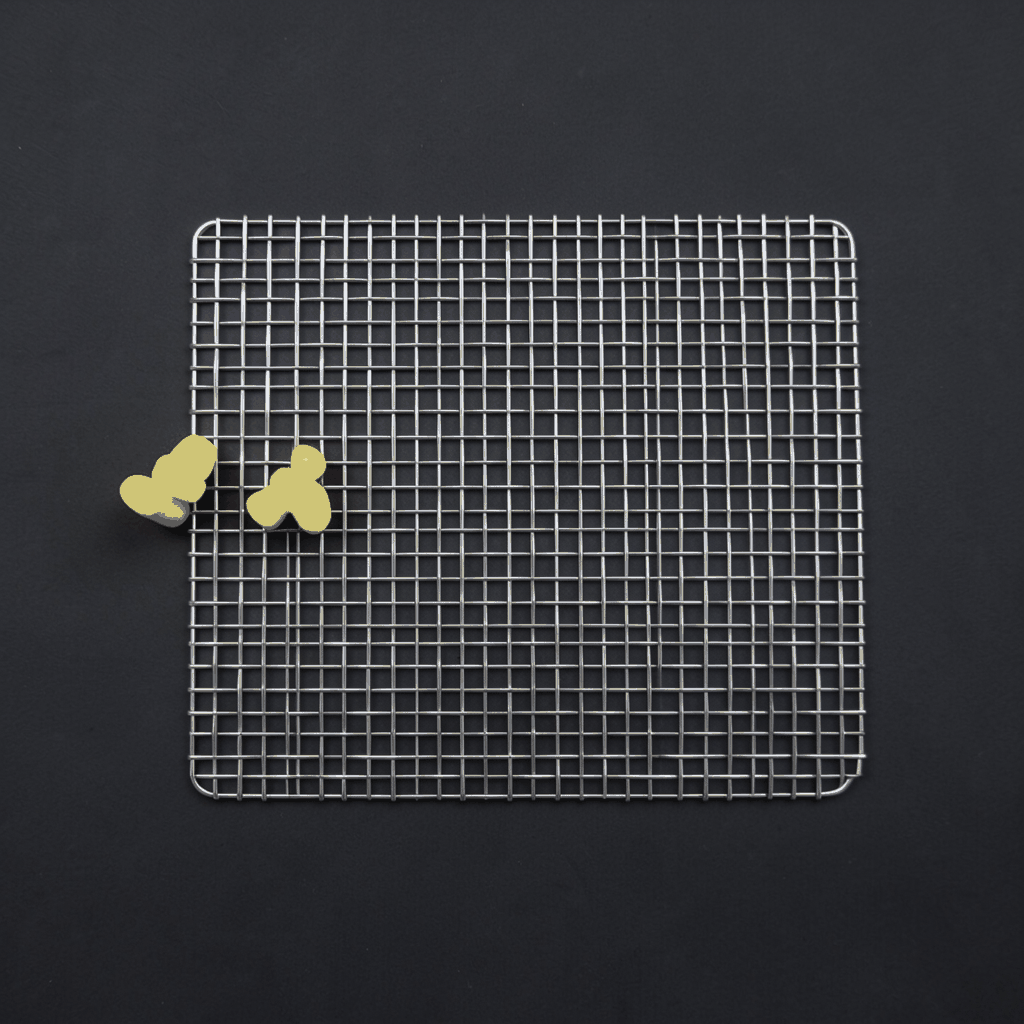
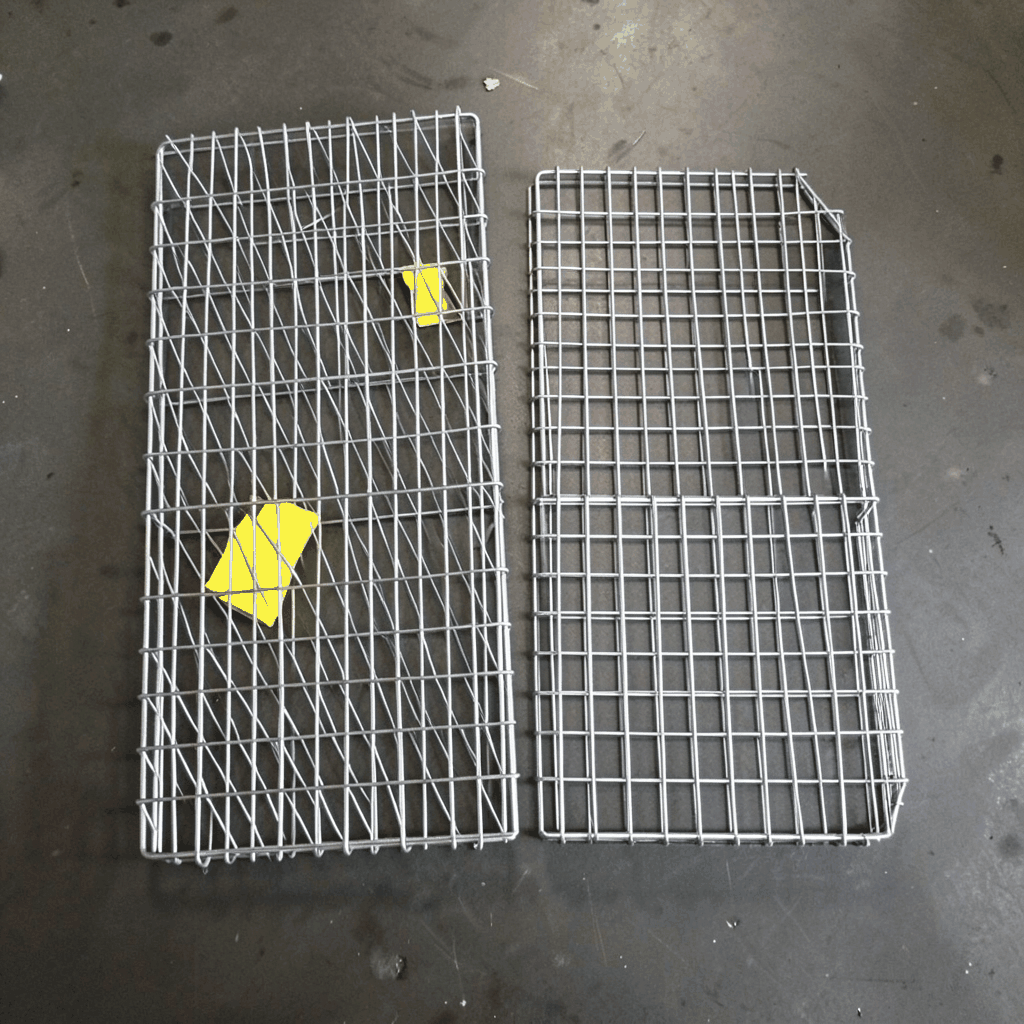
Welded wire mesh consists of longitudinal and transverse wires arranged in a square or rectangular pattern. The intersections are electrically welded, creating a stable reinforcing grid. This structure helps installers maintain consistent spacing and reduces the amount of tying required before the pour.
For slabs-on-ground, mesh is commonly used to control shrinkage and temperature cracking, while engineered slabs may rely on it for more demanding structural functions. The design engineer determines the required wire diameter, spacing, sheet size, steel grade, lap length and position within the concrete. Reinforcement should never be selected by appearance alone.
Choosing The Right Mesh Specification
Mesh products are often identified by a combination of wire size, spacing and sheet designation. In Australia, engineers and suppliers may refer to standard reinforcing mesh types such as SL, SL81, SL92, SL102 or trench mesh, depending on the application. These labels describe particular arrangements of wire diameter and spacing, so the project drawings and supplier documentation should always take priority over informal site descriptions.
The required reinforcement depends on slab dimensions, imposed loads, support conditions, joints and ground movement. A lightly loaded garden path has different needs from a factory floor carrying forklifts. Thickened edges, beams, penetrations and suspended slabs may also require bar reinforcement or additional mesh beyond the main slab field.
Steel grade and compliance are equally important. Reinforcing steel supplied for concrete work should be selected in accordance with the applicable Australian and New Zealand requirements, including AS/NZS 4671 where relevant. Certificates, traceability records and mill information can help builders, engineers and certifiers verify that the supplied product matches the specified performance.
Ground Conditions And Australian Construction
Australian ground conditions vary widely. Reactive clay around parts of western Sydney, Adelaide and regional Victoria can expand and contract with changes in moisture, placing additional movement demands on residential slabs. A properly designed footing system, site classification, drainage strategy and reinforcement layout work together to address those conditions.
Coastal projects from the Gold Coast to Perth may face salt-laden air, while northern Queensland and the Northern Territory bring high humidity and intense rainfall. Mesh intended for concrete reinforcement is generally embedded within the slab, but storage, handling and cover still influence corrosion protection. Bare steel should be kept off wet ground and protected from contamination before installation.
Local construction language also shapes purchasing decisions. A site supervisor may ask for “reo mesh,” a concreter may discuss “chairs and laps,” and a supplier may quote sheets by standard size or bundle. In remote areas, freight planning matters because a full load of mesh can be awkward to deliver to a constrained block, and replacement sheets may take longer to arrive than they would in Sydney, Brisbane or Melbourne.
Installation Details That Affect Performance
Mesh must be supported at the correct height so it remains within the designed zone of the concrete. Simply laying sheets on the ground and pulling them upward during the pour can leave reinforcement in an unpredictable position. Bar chairs, spacers or proprietary supports provide a more dependable method, provided they suit the slab and do not puncture membranes.
Lapping is another important detail. Adjacent sheets need sufficient overlap, and the overlap must follow the engineering drawings or applicable standard. Sheets should be tied where necessary so workers, pump hoses and concrete movement do not displace them. Cutting around drains, posts and service penetrations should be planned rather than carried out randomly on the morning of the pour.
Concrete cover protects steel from moisture, carbonation and other environmental effects. The specified cover varies according to exposure and construction conditions. Mesh should not rest against formwork, vapour barriers or the soil. Before placing concrete, the team should check cover, supports, laps, penetrations, edge reinforcement and cleanliness in a documented pre-pour inspection.
Mesh Quality, Testing And Fabrication
Manufacturing quality affects how reinforcement behaves on site. Welds should be consistent, wires should maintain the specified diameter and spacing, and sheets should be flat enough to handle safely. Excessive distortion can make it difficult to achieve cover or create trip hazards during placement.
Testing and inspection support confidence in both the steel and the finished product. Depending on the project, verification may include tensile testing, bend testing, dimensional checks, weld assessment and review of batch documentation. Specialist materials testing equipment can assist laboratories and manufacturers with controlled evaluation of metal performance and quality records.
A reliable manufacturer should be able to discuss wire grade, production tolerances, sheet dimensions, surface condition and packaging. For non-standard projects, welded panels can be produced to particular widths, lengths, apertures or edge details, although structural approval remains essential. Custom fabrication is useful when standard sheets create excessive waste or do not fit an unusual slab geometry.
Welded Mesh Compared With Other Reinforcement
Loose reinforcing bars provide flexibility for complex beams, footings and heavily loaded structural zones. They can be cut and arranged to suit concentrated forces, but they usually demand more labour for measuring, tying and inspection. Welded mesh offers a regular pattern that is often efficient for broad slab areas and repetitive construction.
Synthetic fibres can be mixed into concrete to help control plastic shrinkage and improve certain toughness characteristics. They do not automatically replace structural steel reinforcement, and their suitability depends on the design and product certification. Steel fibres are another option for selected industrial floors, but they require specialised batching, placement and finishing practices.
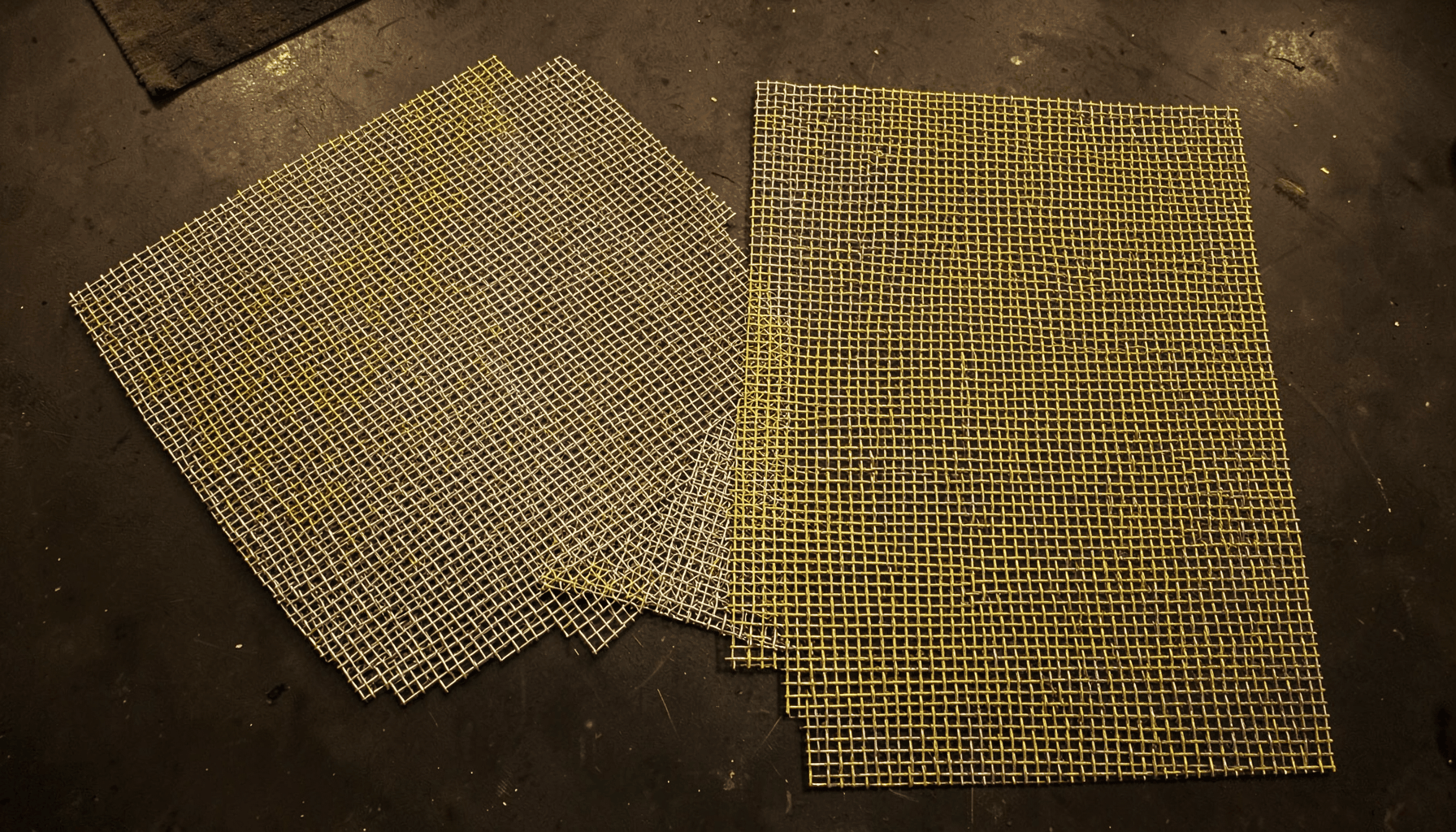
Woven wire mesh serves different purposes from welded reinforcing mesh. Its interlaced construction can be valuable in filtration, screening and separation, where fine openings and flexibility matter; a comparison of woven mesh performance explains why it can outperform expanded metal in fine filtration. For a concrete slab, however, reinforcement must be specified for load transfer, crack control and embedment rather than selected from a filtration product range.
Planning Supply For Residential And Industrial Jobs
Residential builders often need predictable delivery, manageable sheet sizes and products that can be unloaded safely on narrow suburban blocks. Industrial projects may require larger quantities, staged deliveries, traceability documents and coordination with concrete pours. A manufacturer that handles cutting, processing and custom orders can reduce site adjustment and material waste.
The purchasing brief should identify the slab type, dimensions, reinforcement schedule, exposure category, delivery location and required documentation. It should also state whether mesh is for a structural slab, pavement, precast component, wall panel or another application. Clear information prevents a generic fencing or filtration mesh from being confused with certified reinforcing material.
On Australian sites, practical details can determine whether a product performs as intended. A delivery truck must access the property, bundles need stable storage, and sheets should be lifted with suitable equipment rather than dragged across a membrane. For projects outside major cities, early ordering allows time for fabrication, transport and weather-related delays during the wet season.
Site Checks Before The Concrete Pour
A short inspection can catch problems while they are still easy to correct. The builder, concreter and engineer should confirm that the installed reinforcement reflects the drawings and that services have not forced unapproved changes.
Useful checks before pouring include:
- Correct mesh type, grade, dimensions and quantity
- Adequate supports, cover and stable sheet positioning
- Required laps, ties, edge bars and trench mesh installed
- Openings, penetrations and construction joints coordinated
Site handling also affects worker safety and finished quality. Welded sheets have sharp edges and can be awkward to carry, so gloves, safe lifting practices and clear access routes are important. Mesh should remain free from heavy mud, oil and loose debris that could interfere with concrete encasement.
Storage and delivery controls deserve equal attention:
- Keep bundles supported above the ground and away from standing water
- Protect sheets from damage during unloading and movement
- Check labels and delivery documents against the reinforcement schedule
- Photograph installed areas before concrete placement
These steps are simple, yet they help create a record for the project file and make communication easier between the steel supplier, site manager, engineer and certifier. If a sheet is damaged, severely bent or incorrectly supplied, it should be isolated and assessed before installation rather than quietly used in a critical area.
Welded wire mesh can make concrete slab construction more consistent, but its value depends on correct engineering, compliant materials and careful placement. Australian projects benefit from early coordination between design teams and suppliers, particularly where ground movement, coastal exposure, remote freight or demanding industrial loads are involved.
Shuo Ke Wire Mesh Product Technology Co., Ltd. supports tailored metal mesh manufacturing and processing for industrial, architectural and practical applications. For a concrete reinforcement requirement, provide the drawings, mesh schedule, dimensions, material expectations and delivery location so the appropriate fabrication and documentation can be assessed before production. Start the procurement process early to secure suitable welded mesh and keep the slab pour on schedule.