Why Woven Wire Mesh Excels In Fine Filtration
Fine filtration depends on predictable openings, stable flow, and dependable particle retention. While expanded metal is useful for guards, screens, walkways, and coarse separation, woven wire mesh offers a level of dimensional control that is better suited to demanding filtration duties. Its interlaced wires create repeatable apertures across the filtering surface, allowing engineers to specify performance with much greater accuracy.
The distinction becomes especially important when a process must remove small solids without creating excessive pressure loss. Liquid, gas, powder, and slurry systems all respond to the geometry of the filter media. A small change in opening size, wire diameter, or open-area percentage can affect throughput, service life, cleaning frequency, and product quality.
Shuo Ke Wire Mesh Product Technology Co., Ltd. manufactures and processes stainless steel, aluminum, copper, iron, and alloy mesh for industrial and architectural applications. Its customized approach supports filter elements, baskets, screens, and other components where material selection and fabrication quality must match the operating environment.
Why opening control matters
Woven wire mesh is produced by interlacing wires in controlled patterns, commonly plain weave, twill weave, Dutch weave, and variations designed for specific filtration needs. The resulting openings can be selected by mesh count, aperture size, wire diameter, and weave type. This gives designers several ways to balance particle retention with flow capacity.
A filter with a smaller aperture can capture finer particles, but it may also create greater resistance to flow. A larger aperture improves throughput but allows more solids to pass. Because woven mesh specifications are measurable and repeatable, the filter can be matched to a target separation range instead of being selected only by visual appearance.
Open area is another important factor. It describes the proportion of the mesh surface available for fluid or air passage. Two screens may have similar nominal openings but different wire diameters, resulting in different open areas and pressure drops. Engineers reviewing flow-rate guidance can use these relationships to avoid selecting a filter that restricts production capacity.
Woven structures for precise retention
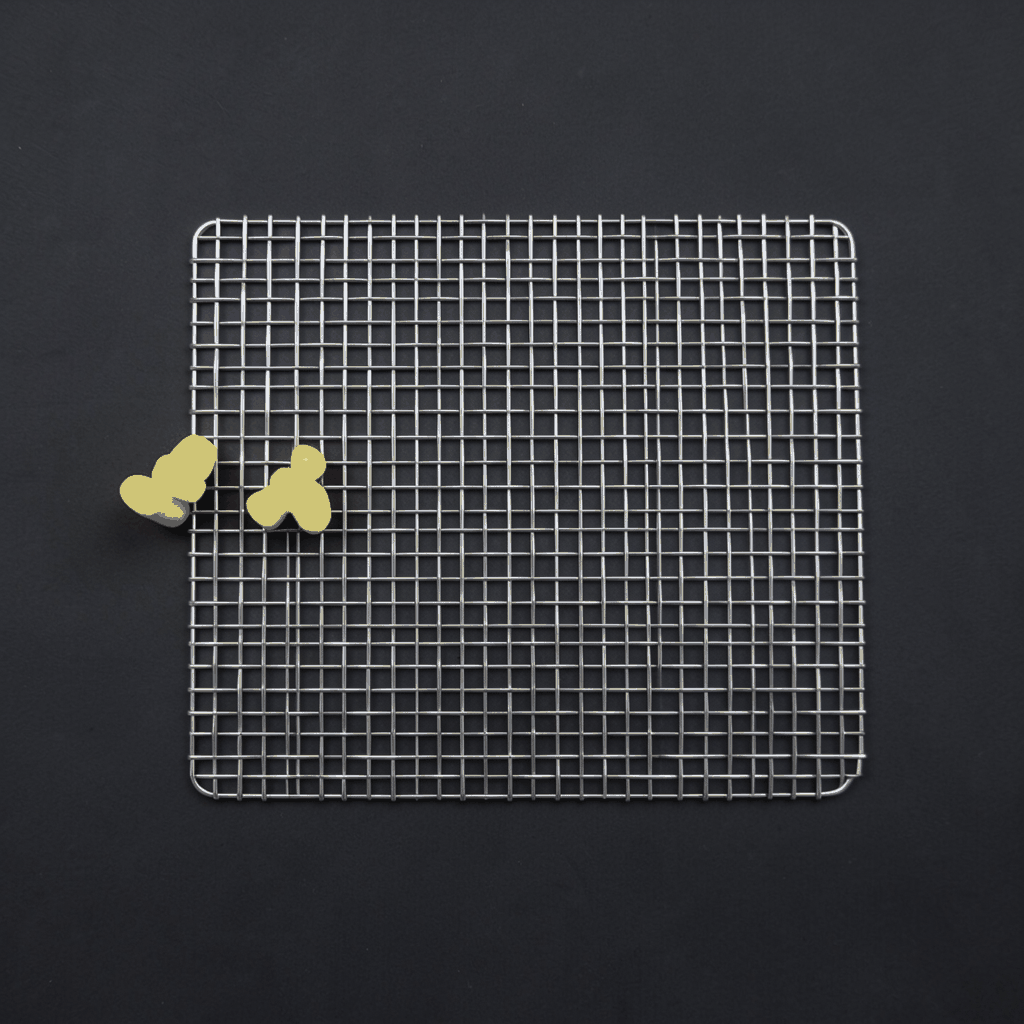
The greatest advantage of woven wire mesh is its consistent aperture geometry. Each crossing of the warp and weft wires contributes to a defined filtering pattern. When properly manufactured, the surface provides uniform openings that support stable separation from one section of the filter to another.
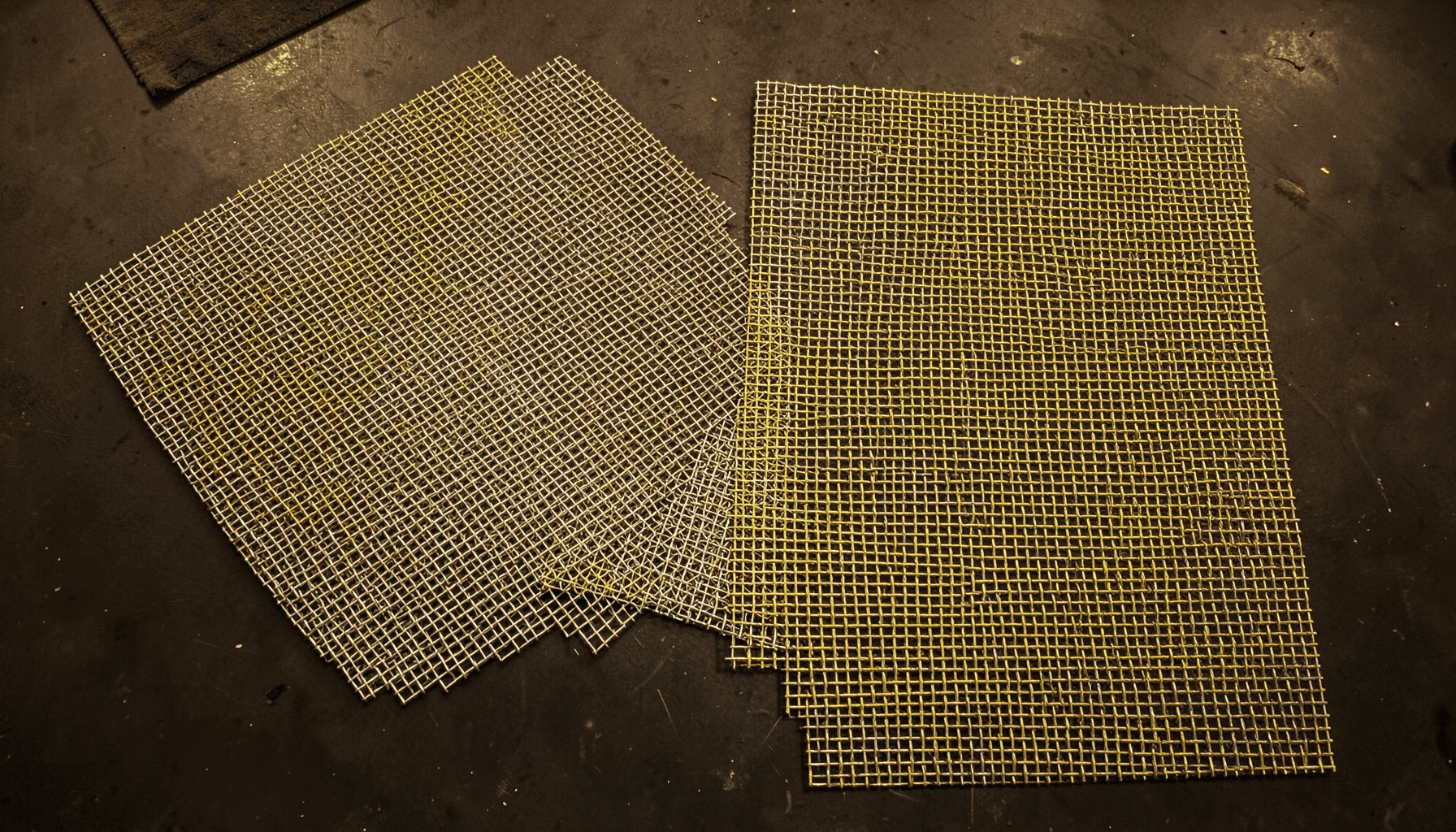
Plain weave is widely used for general-purpose filtration because it is straightforward, economical, and available in many mesh counts. Twill weave can accommodate finer wires or smaller openings while maintaining useful strength. Dutch weave uses a denser wire arrangement and is often selected when high mechanical retention or fine particle separation is required.
For very fine filtration, the relationship between wire diameter and aperture is critical. A thin wire can provide a larger open area at a given opening size, although it may have less resistance to impact or abrasion. A heavier wire increases durability but can reduce permeability. Woven mesh allows this balance to be adjusted through the weave and material rather than forcing the designer to accept one fixed geometry.
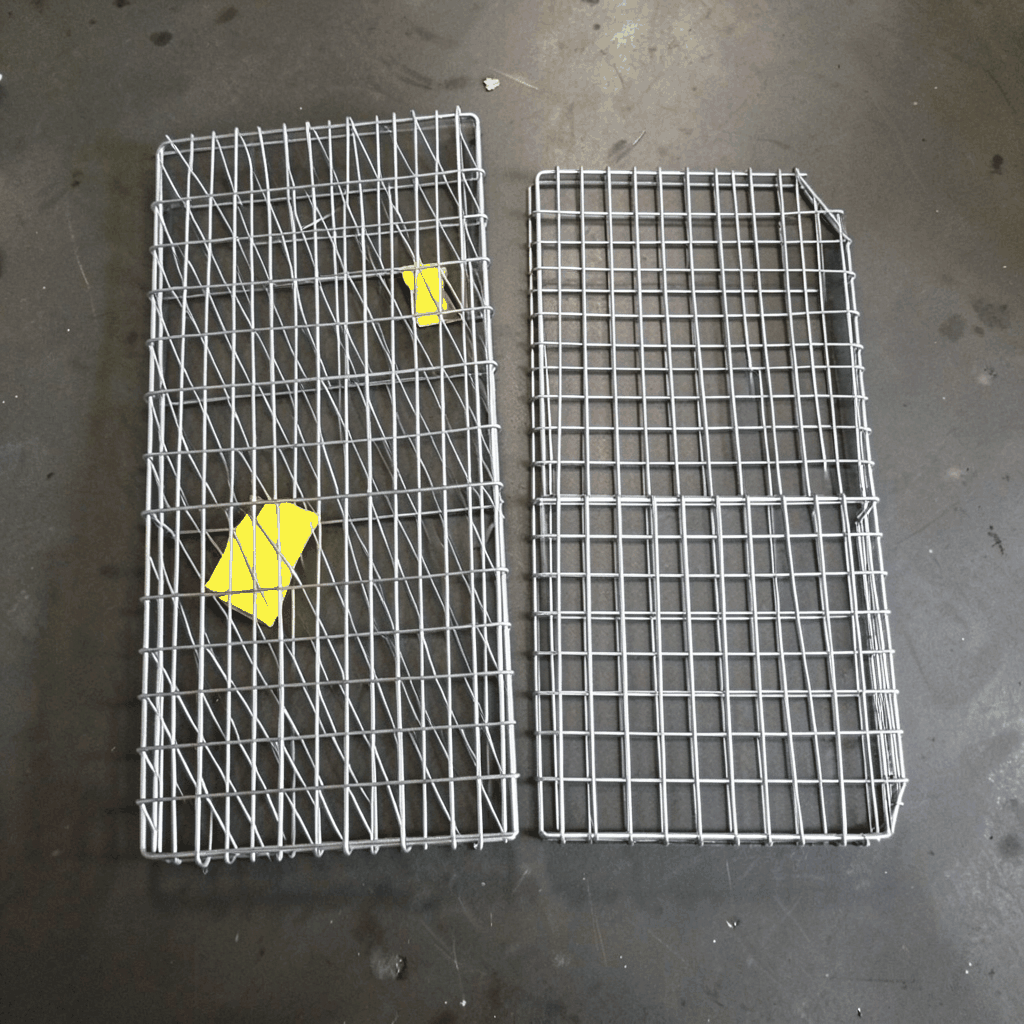
The mesh can also be supplied as a flat sheet, cut disc, cylindrical cartridge, welded frame, filter basket, or multilayer element. This fabrication flexibility helps integrate the filter into pumps, pipelines, hoppers, pressure vessels, dust collectors, and processing equipment.
Where expanded metal loses precision
Expanded metal is manufactured by slitting and stretching a solid sheet, creating diamond-shaped or customized openings. This process produces a strong, lightweight structure with excellent rigidity and useful surface coverage. It is well suited to ventilation panels, machine guards, walkways, security screens, protective covers, and coarse screening.
Its geometry, however, is less suitable when the process requires tight particle-size control. The openings are formed by strands and bonds that can vary in effective shape depending on viewing direction, sheet thickness, and the expansion process. A diamond opening is also less comparable to the regular square or rectangular aperture of woven filtration mesh.
Expanded metal may allow larger solids or fibers to catch on strand intersections. This can be beneficial in protective screening, but it may cause faster blinding when used for fine particulate filtration. Cleaning can also be less predictable because particles may lodge along the raised strands and inside the irregular passage paths.
The material remains valuable for high-strength, coarse filtration and support layers. It can protect a finer filter from large debris or act as a structural backing. The issue is not that expanded metal is weak or ineffective; its design priorities favor strength and open structural coverage rather than highly controlled micron-level separation.
| Performance factor | Woven wire mesh | Expanded metal |
|---|---|---|
| Opening geometry | Regular apertures formed by interlaced wires | Diamond or custom openings formed by slitting and stretching |
| Fine particle retention | Highly controllable through mesh, aperture, and weave | Generally limited for precision fine filtration |
| Flow predictability | Easier to calculate from aperture and open area | Influenced by strand shape, orientation, and thickness |
| Surface behavior | Smooth, selectable wire profile | Raised strands may collect solids |
| Cleaning | Suitable for backwashing, brushing, vibration, or ultrasonic methods | Cleaning may be affected by irregular passages |
| Structural strength | Can be reinforced, laminated, or supported | Strong sheet structure with good rigidity |
| Typical filtration role | Fine screens, filter elements, sieves, baskets | Coarse screens, guards, supports, pre-filtration |
| Customization | Broad choice of materials, weaves, and mesh counts | Choice of sheet thickness, strand, and opening style |
Performance across operating conditions
In liquid filtration, woven stainless steel mesh can provide stable screening in water treatment, chemical processing, fuel handling, hydraulic systems, and food production. Stainless steel grades such as 304 and 316 are commonly considered when corrosion resistance, cleanability, or exposure to process chemicals is important. The appropriate grade depends on the fluid, temperature, chloride content, and cleaning chemicals.
For gas and air filtration, the open-area ratio influences velocity and pressure drop. A tightly woven screen may retain fine dust but require a larger filter area or staged filtration arrangement. Woven mesh can also serve as a support or reinforcement layer in pleated, sintered, or composite filter assemblies.
Powder processing requires attention to particle shape and behavior. Fine powders may pass through an opening that appears suitable when measured with spherical test particles. They may also bridge across apertures, build static charge, or form a cake on the surface. A suitable weave can improve separation, while proper equipment design determines whether the deposited layer is removed efficiently.
Temperature and mechanical loading also affect material selection. Stainless steel and nickel-based alloys can serve in demanding environments, while aluminum may be useful where low weight and moderate corrosion resistance are priorities. Copper mesh provides conductivity and particular thermal characteristics. The filter support, frame, welds, and edge treatment should be selected with the same care as the mesh itself.
Cleanability and service life
A fine filter is useful only when it can maintain performance during operation. Woven mesh has a comparatively smooth and accessible surface, which supports several cleaning methods. Depending on the material and construction, it may be backwashed, air-blown, brushed, vibrated, chemically cleaned, or treated ultrasonically.
The choice of cleaning method should reflect the weave and the retained material. A delicate fine mesh may require controlled pressure to prevent deformation. A heavier Dutch weave may withstand more demanding service. Welded edges, reinforced rims, and framed assemblies can help preserve shape during repeated installation and cleaning cycles.
Expanded metal can be durable under impact and vibration, but its raised strands and irregular openings may make fine deposits harder to dislodge. If the screen is used as a pre-filter, this may not create a serious problem. In a precision separation stage, however, gradual blockage can increase pressure drop and reduce effective capacity.
Service life also depends on abrasion. Coarse particles moving at high velocity can wear fine wires, especially in bends, vibrating equipment, or slurry lines. Woven mesh can be specified with a heavier wire or protected by a coarse upstream layer. A staged arrangement often performs better than asking one fine screen to handle every particle size.
Choosing the right woven specification
Mesh count is a useful starting point, but it should not be treated as the only specification. The actual aperture, wire diameter, open area, weave, material grade, tolerance, and finished dimensions all influence filter performance. A supplier should receive information about the target particle size, fluid or gas, operating temperature, pressure, flow rate, and cleaning method.
For applications involving very fine particles, Dutch weave may offer improved retention compared with a standard square mesh. For general screening, plain weave may provide a practical balance of cost, permeability, and availability. Twill weave can be considered when greater strength is needed within a fine opening range.
Filter shape also matters. A flat screen may be suitable for a sieve or removable panel, while a basket or cylindrical element can provide more active surface area inside a compact housing. Edge reinforcement prevents fraying and simplifies handling. Frames, gaskets, flanges, and welded seams should not obstruct too much of the available flow area.
Testing is valuable when the filtration duty is sensitive. A pilot sample can reveal actual pressure drop, retention efficiency, cake formation, and cleaning behavior. It can also show whether the selected wire grade resists corrosion and whether the finished element fits the equipment without distortion.
Procurement priorities for dependable results
A successful fine filtration project requires coordination between process requirements and fabrication details. The following priorities help reduce the risk of premature blockage, poor fit, or inconsistent separation:
- Define the required particle retention range and distinguish nominal filtration from absolute retention.
- Compare aperture size, wire diameter, open area, and weave instead of choosing by mesh count alone.
- Select stainless steel, aluminum, copper, iron, or another alloy according to corrosion, temperature, abrasion, and conductivity requirements.
- Confirm the filter’s dimensions, edge treatment, frame, weld quality, and mounting method before production.
- Request samples or performance testing when pressure drop, product purity, or cleaning cycles are critical.
A qualified manufacturer can also recommend a layered design. For example, expanded metal or coarse woven mesh may protect a finer woven layer from large debris, while a supporting screen can prevent deformation under pressure. This arrangement uses each material where its geometry is most advantageous.
Shuo Ke Wire Mesh Product Technology Co., Ltd. can customize mesh products for industrial filtration, baskets, screens, guards, and related assemblies. Its experience with different metals and fabricated forms supports projects that require more than a standard roll of mesh. Clear drawings, operating data, and sample requirements make it easier to produce a filter that performs consistently in real service.
When the goal is fine filtration, woven wire mesh provides the strongest combination of aperture precision, predictable flow, cleanability, and design flexibility. Expanded metal continues to have an important role in coarse screening and structural protection, but its open geometry is rarely the best choice for highly controlled particle separation.
Share your filtration medium, target opening, flow conditions, material preference, and component dimensions with Shuo Ke Wire Mesh Product Technology Co., Ltd. The company can help develop a durable woven mesh screen, basket, panel, or customized filter assembly for your application.