Why Crimped Wire Mesh Improves Walkway Slip Resistance
Walkway safety depends on how reliably a surface maintains contact with footwear, tires, or equipment under changing conditions. Dust, rainwater, oil, snow, mud, and process residue can turn a smooth floor into a hazardous route, especially near entrances, platforms, stairs, loading zones, and industrial machinery. The right metal mesh can reduce this risk by combining physical grip with fast drainage.
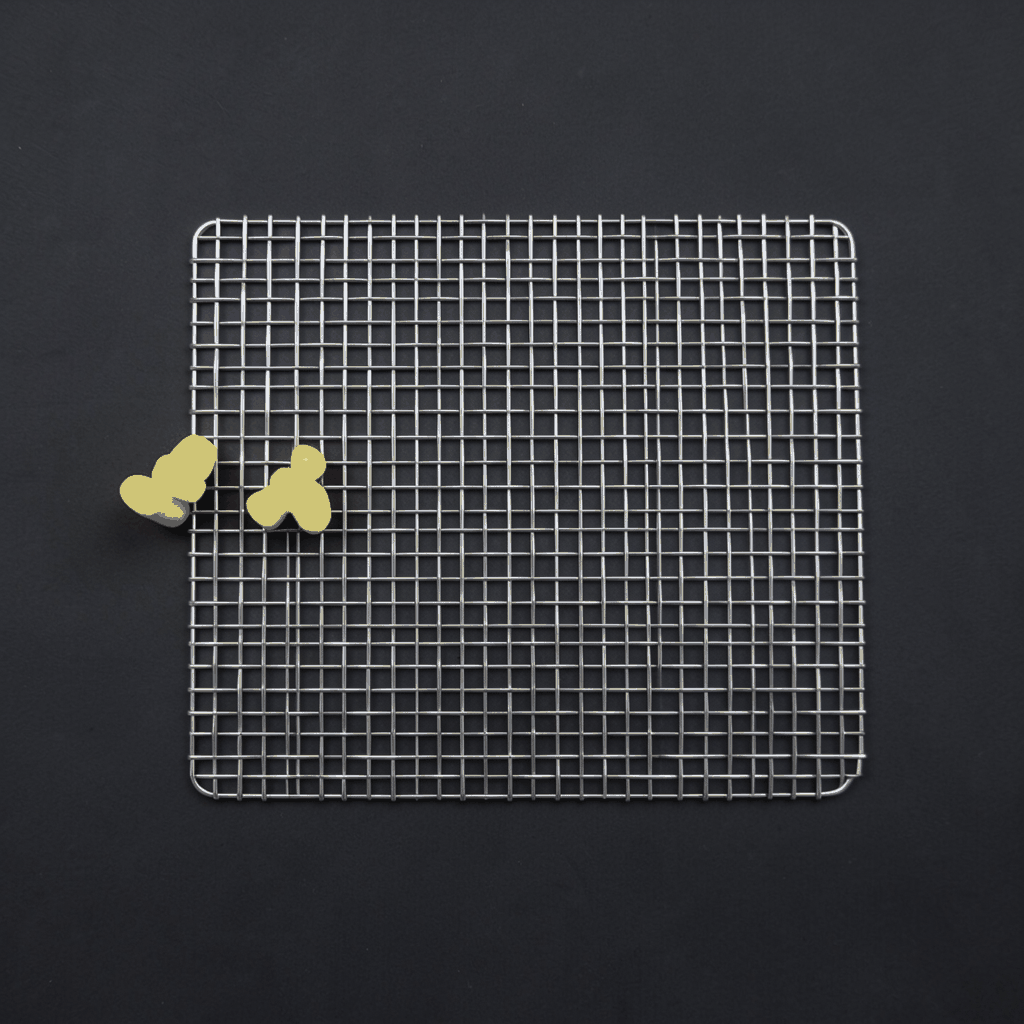
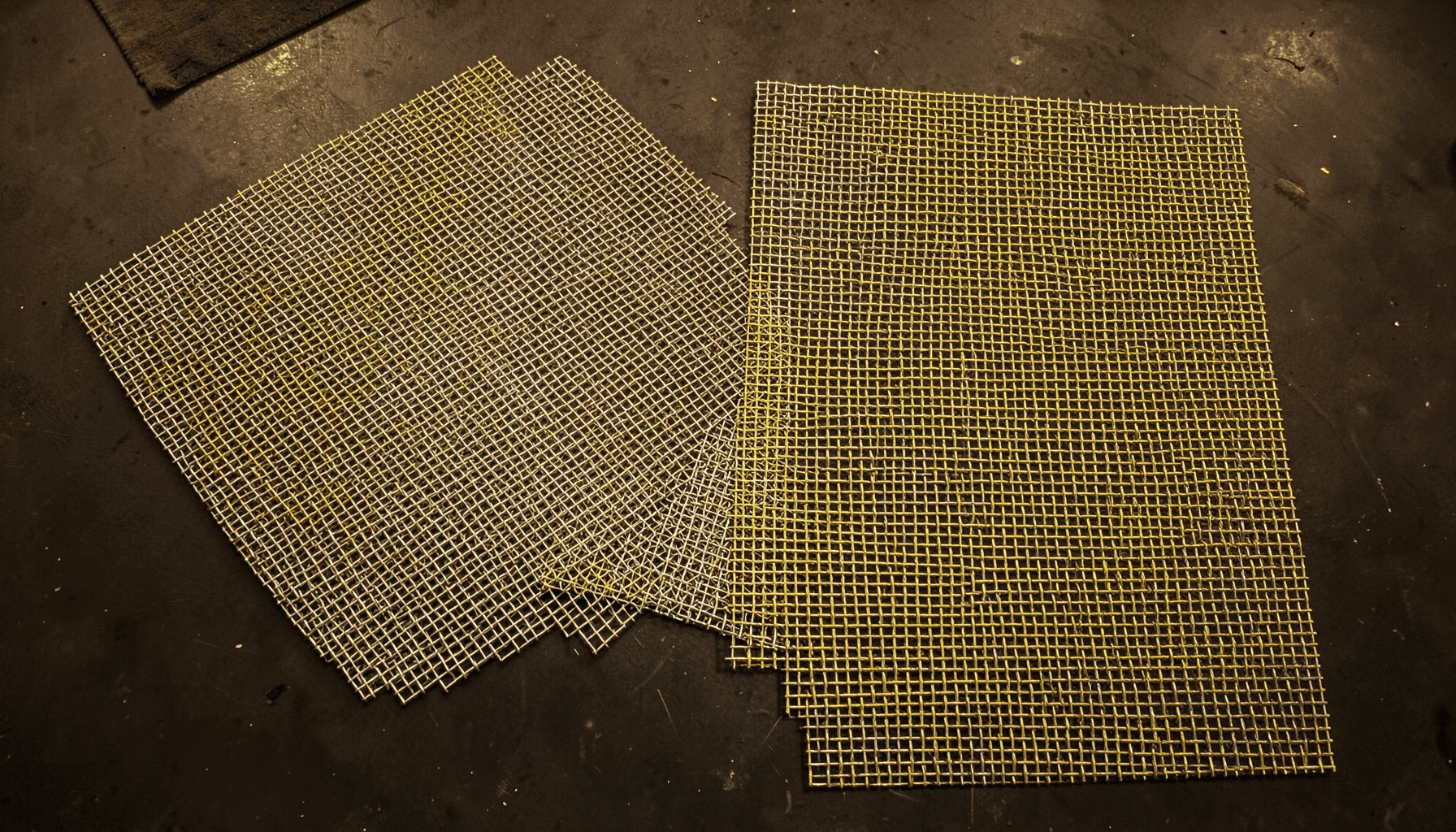
Crimped wire mesh is widely used for this purpose because its formed wires create a textured walking plane rather than a completely flat sheet. The repeated ridges and openings help footwear engage with the surface while allowing liquids and loose debris to move away from the contact area. This makes the material useful for architectural walkways as well as demanding industrial access routes.
Slip resistance is influenced by the complete walkway design, not by mesh pattern alone. Wire diameter, opening size, crimp shape, panel support, material finish, installation quality, and maintenance all affect performance. A carefully selected crimped mesh panel can provide a durable balance of traction, drainage, visibility, and load-bearing capacity.
Why surface geometry matters
A flat metal surface offers limited mechanical grip when water or contamination forms a thin film between the sole and the floor. The film can reduce friction and make the surface feel unexpectedly slippery. Crimped wire mesh interrupts that continuous plane with raised wire profiles and open spaces, giving the sole more opportunities to contact solid edges.
The shape of the wire also influences how pressure is distributed. When a person steps onto a crimped panel, the load is concentrated across multiple formed wires instead of spreading evenly over a smooth plate. This can improve the bite of work boots, safety shoes, and textured rubber soles, particularly when the walker is turning, stopping, or carrying a load.
The result is a surface with passive traction built into its construction. It does not rely on a coating that may wear away quickly or become polished through repeated traffic. When the mesh is correctly specified, the three-dimensional profile remains part of the metal structure throughout the service life of the walkway.
How crimped profiles create grip
Crimping is a forming process that gives each wire a controlled wave, notch, or repeating bend before the wires are assembled or woven. The finished mesh has a structured surface with contact points at different heights. These small changes in elevation help footwear resist sliding in several directions.
The effect is especially useful during forward movement and lateral movement. A smooth floor may allow a shoe to glide when force is applied at an angle, while a crimped profile can catch tread blocks and increase resistance to sideways displacement. This matters on ramps, maintenance platforms, catwalks, and pedestrian bridges where users may not place their feet perfectly flat.
Different crimp patterns produce different levels of surface texture. Plain crimped wire mesh provides regular raised contact points and a balanced appearance. Intercrimped and lock-crimped patterns can provide greater dimensional stability, while more pronounced or serrated configurations may be selected where aggressive traction is required. The appropriate pattern should match the footwear, contamination level, slope, and expected load rather than being chosen for appearance alone.
The open structure also reduces the chance that water will remain trapped beneath a shoe. Drainage does not replace surface grip, but it supports it by limiting the formation of a continuous lubricating layer. For outdoor walkways and wet industrial environments, this combination of raised geometry and open area is one of the principal advantages of wire mesh flooring.
Materials, open area, and drainage
Stainless steel crimped wire mesh is a strong choice for areas exposed to moisture, cleaning chemicals, salt, or changing weather. Its corrosion resistance helps preserve the wire profile and structural integrity over time. Aluminum mesh is lighter and can be useful when weight reduction is important, while galvanized or coated iron mesh may offer a practical solution for controlled environments and general-purpose access platforms.
Material selection should account for more than initial cost. Corrosion can roughen, weaken, or distort a walkway panel, changing both its load performance and its traction. In coastal facilities, food-processing spaces, wastewater plants, and chemical areas, the alloy and surface treatment should be selected according to the specific exposure. Shuo Ke Wire Mesh Product Technology Co., Ltd. works with stainless steel, aluminum, copper, iron, and other alloys for customized architectural and industrial mesh applications.
The percentage of open area affects drainage, visibility, cleaning, and comfort underfoot. Larger openings can release water and debris quickly, but they must remain suitable for the shoe size, trolley wheels, tools, and local safety requirements. Smaller openings provide a more continuous walking surface but may retain more contamination if the panel is not cleaned regularly.
Wire diameter and panel span are equally important. A fine mesh may have an attractive texture but lack the rigidity required for heavy foot traffic or service equipment. A heavier wire can support greater loads and resist deformation, although it may increase weight and material cost. Engineering the opening and wire size together creates a more reliable walkway than selecting either feature in isolation.
| Walkway condition | Useful mesh characteristics | Main design priority |
|---|---|---|
| Covered indoor passage | Moderate crimp, stable panel support, easy cleaning | Comfortable traction and appearance |
| Outdoor pedestrian walkway | Corrosion-resistant alloy, open drainage area, secure fastening | Weather resistance and water release |
| Industrial platform | Heavy wire, rigid crimp pattern, suitable load capacity | Structural stability and long service life |
| Wet or contaminated zone | Raised profile, effective openings, corrosion-resistant finish | Grip, drainage, and cleanability |
| Ramp or stair tread | Higher-texture pattern, close support spacing, firm edges | Resistance to forward and lateral slip |
| Service area with carts | Reinforced mesh, controlled opening size, strong framing | Wheel movement and impact resistance |
Comparing walkway mesh options
Crimped wire mesh differs from perforated plate and expanded metal because its traction comes from formed wires and repeated intersections. Perforated plate creates a relatively flat surface with holes, so its drainage performance can be good but its grip depends more heavily on hole edges and any added treatment. Expanded metal has raised strands and strong directional geometry, although its diamond openings and sharp strand profiles may be less comfortable for some pedestrian uses.
Grating with serrated bars can deliver very aggressive slip resistance, particularly on stairs, industrial platforms, and oily surfaces. It may, however, feel less comfortable for extended walking and can have a more pronounced visual and structural appearance. Crimped mesh offers a middle ground: a textured surface with good drainage, a lighter visual effect, and the flexibility to use different alloys, wire sizes, and opening patterns.
The best choice depends on the balance between traction and the user experience. A public walkway may require a neat architectural finish, low snag risk, and comfortable foot contact. A maintenance platform inside a factory may prioritize maximum grip, load capacity, and the rapid release of oil or water. Comparing the options against actual operating conditions prevents over-specification in one area and underperformance in another.
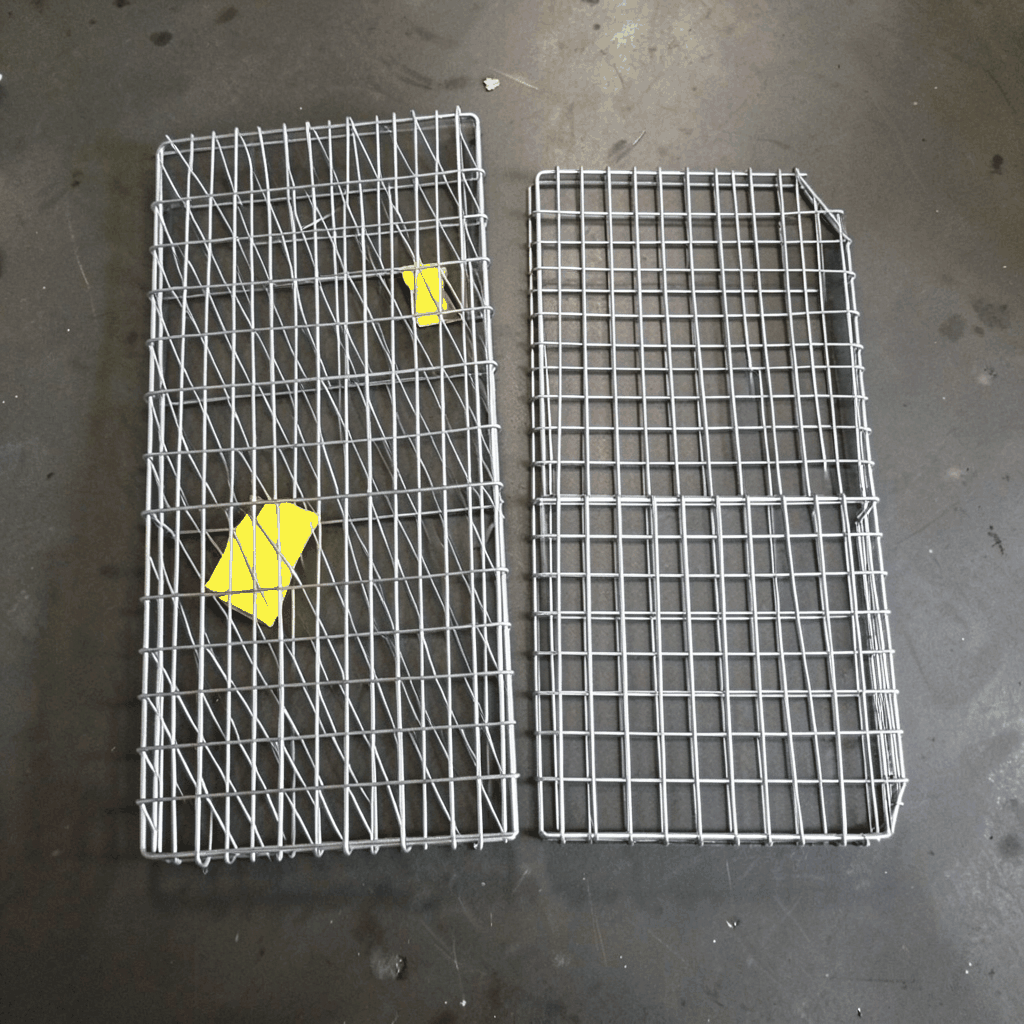
Crimped mesh can also be fabricated for related industrial functions where controlled openings and formed wire geometry are valuable. For example, manufacturers producing custom metal mesh baskets must consider wire strength, shape retention, handling loads, and the movement of materials through the mesh. The same attention to forming accuracy and application-specific construction is important when producing walkway panels.
Design details that protect performance
A slip-resistant mesh surface performs best when the surrounding installation supports its intended function. Panels should be secured against movement, rocking, and vibration, since a loose walkway can create a trip hazard even when its surface has excellent grip. Edges, transitions, stair nosings, and changes in elevation require particular attention because users are more vulnerable during those movements.
The supporting frame must be matched to the panel span and expected load. Excessive deflection can make a walkway feel unstable and may gradually loosen fasteners. Welded frames, bolted connections, clips, and reinforced borders can all be appropriate, depending on whether the system is permanent, removable, exposed to vibration, or designed for frequent maintenance access.
A good specification should address cleaning as well as installation. Open mesh is easier to rinse and inspect than a solid floor, but grease, compacted soil, and fibrous waste can still collect at wire intersections. Regular cleaning preserves the texture and open area. Damaged, bent, or heavily corroded panels should be repaired or replaced before they affect safe movement.
Practical recommendations include:
- Choose the mesh material according to moisture, chemicals, salt, heat, and cleaning agents in the operating environment.
- Match wire diameter, opening size, and crimp pattern to pedestrian traffic, carts, equipment, and span requirements.
- Use a more pronounced traction profile on ramps, stairs, oily platforms, and areas exposed to persistent wet contamination.
- Provide secure edge framing and fastening to prevent panel movement, lifted corners, and unstable transitions.
- Include drainage, inspection, and cleaning access in the walkway layout from the beginning of the project.
Selecting the right crimped mesh specification
A reliable selection process begins with a site review. Identify where water, oil, mud, snow, dust, or production residue enters the walkway, then observe how users move through the area. Straight walking on a dry indoor passage places different demands on a surface than turning on a wet ramp while carrying tools. Footwear and wheeled traffic should also be considered because a pattern suitable for boots may behave differently under small casters.
Next, define the structural requirements. The manufacturer needs information about panel dimensions, support spacing, anticipated live loads, impact loads, and whether the mesh will be used horizontally, vertically, or at an angle. For architectural projects, color, finish, transparency, and visual alignment may be important. For industrial projects, corrosion resistance, cleanability, replacement access, and long-term dimensional stability may take priority.
Customized production can help resolve competing requirements. A manufacturer may adjust alloy, wire diameter, crimp configuration, panel size, border construction, and surface finish to suit a particular walkway. Samples or prototype sections are valuable when the project involves unusual footwear, aggressive contamination, heavy carts, or a demanding appearance standard. They allow stakeholders to assess traction, drainage, comfort, and cleanability before full production.
Crimped wire mesh provides better slip resistance for many walkways because it combines textured contact points, open drainage, and durable formed geometry. Its performance becomes strongest when the mesh pattern, alloy, structural support, and maintenance plan are treated as one system. With a correctly engineered specification, it can protect users while preserving the practical and decorative qualities expected from modern metalwork.
Bring walkway dimensions, environmental conditions, load requirements, and preferred material to Shuo Ke Wire Mesh Product Technology Co., Ltd. for a customized mesh solution. Request a suitable crimp pattern, opening size, wire diameter, and finish for the project, then move from a general safety goal to a walkway system engineered for dependable everyday use.