Wire Mesh Baskets Built for Steam Sterilization in Hospitals
Steam sterilization remains the backbone of infection control in hospitals, day surgeries, and dental clinics across Australia. From large tertiary centres in Sydney and Melbourne to regional hospitals in Townsville and Launceston, sterile processing departments rely on autoclaves running at 121 °C or 134 °C to render instruments safe for reuse. The baskets that carry those instruments into the chamber must do more than hold their contents — they have to survive thousands of thermal cycles, allow steam to reach every surface, and resist the corrosive chemistry of modern detergents used in washer-disinfectors.
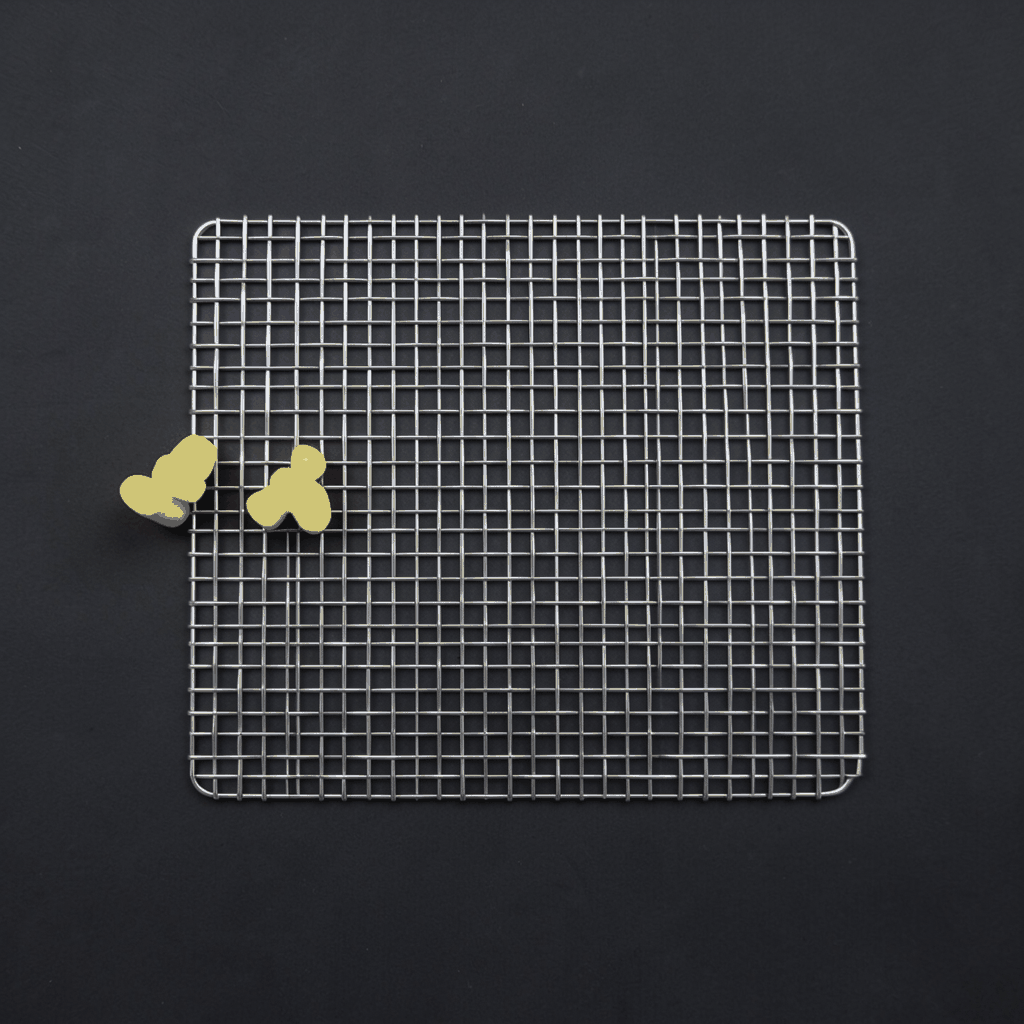
Stainless steel wire mesh baskets are the workhorses of this environment. Their open geometry lets saturated steam penetrate wrapped trays and individual instruments, while the metal frame resists deformation when loaded with orthopaedic sets, laparoscopic towers, or general surgical kits. Choosing the right basket, or commissioning a custom design, shapes the throughput, traceability, and long-term cost of a sterilizing service. The sections below walk through the materials, design choices, compliance questions, and sourcing considerations relevant to Australian facilities.
Material grade and what it means in a steam autoclave
The most common basket material is austenitic stainless steel, with 304 (1.4301) and 316 (1.4401) the two grades most often specified by hospital procurement teams. Grade 304 is cost-effective and entirely adequate for general instrument trays, provided the local steam supply is not aggressive and the water used in the washer-disinfector sits within typical town-supply limits. Where steam is generated from bore water, or where chloride-based cleaning chemistries are routine, 316L offers measurably better pitting resistance. In coastal cities such as Perth or Brisbane, where ambient humidity sits high for much of the year and air-conditioning condensate lingers on metal surfaces, the extra molybdenum content of 316L pays for itself in longer basket life.
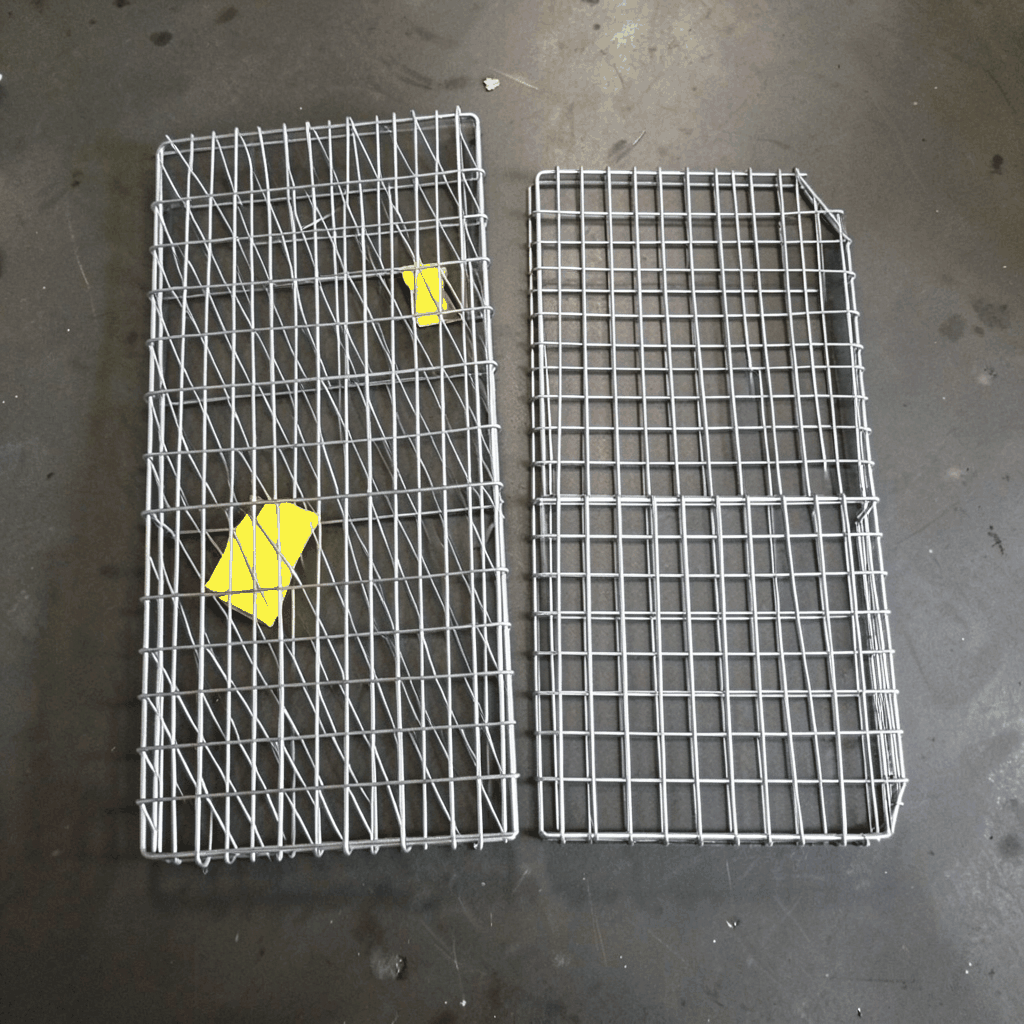
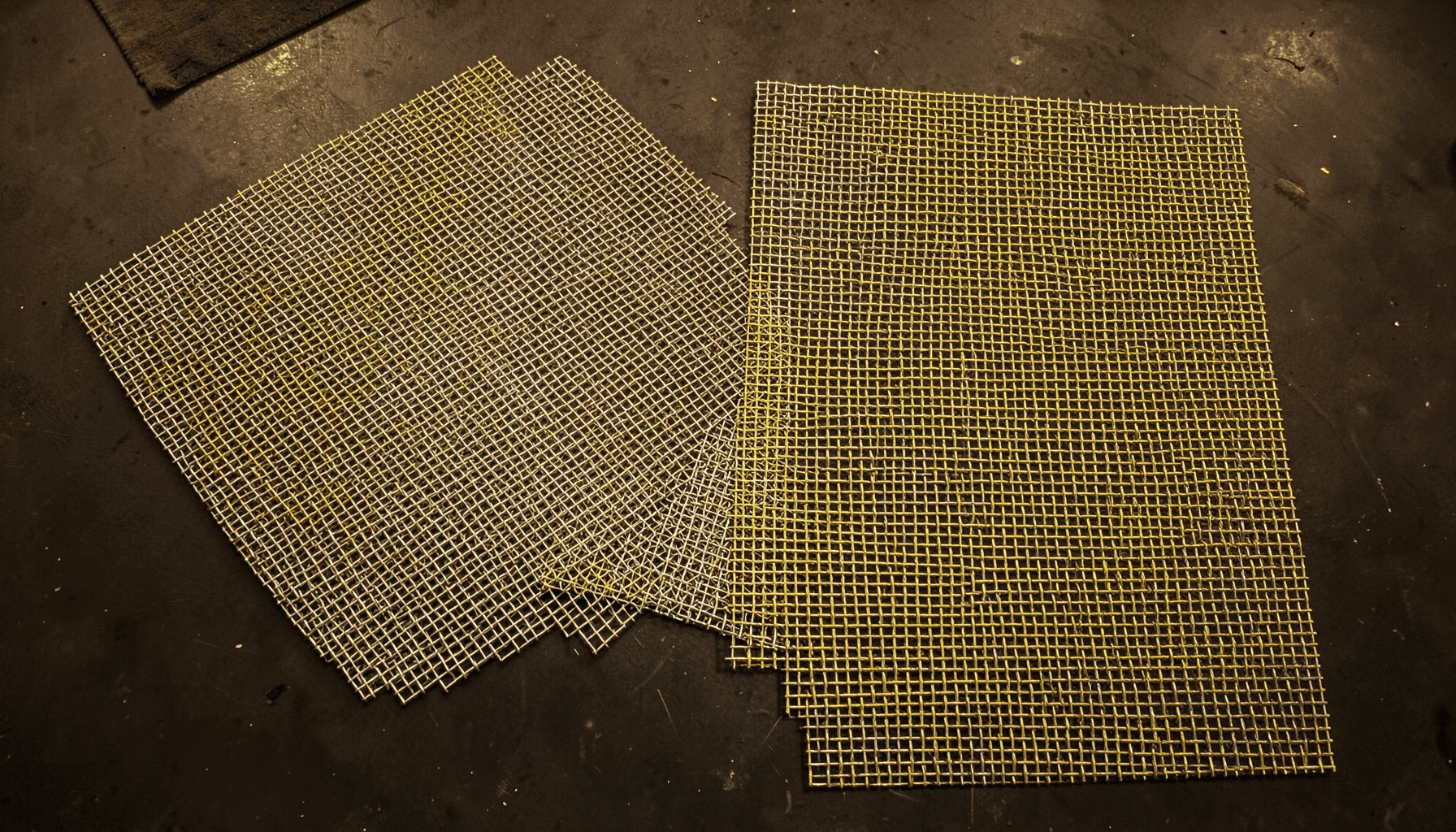
Beyond the grade itself, the wire diameter and weld pattern matter just as much. Spot-welded frames built from round or flat bar stock give the rigidity needed for repeated loading, while the mesh infill is usually woven from fine wire to maximise open area. A basket pressed from sheet metal cannot match the steam penetration of a true mesh product, and that difference shows up directly in dry-time failures and wet packs at the end of the cycle. Surface finish is another quiet but important factor — an electropolished or fine-grained finish sheds condensate faster and is easier to wipe down between cycles.
Design features that keep steam moving
Open area is the single most important specification after material grade. Steam must enter, contact every instrument, and leave as condensate, so most baskets are designed with 50 percent or more open area across their walls and base. Square or rectangular mesh apertures are common because they support heavier loads and resist deformation better than diamond patterns of equivalent wire diameter. Aperture size is usually tuned to the smallest instrument in the tray so that nothing can slip through and end up damaging the chamber drain.
Ergonomic touches make a measurable difference in a busy CSSD. Drop-on lids without latches speed loading and prevent steam pockets from forming over the load. Stacking feet or rolled rims allow baskets to nest during transport between the wash bay, the packing room, and the autoclave. Recessed or fold-down handles keep hands away from hot metal at unload, and they survive repeated passage through chamber carts better than protruding wire loops. For instrument sets that must be tracked individually, brackets for RFID or barcode tags are often built into the rim at the fabrication stage so that the identifier travels with the basket.
Dividers and silicone-tipped instrument holders are frequently added inside the basket so that scissors, forceps, and suction tips stay separated and aligned. This not only protects cutting edges but also ensures steam reaches every surface, which is exactly what sterile processing staff in Adelaide and Hobart want when a tray fails a Class 4 chemical indicator test and has to be reprocessed. The more thoroughly steam can circulate inside the basket, the fewer reworks and the lower the consumption of Bowie-Dick test consumables over a year.
Australian standards and compliance considerations
Sterilizing practice in Australia is anchored by AS/NZS 4187, the joint standard that covers cleaning, disinfection, and sterilizing of reusable medical devices. The standard calls for load carriers that are compatible with the sterilizer chamber, do not trap condensate, and can be cleaned themselves between cycles. Wire mesh baskets, when correctly specified, meet these requirements comfortably because every surface is accessible to manual cleaning, ultrasonic baths, and washer-disinfectors. The standard also expects load carriers to be inspected regularly, which is far easier when the construction is open and visible.
For office-based practices such as dental clinics and specialist rooms, AS/NZS 4815 provides a parallel framework with slightly different validation expectations. Smaller basket footprints and lidless designs are typical in this setting, and many dental surgeries in suburban Melbourne and Brisbane prefer compact baskets sized to fit a cassette-based instrument workflow. Aged-care facilities running their own small autoclaves fall into a similar bracket and often ask for baskets that fit a single resident-care set rather than a full surgical tray.
The Therapeutic Goods Administration does not regulate baskets directly, but it does oversee the autoclaves and the sterilizing services that use them. Facilities seeking accreditation against the National Safety and Quality Health Service (NSQHSS) Standards are expected to demonstrate that their equipment supports validated cycles, and that includes the carriers. Documentation from the basket supplier — material certificates, weld procedure records, and dimensional drawings — is often requested during audit, so manufacturers with traceability back to the melt of the steel are at an advantage. Aged-care providers in particular are under closer scrutiny since the national reforms tightened clinical governance in residential care.
Matching basket design to throughput
A 600-bed hospital in western Sydney might run several hundred sterilizer cycles every day, with instrument sets ranging from a simple suture pack to a full orthopaedic tray weighing more than ten kilograms. Baskets for these environments are usually 600 mm by 400 mm or sized to fit modular container systems already in service. The frame needs to support the weight without flexing, and the base mesh must not sag after years of cycle stress. Wheeled loading cars, which are common in larger public hospitals, dictate the overall footprint of the basket fleet so that loads can be moved efficiently between departments.
Smaller private hospitals and day procedure centres often prefer baskets that double as storage and transport containers, with stackable designs that integrate with their existing case-cart systems. Some facilities have moved toward colour-coded frames so that loan sets from external suppliers can be identified at a glance on the sterilizer loading car. Others have asked for removable dividers so the same basket can hold a vascular set in the morning and a plastics set in the afternoon, which improves asset utilisation without expanding the fleet. For regional sites, where courier transport to a larger hub is sometimes required, robust frames and tamper-evident lids become the priority.
When standard sizes do not suit the workflow, custom fabrication opens the door to tailored footprints, integrated handles, and specialised holders. Wire mesh is uniquely forgiving in this respect because almost any geometry can be cut, formed, and welded without the tooling costs associated with sheet metal pressing. The same flexibility also shows up in adjacent industries, and a supplier experienced in tapered wire mesh basket fabrication for industrial separation processes often brings useful insights into weld integrity, aperture tolerance, and finishing standards that translate directly into hospital-grade product.
Cleaning, inspection and lifecycle
Daily cleaning of baskets is usually handled inside the washer-disinfector alongside the instruments themselves, but manual checks still matter at the bench. Staff should look for broken welds, sharp wire ends, mesh distortion, and signs of pitting corrosion, particularly around handles and stack points where moisture tends to collect. A basket that no longer sits flat on the loading car, or whose lid no longer seats cleanly, is a candidate for retirement regardless of its age, because misaligned loads are a common cause of wet-pack failures and chamber-cart damage.
Passivation with citric acid-based solutions is sometimes used after a deep clean to restore the chrome-oxide layer that gives stainless steel its corrosion resistance. This is especially relevant in facilities that have had recurring staining or rust-spotting incidents, often traced to high chloride levels in steam feed water or to residues from chlorine-based disinfectants. Some sites install small polishing stations beside the packing bench so that staff can buff high-wear areas weekly, extending the cosmetic life of the fleet and keeping the visual presentation consistent during external audits.
The practical service life of a well-made basket is typically ten years or more, although busy CSSDs may replace them sooner because of cosmetic wear and the desire to keep the fleet looking uniform. Sourcing decisions usually come down to lead time, the ability to provide custom sizes, and the documentation package. A manufacturer with proven experience in architectural and industrial mesh — producing decorative curtains, laser-cut screens, fences, and filters from the same stainless and aluminium alloys — can often fabricate hospital baskets to the same metallurgical standards, provided the buyer is specific about wire grade, aperture, weld finish, and surface roughness. Australian importers experienced in medical-device logistics can manage the customs paperwork, and the finished baskets arrive ready for validation, IQ/OQ documentation, and immediate service in the CSSD.
A short conversation with a mesh specialist usually clarifies most of the technical questions in a single call. Send a sketch or photo of the existing basket, note the autoclave chamber dimensions, list the instrument sets it needs to carry, and mention the local water and detergent profile. From there, a quotation, a material certificate, and a small production sample can usually be turned around within a few weeks, even for a fully custom design. For facilities operating across multiple sites — such as hospital groups with campuses in Sydney, Brisbane, and regional centres — a single specification rolled out nationally keeps training, maintenance, and replacement parts consistent across the whole fleet.