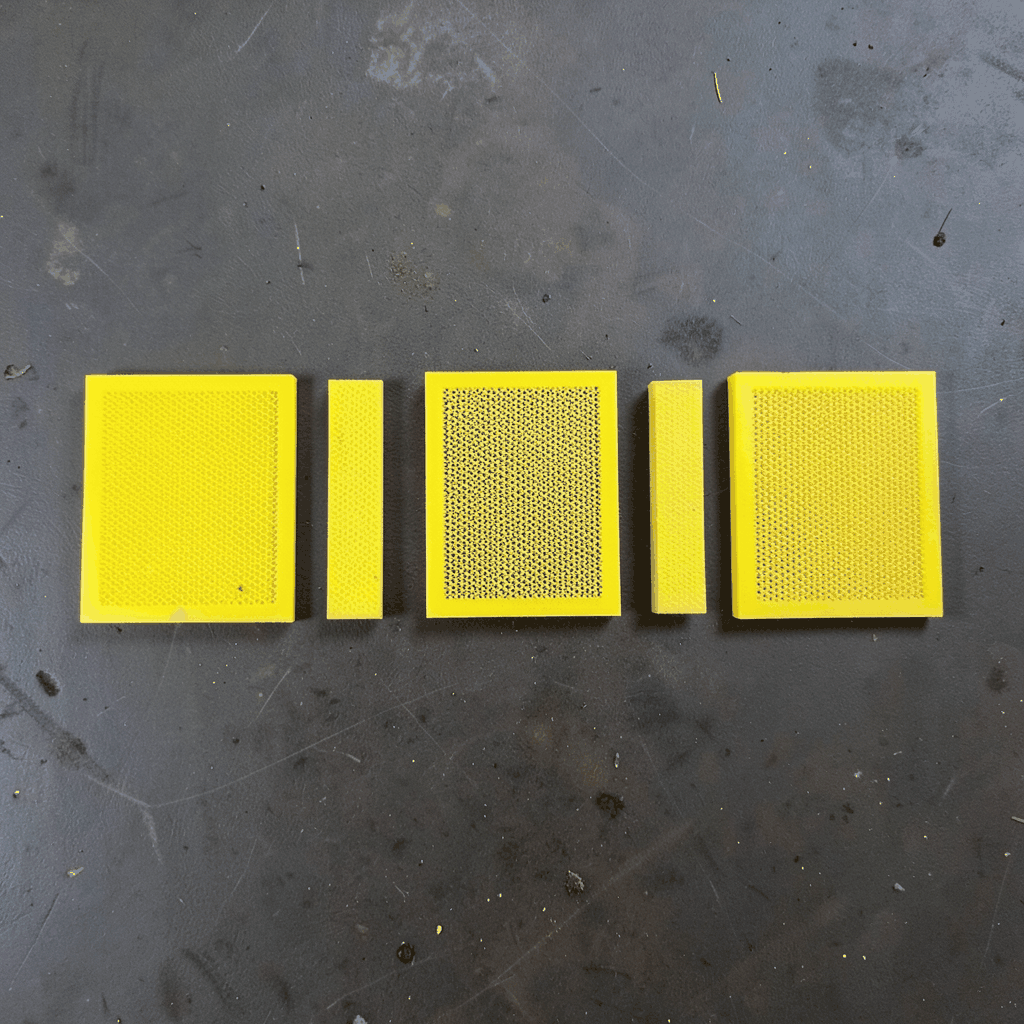
Wire mesh guards that shield condenser coils from debris
Outdoor air-conditioning and heat-pump units work hard across Australia, sitting on back patios in Brisbane, clipped to side walls in Melbourne terraces, and exposed on rooftops in Perth. With that constant exposure comes a steady bombardment of leaves from eucalyptus and jacaranda trees, seed pods, lint from clothes dryers vented nearby, pet hair, spider webs, and—after a dry summer—wind-blown dust and ash from regional fires. Coils that look clean from a metre away can be packed with fine matter between the fins, quietly throttling airflow and pushing compressor running amps over their rated draw. Wire mesh guards are one of the most practical, low-cost interventions a homeowner, facility manager, or HVAC contractor can specify to keep that debris on the outside of the coil.
A condenser coil guard is essentially a frame of expanded metal, welded wire, or perforated sheet that sits a short distance in front of the coil face. Its job is not to filter air like a filter drier inside the system, but to stop larger objects from reaching the fragile aluminium fins in the first place. When the mesh is correctly sized and installed, the coil still breathes freely, the unit keeps its published cooling capacity, and the maintenance interval stretches from months to years. Choosing the right product is more involved than picking the first roll of mesh from a trade outlet, because Australian conditions—coastal salt, summer UV, bushfire ember load, and curious wildlife—each tend to have their own specific demands on the material.
This guide walks through the practical decisions behind selecting, sizing, and maintaining condenser coil mesh for typical Australian installations. It covers material selection for marine atmospheres, aperture choices that balance airflow with debris exclusion, mounting methods that preserve service access, and the standards that govern outdoor installations in states from Queensland to Western Australia. Along the way, it points to related mesh applications that show how the same product family performs in security, architectural, and industrial roles beyond the backyard condenser.
Why condenser coils need physical barriers in the Aussie climate
The condenser coil on a split-system air-conditioner, ducted heat pump, or commercial package unit rejects heat to outdoor air. Anything that sits on or between the fins acts as insulation, forcing the compressor to work harder to push refrigerant through a smaller effective surface area. The result is higher kilowatt-hour consumption, higher head pressures that stress the compressor, and—in the worst cases—compressor cut-outs on the very days the system is needed, including the 40°C heatwaves that sweep across Adelaide and inland NSW.
Australian conditions throw a particularly wide mix of debris at outdoor units. In suburban Sydney and the Gold Coast, cottonwoods and eucalyptus drop fine leaves and seed capsules that wedge deep into coil bends. In rural Victoria and Tasmania, grass clippings, chaff, and bark chips from landscaping work get sucked into side-mounted units. In northern Australia, paperbark and pandanus litter settles on top of condensers after the wet season. A proper mesh barrier stops these materials at the perimeter, with apertures large enough to breathe but tight enough to catch a leaf or a cockatoo feather before it reaches the fins. The same product family that protects condenser fins supplies see-through security barriers for airport terminals, where the engineering priority is exclusion without obstruction.
Material choices for Australian conditions
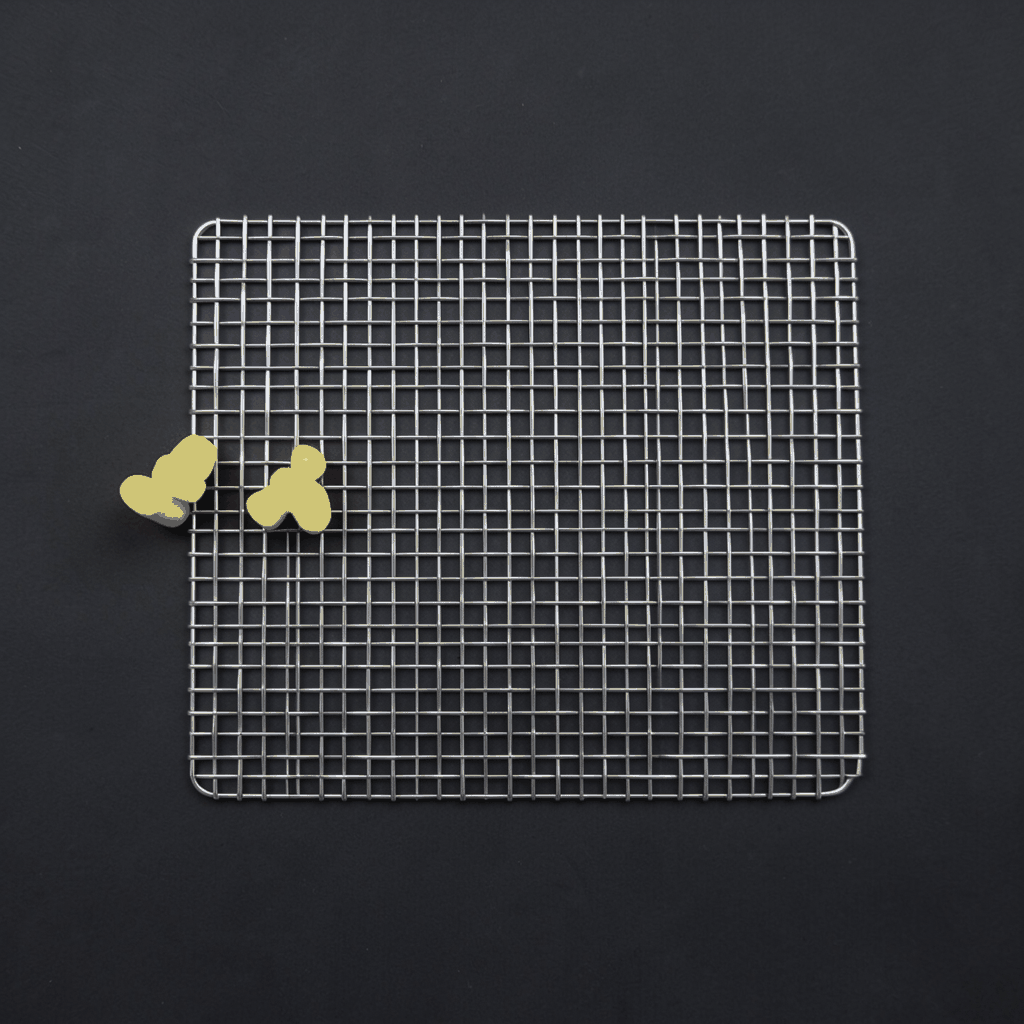
Wire mesh for condenser protection is commonly supplied in three families of material, each suited to different exposure conditions. Stainless steel—typically grade 304 for general use and grade 316 for marine atmospheres—delivers visible corrosion resistance on coastal properties in Fremantle, Coffs Harbour, or the Mornington Peninsula. Its strength holds its shape under accidental knocks from lawnmowers and foot traffic, and it tolerates the UV load of a west-facing wall in Darwin through years of service.
Aluminium mesh offers a lighter alternative that resists corrosion through a passive oxide layer, making it a common pick for ducted units on commercial rooftops in Brisbane and Perth where weight matters. It is softer than stainless and more easily deformed by impacts, but for a fixed guard frame it performs well over decades of exposure. Galvanised welded wire is the most economical option and is widely used on suburban split systems in Melbourne and Canberra where salt exposure is moderate. The zinc coating sacrifices itself before the base steel, so a galvanised guard may show white rust after five to ten years in a coastal suburb before the underlying mesh is compromised. Powder-coated galvanised or aluminium options add a colour layer that can be matched to the condenser cabinet, blending the guard visually into the installation. Frame sections made from the same material as the mesh keep the whole assembly consistent in service life and avoid galvanic reactions between dissimilar metals.
Aperture size and airflow trade-offs
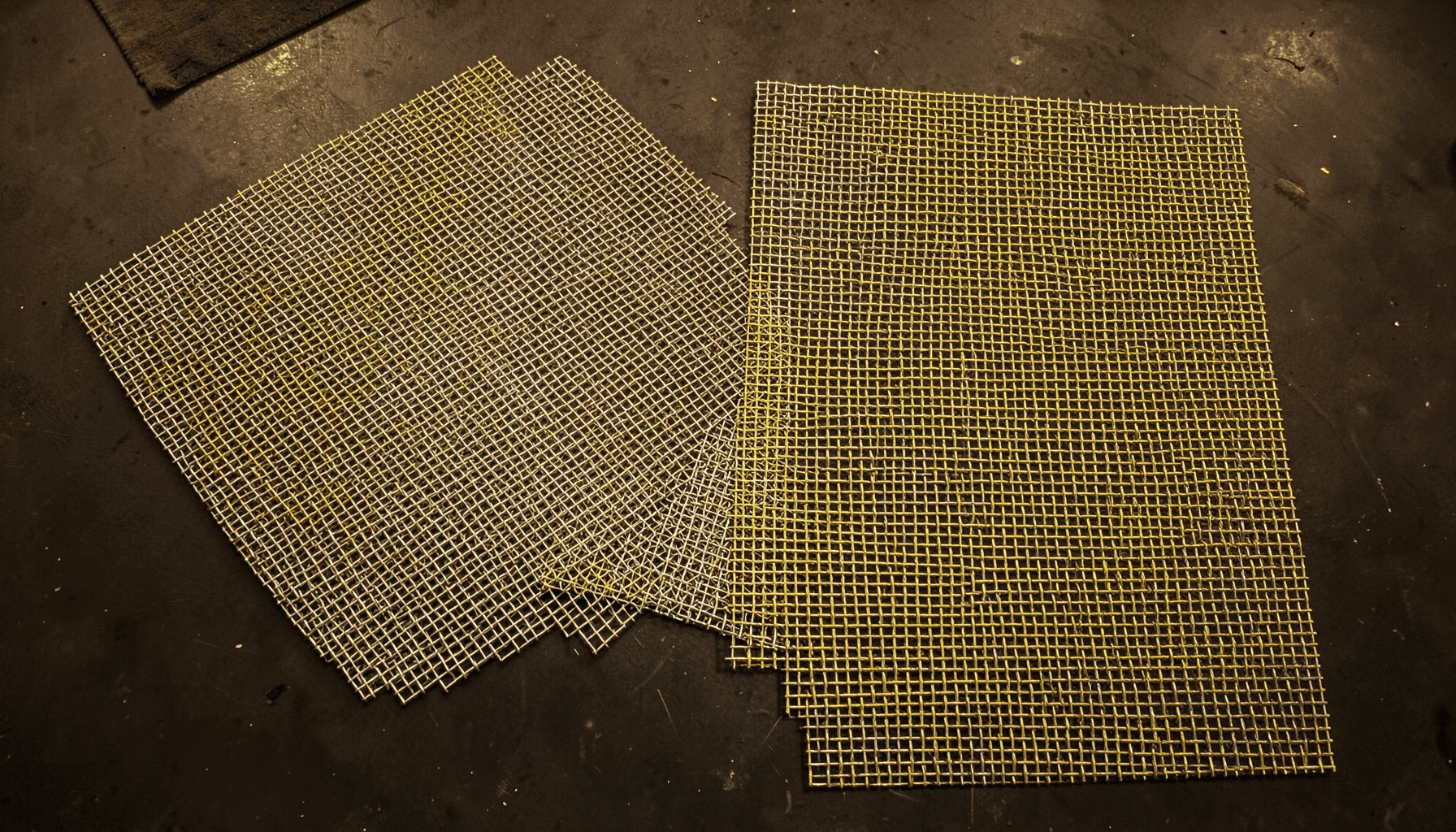
The aperture of the mesh—the opening size between adjacent wires or through a perforation—controls the balance between debris exclusion and airflow restriction. A common residential specification uses 6 mm to 10 mm openings, which catch leaves, paper, and most seed pods while keeping pressure drop through the coil face within a few percent of an unobstructed reading. Tighter weaves below 4 mm start to restrict airflow noticeably in still summer conditions and collect lint and pet hair on the outer face, which then needs brushing off to keep the guard itself breathing.
Expanded metal and perforated sheet deliver a flatter surface that is easier to brush clean and less likely to trap debris on ledges. Woven wire mesh can shed leaves more readily when the unit is mounted vertically on a wall, since debris tends to slide off under wind and gravity. For cyclone-rated regions in North Queensland and the Northern Territory, mesh guards should also be specified to resist windborne projectiles during summer cyclones, often through heavier wire diameters or additional frame bracing. The chosen aperture should be matched to the dominant debris on site: a unit under a eucalyptus canopy benefits from a tighter weave than a unit sitting on a paved courtyard in a new suburb.
Installation patterns for split, ducted, and commercial units
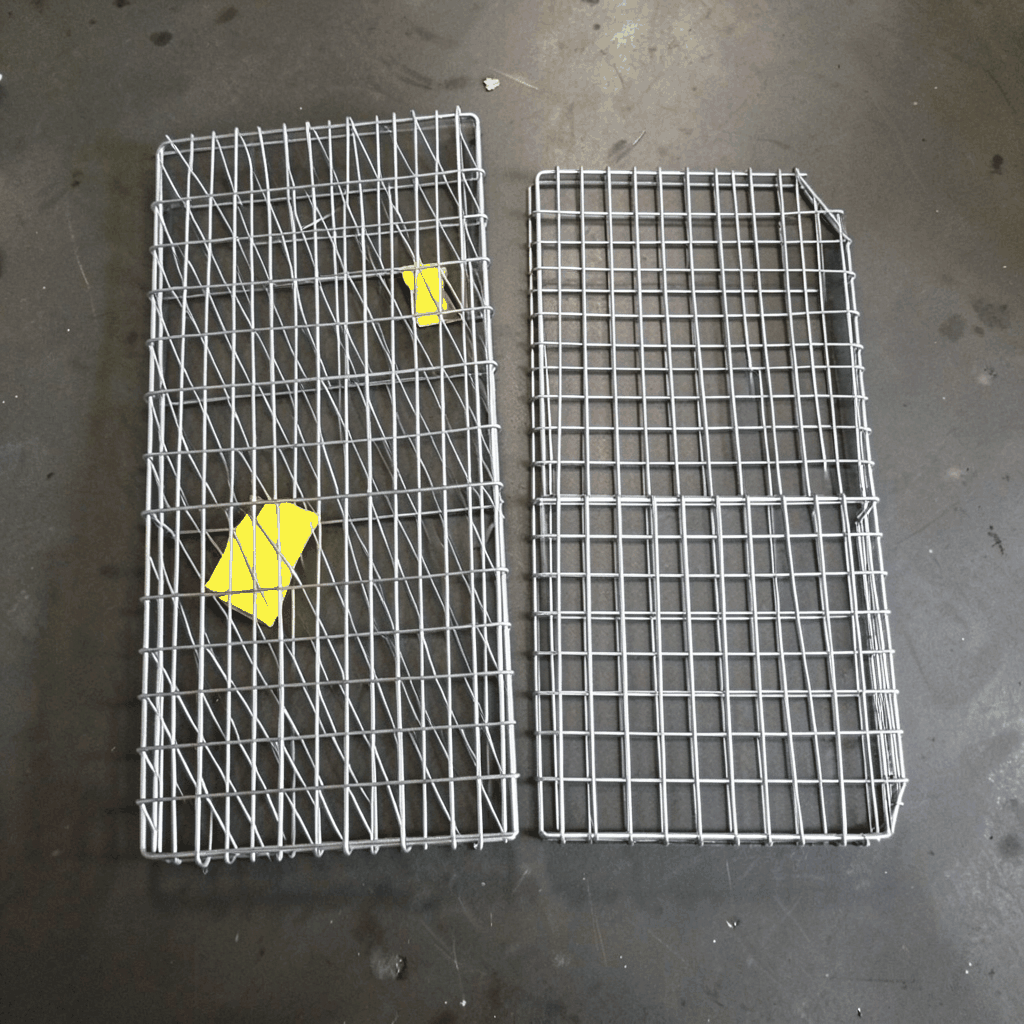
The mounting method depends on the unit type and the available space around the coil. For wall-mounted split systems in Brisbane and Sydney apartments, a simple L-shaped bracket fixed to the wall with stainless screws holds a single panel of guard mesh a few centimetres in front of the coil. For ducted outdoor units sitting on concrete pads in Melbourne and Adelaide, a four-sided cage with a hinged or sliding front panel allows technicians to swing the mesh aside during service without removing the entire guard.
For commercial package units on rooftops, full perimeter enclosures of mesh can be specified as part of the original install, with access doors that match the unit's service panels. Where noise attenuation is also a concern, acoustic lagging behind the mesh adds mass without choking airflow. In heritage suburbs of Sydney and Melbourne where visual impact matters, dark-coloured or bronze-finished mesh blends with brickwork and timber fences, sitting unobtrusively beside heritage facades while still keeping the coil protected. Spacer blocks between the mesh and the coil face keep the guard clear of the aluminium fins, allowing a brush or low-pressure hose to clean both surfaces during routine service.
Australian standards, bushfire codes, and local regulations
A mesh guard is generally not a regulated component in itself, but the installation must respect several Australian standards and local codes. AS/NZS 60335.2.40 covers the safety and emissions of heat pumps and air-conditioners, including requirements for guards that prevent contact with moving parts. In designated bushfire-prone zones across Victoria, NSW, South Australia, and Western Australia, building standards under AS 3959 set construction requirements based on the Bushfire Attack Level (BAL) rating of a site. A BAL-40 or BAL-FZ (Flame Zone) property may require ember guards on openings, with stainless steel mesh of specific aperture and corrosion resistance forming part of the compliant solution. Specifying a stainless condenser guard of the right specification keeps the system covered during the high-risk months of summer when ember attack is most likely.
Local councils may also impose placement rules for outdoor units, particularly on heritage-listed properties or in strata schemes with their own by-laws. Before fitting a guard, owners should check the terms of any planning overlay, body corporate rules, or balcony use agreement that applies. Councils in the City of Sydney, City of Melbourne, and Brisbane City Council have published fact sheets on outdoor unit placement that mention guarding as a way to reduce complaints about noise and visual impact on neighbouring properties. Compliance with AS/NZS 3500 and local plumbing codes may also apply where condensate drains run through the same service zone as the guard mounting points.
Maintenance, cleaning cycles, and long-term performance
A condenser mesh guard is not a fit-and-forget item. It needs the same kind of attention that the coil behind it would otherwise receive, but with the advantage that most of the debris sits on the outside of the mesh rather than deep in the fins. A soft brush, a garden hose, and a drop cloth are usually enough for a six-monthly service in suburban conditions. In coastal or dusty rural environments, quarterly cleaning keeps the mesh breathing freely. Avoiding high-pressure water keeps the mesh face from being forced into the coil fins, which can bend the soft aluminium and reduce cooling capacity.
During each service, the mesh should be inspected for corrosion, broken welds, or deformation that may have let debris through. Galvanised mesh that has reached the end of its coating life can be replaced section by section without disturbing the condenser itself. Stainless mesh typically outlasts the unit behind it, so replacement is rare. Where a unit sits under a tree or beside a clothes line, an annual rinse with a mild detergent solution removes pollen and lint that would otherwise build up on the mesh face. With a sensible maintenance plan and the right specification at install, a condenser mesh guard delivers years of trouble-free protection across the wide range of climates found from Hobart to Darwin. Contact a wire mesh specialist to discuss the right material, aperture, and frame configuration for your installation.