Wire Mesh for Sand and Gravel Screen Decks
Sand and gravel screening depends on a screen deck that can separate material accurately while absorbing constant impact, abrasion and vibration. Woven wire mesh remains a practical choice for many quarry, aggregate and recycling operations because it offers a broad range of apertures, strong open area and straightforward replacement when a panel reaches the end of its working life.
The right screen media must suit the feed, the required product size and the machine itself. Moist river sand, crushed basalt, rounded gravel and recycled aggregate place different demands on a screening surface. A well-selected wire mesh panel can improve sizing consistency, reduce blinding and support reliable production across Australian conditions.
How wire mesh separates aggregate
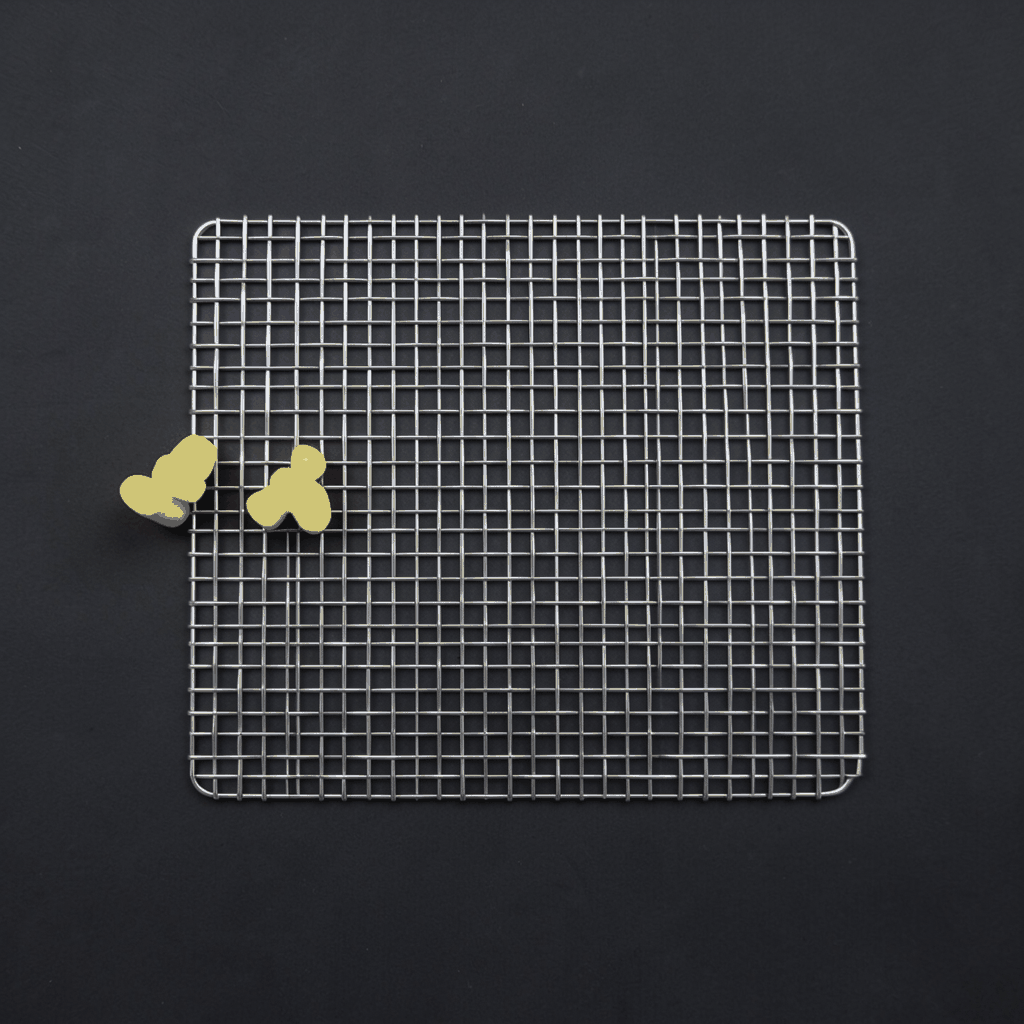
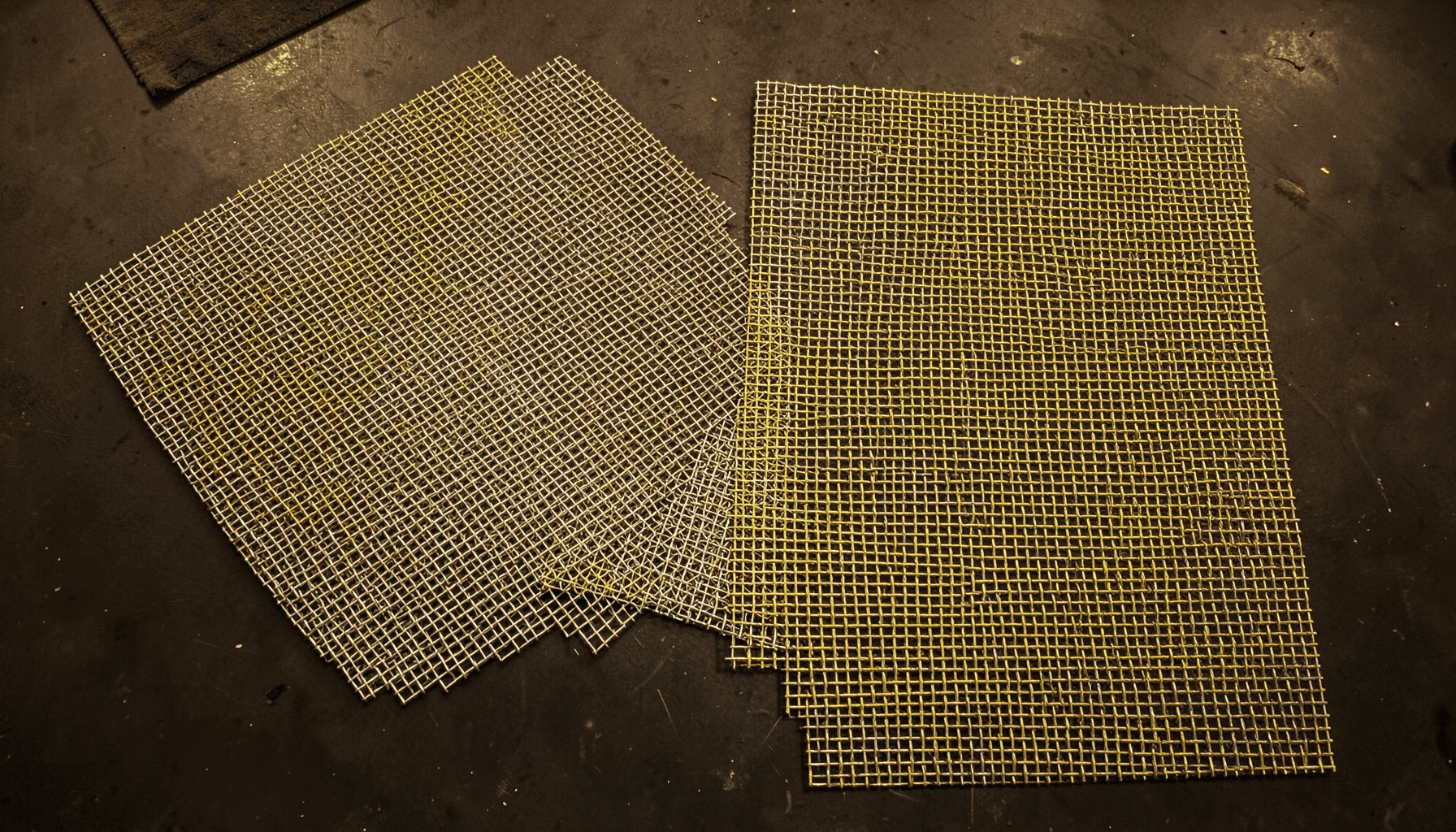
Woven screen cloth is made by interlacing longitudinal wires with cross wires to form a defined opening. As the vibrating deck moves, undersized particles pass through the apertures while larger pieces travel towards the discharge end. The separation result depends on aperture dimensions, wire diameter, open area, vibration, feed depth and the condition of the material.
Square openings are common where accurate sizing is important. They provide consistent separation for manufactured sand, drainage gravel and graded aggregate. Slotted or rectangular openings can increase the passage area for elongated particles or help reduce blockage in selected applications, although they may produce a less sharply defined cut size.
Screening performance is also affected by the relationship between the largest feed particles and the aperture. Material should be spread across the full width of the deck rather than concentrated in a narrow stream. Excessive feed depth can prevent particles from contacting the mesh, while insufficient vibration may allow damp fines to build up on the surface.
Choosing mesh specifications
Aperture size is the starting point for selecting a screen deck, but it is not the only specification that matters. A small opening can deliver a precise product fraction, yet a fine wire may wear quickly under abrasive feed. A larger wire often provides longer service life, though it reduces open area and can affect capacity.
Wire diameter, material grade and weave pattern should be considered together. High-tensile steel mesh may suit dry, abrasive aggregate where strength and wear resistance are priorities. Stainless steel can be valuable in corrosive or wet environments, while other alloy choices may be appropriate when the feed contains chemicals or when cleaning requirements are demanding.
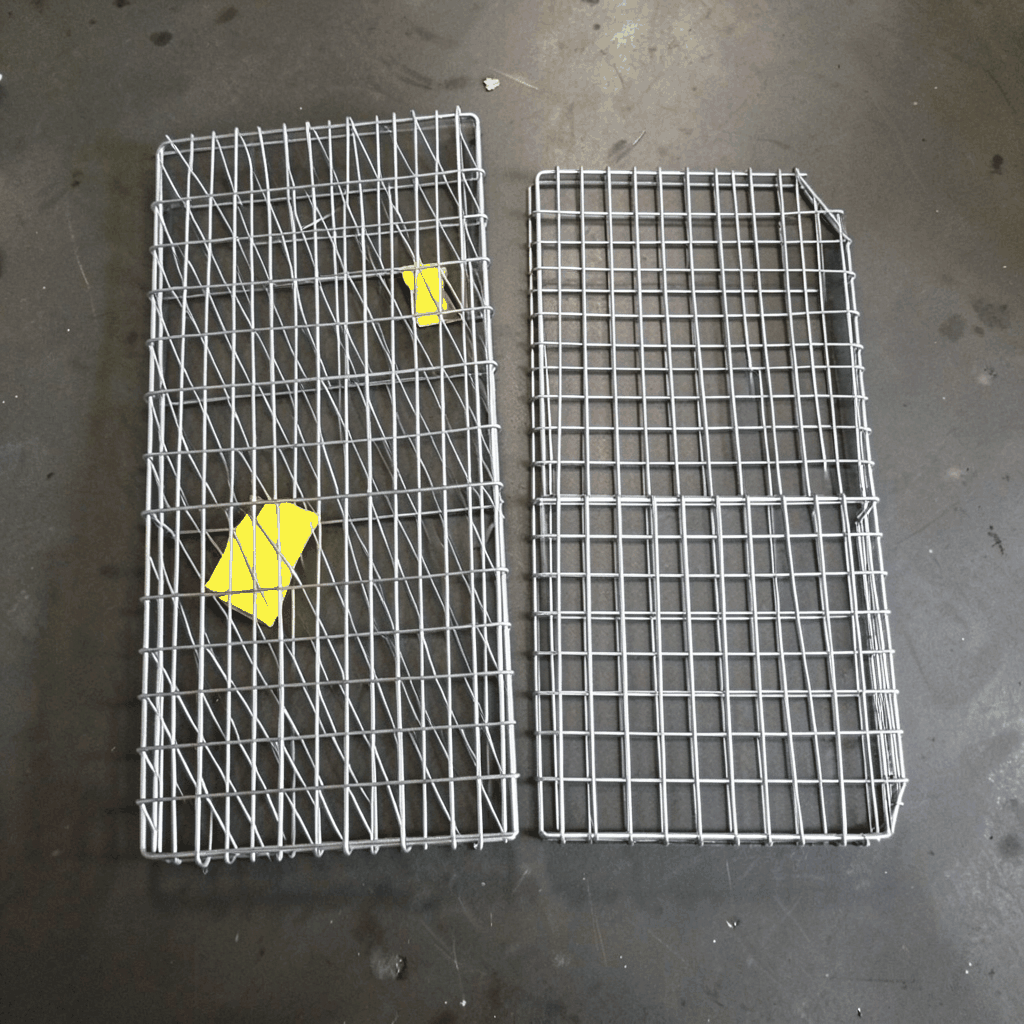
Panel dimensions must match the vibrating screen and its fastening system. Hooked-edge panels, flat panels, bolted sections and tensioned screens each require accurate measurements. A replacement panel that is slightly too large, poorly tensioned or incompatible with the support rails can suffer premature fatigue, produce uneven separation or create a safety hazard.
For quarry operators near Sydney, Melbourne or Brisbane, local production conditions may change with the source material and season. A dry hard-rock quarry, a wet sand pit and a recycled aggregate plant should not automatically use the same mesh specification simply because their target product is similar.
Materials for Australian operating conditions
Carbon steel and high-tensile steel are widely used for aggregate screening because they combine mechanical strength with a competitive operating cost. They are suited to many dry screening duties, particularly where the mesh is inspected regularly and replaced before excessive wear creates irregular openings.
Stainless steel wire mesh is useful where water, salt, cleaning chemicals or corrosive fines are present. This can be relevant to coastal operations around Perth, Adelaide and Newcastle, as well as sand-washing plants that operate with wet feed. Stainless steel does not eliminate wear, but it can reduce corrosion-related weakening and maintain a cleaner surface in demanding conditions.
Copper, aluminium and specialty alloys have roles in architectural, filtration or light-duty industrial mesh, but they are not automatically suitable for heavy aggregate impact. Material selection should reflect abrasion, tensile loading, temperature, moisture and the way the screen is supported. A technically attractive alloy may be a poor choice if it cannot tolerate repeated impact from large stone.
Australian sites also need to consider dust, intense sunlight, remote access and long transport distances between regional quarries and suppliers. Keeping agreed replacement dimensions and material details on file can shorten procurement time when a screen panel fails during a high-demand period.
Managing wear, blinding and pegging
Wear usually appears first at the feed zone, where large particles strike the mesh with the greatest force. Abrasive stone can enlarge openings, flatten wires and create broken intersections. Once the aperture changes, the finished product may become contaminated with oversize or excess fines even though the screen continues to run.
Blinding occurs when sticky or damp material covers the apertures. Pegging is different: particles become trapped in the openings, reducing effective open area and increasing the load on the cloth. Correct aperture shape, suitable wire diameter, adequate vibration and controlled moisture can all help limit these problems.
A wash screen may be preferable for wet sand and clay-bearing feed, while a dry screen can be effective for clean, free-flowing aggregate. In regional Queensland, sudden rain can change the moisture content of pit-run material quickly, so operators may need to adjust feed rate, spray bars or deck configuration rather than treating mesh replacement as the only solution.
Routine inspections should check for broken wires, stretched panels, loose fasteners, worn support bars and material accumulation. Cleaning should follow the mesh material and site safety procedures. Industrial maintenance teams may also find value in reviewing specialist guidance on sparger cleaning methods when developing broader plant-cleaning schedules, although screen cloth requires its own inspection criteria.
Installation and maintenance practices
Correct tension is essential on a conventional tensioned screen. A loose panel can flutter, rub against the support structure and fatigue at the hooks. Excessive tension can overstress the cloth or frame. The fastening arrangement should distribute load evenly and keep the mesh firmly seated throughout the vibration cycle.
Before installation, the deck should be cleared of worn rubber strips, damaged rails and sharp projections. Support surfaces need to be level and properly aligned. The mesh should be checked for the correct aperture, wire diameter, edge finish and orientation. A clear identification system helps maintenance crews fit the correct panel to each deck position.
Modular sections can make replacement faster, particularly on multi-deck machines. Smaller panels may be easier to handle and can limit the amount of serviceable mesh discarded when wear is localised. Larger panels may reduce joints and provide a continuous screening surface, but they demand suitable lifting equipment and careful handling.
A written inspection routine can include checks at the start of a shift, after a change in feed material and during planned shutdowns. Operators should record where wear begins, how long each panel lasts and whether product grading changes over time. This information supports a more accurate decision about aperture and alloy selection than relying solely on catalogue specifications.
Custom mesh for complete processing sites
A screen deck is one part of a wider material-handling system. Hoppers, chutes, conveyors, grizzlies, guarding and dust-control equipment all influence how much stress reaches the mesh. Custom-fabricated wire products can be designed around the machine frame, fixing method and required product grading rather than supplied as a generic sheet.
Manufacturers that process stainless steel, iron, aluminium and other alloys can support different duties across a site. Heavy-duty woven mesh may be produced for aggregate classification, while perforated panels, baskets or protective screens may be fabricated for adjacent plant areas. Consistent drawings and tolerances are particularly useful when a quarry operates multiple machines with different deck widths.
For facilities with visitor areas, offices or architectural elements, a processing project may also include laser-cut screens, partitions or wall cladding. The principles shown in integrating LED lighting can help when a public-facing plant entrance or display area needs both visual screening and controlled illumination, although decorative screens should remain separate from heavy aggregate screening duties.
A useful specification should state the machine make and model, deck position, panel dimensions, edge treatment, aperture, wire diameter, material grade, weave, expected feed and target product. Photographs of the existing screen and worn areas can help resolve fit and wear issues before fabrication begins.
Selecting a dependable supply partner
A reliable supplier should be able to discuss screening conditions rather than quote only by mesh size. Important questions include the expected feed size, moisture level, abrasiveness, hourly throughput, deck inclination, vibration pattern and replacement interval. These details help identify whether woven wire cloth is the best option or whether another type of screen media should be considered in a particular zone.
Quality control should cover aperture accuracy, wire consistency, panel dimensions, edge construction and weld or hook quality where applicable. A small variation across a large panel can affect both installation and product grading. Clear labelling also reduces the risk of fitting a fine top-deck panel in a coarse scalping position.
For Australian buyers, practical logistics matter. A supplier should provide packing that protects hooked edges and flat panels during international transport, along with drawings that local maintenance teams can use. Spare panels for high-wear positions may be worthwhile for remote Western Australian or Northern Territory sites where urgent freight is expensive and downtime affects the whole operation.
Shuo Ke Wire Mesh Product Technology Co., Ltd. manufactures and processes metal mesh products for industrial, architectural and municipal uses, with customised solutions available in materials including stainless steel, aluminium, copper, iron and other alloys. Its engineering approach can support screen-deck components and related fabricated mesh products according to site requirements.
Specify the feed material, target separation, machine dimensions and operating conditions before ordering wire mesh for sand and gravel screen decks. Share drawings or photographs with a qualified manufacturer to obtain a panel that fits correctly, performs consistently and withstands the conditions of your Australian site.